

Why your sushi palate matters
A refined sushi palate transforms the experience from simple consumption into active tasting. When you train your palate, you stop seeing sushi as just rice and fish and start identifying the specific quality of the ingredients and the precision of the preparation. This shift allows you to distinguish between fresh, high-quality fish and older stock, ensuring better value and safety.
Think of your taste buds like a pair of noise-canceling headphones. Without training, the strong flavors of soy sauce and wasabi drown out the subtle notes of the fish. By learning to taste the sushi before dipping it, or by using the pickled ginger correctly, you clear the static and hear the music. Ginger is served as thinly sliced pickled strips to cleanse your palate between bites, resetting your taste buds so you can fully appreciate the nuances of each piece.
This attention to detail elevates every bite. You begin to notice the difference between a perfectly aged tuna and a standard cut, or the specific texture of rice seasoned by a master versus a novice. Developing this sensitivity doesn't just make the food taste better; it turns every meal into a lesson in craftsmanship.
Prepare your palate before eating
Your taste buds are the gatekeepers of your sushi experience. If they are fatigued or overwhelmed by strong flavors, the subtle sweetness of the rice and the delicate texture of the fish will be lost. Preparing your palate before you sit down at the counter is just as important as the preparation of the chef.
Avoid strong flavors beforehand
The most common mistake sushi diners make is eating a heavy, spicy, or heavily seasoned meal before their reservation. Garlic, heavy spices, and rich sauces coat the tongue, masking the clean, mineral notes of fresh seafood. To truly sharpen your Sushi Palate, eat a light, neutral meal at least two hours before dining. Think plain rice, a simple salad with minimal dressing, or even just water.
Hydrate and cleanse
Hydration is critical for taste sensitivity. Dry mouth dulls your ability to perceive flavor nuances. Drink plenty of water throughout the day leading up to your meal. If you are drinking alcohol, stick to light, dry options. A Japanese highball or a crisp, dry white wine can refresh the palate without overwhelming it, unlike sweet cocktails or heavy stouts which leave a residual sugar coating on your tongue.
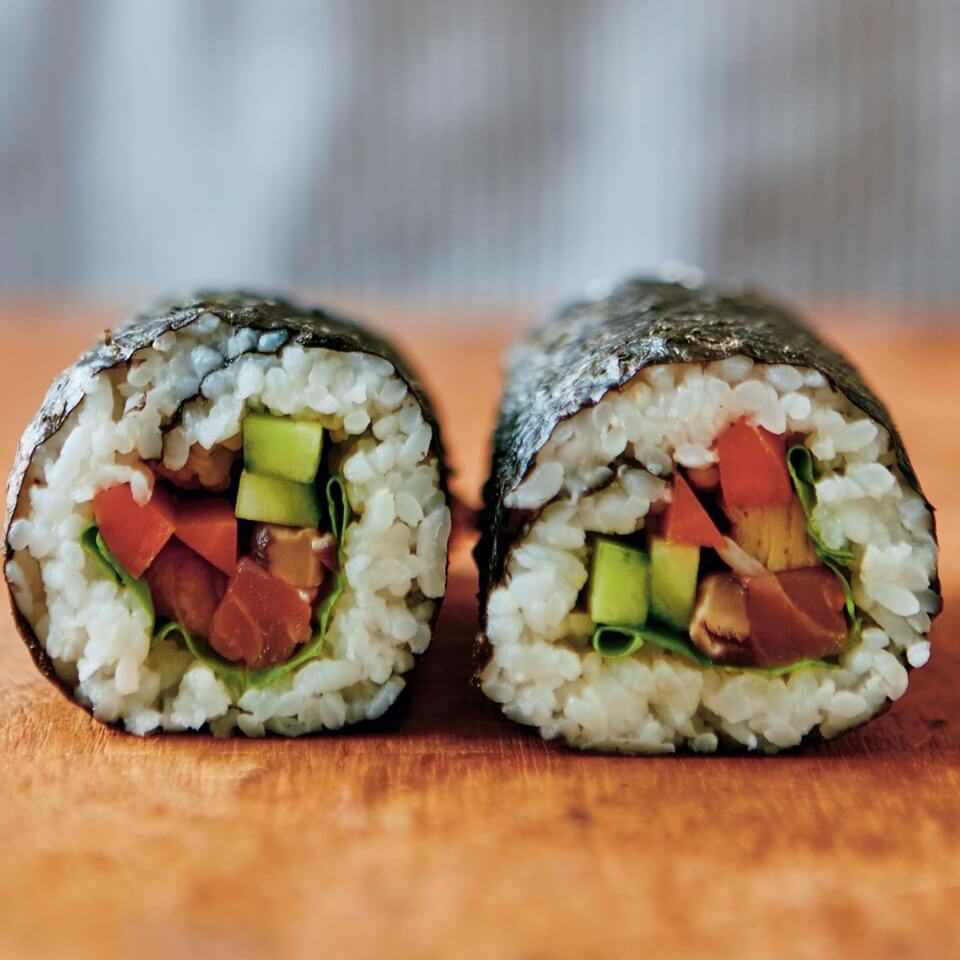
Finish any strong-smelling foods or heavy meals at least two hours before your sushi appointment. Your nose and tongue need to be neutral to appreciate the subtle umami of the fish.

Drink water consistently before you arrive. Dehydration dulls taste buds. If you choose to drink, opt for a dry, light beverage like a Japanese highball or a crisp white wine to refresh rather than coat your palate.
Avoid strong mints, gum, or toothpaste right before eating. These leave a lingering chemical aftertaste that clashes with the clean flavor profile of sushi. Brush your teeth early, but wait until your mouth is naturally neutral before dining.
-
Eat a light, neutral meal 2+ hours prior
-
Drink water consistently throughout the day
-
Avoid strong mints, gum, or spicy foods before arrival
-
Choose dry, light beverages if drinking alcohol
Taste nigiri in the right order
Training your Sushi Palate isn't just about recognizing fish species; it's about sequencing. Eating heavy, fatty fish before delicate white fish muddies your taste buds, making the lighter pieces taste bland or fishy by comparison. Think of your palate like a canvas: you start with light watercolors before moving to heavy oils.
Follow this progression to ensure every piece shines.
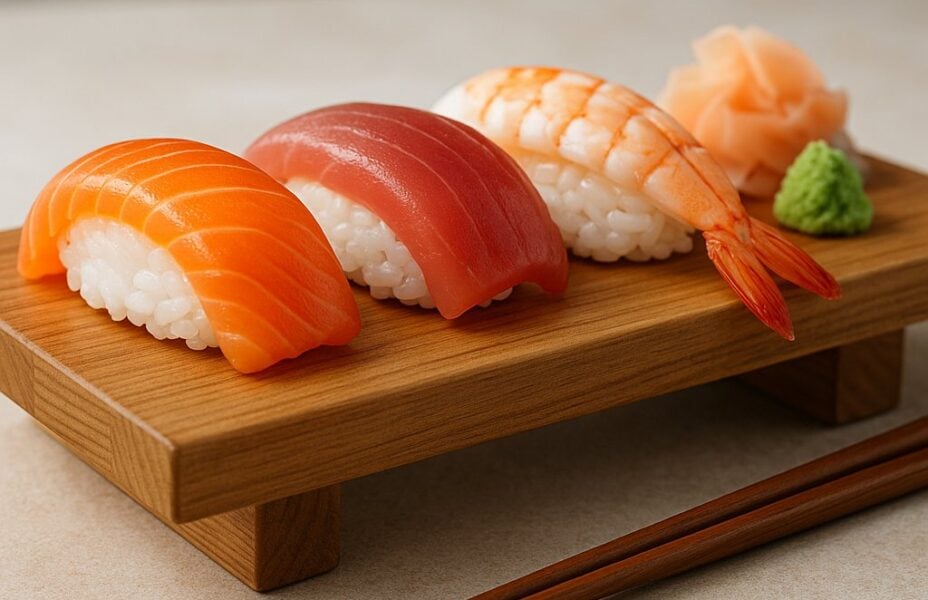
Begin with mild, lean fish like hirame (flounder) or tai (sea bream). These have subtle, clean flavors that are easily overwhelmed. Eating them first allows you to detect their delicate sweetness without interference.
Next, transition to akami (lean tuna) or ika (squid). These have a slightly firmer texture and a cleaner, mineral taste. They bridge the gap between the delicate whites and the richer varieties to come.
Now tackle maguro (medium-fat tuna) or ebi (cooked shrimp). The flavors become more pronounced and savory. Your palate is now acclimated to richer textures, so these pieces will taste balanced rather than heavy.
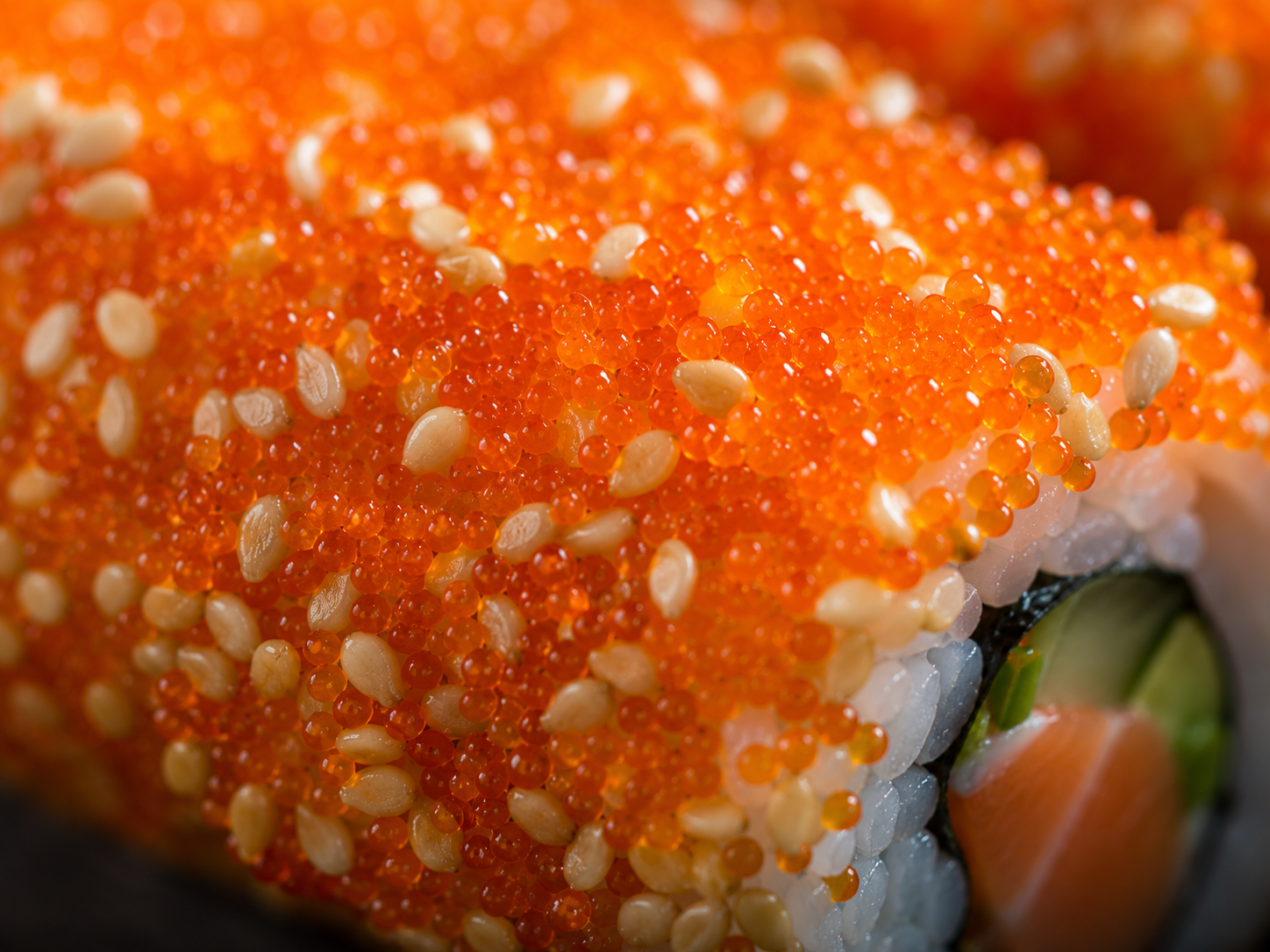
Save the otoro (fatty tuna) and unagi (eel) for last. These are intensely rich and oily. If eaten earlier, they would coat your tongue and mask the nuances of all subsequent pieces. Ending on these ensures a satisfying, lingering finish.
Between pieces, use the pickled ginger (gari) to reset your palate. It acts as a neutralizer, scrubbing away residual oil so the next fish tastes fresh. Avoid mixing wasabi into your soy sauce; this creates a harsh, uniform heat that dulls your ability to distinguish subtle flavor notes.
Use ginger to reset between bites
Pickled ginger, or gari, is not a garnish to be eaten alongside your sushi. It is a functional tool designed to reset your Sushi Palate between pieces. Its sharp, sweet, and tangy profile clears the lingering oils and umami from the previous bite, allowing you to taste the specific nuances of the next fish or rice.
Most diners make the mistake of dipping the ginger into soy sauce. This turns a cleansing agent into a salty snack, muddying the flavor profile you are trying to evaluate. Instead, eat a small slice of ginger plain, or place it lightly on top of the next piece of nigiri to neutralize strong flavors like fatty tuna before moving on.
Pair drinks to highlight flavors
The goal when training your sushi palate is to choose beverages that amplify the fish and rice, not mask them. Heavy, sweet, or highly alcoholic drinks can overwhelm the delicate umami and subtle sweetness of the ingredients. Instead, focus on dry, light, and refreshing options that act as a bridge between bites.
A traditional Japanese highball is often the superior choice over ginger for palate resetting. The carbonation and clean gin or shochu profile scrub the tongue, preparing your taste buds for the next piece without leaving a lingering aftertaste. This approach keeps your focus on the sushi itself, allowing you to detect finer flavor nuances as you progress through the meal.
When selecting wine, adhere to the philosophy of simplicity. Look for dry whites, light reds, or sparkling wines that are low in alcohol and high in acidity. These profiles cut through the richness of fatty fish like toro while complementing the vinegar in the rice. Avoid oaky or heavily sweetened wines, which tend to clash with the clean, minimalist aesthetic of sushi.
| Drink Type | Flavor Profile | Impact on Sushi Palate | Best Paired With |
|---|---|---|---|
| Dry White Wine | Crisp, acidic, low alcohol | Cleanses palate, highlights freshness | Sashimi, lighter nigiri |
| Japanese Highball | Carbonated, clean, bitter | Scrubbs tongue, resets taste buds | Full course progression |
| Light Lager | Light, refreshing, low bitterness | Neutral, non-intrusive | Casual dining, fried rolls |
| Sweet Riesling | Sweet, aromatic, high alcohol | Overpowers delicate fish flavors | Spicy rolls (with caution) |
Buy sushi grade fish safely
Sourcing the right fish is the foundation of a refined Sushi Palate. If the raw ingredient lacks quality or safety, no amount of seasoning or technique can salvage the experience. Start by identifying a reputable fishmonger or specialty market that clearly labels their inventory as "sushi-grade" or "sashimi-grade." While these terms aren't strictly regulated by the FDA, they indicate the supplier has taken steps to freeze the fish at temperatures low enough to kill parasites.
When inspecting the fish, rely on your senses. The flesh should look translucent and vibrant, not dull or cloudy. For fatty cuts like tuna or salmon, the marbling should be distinct and white, not yellowed. A clean, oceanic smell is normal; any hint of ammonia or a strong "fishy" odor means the fish is past its prime. Trust your nose over the price tag.
To ensure safety, freeze the fish at home if you are unsure about the supplier's process. Place the fish in the freezer at 0°F (-18°C) or below for at least seven days. This step is critical for home preparation and eliminates the risk of parasites. Once you have secured safe, high-quality fish, you can begin to truly appreciate the subtle flavors that define a well-trained Sushi Palate.


As an Amazon Associate, we may earn from qualifying purchases.
Common tasting mistakes to avoid
Even with the best ingredients, your ability to taste sushi depends on how you handle it. Most people dull their palate through habit rather than malice. The goal is to let the fish and rice speak, not drown them in condiments.
Dipping nigiri rice-side down into soy sauce turns the vinegared rice into a sponge. It becomes heavy, salty, and loses its texture. Turn the piece over and lightly touch the fish side to the sauce instead. This protects the rice structure and keeps the flavor balanced.
Creating a green paste in your dish muddies the water and obscures the chef’s intent. Wasabi belongs directly on the fish. If you need heat, place a small amount on the slice before eating. This allows you to taste the fish’s natural sweetness before the spice hits.
Pickled ginger (gari) is a palate cleanser, not a garnish. Eating it with every bite cancels out the next piece’s flavor. Eat a small slice between different types of fish to reset your taste buds. This ensures each piece tastes as the chef intended.
These small adjustments sharpen your sushi palate immediately. You will notice the difference in the rice’s acidity and the fish’s texture. Focus on these habits to elevate your next meal.
No comments yet. Be the first to share your thoughts!