

Start with the right fish
Understanding what makes fish safe and flavorful enough to eat raw is the first step in refining your taste. The term "sushi grade" is not a legal classification or a USDA inspection standard. Instead, it is an industry term indicating that the fish has been handled and stored to kill parasites, ensuring it is safe for raw consumption.
To refine your palate, you must select fish that is not only safe but also fresh and sustainably sourced. Look for suppliers who flash-freeze their catch, a process that eliminates parasites without compromising texture. This step is non-negotiable for home cooks. When shopping, prioritize vendors who can trace the fish back to its source, supporting sustainable fishing practices that protect ocean ecosystems while ensuring peak flavor.



As an Amazon Associate, we may earn from qualifying purchases.
Selecting the right fish is the foundation of your sushi palate. By choosing sustainably sourced, properly frozen options, you ensure both safety and the clean, distinct flavors that define excellent sushi.
prepare your rolling station
How you handle the ingredients sets the stage for the final taste. Before you roll, gather the essentials. A sharp knife and properly seasoned rice are the foundation of good technique.
tools and ingredients checklist
Keep your workspace organized. This list covers what you need to roll sushi correctly.
- Bamboo rolling mat (makisu)
- Sharp yanagiba or deba knife
- Rice cooker or heavy-bottomed pot
- Wooden rice paddle (shamoji)
- Sushi rice (short-grain)
- Rice vinegar, sugar, and salt
- Nori sheets
- Fresh, sushi-grade fish
- Soy sauce and wasabi
the knife and the rice
A sharp knife cuts cleanly through the roll without crushing the rice or tearing the nori. Dull blades make messy edges and uneven bites. Keep your blade honed.
The rice needs to be cooked right. It should be sticky enough to hold together but still have some individual grain structure. Season it with a mix of rice vinegar, sugar, and salt while it is still warm. This balances the flavors and prepares your palate for the fish.
Roll your first sushi piece
When you roll your own maki, you control the ratio of vinegared rice to fish, allowing you to taste the distinct qualities of each ingredient without the distraction of heavy sauces or excessive toppings. This section walks you through the linear process of assembling a basic roll, focusing on the mechanics that preserve the integrity of the fish.
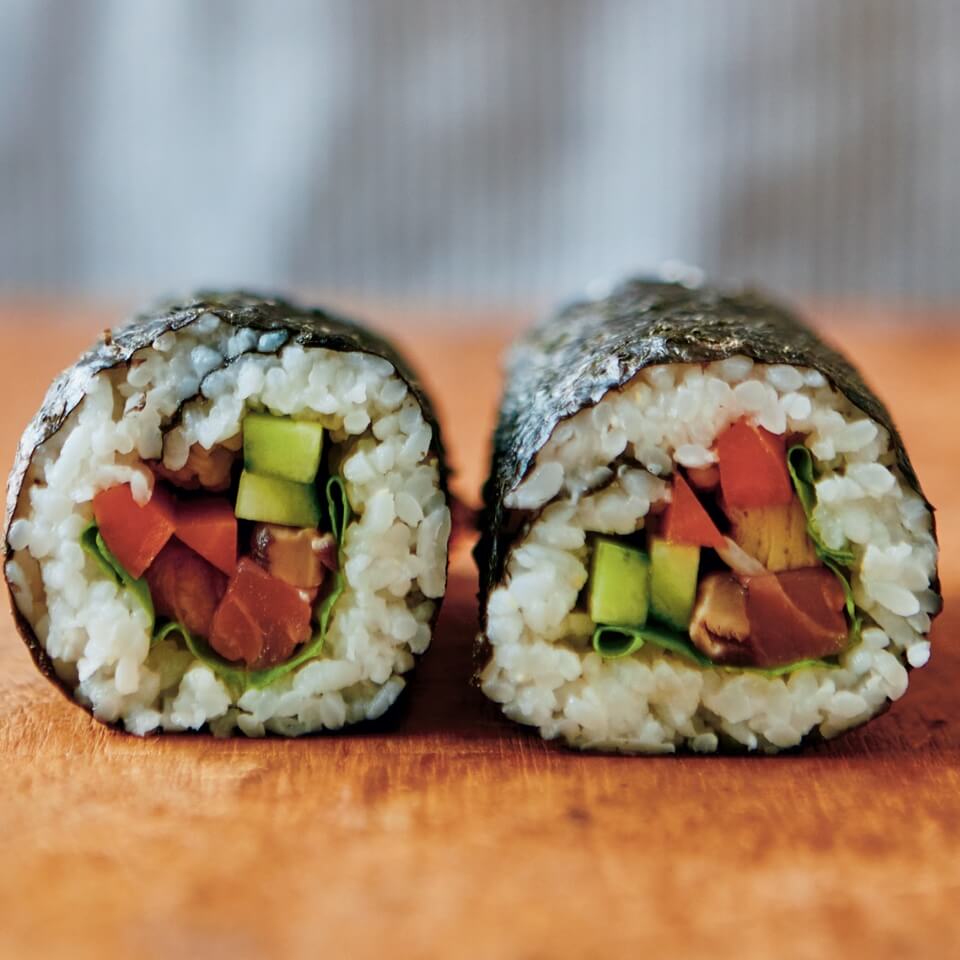
Set up a clean workspace with a bamboo rolling mat (makisu) wrapped tightly in plastic wrap to prevent rice from sticking. Keep a small bowl of water mixed with a splash of rice vinegar nearby to wet your hands; this prevents the nori from tearing and keeps the rice from clumping. Having your knife sharp and your fillings sliced into uniform strips ensures even rolling and consistent bites.

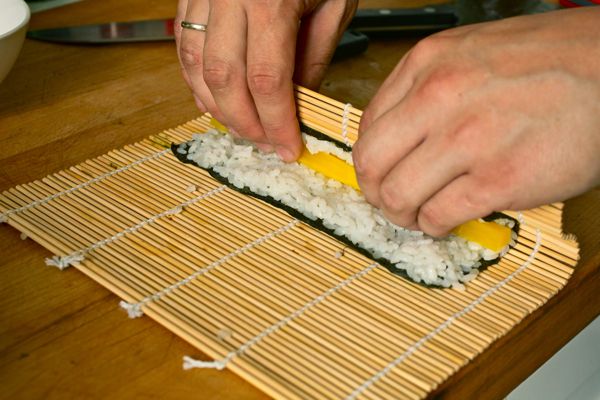
Place a sheet of nori shiny-side down on the bamboo mat. Wet your hands and take a handful of sushi rice, gently pressing it into an even layer across the nori, leaving about an inch of space at the top edge. Do not press too hard; the rice should remain loose and airy to provide the right contrast to the fish. The goal is a thin, uniform blanket that holds together but doesn't compress the nori.
Place your chosen fish and vegetables in a single line across the center of the rice. Lift the edge of the bamboo mat closest to you, using your fingers to hold the fillings in place, and roll the nori over them. Apply gentle, even pressure to form a tight cylinder. Continue rolling until the nori seals itself at the empty edge, creating a compact roll that holds its shape.
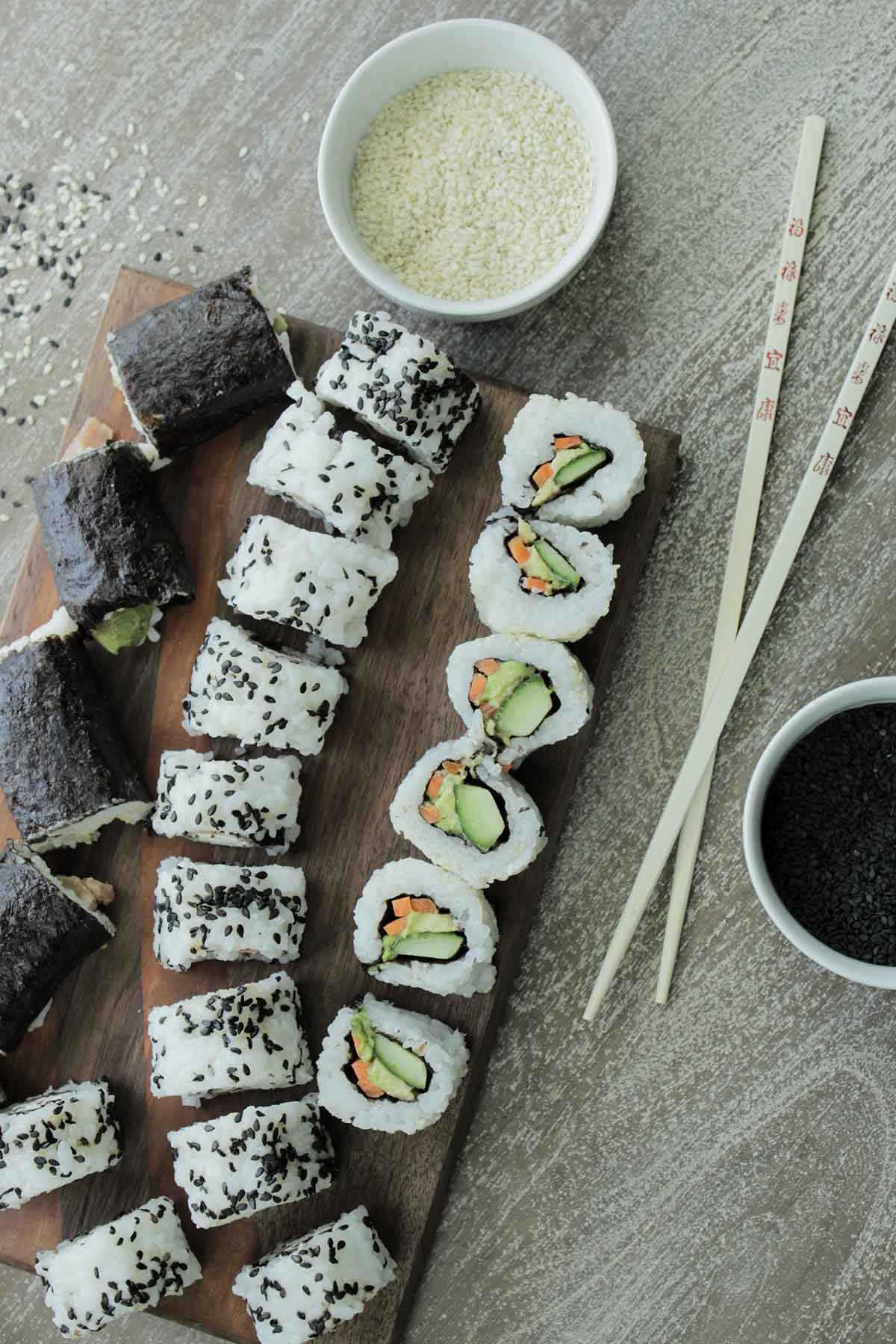
Use a sharp, wet knife to cut the roll in half, then cut each half into three or four pieces. Wipe the knife between cuts to ensure clean edges and prevent the rice from smearing. Serve immediately to experience the fresh texture of the fish and the crispness of the nori, which are essential to developing your sushi palate.
Cleanse your palate between rolls
The pickled ginger served with your sushi is not a garnish to be eaten with every bite, nor is it meant to be dipped in soy sauce. Its specific function is to act as a reset button for your taste buds. Eating ginger between different types of fish allows you to appreciate the distinct flavor profiles of each piece without them blending into a single, muddy taste.
To use it correctly, take a small piece of the ginger and chew it briefly until the sharpness fades. Then, swallow or spit it out before tasting the next piece of sushi. This simple pause clears the residual oil and salt from your mouth, restoring your sensitivity to the subtle sweetness of the rice and the freshness of the fish.
If you prefer a liquid alternative, a warm green tea or a light highball works similarly. These beverages wash away the heavy flavors without the strong, lingering spice of ginger. The goal is always to return your palate to a neutral state so you can fully experience the next roll.
Watch a pro roll technique
Text instructions only cover the basics. To truly refine your taste, you need to see the rhythm of the hands. Watching a professional handle the bamboo mat reveals how pressure and angle determine whether your roll holds together or falls apart.
Study the video below to observe the precise wrist flicks and gentle compressions that create a tight, even cylinder. This visual reference helps you correct common mistakes, like using too much rice or squeezing too hard, ensuring your home rolls match the texture and appearance of restaurant quality.
Common rolling mistakes to avoid
Even experienced home cooks hit snags when rolling. The difference between a messy roll and a clean bite often comes down to three simple adjustments: how much rice you use, how you handle the nori, and how you slice.
Too much rice
Rice is the foundation, but it can also be the enemy. When you spread too thick a layer, the roll becomes dense and heavy, masking the delicate texture of the fish. A heavy roll also strains the nori, making it prone to tearing when you apply pressure. Aim for a thin, even layer that leaves a half-inch border at the top. This ensures the nori stays crisp and the fish remains the star.
Wet nori
Nori is paper-thin and absorbs moisture instantly. If your hands are damp or the rice is too sticky, the seaweed will become soggy before you even finish rolling. Keep a bowl of water nearby only to wet your fingers slightly to prevent sticking, but never soak them. If the nori feels limp, let it sit on the counter for a minute to dry out slightly before adding ingredients. Dry nori provides the necessary structural integrity for a clean roll.
Dull slicing
A sharp knife is non-negotiable. Using a dull blade tears the rice and crushes the fillings, resulting in a ragged appearance and uneven texture. Instead of sawing back and forth, use a single, confident downward motion. Wipe the blade with a damp cloth between cuts to prevent rice buildup. This technique preserves the integrity of the roll, ensuring each piece holds its shape and offers a consistent bite.
Questions about sushi safety
Handling raw fish at home requires strict attention to temperature and source. The goal is to protect your palate by ensuring the fish is pristine, which means eliminating the risk of parasites and bacteria through proper freezing and storage.
No comments yet. Be the first to share your thoughts!