

Start with the right tools
Mastering the physical act of rolling is the prerequisite for refining your taste. You cannot appreciate the subtle differences in rice acidity or fish fat without first developing the tactile sensitivity required for consistent shaping. The tools needed are minimal, affordable, and specific.
The most critical tool is the sushi mat (makisu). A traditional bamboo mat provides the necessary grip and structure to shape tight, even rolls. Plastic mats are available but often slip, making it harder to achieve the uniform density required for a clean bite. Pair this with a sharp knife. A dull blade crushes the rice and tears the nori, ruining the texture before you even taste it. A sharp, single-bevel or high-quality carbon steel knife slices through ingredients cleanly, preserving the integrity of the roll.
| Tool | Purpose | Why It Matters |
|---|---|---|
| Bamboo Mat (Makisu) | Shaping maki rolls | Ensures even density so every bite tastes consistent. |
| Sharp Chef’s Knife | Slicing rolls | Prevents crushing rice, preserving texture and flavor. |
| Plastic Wrap | Covering the mat | Stops sticky rice from ruining the bamboo and your hands. |
| Bamboo Spatula (Shamoji) | Mixing rice | Gently folds rice without mashing grains, keeping them distinct. |
For those ready to buy, these are the essentials you need to start rolling immediately.


As an Amazon Associate, we may earn from qualifying purchases.
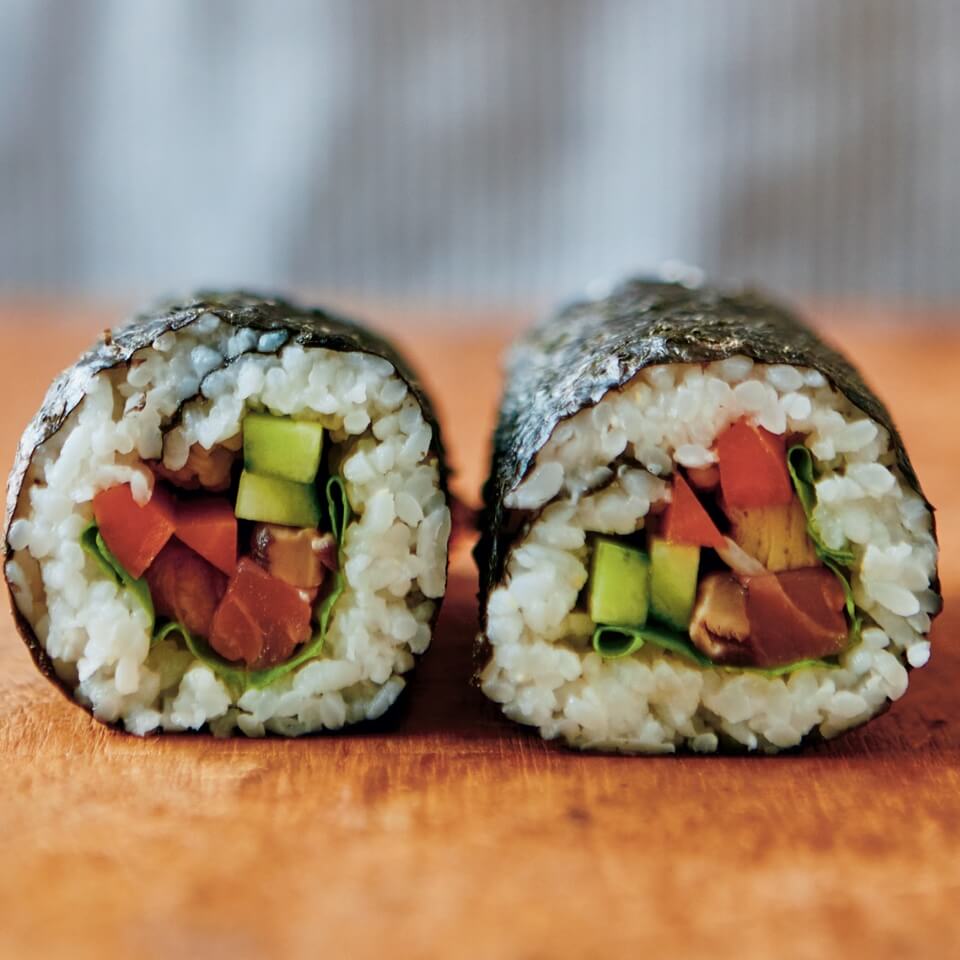
Once you have these basics, the physical act of rolling becomes a meditation. You learn to feel the tension in the nori and the stickiness of the rice. This tactile feedback is the first step in developing a sushi palate. When you can roll consistently, you can finally focus on the sensory details: the crunch of the cucumber, the melt of the tuna, and the balance of the vinegar. Start with the tools, master the roll, and let the taste follow.
Season the rice to build your sushi palate
The rice is the foundation of every roll. If the seasoning is off, the delicate balance of flavors collapses, making it difficult to appreciate the fish or the texture of the nori. Building a sushi palate starts here: learning to taste the harmony between the sharp acidity of the vinegar, the subtle sweetness of the sugar, and the savory depth of the salt.
Mix the seasoning first
In a small saucepan, combine rice vinegar, sugar, and salt. Heat gently until the solids dissolve completely. Do not boil the mixture vigorously, as this evaporates the acidic notes that provide the necessary brightness. Let the mixture cool to room temperature before using it. This ensures the heat from the freshly cooked rice doesn't cook the vinegar further, preserving its crisp character.
Fold, don't mash
Transfer the hot rice to a wide, non-metallic bowl. Drizzle the seasoning over the rice in stages. Using a rice paddle or a large spatula, fold the rice gently to coat every grain. The goal is to aerate the rice so it cools evenly and develops a glossy sheen. Avoid stirring or mashing, which breaks the grains and turns the rice into a sticky paste. Properly seasoned rice should be distinct, slightly sticky, and cool to the touch.
Taste for balance
Your palate is the final gauge of success. Take a small spoonful of the seasoned rice and let it rest on your tongue. You should feel the vinegar hit the sides of your mouth first, followed by a gentle sweetness, and a clean finish. If it tastes flat, add a pinch more salt. If it is too sharp, a tiny bit more sugar will round it out. This balance is what allows the subtle flavors of your sushi ingredients to shine through in every bite.
Roll your first maki
The act of rolling is a tactile exercise in balance. When you understand how the rice binds to the nori, you begin to taste the structure of the roll, not just the filling.
Follow this sequence to build your first roll. Focus on even pressure rather than speed.
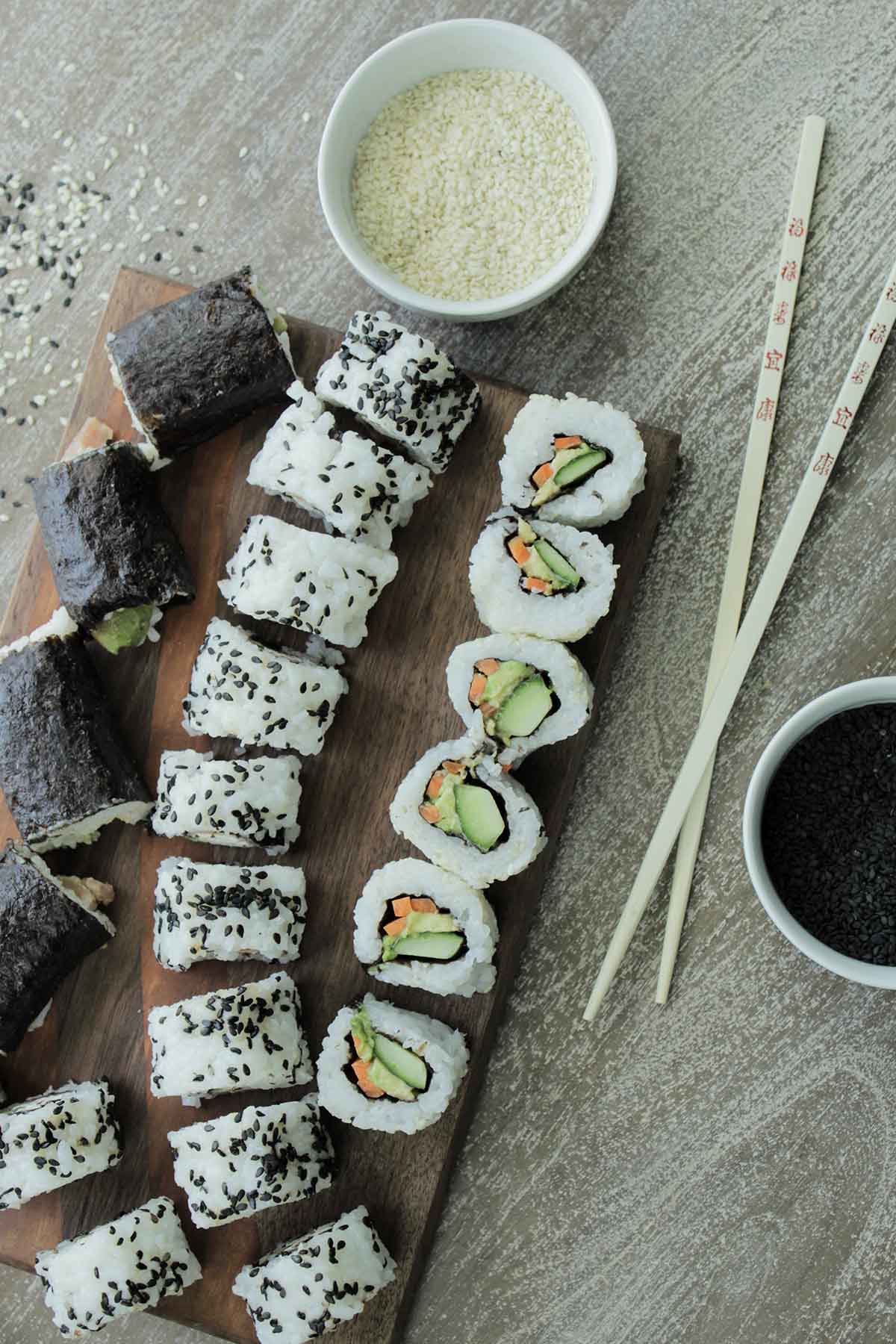
Fill a bowl with water and a splash of vinegar (su-mizu). Keep a damp cloth nearby to wipe your hands and the rolling mat. This prevents the sticky sushi rice from clinging to your skin or the bamboo mat, allowing you to focus on shaping without frustration.
Lay a sheet of nori on the bamboo mat, shiny side down. The rougher side should face up to help the rice adhere. Position the sheet so it aligns with the bottom edge of the mat, leaving a small gap at the top for sealing.

Wet your hands and take about three ounces of sushi rice. Spread it evenly across the nori, leaving a one-inch border at the top. Press gently; you want a uniform layer, not a thick brick. The rice should cover most of the surface but remain thin enough to bite through cleanly.
Place your chosen ingredients—such as cucumber strips, avocado, or raw fish—in a thin line across the center of the rice. Keep the filling narrow. Overfilling is the most common mistake for beginners; it causes the roll to burst open and makes it impossible to seal.
Lift the edge of the mat closest to you. Tuck it over the filling, pressing firmly to create a tight cylinder. Use your fingers to hold the shape while you roll the rest of the nori over. Once sealed, squeeze the mat gently around the roll to compact it into a neat hexagon or circle.
The goal here is consistency, not perfection. A slightly uneven roll still tastes just as good. As you practice, you will notice how the texture of the rice and the crispness of the nori interact. This physical connection to the food sharpens your palate, preparing you to appreciate the subtle flavors in every bite.
Select sustainable sushi grade fish
You cannot refine your taste for delicate textures and subtle sweetness if the fish itself is compromised or low quality. When buying sushi grade fish, you are looking for two distinct qualities: safety for raw consumption and sustainability for the ecosystem.
The term "sushi grade" is not an official FDA classification, but it has become the industry standard for fish that has been handled safely for raw eating. The most critical step in this process is flash-freezing. The FDA recommends freezing fish at -4°F (-20°C) or below for seven days to kill parasites. This process doesn't just make the fish safe; it also firms up the flesh, giving it the clean, sliceable texture required for nigiri and rolls. Without this step, the risk of illness is too high for home preparation.
Sustainability is equally important for a long-term sushi practice. Overfishing has depleted many traditional stocks, so choosing species that are managed well ensures you can enjoy your hobby for years to come. Look for certifications from the Marine Stewardship Council (MSC) or the Aquaculture Stewardship Council (ASC). These labels indicate that the fish was caught or farmed using methods that maintain healthy populations and minimize environmental impact.
When you start building your pantry, focus on reliable, sustainable options. Yellowtail (hamachi), bluefin tuna, and red snapper are excellent choices for advancing your palate. They offer distinct flavor profiles that help you train your tongue to detect nuance. Avoid species that are currently overfished or have high mercury levels, such as large predatory sharks or swordfish.
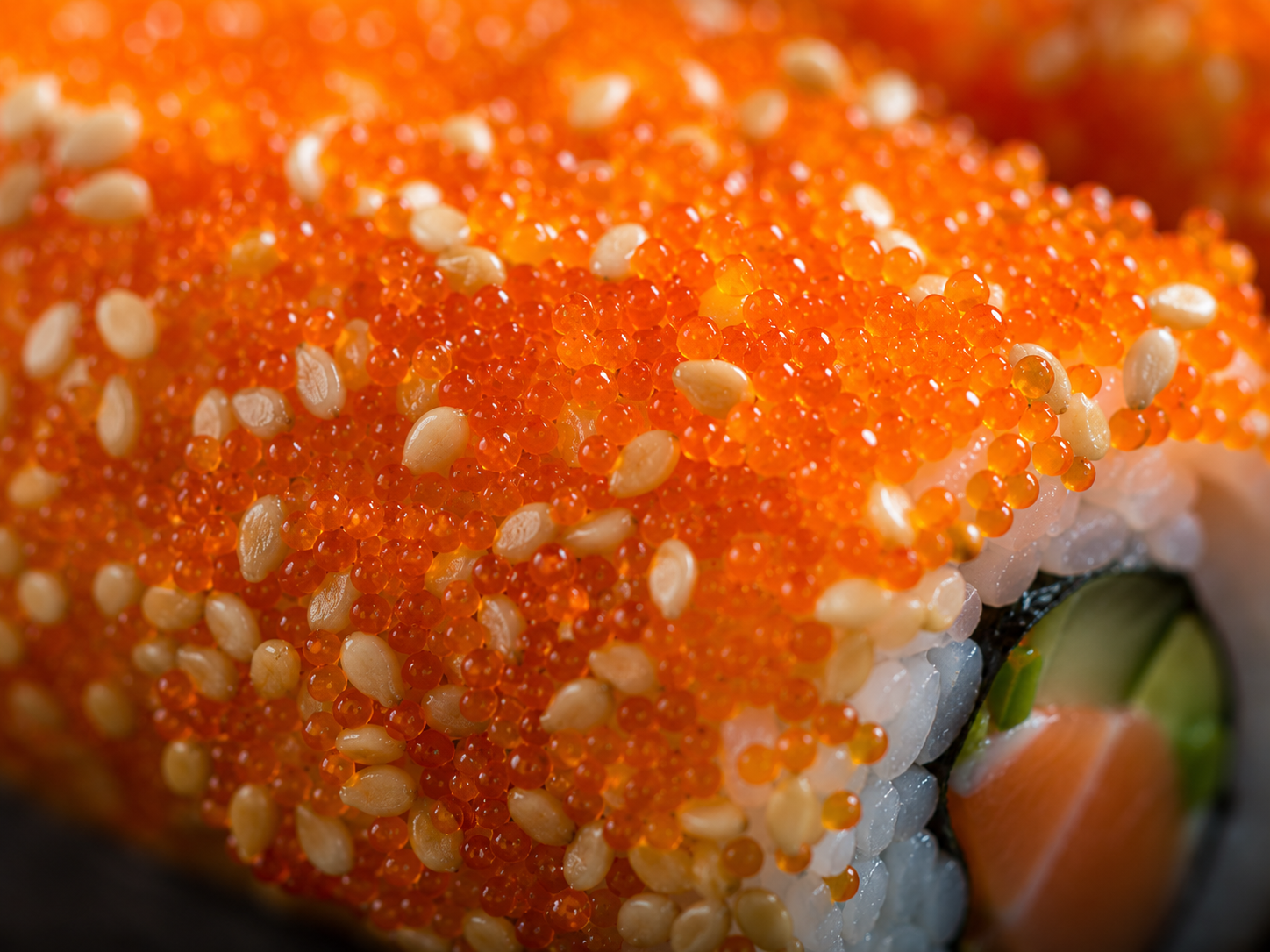
Selecting the right fish is the foundation of your sushi journey. It connects the technical skill of rolling with the sensory experience of tasting. By prioritizing safety and sustainability, you ensure that every piece you prepare is not only delicious but also responsible. This approach allows you to build a refined palate without compromising on ethics or health.
Taste and refine your palate
Most beginners treat sushi like a meal to be finished quickly, but it is better approached as a series of distinct sensory moments. You are tasting the specific balance of rice acidity, fish fat, and vinegar seasoning.
The ginger misconception
Pickled ginger (gari) is not a garnish or a side dish. It is a palate cleanser designed to reset your taste buds between different types of fish. Eating ginger after every bite dulls the flavor of the next piece. Instead, eat a small slice only when you want to clear the previous flavor to better appreciate the next one. If you are drinking sake or a highball, use the drink to wash away residual oil and acidity, which prepares your mouth for the next piece.
A tasting sequence
To truly develop your sushi palate, slow down. Use this simple checklist to guide your experience:
-
Smell the rice and fish before touching it.
-
Take a small bite, focusing on the texture of the rice.
-
Chew slowly to release the vinegar and soy notes.
-
Use ginger or a sip of drink to reset before the next piece.
This method transforms sushi from a quick snack into a refined tasting experience. Pay attention to how the rice temperature contrasts with the fish. Notice how the soy sauce amplifies the umami rather than masking it. By slowing down, you begin to distinguish between the delicate sweetness of hamachi and the rich oiliness of toro.
Pairing for clarity
Pairing drinks with sushi is about contrast, not competition. Strong, oily fish like salmon or unagi benefit from crisp, acidic drinks like seltzer with lemon or a dry white wine. These cuts through the fat. Leaner fish like tai or hirame pair well with lighter sakes or even green tea, which highlights their subtle sweetness. Avoid heavy, tannic red wines, which can clash with the fish and make it taste metallic.
The goal is to let the sushi shine. Your palate becomes more sensitive with practice. Start by tasting one piece without soy sauce, then with a light dip. This comparison teaches you how much seasoning the chef intended and sharpens your ability to detect quality ingredients.
Watch a rolling demo
Visual references bridge the gap between theory and muscle memory. Watching a professional roll reinforces the rhythm of the process, showing exactly how to handle the nori and rice without crushing the fillings.
The video below demonstrates proper rolling and slicing techniques. Observe the wrist movement during the final roll and the angle of the knife for clean cuts.
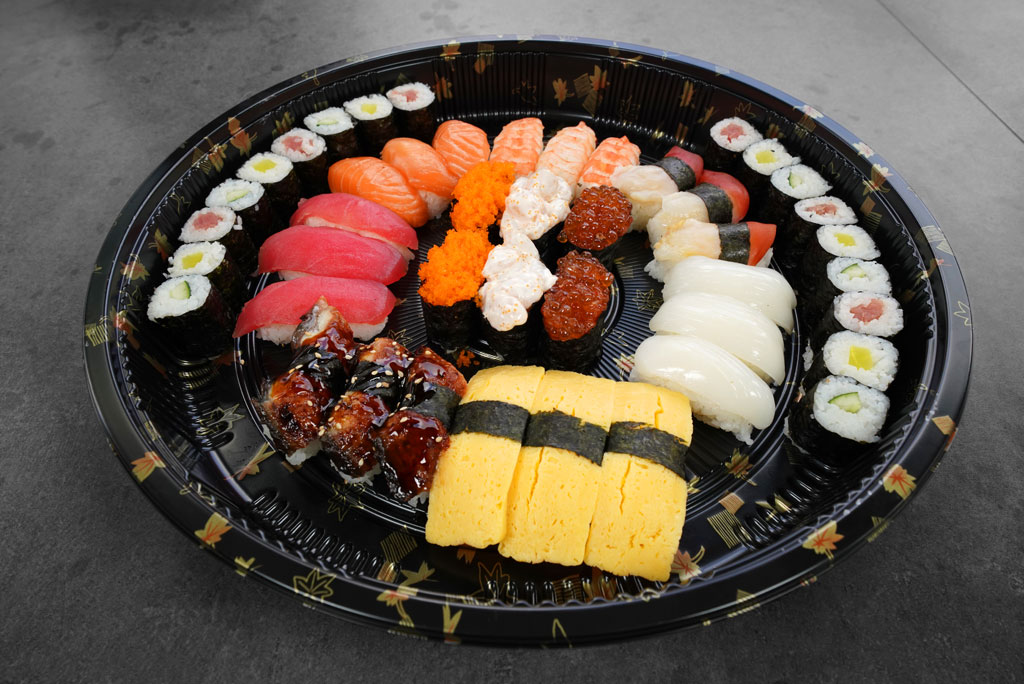
The image captures the finished result of a well-executed sushi palate. Notice the tight roll and the distinct layers of fish and rice, which indicate proper tension and technique.
Common sushi rolling mistakes
Even experienced hands fumble a roll now and then. The gap between a tight, clean maki and a loose, messy cylinder usually comes down to three variables: rice moisture, nori placement, and rolling pressure. Fix these, and your sushi palate will thank you for the structural integrity that lets the flavors shine without distraction.
Loose rolls
A loose roll falls apart when you don’t start tight. Place the nori shiny-side down and spread the rice evenly, leaving a one-inch strip at the top. When you begin rolling, use your fingers to tuck the filling firmly against the bottom edge. Apply gentle, consistent pressure as you roll forward; don’t squeeze the center, or the rice will burst out the sides. The final roll should feel snug, like a well-wrapped gift.
Soggy nori
Nori turns limp when it sits on wet rice too long. If you’re not rolling immediately, cover the nori with a damp towel to keep it crisp until the last second. When assembling, place the filling directly on the rice, not on the bare nori edge. This barrier keeps moisture from seeping into the seaweed too quickly. If the nori feels chewy or soft after rolling, it’s likely too old or was exposed to humidity. Use fresh sheets for that essential snap.
Uneven slices
A jagged cut ruins the presentation and texture. Use a sharp, thin-bladed knife and wipe it clean with a damp cloth between every slice. Cut with a smooth, downward sawing motion rather than pressing straight down. This prevents the rice from compressing or the fillings from shifting. Aim for uniform pieces so each bite delivers the same balance of rice, fish, and nori.
No comments yet. Be the first to share your thoughts!