

Why rolling shapes your sushi palate
Building a sushi palate starts with your hands. The physical act of rolling forces you to evaluate the ratio of ingredients, the tightness of the wrap, and the moisture level of the rice. When you roll, you are not just assembling food; you are engineering a bite where every component has a specific job.
The most critical skill you develop is texture balance. A well-rolled sushi piece should offer resistance from the nori, slight give from the rice, and the distinct snap or creaminess of the filling. If the roll is too tight, the rice becomes dense and masks the fish. If it is too loose, the ingredients separate, and you lose the cohesive flavor profile. This tactile feedback loop trains your tongue to recognize when a roll is technically sound.
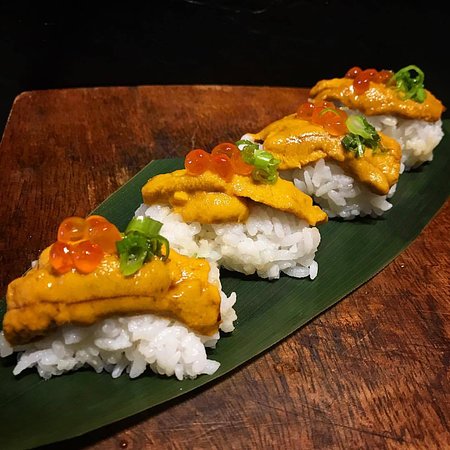
Ingredient quality becomes obvious when you roll it yourself. You learn to spot fish that is too soft or rice that has dried out. This knowledge transfers to how you taste sushi at a restaurant. You stop eating passively and start analyzing the construction. You notice if the chef used too much soy sauce to hide inferior fish, or if the rice temperature was perfect.
Rolling turns you into an active participant in your meal. You begin to appreciate the discipline required to make simple ingredients shine. This awareness sharpens your senses, allowing you to detect subtle nuances in flavor and texture that a casual eater might miss. Your palate evolves from simply enjoying food to understanding the craft behind it.
Choosing sustainable sushi ingredients
A refined sushi palate begins with the quality of the fish and produce. The best sushi relies on freshness, but sustainability ensures the flavor remains uncompromised for future generations. Selecting responsibly sourced ingredients also guarantees better texture and cleaner taste, as these fish are often handled with greater care from catch to plate.
When building your sushi repertoire, consider the environmental impact alongside flavor profiles. Some popular varieties are overfished, while others offer robust taste with lower ecological footprints. Understanding these differences helps you make informed choices that support both your palate and the ocean.
The following comparison highlights common sushi fish options, balancing taste, texture, and sustainability ratings to help you build a conscious sushi diet.
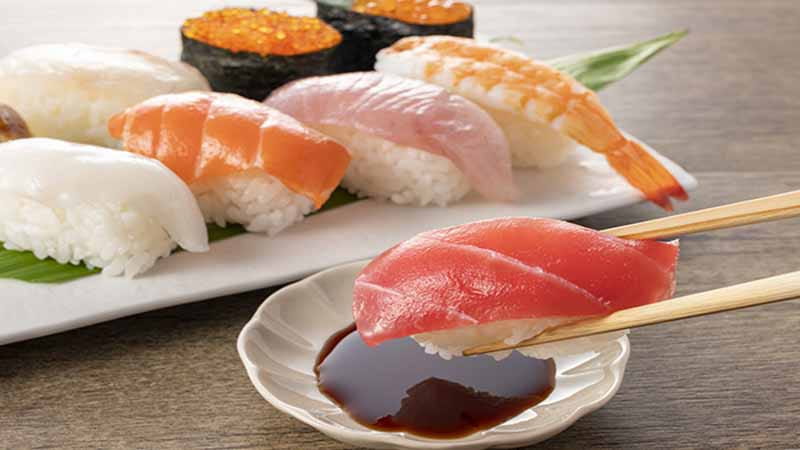
| Fish Type | Flavor Profile | Texture | Sustainability Status |
|---|---|---|---|
| Yellowtail (Hamachi) | Rich, buttery | Soft, melt-in-mouth | Vulnerable |
| Salmon (Sake) | Mild, fatty | Smooth, firm | Best Choice (Farmed) |
| Tuna (Maguro) | Deep, metallic | Dense, chewy | Overfished |
| Snapper (Tai) | Delicate, sweet | Flaky, tender | Good Alternative |
| Mackerel (Saba) | Strong, oily | Firm, rich | Sustainable |
Step-by-step rolling technique
Rolling sushi is a mechanical exercise in tension and alignment. The goal is to create a tight cylinder that holds its shape when sliced, exposing a clean cross-section of rice and filling. A loose roll collapses; a tight roll reveals the layers. This section focuses on the physical actions required to build that structure without crushing the ingredients inside.
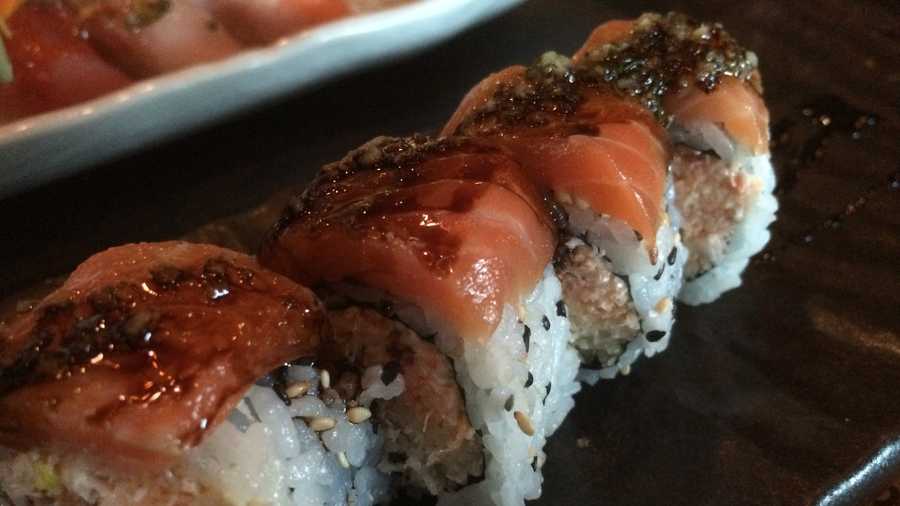
Before touching the rice, ensure your hands are wet with tezu (vinegar water) to prevent sticking. Place the bamboo mat (makisu) on a flat surface. If the mat is old or has gaps, wrap it in plastic wrap to keep rice grains from getting trapped in the slats. This preparation step ensures the rolling process remains smooth and uninterrupted.
Place a sheet of nori shiny-side down on the mat. Spread a thin, even layer of sushi rice over the surface, leaving a one-inch strip of bare nori at the top edge. This bare edge acts as the glue; without it, the roll will unravel during slicing. Press the rice gently but firmly to create a cohesive base that won't separate from the nori.
Place your fillings in a horizontal line across the center of the rice, just below the middle. Keep the line narrow; overfilling is the most common cause of a burst roll. For a sushi palate, this is where ingredient integrity matters most. Too much volume will force the rice apart, exposing the filling instead of encasing it in a perfect cylinder.
Lift the edge of the bamboo mat closest to you. Bring the nori over the fillings, tucking the edge of the nori just past the center of the roll. Use your fingers to hold the fillings in place while you complete this fold. Apply gentle pressure from the mat to secure the initial shape. This is the most critical moment for maintaining structural integrity.
Continue rolling the mat forward, lifting it away from you as you go to keep tension tight. Once the bare nori edge meets the rice, press firmly to seal the roll. Remove the mat and shape the cylinder by rolling it gently back and forth on the counter. This final shaping rounds the edges, ensuring a uniform bite that tastes consistent from start to finish.
Use a sharp, wet knife to cut the roll. Cut in half first, then align the halves side-by-side to cut into quarters. Finally, cut each quarter into three pieces for a total of twelve. Wipe the blade between cuts to prevent rice from dragging and distorting the shape. A clean cut preserves the visual appeal and ensures each piece holds together when picked up.
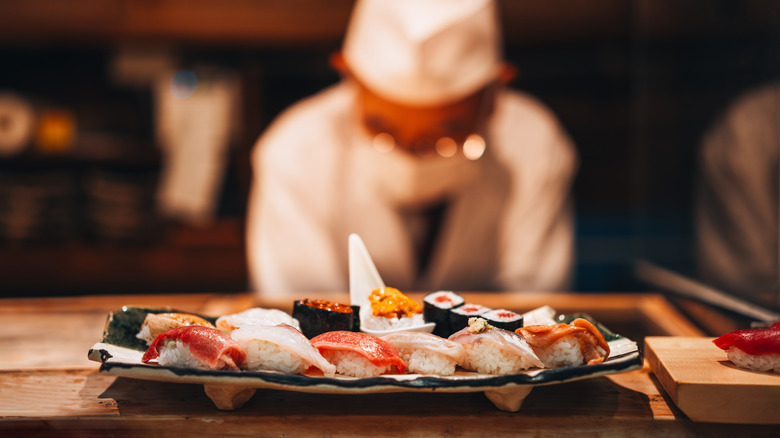
After rolling, your palate needs to reset before tasting. Pickled ginger (gari) is served to cleanse the tongue between different types of sushi, allowing you to appreciate the nuances of each piece without flavor fatigue. It is not a garnish for the roll itself, but a tool for maintaining a clear sushi palate throughout the meal.
Master the cucumber roll
Before chasing complex ingredients, build your palate on the hosomaki. This foundational roll relies on balance rather than abundance. You are training your hands to handle sticky rice and your taste buds to detect the clean crunch of fresh vegetables against the mild umami of nori.
The cucumber roll teaches you the essential ratio of rice to filling. It forces you to focus on the seal and the cut, which are the two most common failure points for beginners. Once you can roll this cleanly, you have unlocked the technique for every other style of sushi.
This simple roll highlights the texture of the rice and the freshness of the vegetable. It is the perfect starting point for developing a refined sushi palate.
How to Taste Sushi Properly
Eating sushi is less about speed and more about sequencing. To build a refined sushi palate, you need to treat each piece as a distinct flavor profile rather than a continuous stream of rice and fish. The goal is to taste the nuance of the nigiri or the balance of the roll without interference from the previous bite.
The Role of Ginger and Wasabi
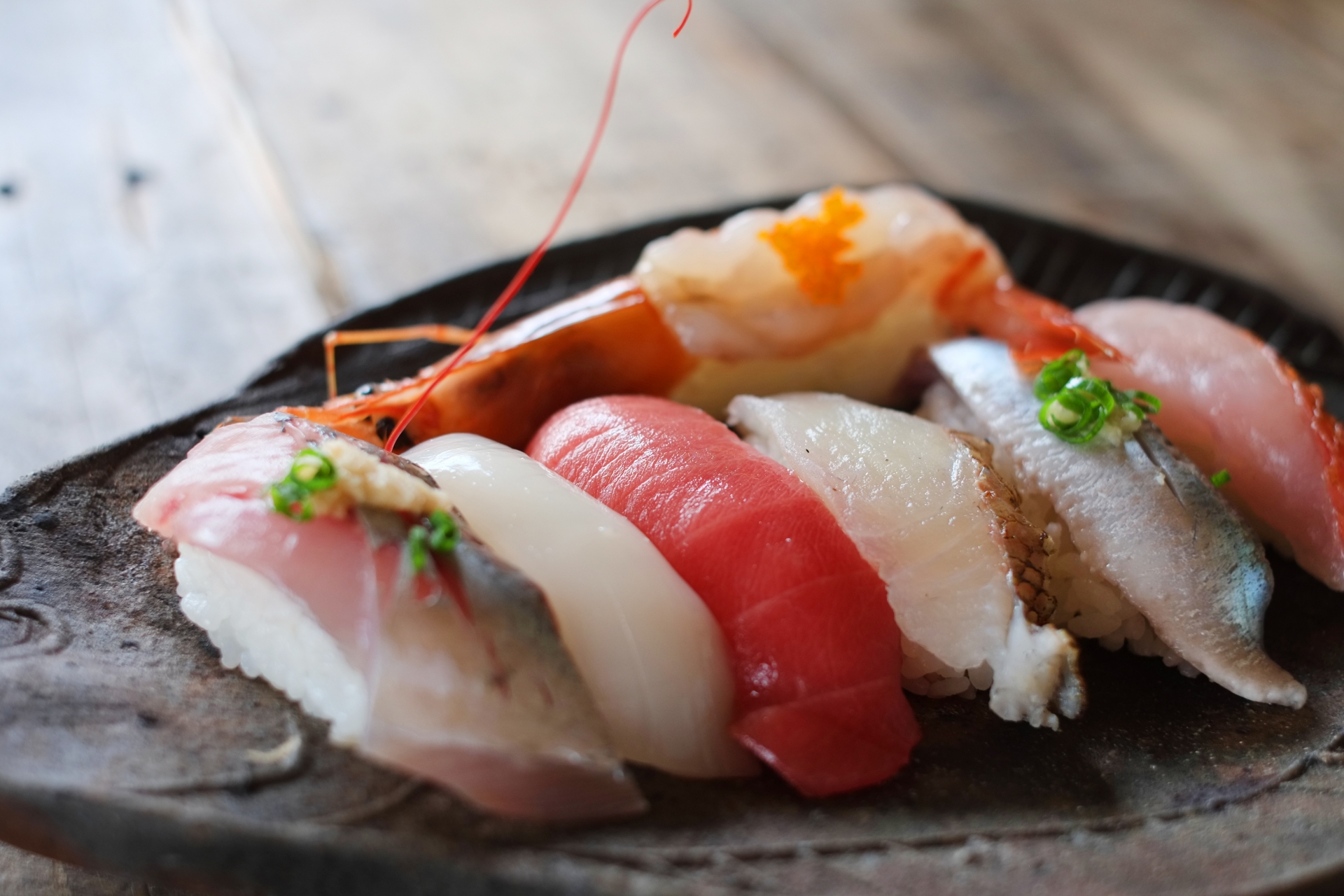
Pickled ginger (gari) is not a garnish; it is a functional tool. Its sharp, sweet vinegar profile acts as a reset button for your taste buds. Use a small slice of ginger between different types of fish—moving from delicate white fish to richer tuna, for example—to clear residual oils and allow the next piece to shine.
Wasabi should be used sparingly. A small amount on the fish adds heat that highlights freshness, but too much numbs the tongue and masks the subtle flavors of the seafood. Think of it as a spice, not a condiment to drown the sushi in.
Proper Etiquette for Flavor
To maximize appreciation, follow these simple rules:
-
Turn nigiri sideways so the fish touches the soy sauce, not the rice.
-
Use ginger between varieties to reset your palate.
-
Dip fish-side down to prevent rice from absorbing too much salt.
-
Eat each piece in one bite to maintain texture integrity.
By controlling the flow of flavors and respecting the integrity of each component, you transform a meal into a sensory experience.
Common questions about sushi tasting
Many people wonder how to properly navigate a sushi meal without overwhelming their senses. Understanding the role of each component helps you appreciate the delicate balance of flavors in every piece.
No comments yet. Be the first to share your thoughts!