

Source sustainable sushi-grade fish
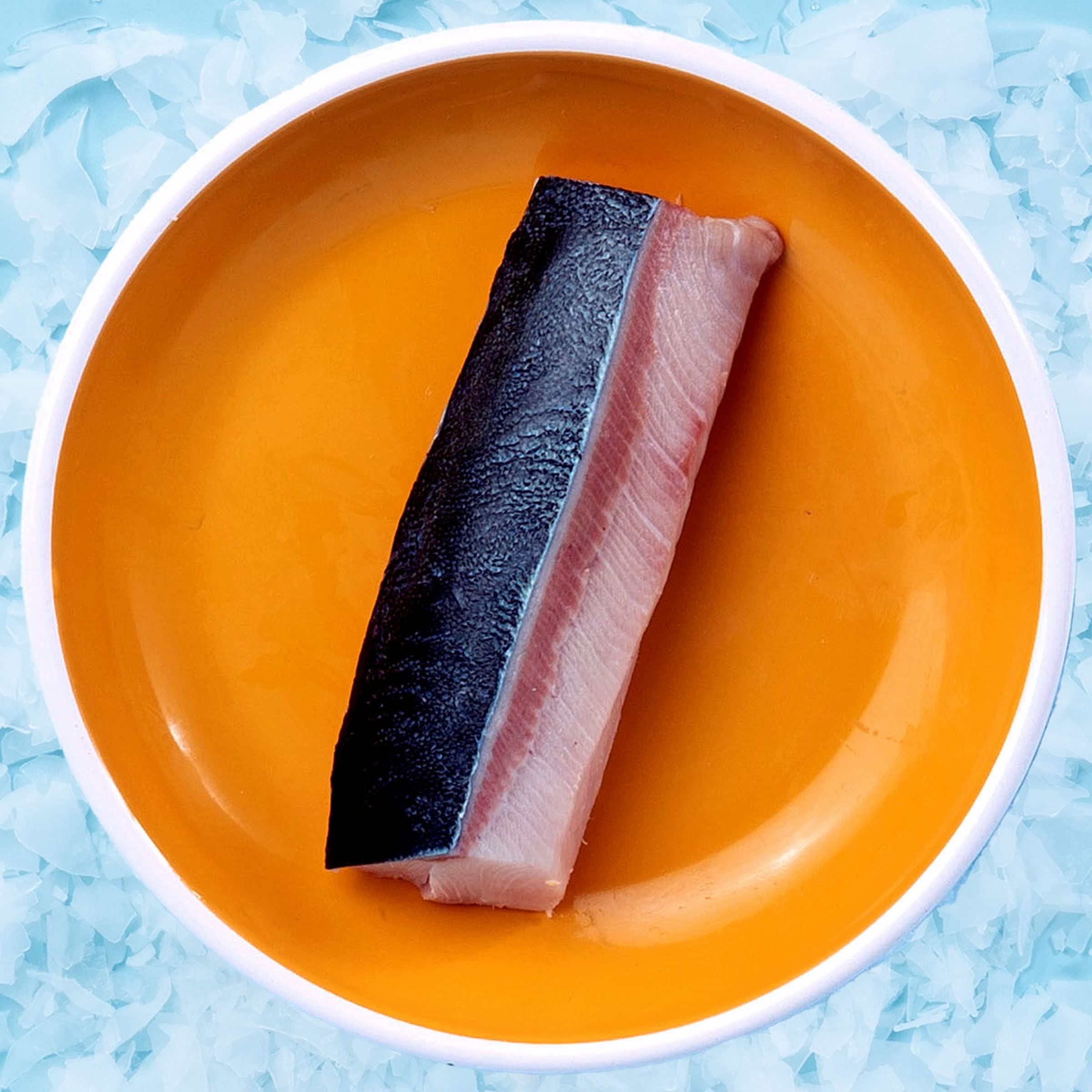
Building a sushi palate begins with the raw ingredient. You cannot appreciate the subtle nuances of rice vinegar or the heat of wasabi if the primary flavor profile is compromised. For a home cook, the quality of your fish is the single most important variable. Sustainable sourcing guarantees freshness and safety, ensuring the fish retains its structural integrity and delicate flavor notes.
When selecting fish, look for "sashimi-grade" or "sushi-grade." These terms indicate the supplier has frozen the fish at extremely low temperatures to kill parasites, a critical safety step for raw consumption. This process also preserves texture. Avoid fish that smells overly "fishy" or has discolored edges. Fresh fish should have a clean, oceanic scent and firm flesh that springs back when gently pressed.


As an Amazon Associate, we may earn from qualifying purchases.
Prepare the rice and nori correctly
Rice acts as the primary flavor carrier, balancing the acidity of the vinegar with the subtle sweetness of the grain. If the rice is too sticky, it clumps and masks the fish; if it is too dry, it fails to hold the roll. Mastering rice preparation is the first step in tasting like a pro.
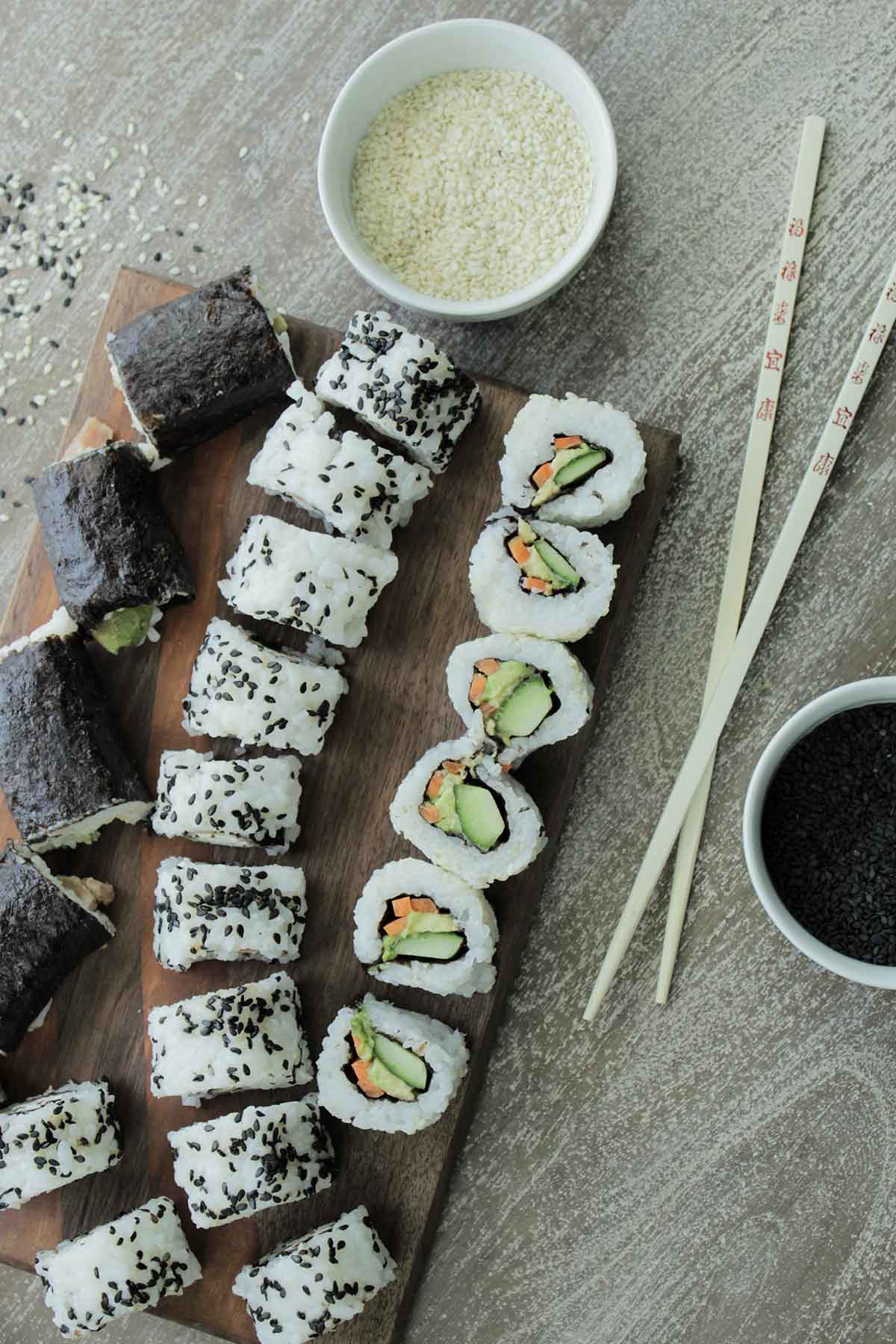
Rinse short-grain Japanese rice in cold water until it runs clear. This removes excess surface starch, preventing a gummy mass. Soak the rice for thirty minutes before cooking to ensure even hydration and a tender, uniform texture.
Cook the rice using a precise water-to-grain ratio. While still hot, fold in a mixture of rice vinegar, sugar, and salt. Use a cutting motion with a rice paddle to mix without crushing the grains. Let the rice cool to room temperature, fanning it to create a glossy finish.
Briefly toast the nori sheets over a low flame to restore crispness and enhance umami flavor. Cut the sheets to size before assembling. The nori should provide a clean snap, ensuring the structural integrity of the roll.
| Criterion | Good Result | Poor Result |
|---|---|---|
| Texture | Grains are separate but cling together | Grains are mushy or powdery |
| Temperature | Room temperature (body heat) | Hot (burns hands) or cold (stales) |
| Nori | Crisp and aromatic | Chewy or stale |
Roll the sushi with even pressure
The roll itself defines the sushi palate. If the structure is uneven, flavors collapse into a mushy bite rather than delivering distinct layers. The goal is a tight cylinder that holds its shape when sliced, allowing each piece to stand on its own.
Lay the nori sheet shiny-side down. Wet your hands to prevent sticking, then take a ball of sushi rice and spread it across the nori, leaving about an inch of space at the top edge. Use your fingertips to press the rice flat and smooth. Avoid dragging the rice, which can tear the nori or make the layer too thick in the center.
Arrange fillings—such as cucumber, avocado, or tuna—in a straight line across the center of the rice. Keep the pile low. If you stack ingredients too high, the roll will burst open when you apply pressure. Precision here ensures a clean cross-section that highlights the contrast between ingredients.
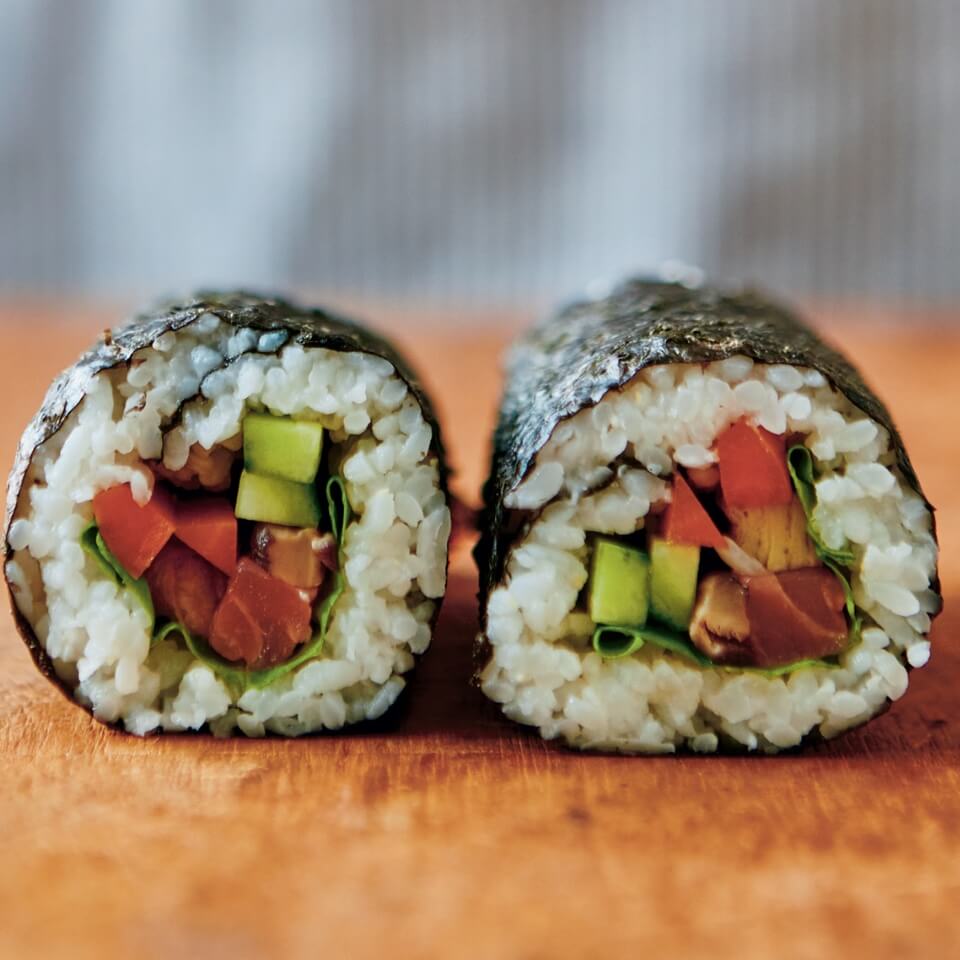
Lift the edge of the bamboo mat closest to you. Use your thumbs to hold the fillings in place while your fingers lift the nori over them. Tuck the nori tightly over the fillings, creating an initial seal. Keep the mat pressed against the roll to maintain a cylindrical shape. Do not squeeze yet; just establish the form.
Once the roll is formed, use the mat to apply gentle but firm pressure along the entire length. Roll the mat back and forth slightly to compact the rice and ensure the nori adheres to itself. Check for gaps or loose edges. The roll should feel solid but not crushed. This step is critical for the texture that defines a professional sushi palate.
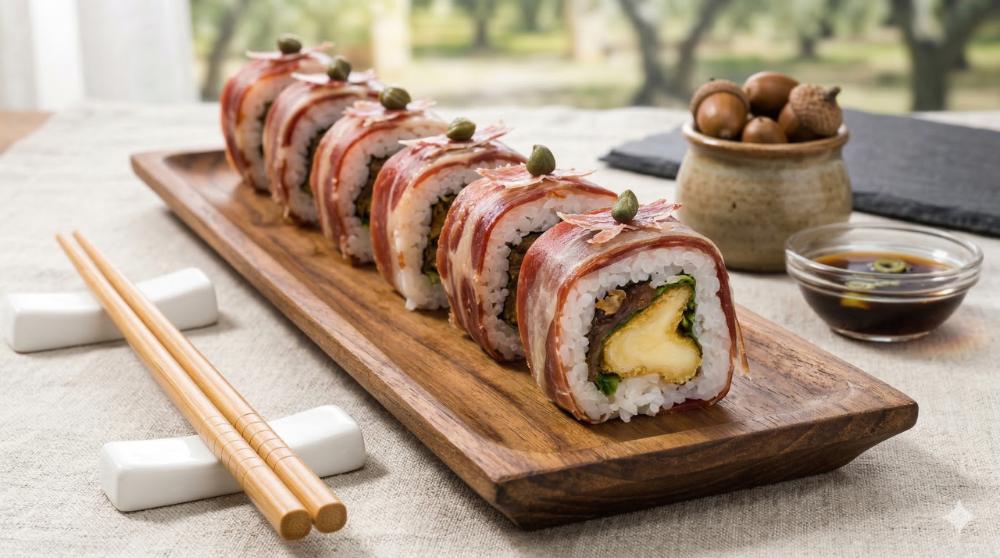
Dampen the remaining inch of nori with water to act as glue. Finish rolling the mat over the seal to ensure it sticks. Gently squeeze the roll one last time to round out any flat sides. Place the roll seam-side down on a cutting board. Let it rest for a minute to set before slicing.
Reset your palate between bites
Most people assume pickled ginger (gari) cleanses the palate. In reality, it acts as a flavor bridge. The ginger is pickled in sweet vinegar and has a strong, lingering pungency that can overpower the delicate finish of the next piece of sushi, especially lighter fish like white fish or eel. Relying on it creates a repetitive cycle of sweet-spicy interference rather than a neutral reset.
To truly build a sushi palate, you need a neutralizer that clears the tongue without adding its own dominant flavor profile. The traditional and most effective method is a small sip of warm, unsweetened green tea, specifically hojicha or genmaicha. These roasted teas contain tannins that gently cut through the richness of the rice and fish oils, washing away the previous flavor and leaving the taste buds sharp and ready for the next piece.
If tea is not available, avoid sweet cocktails. Instead, opt for a highball or a dry sake. The carbonation in a highball physically scrubs the palate, while the dryness of the sake provides a clean, sharp contrast that prepares you for the next bite without the cloying sweetness of other drinks.
Check your roll before serving
Before plating, treat the roll like a final proofread. The visual integrity dictates the expectation of the bite. If the structure is compromised, the delicate balance of rice and fish will collapse.
Inspect the seal
The ends of your roll should be tight. If the nori is loose or the rice is oozing out, the structural integrity is failing. This often happens if the bamboo mat wasn't tightened enough during rolling. A loose roll breaks apart on the chopsticks. Ensure the seam is sealed and the shape is cylindrical, not flat or lopsided.
Check the rice texture
Look closely at the grains. They should be glossy and distinct, not mushy or dry. If the rice is clumping together in large, wet masses, you used too much water or vinegar. If it looks pale and dusty, it dried out before rolling. A proper sushi palate recognizes this texture immediately. The rice should hold its shape but yield gently to the bite, acting as a neutral canvas for the fish.
The tasting sequence
Once the roll is sliced, the tasting ritual begins. Start with a clean bite to appreciate the balance of the roll itself. Then, use the pickled ginger to reset your palate. This pause between bites is what separates a casual eater from a sushi connoisseur.
Final quality checklist
Use this quick list to ensure your roll meets professional standards before serving.
- Seam integrity: The nori edge is sealed tight with no gaps.
- Uniform slices: Each piece is cut cleanly without crushing the rice.
- Rice gloss: Grains are shiny and separate, not sticky or dry.
- Nori crispness: The seaweed is still slightly crisp, not soggy from moisture.
Common sushi rolling mistakes
Even experienced rollers encounter hiccups that can dull the sushi palate experience. A soggy nori sheet or uneven cuts can distract from the delicate balance of rice and fish.
Soggy nori and wet rice
Nori absorbs moisture quickly, turning limp and unpleasantly chewy if it sits on wet rice for too long. Keep your nori sheets dry until the moment you are ready to roll. When spreading rice, use a light hand and leave a small border at the top edge to seal the roll. This prevents moisture from seeping into the seaweed during the rolling process.
Uneven cuts and messy shapes
A jagged cut exposes the rice and ruins the clean presentation of a maki roll. Use a sharp, serrated knife and wipe the blade with a damp cloth between every slice. This prevents rice from sticking and ensures each piece looks uniform. Uniform slices not only look professional but also break evenly in the mouth, preserving the intended texture of each ingredient.
Overfilling the roll
Packing too much filling into the roll causes it to burst open or become difficult to slice. Leave enough space around the edges for the nori to hold everything together. A balanced roll allows the rice, fish, and vegetables to work in harmony rather than competing for space. This balance is essential for a refined sushi palate.

Frequently asked questions about sushi
Building a sushi palate relies on balancing technique and timing. The following questions address common hurdles in rolling and tasting.
No comments yet. Be the first to share your thoughts!