

Sushi 101: A Beginner's Journey into the Art of Sushi 🍣
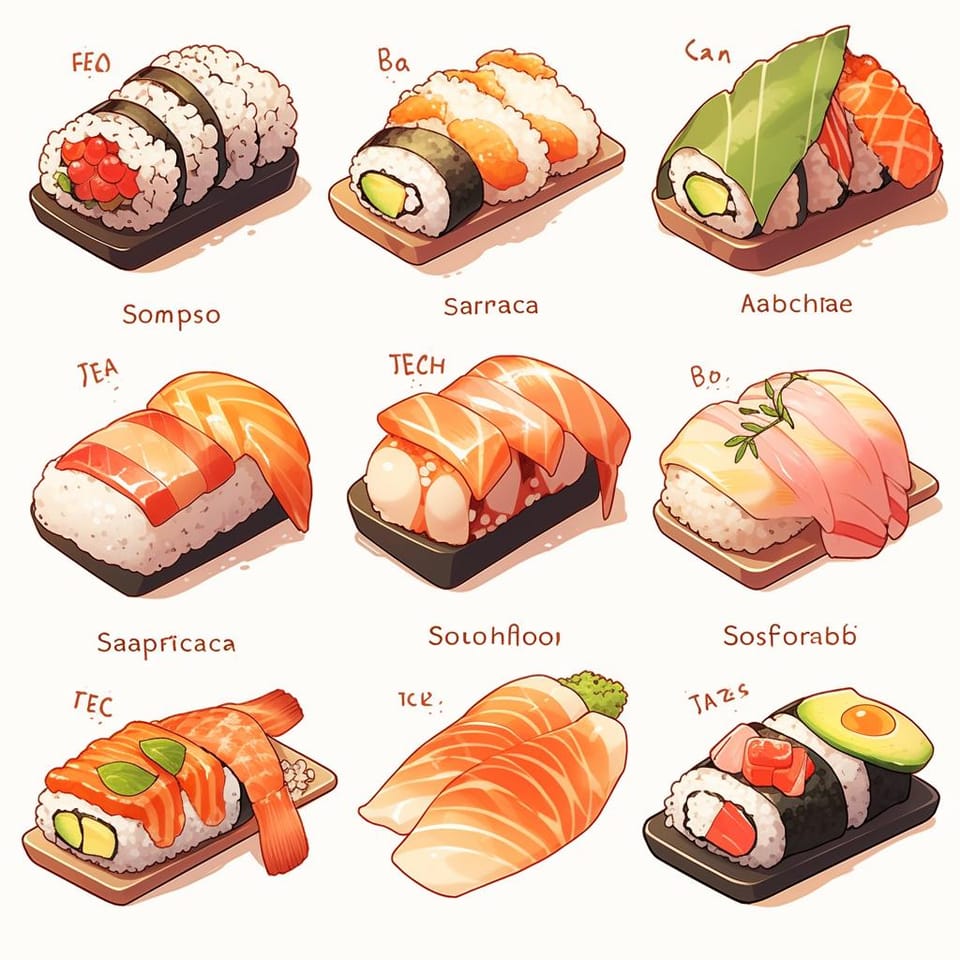
What if I told you that sushi is more than just a roll of rice, seaweed, and fish? What if I told you that sushi is an art form, steeped in tradition, and bursting with flavors as diverse as the islands of Japan itself? Welcome, dear reader, to your sushi guide, a journey that will help you become a sushi connoisseur.
Picture this: it's the 8th century, Japan. Sushi was born not as a delicacy, but as a method of preserving fish in fermented rice. Yes, you heard it right! The sushi we know and love today has come a long way from its humble beginnings. But how did this transformation happen? Let's find out.
Over the centuries, sushi evolved, with the Japanese perfecting the art of creating bite-sized pieces of heaven. Today, it is a symphony of flavors and textures that captivates the palate and nourishes the soul. Intrigued? Buckle up, because we're just getting started on this sushi for beginners journey!
Building Blocks of Sushi: Rice, Nori, and Sushi-Grade Fish 🍚🐟
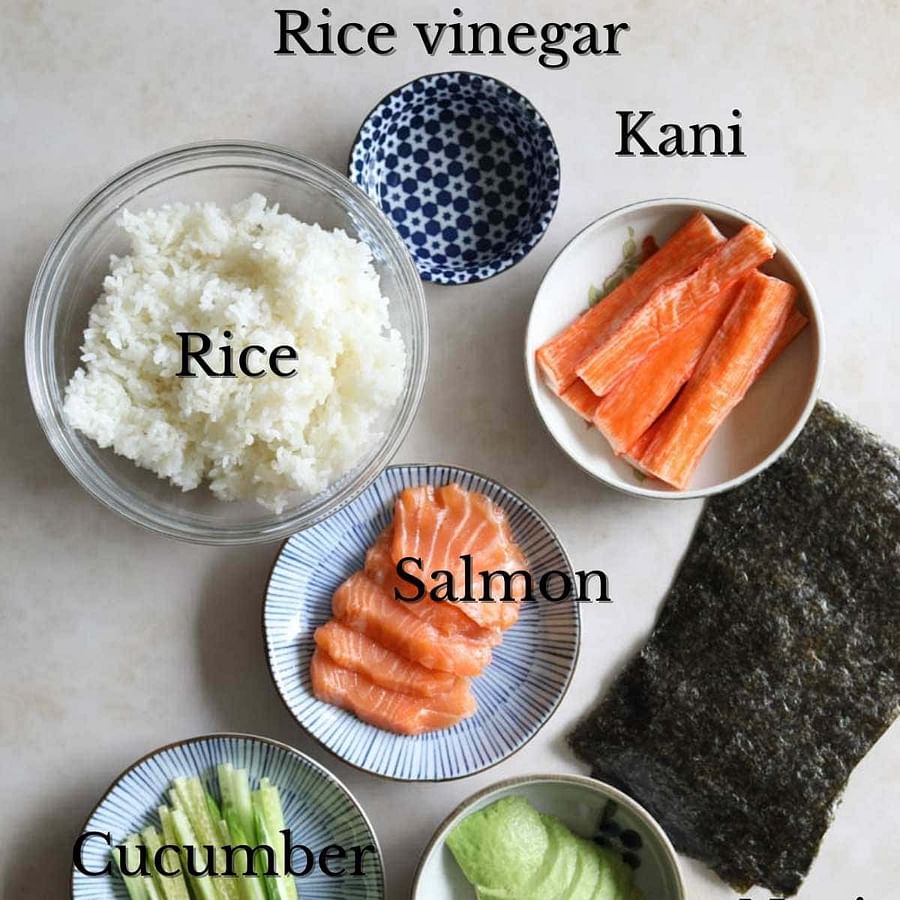
Ever wondered why sushi tastes so heavenly? The secret lies in the trio of its core ingredients: sushi rice, nori, and sushi-grade fish. Let's embark on a delicious journey to understand these essentials, shall we?
Sushi rice, the unsung hero, is no ordinary rice. It's short-grain Japanese rice seasoned with a tantalizing blend of rice vinegar, sugar, and salt. The result? A slightly sticky, sweet and sour base that binds the sushi together and complements the toppings.
Next in line is nori, a type of seaweed dried into thin, black sheets. It's the emerald-green wrapper that adds a subtle oceanic flavor, and a satisfying crunch to your sushi bite.
Finally, the star of the show: sushi-grade fish. This isn't just any fish from the market, oh no. It's a high-quality, super fresh fish, often flash frozen to kill parasites, ensuring it's safe to consume raw. From the buttery texture of salmon to the delicate sweetness of yellowtail, each variety offers a unique taste experience.
Armed with this knowledge, you're one step closer to becoming a sushi connoisseur. Ready to dive deeper into the world of sushi?
Unraveling the Sushi Roll: A Guide to Different Sushi Types 🍥
What is Nigiri Sushi? A Bite-Sized Guide 🍣
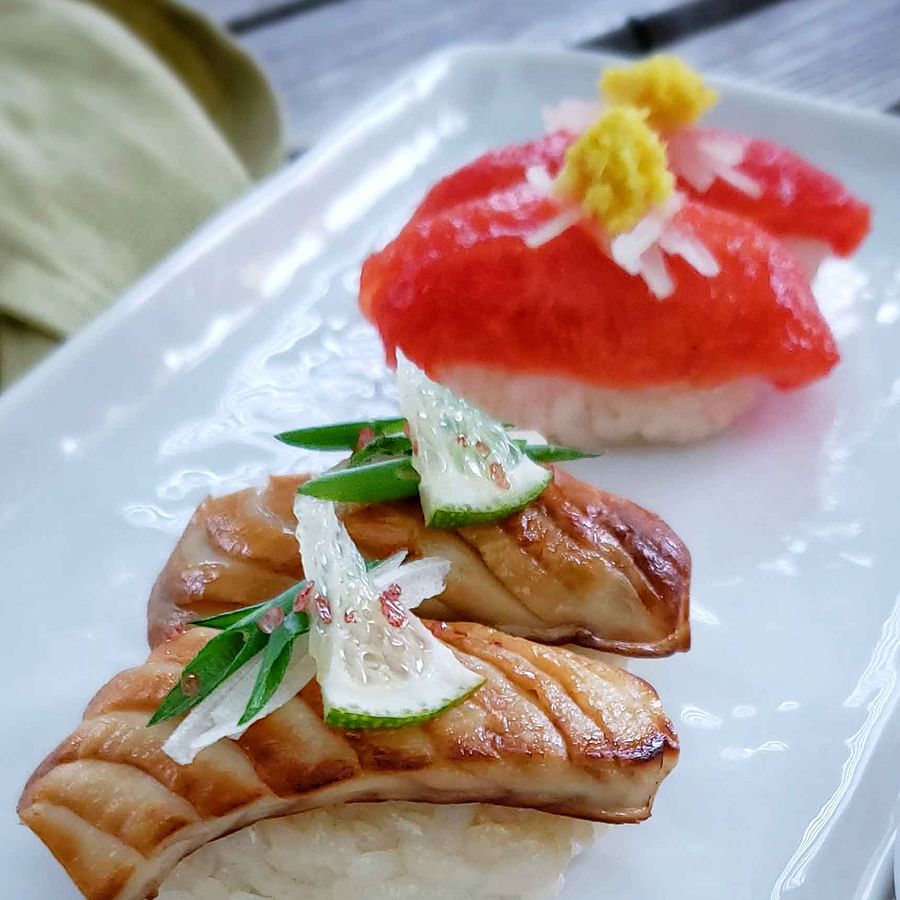
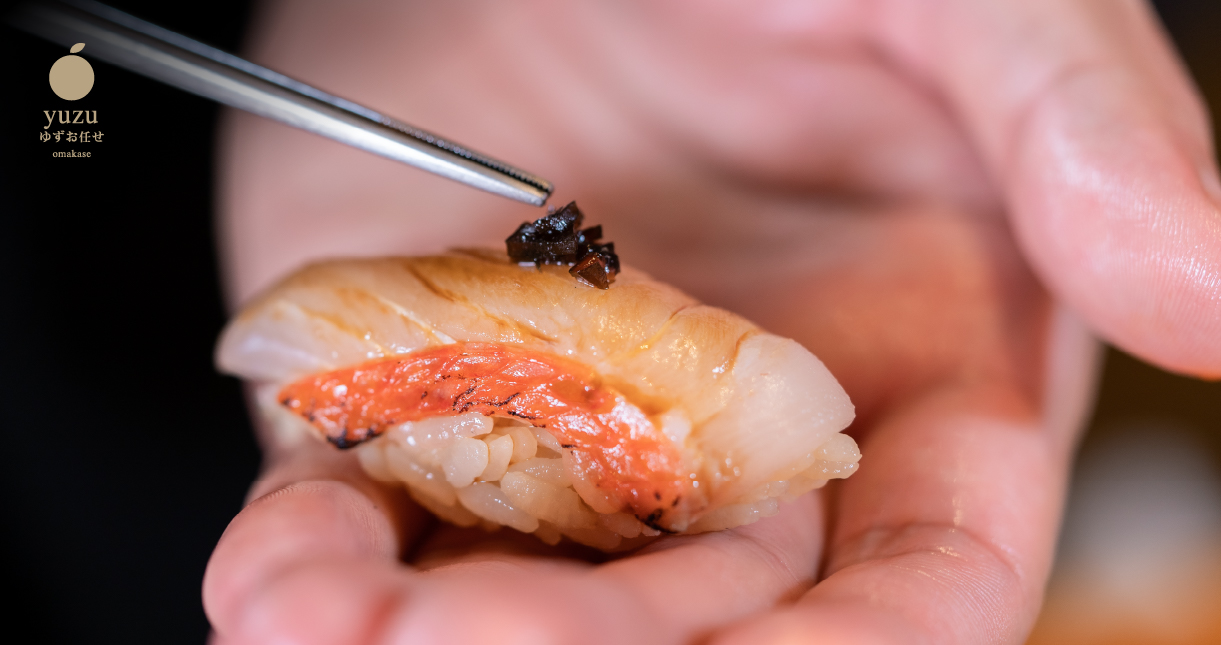
Imagine a delicate, bite-sized morsel of sushi, where the star of the show is a sliver of top-quality, sushi-grade fish draped elegantly over a thumb-sized mound of perfectly seasoned sushi rice. This, my fellow sushi enthusiasts, is Nigiri, the epitome of sushi simplicity and elegance. It's a sushi style that lets the freshness and flavor of the fish shine, with the rice playing a humble yet crucial supporting role.
But wait, what if you're not a fan of raw fish? Fear not! Nigiri isn't limited to raw fish alone. It comes in various guises to cater to different palates. You might find Nigiri topped with cooked shrimp (Ebi), grilled eel drizzled with a sweet sauce (Unagi), or even a thin slice of tamagoyaki, the sweet Japanese omelette. And let's not forget the vegetarian-friendly options like avocado or pickled radish Nigiri. Who knew becoming a sushi connoisseur could be such a delightful journey?
So, if you're just dipping your toes into the vast ocean of sushi, Nigiri is a fantastic place to start. It offers a pure, unadulterated sushi experience. A perfect harmony between fish and rice. After all, isn't that what sushi is all about?
Maki Sushi: The Art of Rolling and Filling 🌀
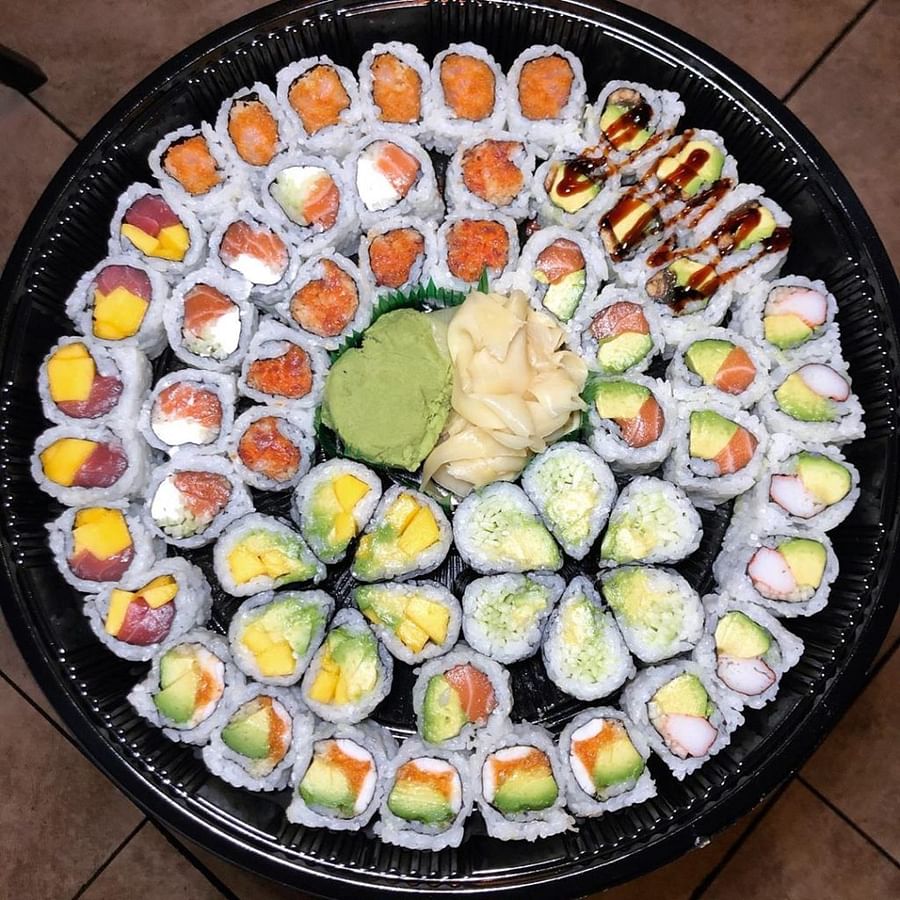
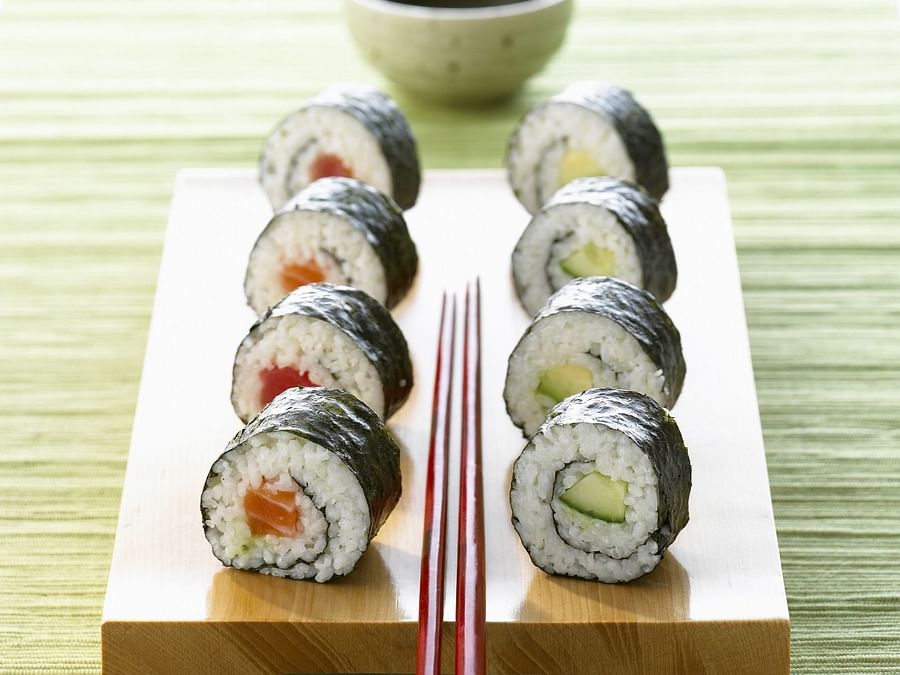
Now, let's roll into the world of Maki sushi, a delightful cornerstone of the sushi universe. This sushi style, a favorite among many, is the art of rolling and filling that will make you fall in love with sushi all over again. Want to become a sushi connoisseur? Well, understanding Maki is your first step.
So, what exactly is Maki? Imagine a canvas of sushi rice and nori, painted with a palette of vibrant fillings, then rolled into a cylindrical masterpiece. That's Maki for you! It comes in numerous variations, each with its own unique personality. There's the Hosomaki (thin roll), Futomaki (thick roll), Uramaki (inside-out roll), and Temaki (hand roll), to name a few.
And the fillings? Oh, the fillings! From the classic cucumber and tuna to the exotic eel and tempura shrimp, the possibilities are endless. Ever wondered what is nigiri sushi? Well, keep reading because that's up next in our sushi for beginners guide.
So, are you ready to take your sushi game to the next level? Remember, every sushi journey begins with a single roll. Let's continue our adventure in the world of sushi!
Sashimi: Raw Delight in Every Slice 🍣🔪
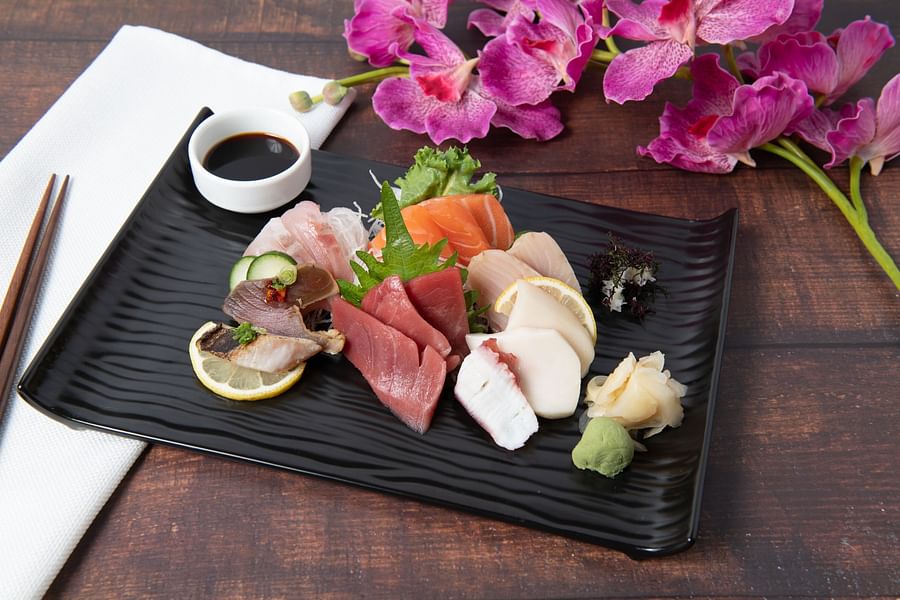
Stepping into the realm of sashimi, we're leaving behind the comfort of rice and seaweed. Sashimi is a testament to the purity of sushi, a raw, unadorned spectacle of taste and texture. So, what is sashimi, you ask? It's simple, yet profound - just thin slices of raw, sushi-grade fish or seafood.
But don't be fooled by sashimi's apparent simplicity. The artistry lies in the precision of the cut, the freshness of the fish, and the delicate balance of flavors. Each slice is a haiku, a brief, intense burst of umami that leaves you yearning for more.
There are countless variations of sashimi, each offering a unique flavor profile. From the buttery richness of salmon sashimi to the delicate sweetness of yellowtail, there's a sashimi for every palate. And then there's the king of sashimi - the bluefin tuna, or toro. Its marbled texture and melt-in-your-mouth flavor make it a favorite among sushi connoisseurs.
So, are you ready to take your sushi journey to the next level? Sashimi awaits you.
Sushi Etiquette: How to Savor Sushi Like a Pro 🥢
As you embark on your journey to become a sushi connoisseur, it's crucial to understand the sushi etiquette. The art of consuming sushi is as rich and textured as the dish itself. So how should you proceed?
First, let's talk about order. Start with the lighter, more delicate flavors, like a cucumber roll or what is nigiri sushi, before venturing into the stronger, more robust ones. This progression allows your palate to appreciate each unique taste without being overwhelmed.
Now, onto the condiments. Soy sauce, wasabi, and ginger aren't just there for decoration. They play an essential role in the sushi experience. But remember, moderation is key. Over-soaking your sushi in soy sauce is akin to drowning a fine wine in water. And the wasabi? It's not a dare. Use just enough to highlight the sushi's flavor, not overpower it. As for the ginger, it's your palate cleanser between bites, allowing each piece to shine on its own.
With these tips in your sushi guide, you're well on your way to mastering the art of sushi consumption. Ready to dive into the different types of sushi? Let's go!

Become a Sushi Maestro: Your DIY Sushi Guide 🍣🏠
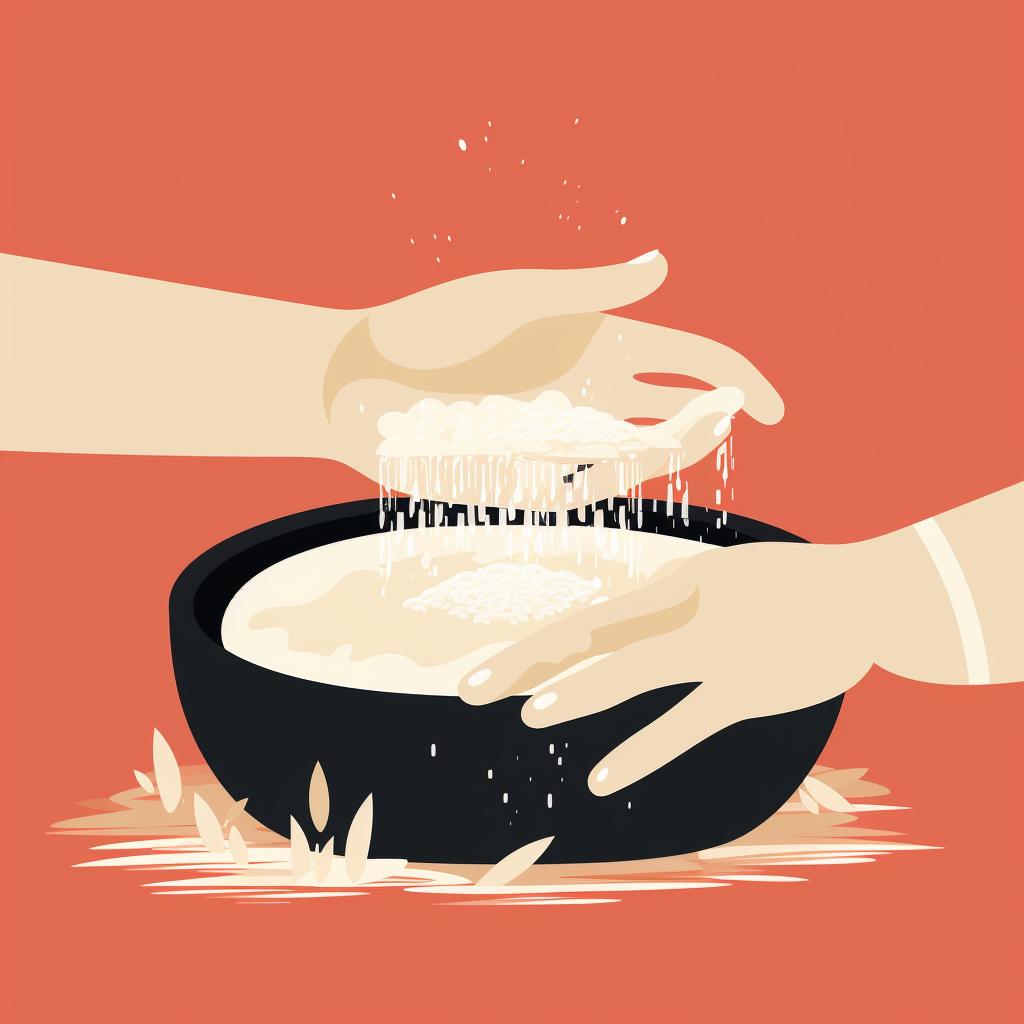
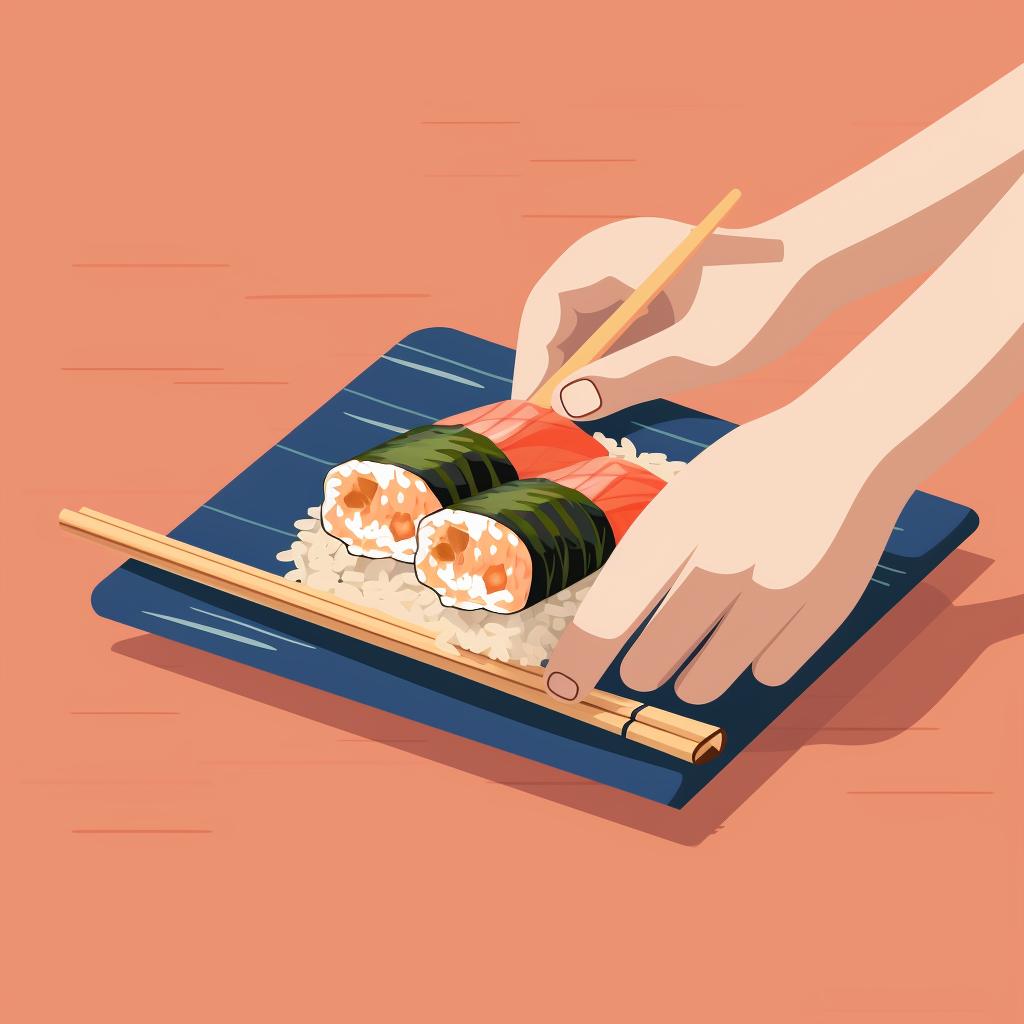
Now that you're familiar with the different types of sushi, let's dive into the exciting part - making sushi at home. Here's a simple, step-by-step guide to help you master the art of sushi making:
Master the Art of Sushi Making: A Beginner's Guide

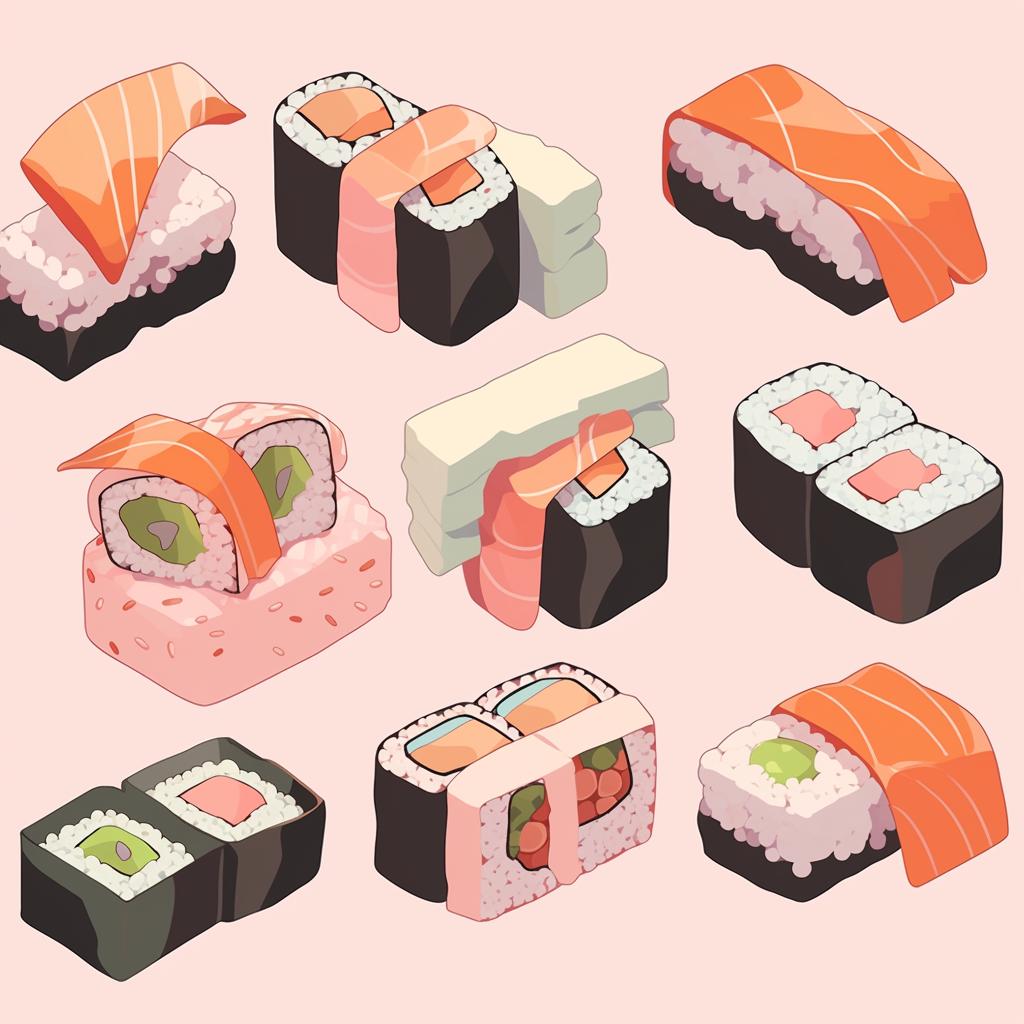
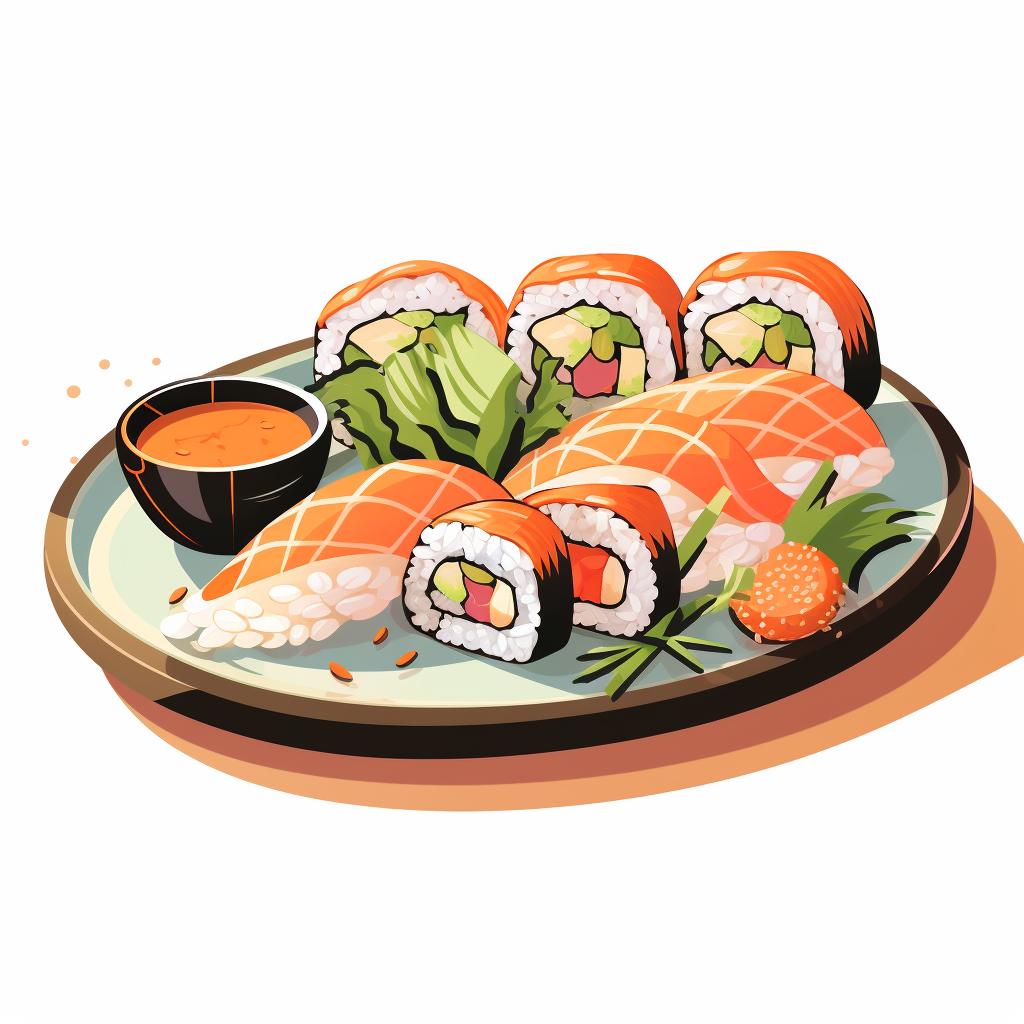
Learn more about 🍣 Master the Art of Sushi Making: A Beginner's Guide or discover other Sushi Palate guides.
Congratulations! You've just made your first sushi roll. Practice makes perfect, so don't be discouraged if your first few attempts don't turn out perfect. Keep trying, and soon you'll be a sushi-making pro. Now, let's move on to some frequently asked questions about sushi.
Sushi Queries Answered: Your Burning Questions about Sushi 🍣❓
Before we put your sushi knowledge to the test, let's clear up some common questions you might have about sushi.
Now that we've answered some common sushi queries, let's see how much you've learned. Ready for a fun sushi quiz?
Are You a Sushi Whiz? Take the Quiz! 🍣🎓
Sushi Whiz Quiz
Test your sushi knowledge with this fun quiz!
Learn more about 🍣 Take the Sushi Whiz Quiz and Test Your Sushi Knowledge 🍣 or discover other Sushi Palate quizzes.
Your Sushi Journey: A Recap of Your Culinary Adventure 🍣🌏
And so, dear reader, we find ourselves at the end of our sushi-laden adventure. We've navigated the culinary seas, unlocking the mysteries of these tiny, tantalizing parcels of joy. From understanding what is nigiri sushi to becoming a sushi connoisseur, we've journeyed together, picking up our sushi guide and amassing a wealth of knowledge.
Remember the thrill of unraveling the different types of sushi? The intrigue of their origins, the beauty of their assembly, and the sheer delight of their diverse flavors? Sushi for beginners? Not anymore, my friend. We've delved into the sushi realm, and emerged as enlightened enthusiasts, well-versed in the art of sushi appreciation.
Yet, our expedition doesn't end here. This is but the first step to becoming a true sushi aficionado. Take your newfound knowledge, explore the world of sushi further, and perhaps, even try your hand at crafting your own. With every bite, every roll, every slice, remember - sushi isn't just food, it's an experience. Now, go forth and continue your journey into the captivating world of sushi.
No comments yet. Be the first to share your thoughts!