

What defines a refined sushi palate
A refined sushi palate is not about memorizing a menu; it is about training your senses to detect nuance in rare ingredients. While salmon and avocado rolls offer comfort, they rarely challenge the tongue. Moving beyond these basics requires shifting your focus to the subtle interplay of fat, acidity, and texture found in specialty fish.
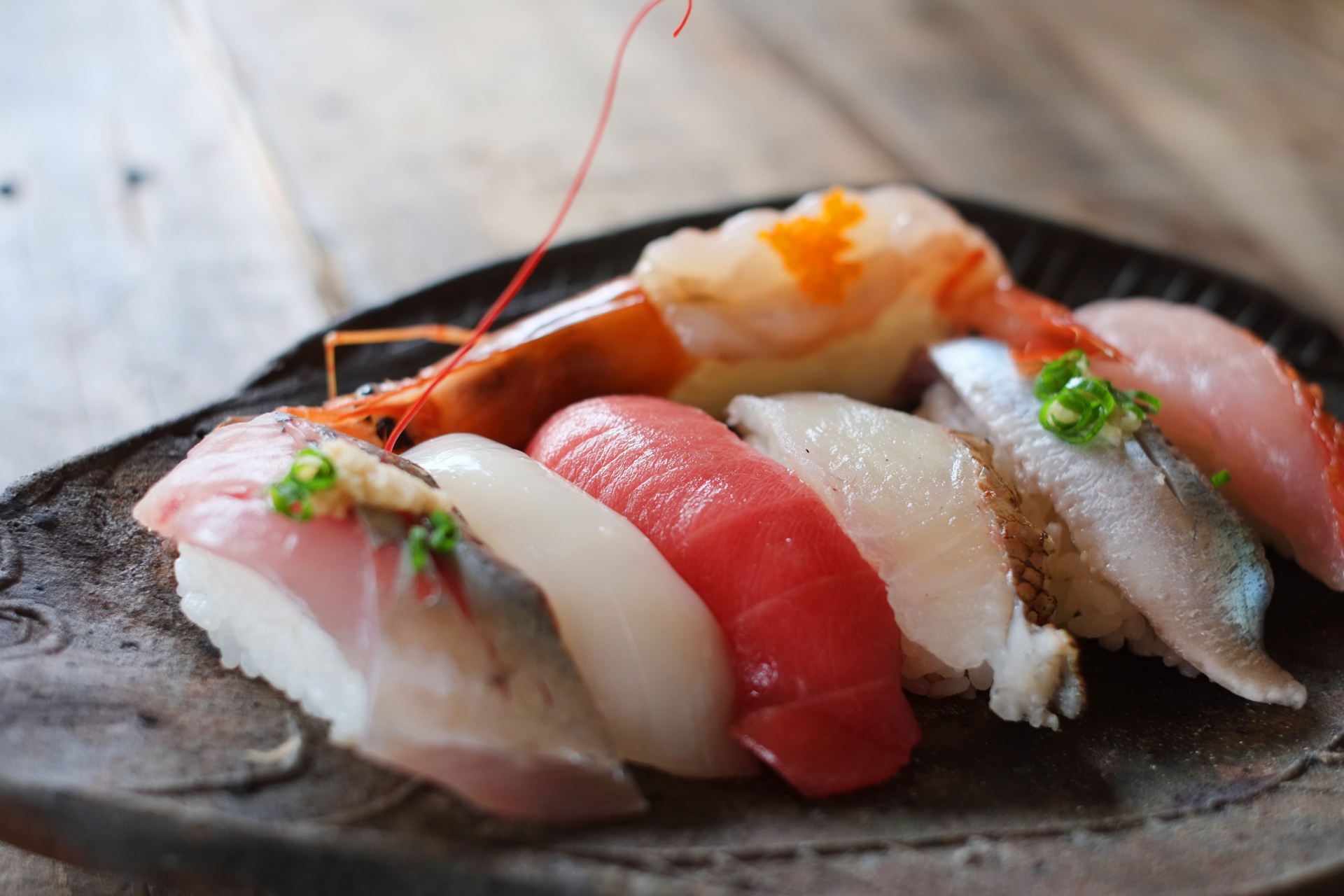
Think of your palate as a tuning fork. When you taste otoro (fatty tuna), you are looking for that rich, buttery melt that coats the mouth. With uni (sea urchin), you seek a briny sweetness that lingers. These sensations are distinct from the firm bite of maguro or the clean finish of tai. A sushi connoisseur learns to identify these profiles not just by taste, but by the visual cues of marbling and color.
This sensory education happens through exposure. You must taste yellowtail tuna to understand its slight acidity, or try big-eye tuna to appreciate its dense, meaty texture. Each rare ingredient tells a story of the ocean it came from. By learning to distinguish these differences, you stop eating just "sushi" and start experiencing the specific character of each fish.
Selecting rare fish for home rolling
Building a sushi palate starts with the raw material. Common supermarket fish often lack the depth required for a connoisseur-level roll. To elevate your home rolling, you need to understand the specific characteristics of rare ingredients like bluefin tuna, yellowtail, and sea urchin. These ingredients demand precise sourcing and careful handling.
When shopping for these items, look for vibrant color and firm texture. Bluefin tuna should have a deep ruby red hue and a rich, buttery fat content. Yellowtail, or hamachi, offers a delicate sweetness with a firm bite. Sea urchin, or uni, should be bright orange and creamy, not mushy. Sourcing from trusted fishmongers is essential to ensure freshness and safety.
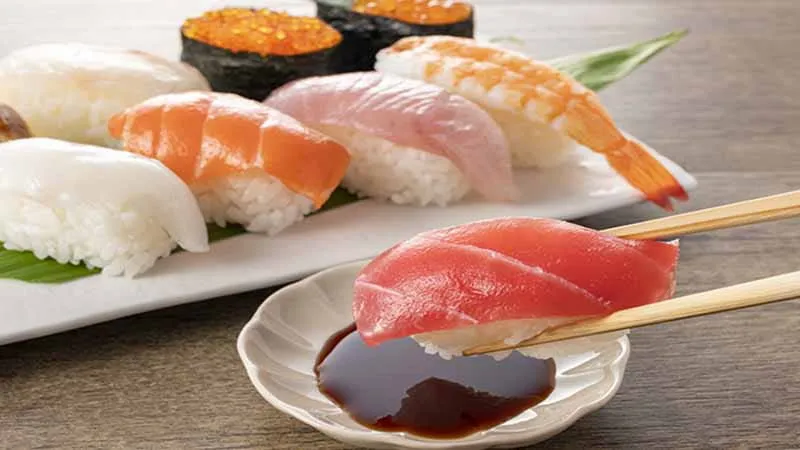
To help you choose the right fish, here is a comparison of common versus rare varieties based on flavor profile, fat content, and ideal pairing.
| Fish Type | Flavor Profile | Fat Content | Best Pairing |
|---|---|---|---|
| Bluefin Tuna (Otoro) | Rich, buttery, umami | Very High | Simple soy sauce, wasabi |
| Yellowtail (Hamachi) | Sweet, delicate, clean | Medium | Yuzu kosho, ginger |
| Red Snapper (Tai) | Mild, slightly sweet, crisp | Low | Sea salt, sudachi citrus |
| Sea Urchin (Uni) | Briny, creamy, oceanic | High | Butter, chive, rice |
| Bigeye Tuna (Maguro) | Robust, meaty, iron-rich | Medium-High | Garlic, chili oil |
| Salmon | Soft, oily, familiar | High | Sesame, avocado, cucumber |
How to roll sushi with rare ingredients
Rolling sushi with rare or delicate ingredients requires a shift in mindset. You are not just assembling rice and fish; you are protecting fragile textures and complex flavors. Standard rolling techniques often rely on firm pressure to hold the roll together, but this approach can crush delicate seafood or force out the subtle oils that define high-end fish. Instead, treat your rare ingredients like glass. The goal is to encase them with precision, using the rice as a structural shield rather than a compressive force.
Start by laying your nori sheet on the bamboo mat, shiny side down. Spread a thin, even layer of sushi rice, leaving a one-inch border at the top. This border is crucial for sealing the roll without excess glue. When placing your rare ingredient—whether it is a slice of bluefin tuna, a piece of uni, or a delicate shellfish—place it gently in the center. Do not press down. Let the ingredients rest lightly on the rice.
The rolling motion is where most home cooks lose their grip on quality. Lift the edge of the mat closest to you with your thumbs, folding it over the ingredients. Use your fingers to hold the filling in place, but apply zero pressure to the fish itself. Once the nori is folded over, use the mat to gently squeeze the roll into shape. Think of this as shaping a pillow, not tightening a tourniquet. The rice should adhere to itself, creating a tight cylinder that holds its form without crushing the contents.
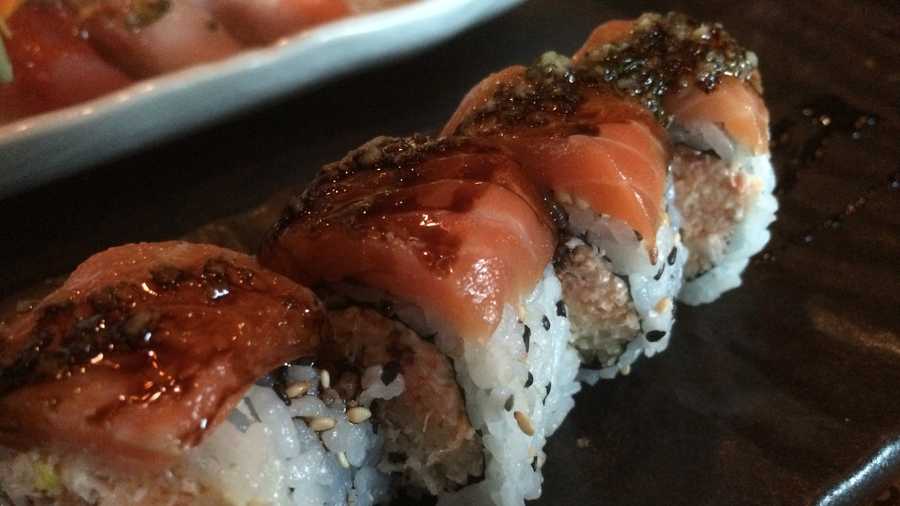
The final step is resting the roll. After shaping, place the sushi seam-side down on your cutting board. This allows the rice to settle and the nori to adhere fully to itself. If you slice immediately, the delicate filling may shift or the roll may unravel. A brief rest ensures that when you cut through with a sharp, wet blade, the rare ingredients remain intact, revealing a perfect cross-section of your hard work.
Pairings that elevate the experience
Building a sushi palate is less about memorizing rules and more about understanding how flavors interact. When you introduce rare ingredients like toro or aged fish, the goal shifts from simple consumption to sensory appreciation. The way you pair drinks and sides with these rolls determines whether the delicate notes shine or get buried under competing tastes.
The Ginger Misconception
Many diners believe the pickled ginger (gari) is a palate cleanser meant to reset the tongue between bites. This is a common misconception. In reality, the ginger is traditionally served alongside the roll as a condiment, not a reset button. Its sharp, sweet heat can easily overwhelm the subtle, buttery finish of rare fish, masking the very nuances you are trying to detect.
Drink Pairings for Rare Fish
To truly elevate the experience, choose beverages that complement rather than compete with the fish. A Japanese highball is an excellent choice; the carbonation and clean gin or shochu profile refresh the mouth without leaving a heavy aftertaste. The bubbles act as a physical scrub, lifting the oil from the tongue and preparing it for the next bite.
Sake, particularly junmai or ginjo styles, offers another layer of complexity. Look for sakes with a crisp acidity and light body. The umami in the sake mirrors the natural savoriness of the fish, creating a harmonious loop of flavor. Avoid heavy, oaked wines or overly sweet cocktails, which tend to coat the palate and dull the sensitivity required to appreciate rare ingredients.
Rare Fish Roll Recipe
Building a true sushi palate requires tasting the distinct textures and flavors of high-grade fish. This recipe features bluefin tuna, known for its rich, buttery melt, paired with delicate yellowtail. The combination highlights the difference between deep red meat and lighter, flaky fish, training your tongue to detect subtle variations in fat content and freshness.
The roll is finished with a light ponzu glaze and a garnish of shiso leaf. While pickled ginger is traditional, it is best used between bites to reset your taste buds rather than during the roll itself. This approach ensures you experience the raw fish exactly as the chef intended, without interference from heavy spices or unnecessary condiments.
Common mistakes when rolling rare fish
Delicate ingredients like toro or uni demand a gentler touch than standard salmon or tuna. The most frequent error is overworking the rice, which bruises the fish and releases excess moisture that breaks the roll’s structure.
Keep your knife razor-sharp and your hands wet. A single dull slice can crush the delicate fat of a bluefin chop, turning a luxurious mouthfeel into mush. Treat each piece like a fragile gem rather than a standard ingredient.
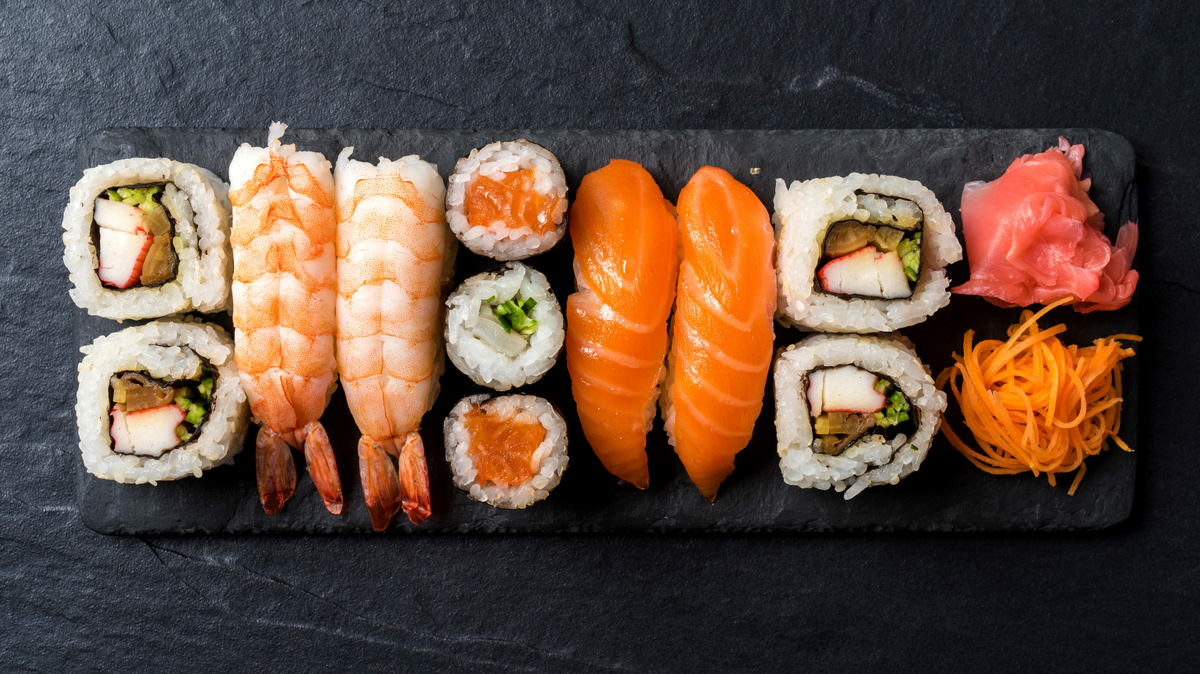
A pre-roll checklist prevents panic when handling expensive cuts.
Frequently asked questions about sushi
Building a refined sushi palate involves more than just rolling the perfect maki; it requires understanding the nuances of ingredient safety, proper storage, and traditional etiquette. Here are answers to common questions about handling rare ingredients and maximizing your tasting experience.
No comments yet. Be the first to share your thoughts!