

Understanding the sushi palate
Becoming a 2026 sushi connoisseur requires training your tongue to detect the delicate sweetness of high-grade tuna, the creamy richness of uni, and the precise acidity of the vinegared rice (shari). Think of your mouth as a tasting room where your palate is the lens through which you evaluate the chef’s craft. Without this sensitivity, sushi can taste like a generic roll of fish and starch.
Building this sensitivity requires attention to detail. It starts with understanding how temperature affects texture; fish served too warm loses its firmness, while rice that is too cool becomes hard and dull. It also involves recognizing the balance between the umami of the fish (neta) and the sharpness of the seasoning. When these elements align, the experience is distinct and memorable.
To train your palate, focus on one piece at a time. Avoid washing away the subtle flavors with excessive soy sauce or wasabi. Instead, taste the fish plain first, then with a touch of soy sauce if needed. This method helps you identify the natural characteristics of the ingredient. Over time, you will notice differences between similar fish that previously tasted the same, turning every bite into a lesson in quality.
Essential sushi ingredients list
Building a reliable Sushi Palate starts with gathering the right components. You don’t need a professional kitchen, but you do need specific ingredients that behave predictably. Focus on quality over quantity; a single piece of well-made nigiri reveals more about your technique than a dozen mediocre rolls.
Start with the foundation: sushi rice. Short-grain Japanese rice is non-negotiable because of its stickiness and natural sweetness. You’ll need rice vinegar, sugar, and salt to season it. For the protein, sushi-grade fish is critical for safety. Look for tuna, salmon, or yellowtail that has been frozen to kill parasites. If you’re just starting, cooked shrimp or tamago (sweet omelet) are safer, more forgiving options.
Don’t forget the supporting cast. Nori sheets provide structure for rolls, while wasabi and pickled ginger serve a functional purpose. The ginger isn’t just a garnish; it acts as a palate cleanser between bites, resetting your taste buds so each piece tastes fresh. Soy sauce should be light and high-quality, used sparingly to complement rather than overpower the fish.
Before you start cooking, make sure you have these items ready. Having everything measured and within reach prevents the rice from cooling down while you’re scrambling for ingredients.
-
Short-grain Japanese rice
-
Rice vinegar, sugar, and salt
-
Sushi-grade fish or cooked alternatives
-
Dried nori sheets
-
Wasabi and pickled ginger
-
Light soy sauce
How to roll sushi and nigiri
Building a refined Sushi Palate starts with the hands. The difference between average and excellent sushi often comes down to texture control and pressure. You want the rice to hold together without being compressed into a brick, and the fish to sit lightly on top so it doesn't slide off.
Nigiri requires a gentle touch. Maki requires consistent tension. Mastering these two techniques allows you to appreciate the quality of the ingredients rather than fighting the roll.
Before touching the rice, mix water with a splash of rice vinegar in a small bowl. Dip your fingers to prevent sticking. Take a small ball of rice (about 20g for nigiri) and gently shape it in your palm. Do not squeeze. The rice should hold its shape when you turn your hand over, but still be loose enough to break apart easily on the tongue.
Lay a slice of fish over the rice ball. For nigiri, place a tiny dot of wasabi directly on the fish before setting it on the rice. This ensures even heat and flavor distribution. Use your index finger and thumb to lightly press the fish onto the rice. The goal is adhesion, not compression. Flip it over so the fish faces up.
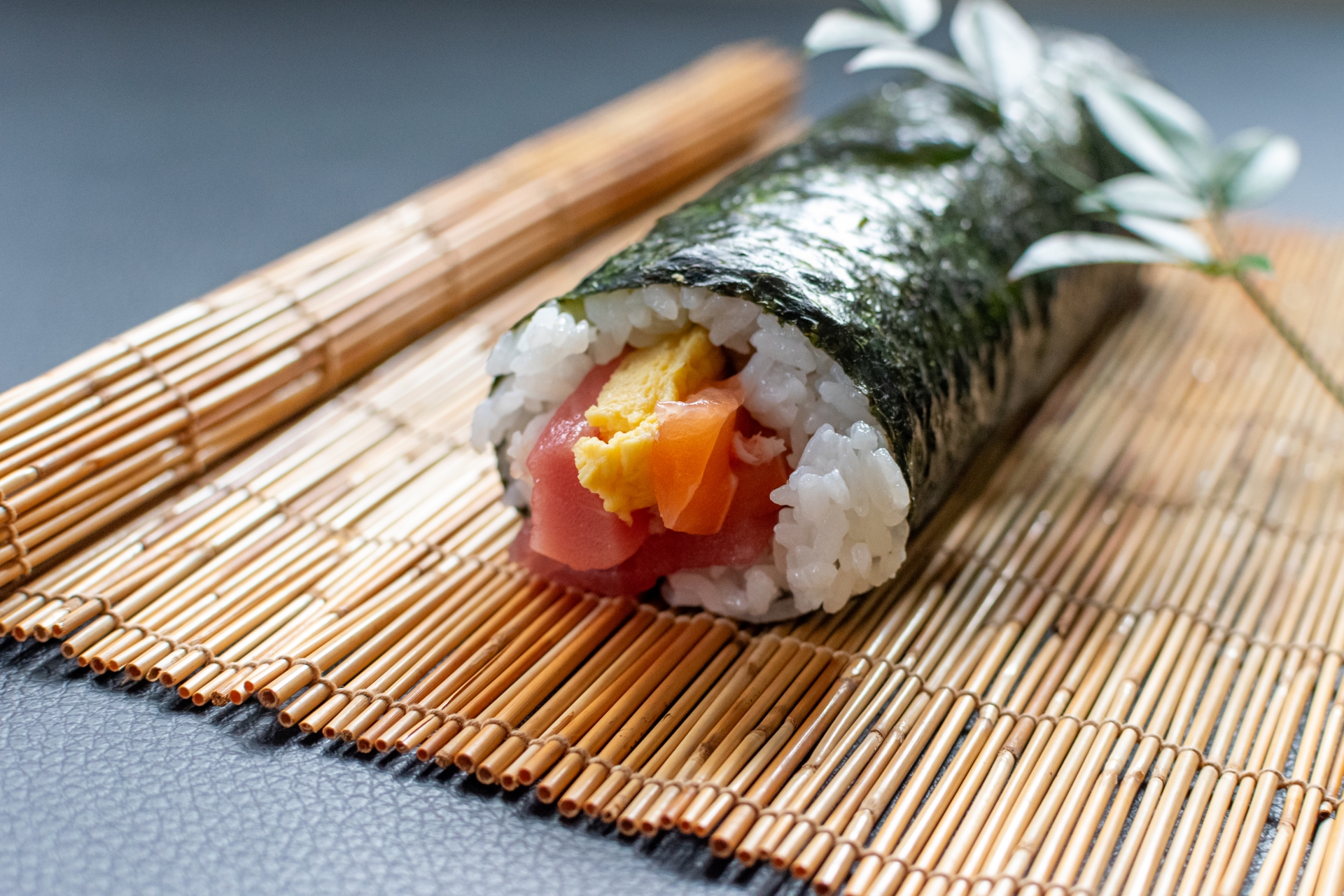
For maki, place a half-sheet of nori shiny-side down on a bamboo mat. Wet the rice and spread it thinly across the nori, leaving a 1-inch border at the top. This empty border is crucial; it acts as the glue to seal the roll later. Spread the rice gently to avoid tearing the seaweed.
Place your fillings (cucumber, tuna, avocado) in a line across the center of the rice. Lift the edge of the mat closest to you, tucking it tightly over the fillings. Apply gentle, even pressure with your fingers through the mat. Roll forward until the nori meets the empty border. Moisten that border with water to seal it shut.
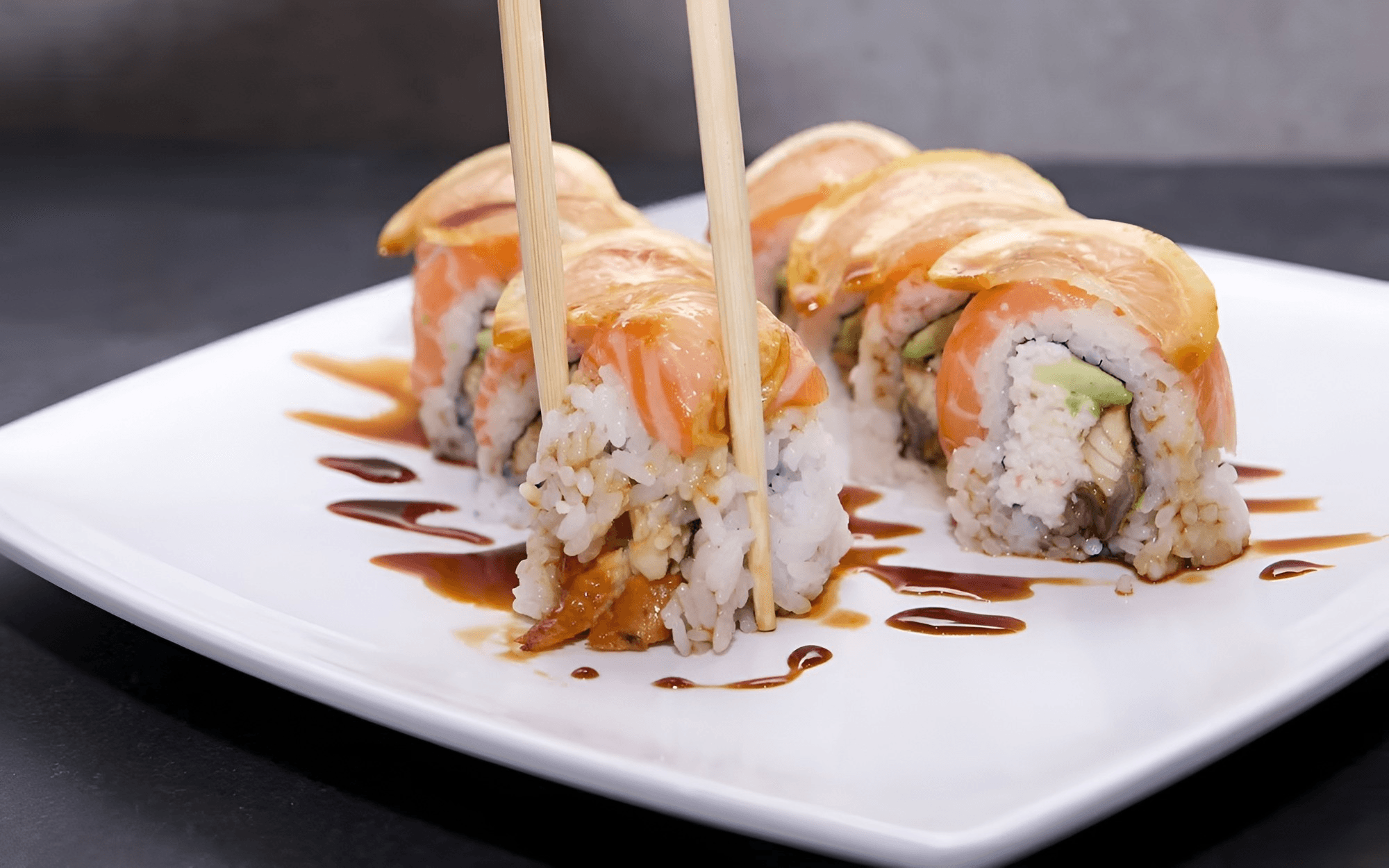
Use a very sharp knife wetted with water to prevent sticking. Cut the roll in half first, then align the halves and cut into three equal pieces. Wipe the blade clean between cuts. Clean cuts expose the filling beautifully and maintain the structural integrity of the roll, ensuring every bite has the right ratio of rice, fish, and nori.
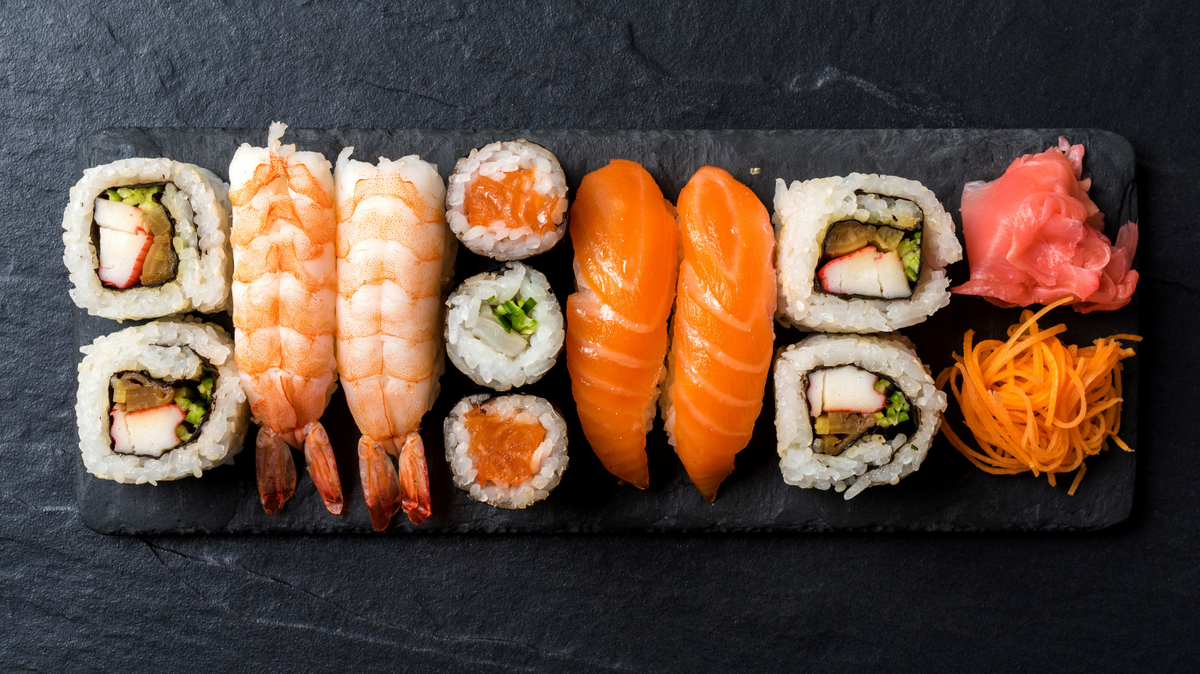
The ginger served with your meal is a palate cleanser, not a garnish. Eat a piece between different types of sushi to reset your taste buds. This practice is essential for maintaining a sharp Sushi Palate throughout the meal.
Use ginger to cleanse your palate
Pickled ginger, or gari, is not a side dish to be eaten at your leisure. It is a functional tool designed to reset your taste buds between different types of nigiri. When you move from a rich, fatty fish like salmon to a leaner variety like yellowtail, the lingering oils can mask the delicate flavors of the next piece. Ginger acts as a neutralizer, scrubbing the palate clean so you can appreciate each fish on its own terms.
Without ginger, your taste receptors become fatigued, and every piece starts to taste similar. By taking a small bite of ginger between bites, you wash away the previous flavor profile, ensuring the next piece of sushi hits your palate with full clarity and intensity.
You do not need to eat a large portion of ginger. A single slice, or even a small fragment from a larger piece, is sufficient. The goal is not to fill your stomach but to clear your senses. This simple step is essential for building a refined sushi palate, allowing you to distinguish the subtle differences in texture, sweetness, and umami across your entire meal.
Drink pairings for sushi
Choosing the right beverage is essential for maintaining a clean Sushi Palate throughout your meal. The goal is to select drinks that cleanse the tongue rather than coat it, allowing the subtle flavors of each fish to shine. While pickled ginger is the traditional palate cleanser between pieces, your drink should do the heavy lifting by cutting through the richness of the fish and rice.
Sake offers a versatile foundation for pairing, but not all varieties work equally well. Lighter, dry styles like Junmai or Ginjo complement delicate white fish and vegetables, while richer, fuller-bodied choices stand up to fatty tuna or eel. The acidity and umami in sake mirror the soy sauce and dashi, creating a harmonious loop of flavor that enhances rather than overwhelms.
Green tea provides a sharp, tannic contrast that scrubs the palate clean. The astringency in sencha or hojicha neutralizes the oiliness of fried items or rich cuts, preparing your mouth for the next bite. For a more robust option, a Japanese highball—whisky and soda—offers carbonation and citrus notes that refresh the mouth, making it an excellent choice for heavier meals or when you want a break from traditional pairings.
| Beverage | Best For | Flavor Profile | Palate Impact |
|---|---|---|---|
| Junmai Sake | White fish, vegetables | Dry, clean, light | Neutralizes richness |
| Ginjo Sake | Salmon, tuna | Aromatic, fruity | Enhances delicate notes |
| Sencha Tea | Fried items, rich cuts | Tannic, grassy | Scrubs oil from tongue |
| Japanese Highball | Any cut, heavier meals | Crisp, bubbly, citrus | Refreshes and resets |
Avoid overly sweet drinks or heavy red wines, which can clash with the delicate balance of sushi. The right pairing acts as a reset button, ensuring every piece tastes as fresh as the first.
Common sushi etiquette mistakes
Even with a refined Sushi Palate, small breaches of etiquette can distract from the meal. The most frequent error involves the condiments. Many diners mix wasabi directly into the soy sauce, creating a cloudy, overly salty dip. This practice masks the delicate flavor of the fish and ruins the balance the chef intended.
Instead, place a small amount of wasabi directly on the nigiri rice or fish. Dip the fish side lightly into the soy sauce, avoiding the rice to prevent it from absorbing too much salt. This method preserves the texture and allows the soy sauce to complement, rather than overwhelm, the ingredient.
Another common mistake is using chopsticks to pass food directly to another person’s chopsticks. This mimics a funeral ritual and is considered bad luck. Always place the food on a shared plate or your own plate before eating. These small adjustments respect the tradition and ensure the focus remains on the quality of the Sushi Palate experience.
Frequently asked questions about sushi
Building a refined Sushi Palate often involves navigating common misconceptions about etiquette and ingredients. Understanding the technical purpose of each element helps you appreciate the balance of flavors more deeply.
No comments yet. Be the first to share your thoughts!