

Start with sustainable fish choices
A refined sushi palate begins by respecting the raw ingredient. Distinguishing between the buttery richness of high-fat tuna and the clean snap of white fish develops a sensory vocabulary that transforms eating into an experience. This awareness allows you to appreciate not just flavor, but the ethics and ecology behind your meal.
Choosing sustainably sourced fish is the most significant step in this journey. It ensures ocean resources remain abundant while guaranteeing the highest quality product. Look for species managed responsibly, avoiding overfished varieties. Many reputable suppliers provide clear information about origin, allowing you to make informed decisions.

Certification labels are your best guide. The Marine Stewardship Council (MSC) and Aquaculture Stewardship Council (ASC) set rigorous standards for wild-caught and farmed seafood, respectively. These labels indicate the fish was caught or raised in ways that maintain healthy populations and minimize environmental impact. By prioritizing these options, you support fisheries that protect marine ecosystems.
Consider seasonality as well. Fish have peak seasons where their flavor and texture are at their best. Wild salmon is often richer during its spawning season. Aligning your sushi with nature’s calendar enhances taste and reduces the carbon footprint of long-distance transport.
Prepare the sushi rice correctly
Rice is the foundation of sushi. Without properly seasoned rice, the delicate flavors of sustainable fish and vegetables are lost. The rice must act as a clean, slightly acidic canvas that highlights the ingredients rather than competing with them.
Choose the right grain
Start with short-grain Japanese rice, often labeled as "sushi rice." This variety has a higher starch content, giving the rice its characteristic sticky yet distinct grain structure. Long-grain varieties like basmati or jasmine are too fluffy and dry, failing to hold the maki roll together. Look for brands that source from sustainable farms.
Wash until clear
Rinsing is non-negotiable. Place the rice in a bowl and cover with cold water. Gently swirl the grains with your hand and drain the cloudy water. Repeat this process four to five times until the water runs nearly clear. This removes excess surface starch, preventing the rice from becoming a gummy paste. Proper washing ensures the final texture is tender with a slight chew.
Cook with precision
Use a 1:1.1 ratio of rice to water for most standard short-grain varieties. Bring to a boil, then immediately reduce to low heat and cover tightly. Cook for 12 minutes without lifting the lid. Let it rest off the heat for another 10 minutes. This steaming process ensures every grain is cooked evenly. Overcooking makes the rice mushy, while undercooking leaves it hard.
Season with care
While the rice is still hot, transfer it to a wide, non-metallic bowl. Mix a dressing of rice vinegar, sugar, and salt. Fold the dressing into the rice gently using a cutting motion with a rice paddle or wooden spoon. This prevents crushing the grains. Fan the rice as you mix to cool it quickly and give it a glossy finish. The seasoning should be bright and tangy, cutting through the richness of the fillings.
Cool and cover
Let the rice cool to body temperature before rolling. Cover it with a damp cloth to prevent it from drying out. Warm rice is easier to handle and sticks better to your hands. Properly prepared rice should be shiny, slightly sticky, and flavorful.
Roll your first maki with this recipe
Rolling your own maki allows you to control the balance of textures and flavors. This recipe focuses on sustainable ingredients, using locally sourced vegetables and responsibly harvested fish to create a clean, crisp roll.
Before you begin, gather your tools: a bamboo rolling mat (makisu), a sharp chef’s knife, a small bowl of water with a splash of rice vinegar for your fingers, and a damp cloth.
Start with perfectly cooked sushi rice. Rinse it thoroughly to remove excess starch, then cook it. While hot, season it with a mixture of rice vinegar, sugar, and salt. This seasoning provides the necessary acidity to cut through the richness of the fish and vegetables.
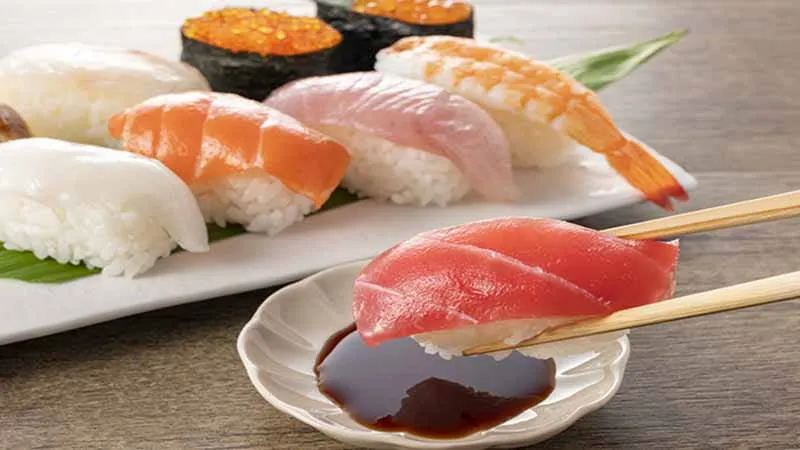
Lay your nori sheet on the bamboo mat. Spread a thin, even layer of rice, leaving the top inch bare. Place your chosen fillings—like crisp cucumber, creamy avocado, and sustainably caught tuna—in a neat line across the center. Keep the fillings minimal to ensure the roll holds its shape.
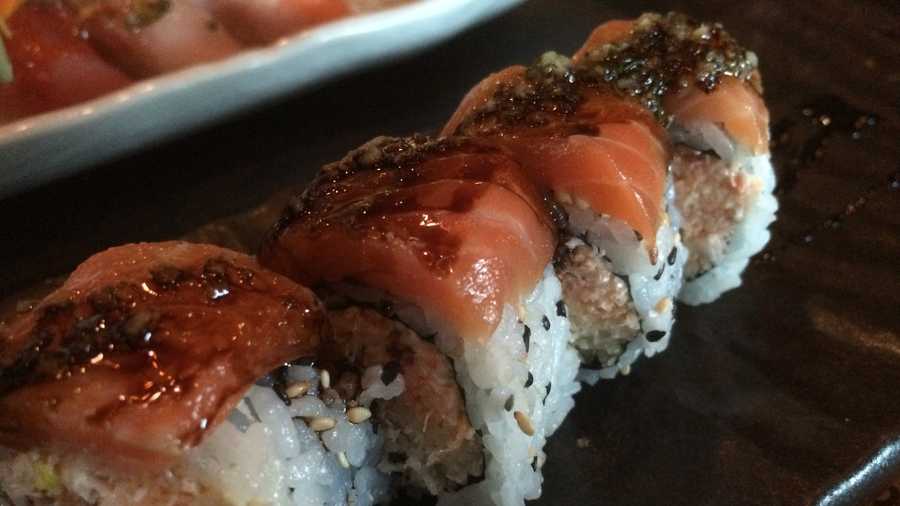
Lift the mat and roll it over the filling, tucking the edge of the nori under the ingredients. Apply gentle, even pressure to form a cylinder. Continue rolling until the bare nori border seals the edge. A tight roll prevents the filling from spilling out and ensures a clean bite.
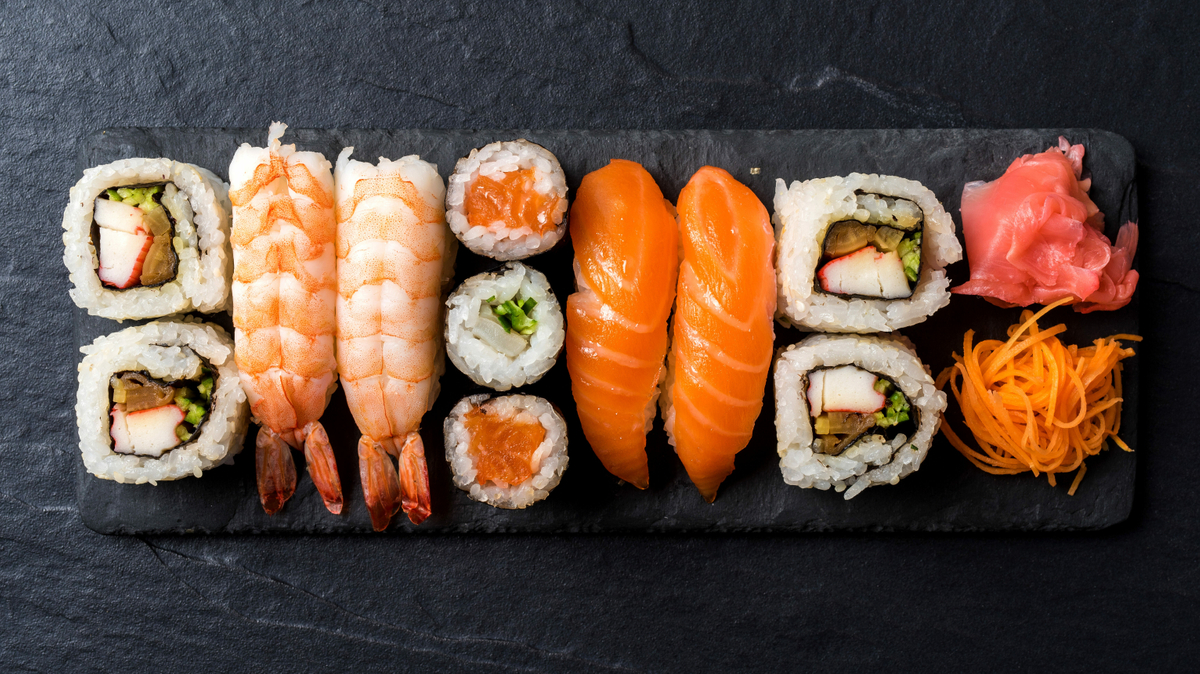
Wet your sharp knife to prevent sticking. Slice the roll in half, then slice each half into three equal pieces. Wipe the knife between cuts for clean edges. Serve immediately with soy sauce, wasabi, and pickled ginger to cleanse your palate between bites.
Compare fish types for your palate
Learning to distinguish the subtle differences in fat content, texture, and umami across species expands your sushi experience. While many beginners start with salmon or generic tuna, expanding your rotation to include yellowtail, snapper, and mackerel reveals the full spectrum of what sustainable maki can offer. Each fish brings a distinct personality to the roll.
Understanding these profiles helps you select fish that complements your preferred ingredients. For instance, a fatty fish like bluefin or yellowtail pairs beautifully with crisp cucumber or avocado, balancing richness with freshness. Leaner options like red snapper or sea bass provide a clean, delicate backdrop that lets the rice and vinegar shine.

| Fish | Flavor Profile | Texture | Sustainability |
|---|---|---|---|
| Yellowtail (Hamachi) | Rich, buttery, mild umami | Soft, melts in mouth | Generally sustainable (check source) |
| Bluefin Tuna (Otoro) | Deep, metallic, intense fat | Very soft, almost creamy | Overfished; avoid or choose pole-caught |
| Red Snapper (Tai) | Clean, sweet, subtle | Firm, flaky, delicate | Varies; look for wild-caught |
| Salmon (Sake) | Rich, oily, distinct | Soft, yielding | Farmed (ASC certified preferred) |
| Japanese Yellowtail (Buri) | Stronger, gamier than hamachi | Firm yet tender | Seasonal; check local quotas |
| Sea Bass (Suzuki) | Mild, clean, slightly sweet | Firm, clean flake | Wild-caught often sustainable |
Pair drinks to cleanse your palate
Resetting your palate between bites ensures each piece of maki shines on its own. While pickled ginger (gari) is the traditional tool, modern pairings offer more depth and variety for the home cook.
Gari acts as a biological eraser. Its sharp acidity and slight sweetness wash away the oil from fatty fish, leaving your tongue ready for the next bite. However, relying solely on ginger can become monotonous. Introducing a drink that complements your sustainable ingredients can elevate the entire experience.
A Japanese highball is an excellent choice for cleansing the palate. The carbonation scrubs the tongue, while the crisp, dry notes of the whisky and soda prepare you for the next piece without overpowering it. For a non-alcoholic option, unsweetened green tea works similarly, offering a gentle astringency that cuts through richness.
Consider the drink as part of your sustainable cycle. Choose local spirits or teas to reduce your carbon footprint while keeping your palate sharp. This mindful approach turns a simple meal into a curated journey, where every sip and bite is intentional.
Common questions about sushi palates
What is the sushi palate cleanser called?
The pickled ginger served alongside sushi is called gari (ガリ). It is a functional tool designed to neutralize lingering flavors from the previous piece. Eating a small slice of gari between rolls prepares your palate for the next bite, ensuring you taste the distinct profile of each ingredient rather than a muddled mix of flavors. Beyond its practical use, gari contains anti-microbial properties that aid digestion.
Is sushi good for high triglycerides?
Sushi can be a heart-healthy choice, particularly when it features fatty fish like salmon or mackerel. These fish are rich in omega-3 fatty acids, which have been shown to lower triglyceride levels and slow the growth of plaque in the arteries. By choosing sustainable, wild-caught fish for your home rolls, you are incorporating anti-inflammatory nutrients that support joint health and overall cardiovascular function.
Can I make my own palate cleanser?
While traditional gari is the standard, you can create effective homemade alternatives if you lack pickled ginger. Simple slices of fresh cucumber or a small piece of daikon radish provide a crisp, neutral crunch that clears the mouth without adding strong flavors. For a more acidic reset, a tiny drop of rice vinegar on a toothpick can work similarly to gari, resetting your taste buds for the next piece of maki.
No comments yet. Be the first to share your thoughts!