

Sushi in Tubes: The New Standard?
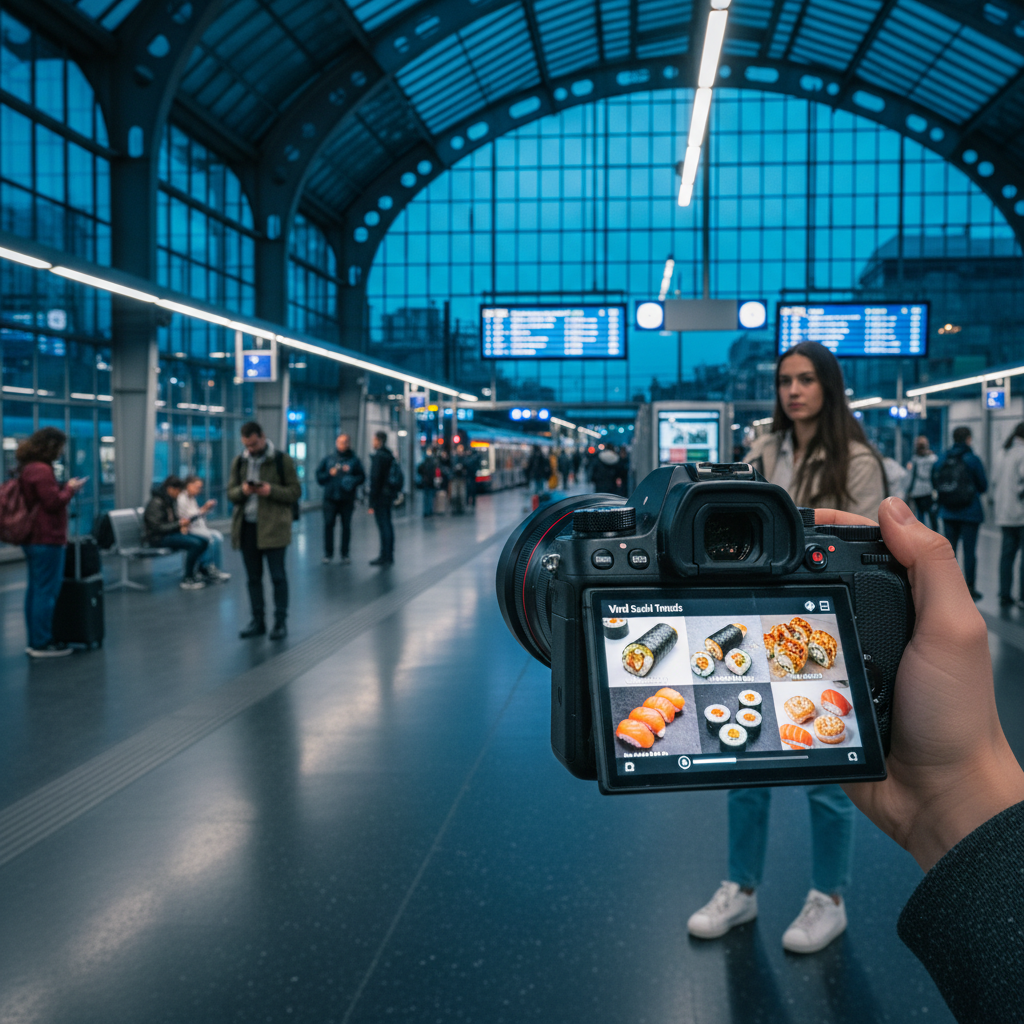
Sushi served in tubes on TikTok initially seemed odd, a departure from the traditional artistry of sushi. However, Suka Sushi in New York City has found success with this method, packaging sushi in cylindrical tubes for a faster, cleaner, and more portable experience.
The appeal is clear, particularly for those who eat on the go. The tubes offer a practical solution, avoiding messy containers and squished rice. Videos of people easily extracting sushi from these tubes are popular on Instagram and TikTok, suggesting Suka Sushi's innovation is setting a new standard for convenient sushi consumption.
While some initially dismissed this as a gimmick, the volume of content and positive reactions indicate otherwise. The convenience is a major draw, and Suka Sushi has capitalized on the visual appeal, creating a product that is both shareable and edible. This demonstrates how social media can influence traditional food practices. It appears this trend may have staying power.
Pressed Sushi's Rise to Fame
Another trend gaining attention is pressed sushi, or oshizushi. This centuries-old Japanese technique involves pressing sushi rice and toppings into a wooden mold for a firm, rectangular shape. TikTok creators are now showcasing intricate oshizushi arrangements with multiple layers and colorful ingredients.
Originating from Osaka in Japan's Kansai region, oshizushi was initially developed as a method for preserving fish and is a staple of Japanese bento culture due to its neat, portable form. Its appeal on TikTok stems from its visual precision; the clean, symmetrical presentation is ideal for video, and the sound of the mold releasing the sushi block is captivating.
Regional variations like Hakozushi, a box-pressed oshizushi, are also gaining popularity, alongside versions featuring seasonal ingredients. This interest reflects a desire for the clean, symmetrical presentation of oshizushi, contrasting with the perceived messiness of free-form rolls, and celebrates Japanese culinary artistry. The slower, deliberate process offers a refreshing change.
Rainbow Rolls Reimagined
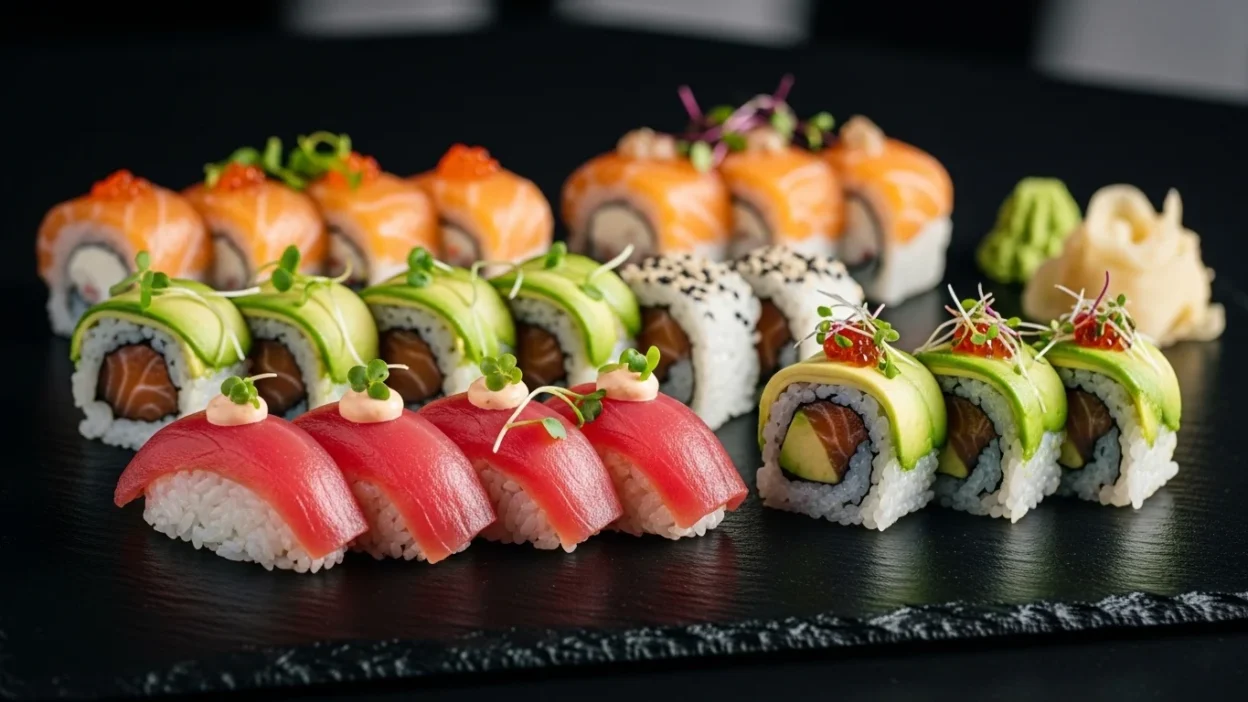
Rainbow rolls, known for their colorful fish toppings, have always been popular, but TikTok has elevated them. Beyond arranging fish on a California roll, creators are now using sauces like mango puree and spicy yuzu aioli, and adding fillings such as avocado and tempura flakes.
Aesthetics are paramount, with elaborate plating and careful positioning of rolls for maximum visual impact. The process of making these rolls, from precise slicing to meticulous arrangement, is a significant draw, fueling 'mukbang' style videos and aligning with TikTok's 'food porn' aesthetic.
The focus on appearance sometimes overshadows taste. While presentation is appealing, flavor balance is crucial. Some extravagant creations prioritize visual flair over culinary substance. However, the creativity in pushing sushi presentation boundaries is undeniable and highlights food as an art form.
Nigiri Hacks: Beyond the Basics
TikTok features many 'life hack' videos for nigiri sushi, offering tips to improve preparation. A common hack uses plastic wrap for shaping rice uniformly, while others suggest unconventional toppings like seared steak or fruit.
Some hacks are practical, like the plastic wrap trick for beginners struggling with rice consistency. Others are more for show, such as using a spoon for intricate rice designs, which is impressive but not practical for everyday meals. Hacks requiring specialized equipment or significant effort should be approached with caution.
The plastic wrap trick is worth trying, and seared steak nigiri might appeal to the adventurous. However, elaborate rice designs are less practical. Focusing on fundamental skills like quality rice, fresh fish, and a steady hand is key, as hacks should complement, not replace, core techniques.
Sushi Bake: The Deconstructed Trend
The sushi bake, a deconstructed sushi roll presented as a casserole, has rapidly gained popularity on TikTok. It typically features a layer of sushi rice topped with salmon or tuna, spicy mayo, and furikake, then baked until warm and bubbly.
While its origins are unclear, the sushi bake gained traction in the Filipino-American community before going viral on TikTok. Its appeal lies in its shareable, casual, and inviting presentation, making it easy to enjoy with friends and family. It's also simpler to prepare than traditional sushi, requiring less precision.
Variations include spicy tuna, shrimp tempura, crab rangoon, and vegetarian options. While some may object to baking sushi, it offers a fun and accessible way to enjoy sushi flavors in a new format, demonstrating how culinary traditions evolve.
Inside-Out Rolls: New Fillings and Techniques
Inside-out rolls, or uramakis, are seeing constant innovation on TikTok. While the California roll is still popular, creators are experimenting with adventurous fillings, using fewer controversial ingredients like cream cheese and more unique vegetable pairings and sauces.
Tempura flakes are a popular addition for crunch and texture. Advanced rolling techniques are showcased, focusing on even layers and tight rolls for visually appealing results that are as enjoyable to eat as they are to look at.
Mastering uramaki requires attention to detail: perfectly seasoned rice, evenly covered nori, and firm pressing for shape. Practice yields rewarding results, and TikTok offers numerous tutorials for learning this technique.
DIY Sushi Kits: Convenience or Compromise?
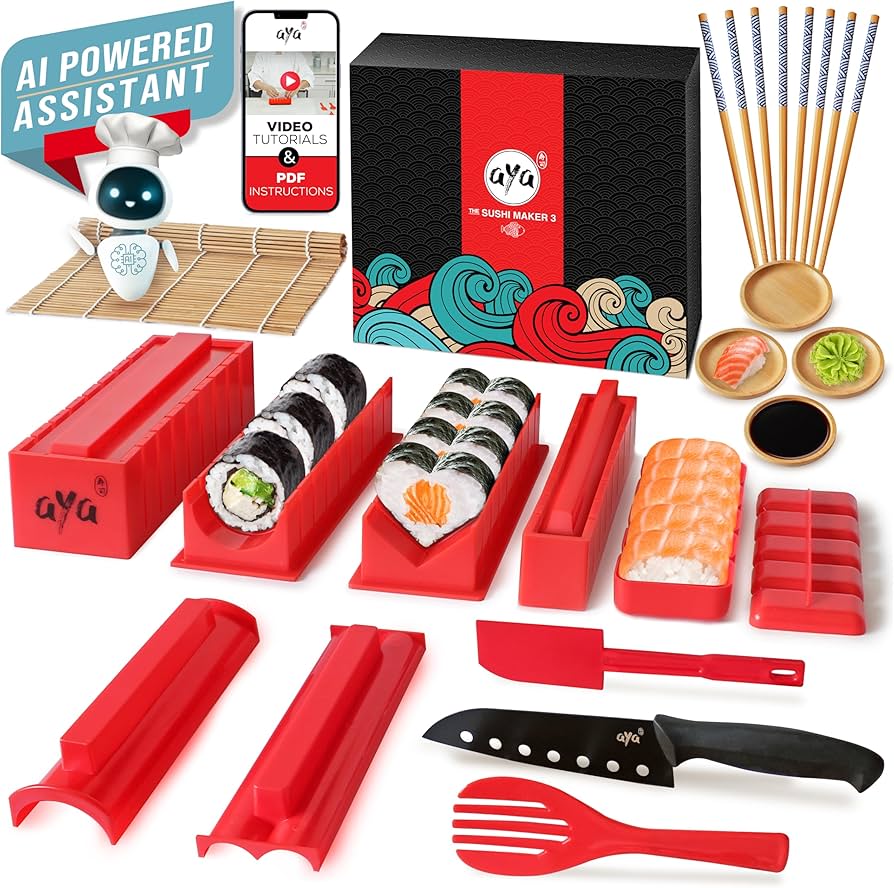
Fueled by TikTok demonstrations, DIY sushi kits are experiencing a surge in popularity. These kits typically include pre-portioned sushi rice, nori sheets, fillings, and sometimes even rolling mats and chopsticks. The appeal is obvious: convenience and accessibility. They offer a relatively low-cost way to experiment with sushi making at home.
However, there are trade-offs. The quality of the ingredients can vary significantly, and the selection is often limited. Some kits use lower-grade fish or pre-cooked ingredients, which compromises the authenticity of the experience. The rice, in particular, can be a sticking point – achieving the right texture and flavor requires skill and attention.
Are these kits a good entry point for beginners? I think so, with caveats. They can be a fun way to learn the basics of sushi rolling, but it’s important to manage expectations. Don’t expect restaurant-quality results. Based on online reviews, the kits from Sushi Hub and Yumi Sushi consistently receive positive feedback for their ingredient quality and clear instructions. Ultimately, if you're serious about learning to make sushi, I recommend starting with high-quality ingredients and mastering the fundamentals.
Popular DIY Sushi Kits - A Comparative Overview (2026)
| Brand | Price | Ingredient Quality | Ease of Use | Variety of Ingredients | Overall Rating |
|---|---|---|---|---|---|
| Sushi Made Simple | Moderate | Medium | Easy | Standard - Salmon, Tuna, Shrimp | 3.5 stars |
| Rolling Wonders | Moderate | Low | Medium | Limited - Primarily imitation crab | 2.5 stars |
| Zen Sushi Creations | High | High | Medium | Extensive - Wide range of seafood and vegetables | 4.5 stars |
| Nori Time! | Low | Medium | Easy | Basic - Tuna and Salmon focused | 3 stars |
| Kyoto Kitchen | High | Medium | Hard | Good - Traditional ingredients, requires some skill | 4 stars |
| Suka Sushi Home Kit | Moderate | Medium | Easy | Modern - Pre-portioned ingredients for tube-style sushi | 4 stars |
Illustrative comparison based on the article research brief. Verify current pricing, limits, and product details in the official docs before relying on it.
Looking Ahead: What's Next for Viral Sushi?
Predicting the future of viral sushi is a tricky business. The trends move quickly, and what’s popular today could be forgotten tomorrow. However, I suspect we’ll continue to see a push for innovation, with creators experimenting with new flavors, textures, and presentation styles. The deconstructed sushi trend – exemplified by the sushi bake – seems poised to continue.
I also anticipate a growing emphasis on plant-based options, reflecting the broader trend towards vegetarian and vegan cuisine. We might see more creative uses of vegetables, fruits, and plant-based proteins in sushi rolls and nigiri. And while the current focus is on visually striking creations, I wouldn’t be surprised to see a return to more traditional techniques, a reaction against the excesses of social media.
The influence of other food trends – like cloud bread or dalgona coffee – is also worth watching. These viral sensations demonstrate the power of social media to transform even the most established culinary traditions. It's an exciting time to be a sushi enthusiast, and I'm eager to see what the next viral trend will bring. The only certainty is that the world of sushi will continue to evolve.

No comments yet. Be the first to share your thoughts!