

Sushi Dreams Become Reality
Craving sushi on a Saturday night but put off by takeout waits or the hassle of rolling your own? Imagine creating perfect California rolls, spicy tuna maki, and intricate nigiri right in your kitchen. What once seemed like science fiction is now a tangible reality thanks to advancements in AI and robotics.
For generations, sushi making has been an art form requiring years of practice to master the balance of rice, nori, and fillings. Precise rolling pressure, knife skills, and flavor pairing were skills reserved for trained chefs. Technology now promises to democratize this art, making it accessible to anyone.
A few years ago, a machine perfectly replicating a sushi chef's nuanced work seemed impossible. However, the convergence of computer vision, precision robotics, and machine learning is challenging that. AI is now assisting in creative endeavors, even traditionally handcrafted ones like sushi making.
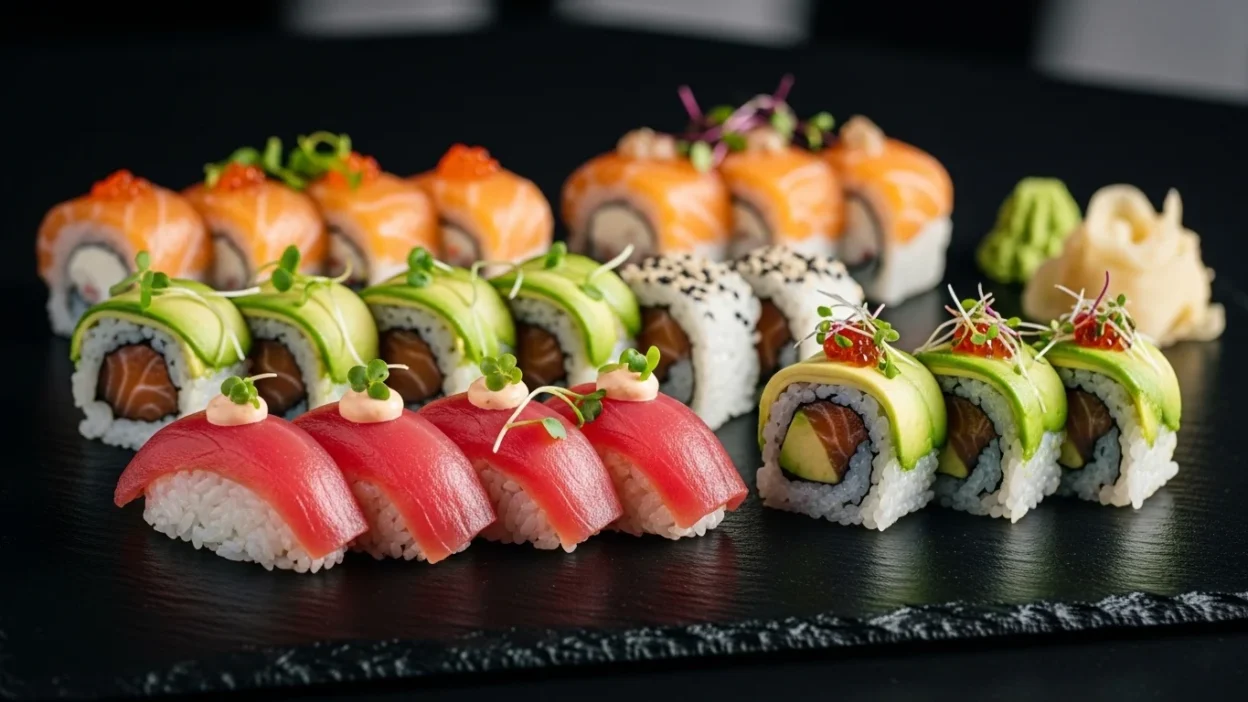
The Rise of Automated Rolling
Home sushi making's biggest hurdle is consistency. Achieving a perfect roll—firm yet not compressed, evenly filled, and neatly shaped—requires skill and practice. It’s not just following a recipe; it’s feeling the right pressure, recognizing correct rice consistency, and expertly maneuvering nori. Many home cooks struggle with these nuances, resulting in rolls that fall apart.
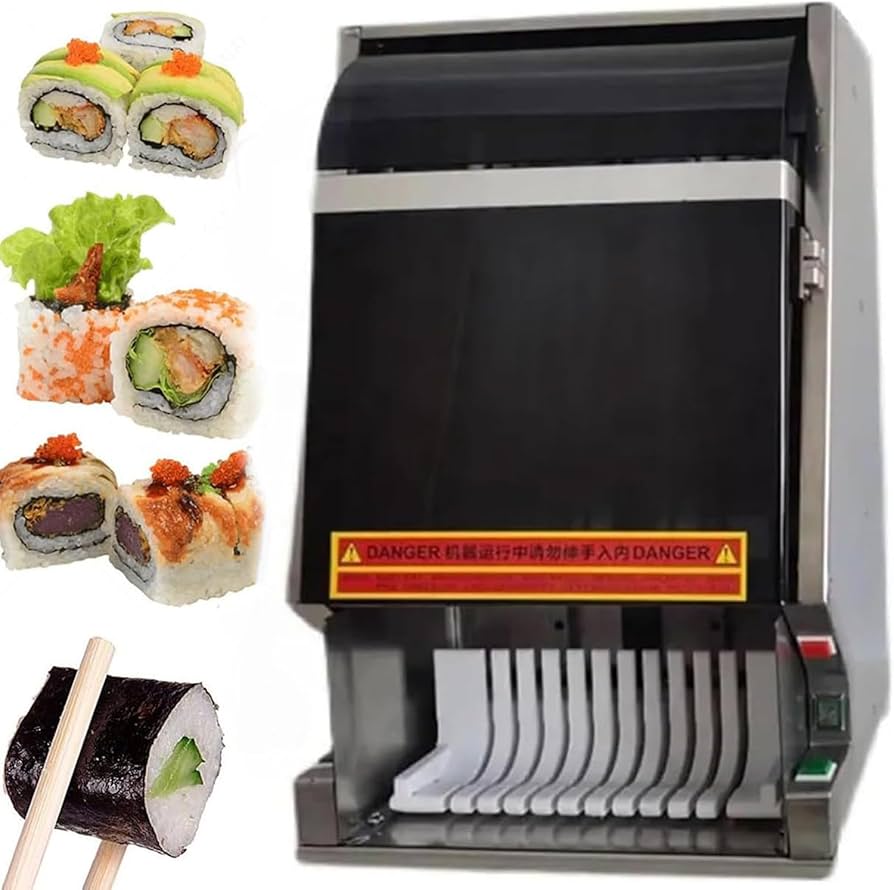
Early automated sushi makers, appearing sporadically over the past decade, often fell short. These machines used simple mechanics, offering limited control and producing uninspiring results. They might have helped with basic shape but lacked the finesse for a truly enjoyable sushi experience, often with uneven rice distribution and torn nori.
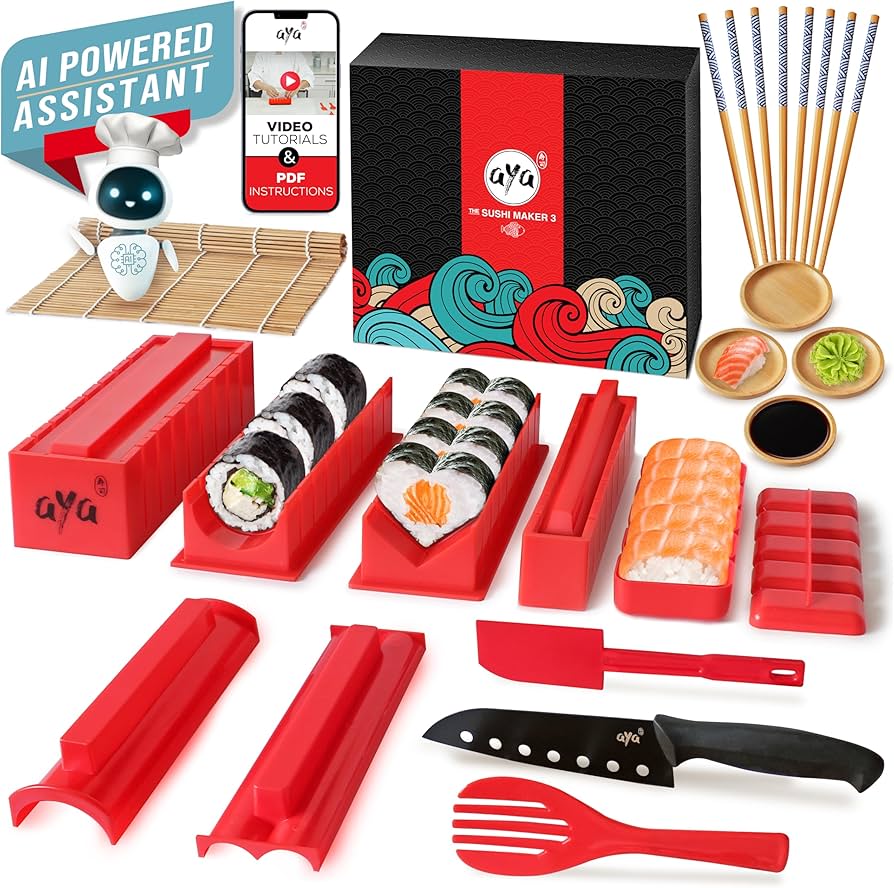
Recent breakthroughs in computer vision and robotics are changing the game. Advanced sensors and algorithms allow machines to 'see' and 'feel' the sushi-making process with unprecedented precision. These systems analyze rice, detect nori imperfections, and adjust rolling pressure in real-time—control unattainable with older technologies. DIY kits combining pre-programmed robotic arms with guiding software are likely to emerge.
AI tackles not just automation, but precision. Traditional machines roll mechanically but don’t understand a good roll. Modern AI-powered systems do, learning from vast datasets to constantly refine their technique for consistently high-quality results.
How AI 'Sees' Sushi
Computer vision is central to AI-powered sushi making. These systems analyze images at a pixel level, identifying key features. This relies on image recognition and object detection algorithms trained on massive datasets of sushi rolls, including both perfect examples and common mistakes.
The AI identifies not just sushi, but its type and quality. It assesses rice distribution for evenness and density. It examines roll tightness, ensuring it holds its shape without squeezing out ingredients. It also evaluates aesthetics, like nori alignment and filling presentation.
Reinforcement learning also plays a role. Systems learn through trial and error, repeatedly attempting to roll sushi and receiving feedback from humans or sensors. The AI gradually refines its technique, optimizing for speed, consistency, and visual appeal.
The goal is to assist the home cook, not replace the sushi chef. These systems provide a reliable, consistent foundation for creating delicious sushi at home, handling technical aspects so users can focus on flavor and presentation.
Current Players & Prototypes
The AI sushi revolution is underway, with companies and projects pushing boundaries. While a mainstream, consumer-ready product is still emerging as of late 2026, several developments are shaping home sushi making. The field is fragmented, with approaches ranging from fully automated machines to AI-powered assistance tools.
SushiBot, a project gaining traction on Instagram and YouTube, uses a computer vision-guided robotic arm to precisely roll various sushi types. They've showcased impressive results with traditional and complex creations. Early models cost around $1,500, targeting serious sushi enthusiasts. Demonstrations are available on their Instagram page, sushitime.
RollMaster, a Japanese startup, focuses on a compact, affordable solution. Their prototype device uses sensors and actuators to guide users through the rolling process, providing real-time feedback and assistance for consistent results. They aim for a price point under $500.
AI Sushi Chef, a new entrant to the market, is taking a different approach. They’ve developed an AI-powered rice cooker that automatically adjusts cooking parameters to create perfectly seasoned and textured sushi rice. Combined with their companion app, which provides step-by-step instructions and visual guidance, they offer a comprehensive solution for beginners. Their rice cooker retails for around $300.
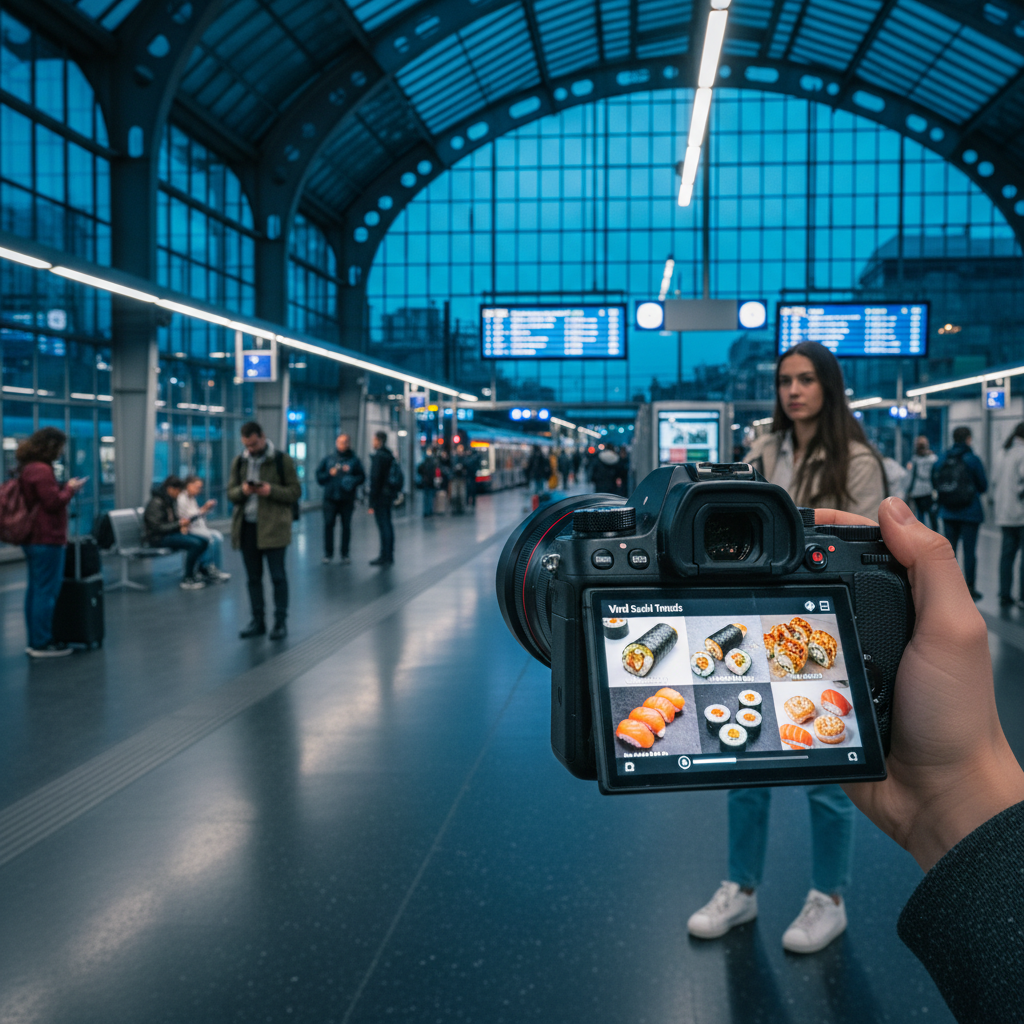
Several TikTok videos, like those from Majid (@majiqq), demonstrate how AI video generation tools are being used to create visually stunning sushi content, even generating entirely new sushi concepts. While not directly involved in the making of sushi, this highlights the broader impact of AI on the sushi world. There are even reports of AI-generated sushi recipes going viral, sparking new culinary trends.
AI-Powered Sushi Making Device Comparison - 2026
| Brand | Skill Level | Roll Variety | Key Features | Cleaning Difficulty |
|---|---|---|---|---|
| SushiBot | Beginner | Simple | Automated rice spreading and nori placement, guided roll formation. | Moderate - Several parts require hand washing. |
| RollMaster AI | Intermediate | Complex | AI-powered ingredient suggestions, variable roll tightness control, automatic filling assistance. | Difficult - More intricate components and potential for sticky residue. |
| Kaito Robotics | Advanced | Complex | Precision robotic arm for intricate designs, customizable roll patterns, integrated ingredient dispenser. | Moderate - Requires careful disassembly and cleaning of robotic components. |
| Norimaki Pro | Beginner | Simple | Pre-programmed roll recipes, voice-activated controls, simplified ingredient loading. | Easy - Mostly dishwasher-safe components. |
| Umi Maker | Intermediate | Complex | Adaptive learning - improves roll quality over time, automatic rice cooling, adjustable roll diameter. | Moderate - Some components are not dishwasher safe. |
| Zen Sushi Automata | Advanced | Complex | Full automation - from rice preparation to finished roll, advanced sensor feedback for optimal results. | Difficult - Extensive disassembly required for thorough cleaning. |
Qualitative comparison based on the article research brief. Confirm current product details in the official docs before making implementation choices.
Beyond the Roll: AI and Ingredient Prep
AI's impact extends far beyond just the rolling process. The entire sushi-making experience is being reimagined, with AI-powered tools streamlining ingredient preparation and sourcing. Consider the importance of perfectly cooked sushi rice – a critical foundation for any great roll. Smart rice cookers, like the AI Sushi Chef model, are now capable of automatically adjusting cooking parameters based on the type of rice and desired texture.
Automated fish slicing tools are also emerging, promising to deliver precise and consistent cuts. These tools use computer vision to identify the optimal slicing angle and pressure, minimizing waste and maximizing the visual appeal of the fish. While still in the early stages of development, they represent a significant step towards automating the more challenging aspects of sushi preparation.
Perhaps even more impactful is the potential for AI-powered ingredient sourcing. Imagine an app that recommends the freshest, highest-quality sushi-grade fish based on your location and current availability. These systems could integrate with local fish markets and suppliers, providing real-time pricing and inventory information. This would address a major concern for home sushi makers – ensuring the safety and quality of the ingredients.
I suspect we’ll see increasing integration with smart kitchen ecosystems. Your AI sushi maker might communicate with your smart refrigerator, alerting you when ingredients are running low or nearing their expiration date. It could even suggest recipes based on what you already have on hand. This level of interconnectedness promises to transform the entire cooking experience.
The Sushi-Grade Fish Question
The use of sushi-grade fish is paramount, and understandably, a major concern for consumers. AI systems can play a crucial role in ensuring safety by integrating with supply chain tracking technologies. Blockchain, for example, can provide a transparent and verifiable record of the fish's journey from the ocean to your plate, confirming its origin, handling procedures, and temperature control.
AI-powered image recognition can also be used to assess the quality and freshness of the fish. By analyzing visual cues like color, texture, and clarity, the system can flag potentially problematic pieces and alert the user. This isn't a replacement for careful inspection, but an additional layer of safety.
However, the responsibility ultimately lies with the consumer to verify the source and quality of the fish. AI systems can provide guidance and information, but they cannot guarantee safety. It's essential to purchase fish from reputable suppliers and to follow proper handling and storage procedures. Look for certifications from organizations like the Marine Stewardship Council (MSC).
Responsible sourcing is critical. AI can help identify sustainable fisheries and track the environmental impact of fish harvesting. This information can empower consumers to make informed choices and support responsible fishing practices. It’s not enough to make perfect rolls; it has to be safe, and ethically sourced perfect rolls.
- Verify the source: Purchase fish from reputable suppliers.
- Check for certifications: Look for MSC or similar certifications.
- Inspect the fish: Look for signs of freshness (clear eyes, firm flesh, no strong odor).
- Follow storage guidelines: Keep fish refrigerated at the proper temperature.
Customization & the Future of Flavor
Beyond automation, AI opens up exciting possibilities for recipe creation and customization. Imagine an AI that suggests unique sushi combinations based on your personal preferences, dietary restrictions, or even the ingredients you have on hand. You could input your favorite flavors – spicy, savory, sweet – and the AI would generate a list of potential sushi rolls tailored to your taste.
These systems could learn your taste profile over time, refining their recommendations based on your feedback. The more you use the system, the better it understands your preferences. This level of personalization promises to unlock a world of culinary exploration. It's not just about replicating existing recipes; it's about discovering new ones.
We might even see the emergence of AI-generated sushi 'art' – rolls designed for visual appeal as much as taste. The AI could create intricate patterns and arrangements, transforming sushi into a form of edible sculpture. The possibilities are limited only by our imagination.
For example, an AI could analyze current food trends on social media and suggest innovative sushi combinations that are likely to go viral. Or it could create a sushi roll inspired by a specific artwork or musical composition. This is where the fun really begins, and where AI can truly elevate the sushi experience.
What sushi flavor combination would you want an AI to create for you?
As AI-powered kitchen tools continue to reshape how we approach sushi making at home, we want to know which creative flavor pairing excites you the most. Vote below and let us know what you would trust a smart kitchen assistant to craft for your next sushi night!
Will Robots Replace Sushi Chefs?
The question of job displacement is a valid one. Will AI-powered sushi making put sushi chefs out of work? The answer, I believe, is a resounding no – at least not in the way many fear. It’s far more likely that this technology will augment the skills of sushi chefs, freeing them from the more repetitive and physically demanding tasks.
AI can handle the precise rolling, the consistent rice preparation, and the meticulous ingredient slicing, allowing chefs to focus on creativity, quality control, and customer interaction. They can dedicate more time to developing new recipes, perfecting their knife skills, and providing a personalized dining experience.
We may even see the emergence of new roles in the AI-assisted sushi world. 'Sushi AI trainers' will be needed to refine the algorithms and ensure the systems are performing optimally. 'Flavor profile designers' will be responsible for creating new and exciting sushi combinations. The industry will evolve, not disappear.
Ultimately, the human element will remain essential. Sushi is not just about the taste; it's about the artistry, the presentation, and the connection between the chef and the customer. AI can enhance these aspects, but it cannot replace them. We're looking at an evolution of the role of the sushi chef, not its extinction.
No comments yet. Be the first to share your thoughts!