

Start with the right tools
Building a sushi palate begins with handling ingredients correctly. You cannot taste the nuance of the fish or the balance of the rice if your preparation is clumsy. The difference between a messy roll and a clean bite often comes down to three specific items.
Invest in a sharp knife, a bamboo rolling mat, and a rice paddle. These tools handle the mechanical work so you can focus on the flavor.
The knife
A sharp knife is non-negotiable. A dull blade crushes the fish and rice, ruining the texture before you even take a bite. You do not need a $200 Japanese blade, but you do need something that slices cleanly. Look for a gyuto or a specialized yanagiba if you plan to cut nigiri. Keep it honed and clean. Sharpness ensures the fish remains intact and the rice doesn't stick to the blade.
The bamboo mat
The bamboo mat, or makisu, provides the structure for your roll. It applies even pressure to shape the rice and ingredients into a tight cylinder. Cheap mats can splinter or smell like old bamboo, which transfers to your food. Choose one with tightly bound bamboo strips and a clean, dry surface. Some beginners prefer a plastic mat for easier cleanup, but bamboo offers better grip and traditional feel.
The rice paddle
Never use metal to stir or scoop sushi rice. Metal conducts heat and can react with the vinegar in the rice, altering the flavor. A wooden or plastic paddle (shamoji) is gentle on the rice grains and preserves the delicate seasoning. It also helps you fold the rice without crushing it, keeping the individual grains distinct and fluffy.
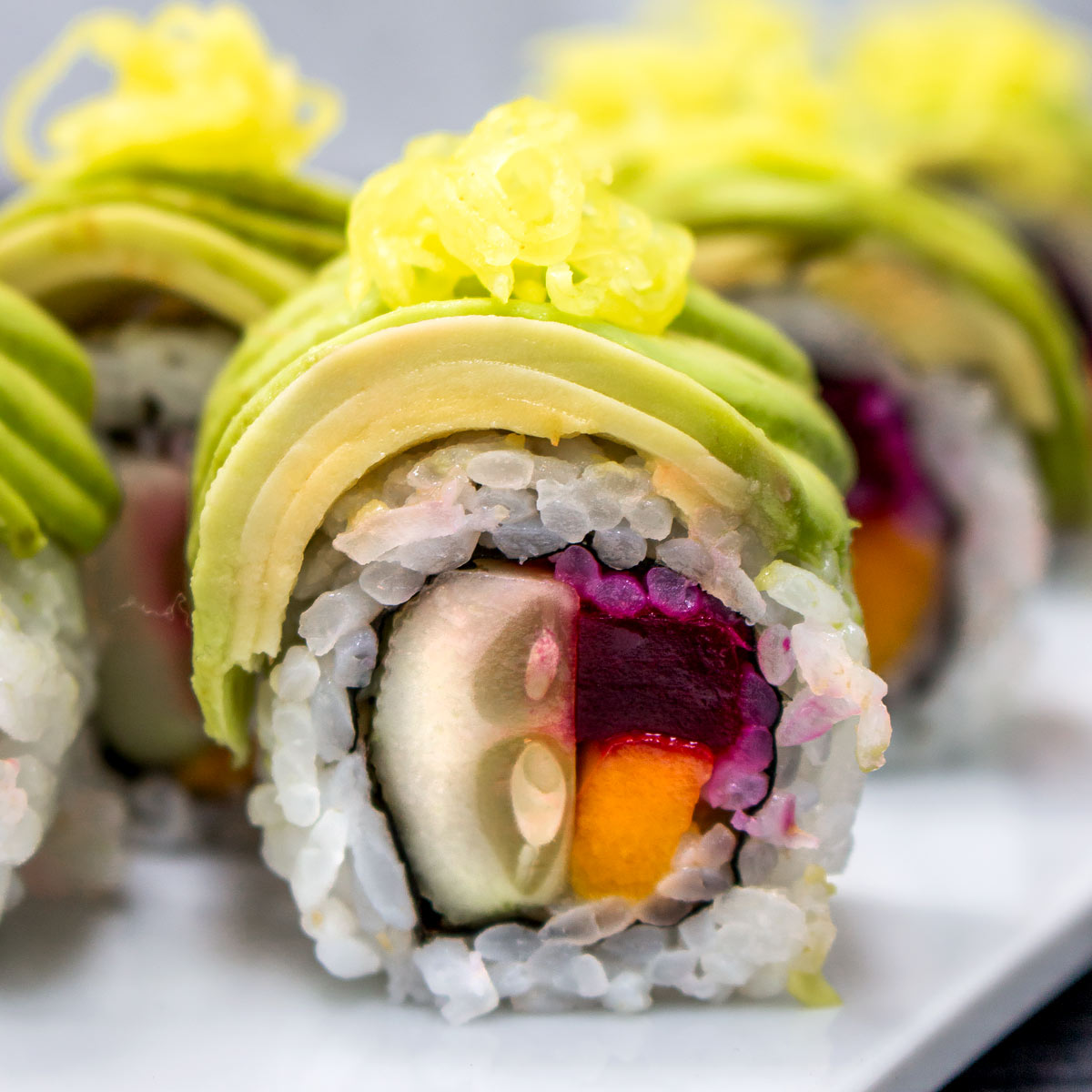


As an Amazon Associate, we may earn from qualifying purchases.
Season rice to taste
Sushi rice is the canvas, not the background. If the seasoning is off, no amount of high-grade fish can save the bite. The goal is balance: the rice should taste like rice, slightly brightened by vinegar and salt, with just a whisper of sweetness to round the edges.
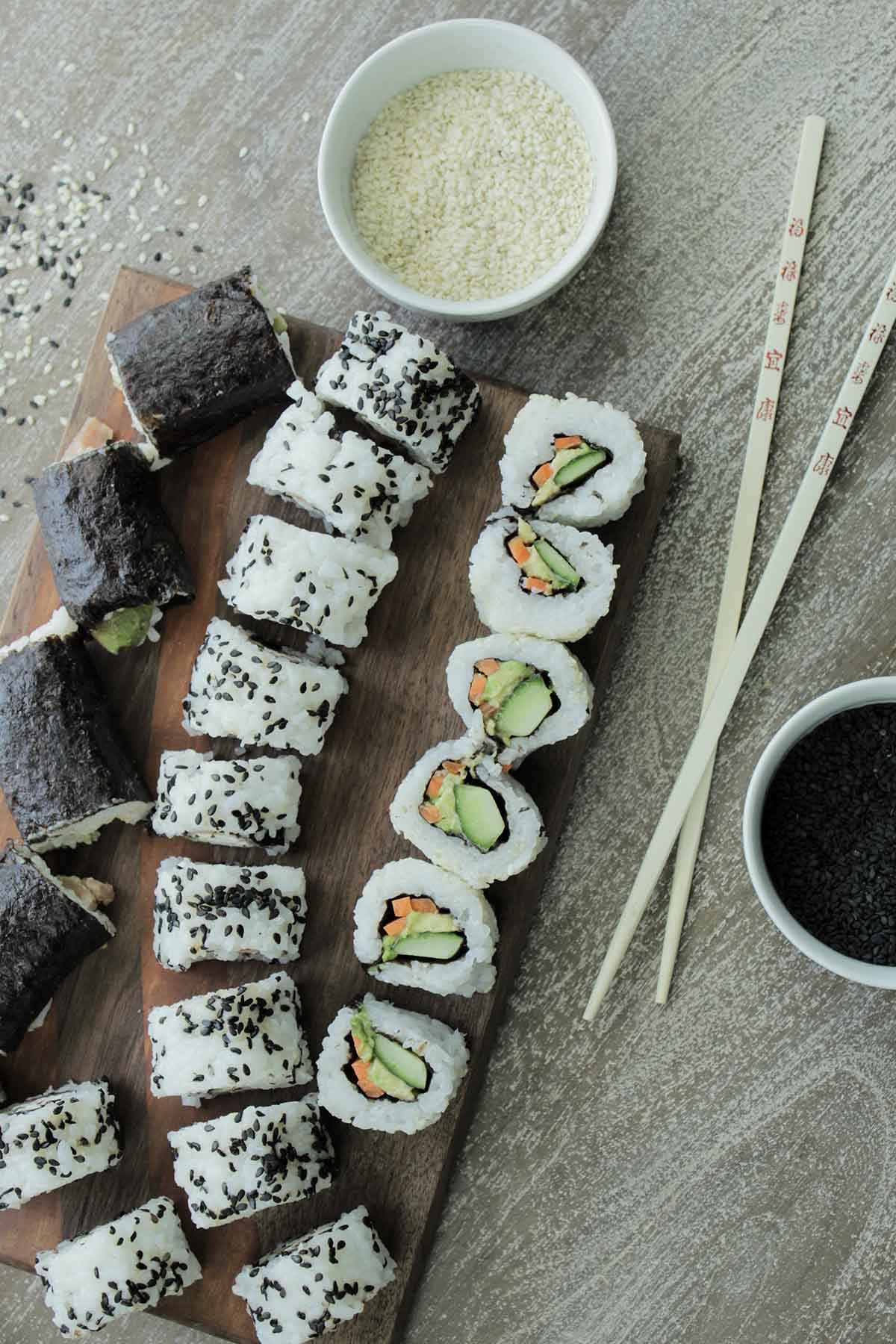
Start with a standard sushi rice seasoning ratio: 5 tablespoons rice vinegar, 2 tablespoons sugar, and 1 teaspoon salt per 2 cups of uncooked rice. Heat this mixture gently until the solids dissolve. Do not boil; you want the vinegar to stay sharp and aromatic, not cooked down into a syrup.
Pour the warm vinegar mixture over freshly steamed rice in a wide, shallow wooden tub (hangiri) or a large non-reactive bowl. The wood helps the rice cool evenly and prevents the heat from turning the grains mushy. Use a cutting motion with a rice paddle to distribute the liquid without crushing the grains.
Fan the rice vigorously while folding it. This cools the grains quickly, giving them a glossy, distinct texture rather than a sticky, gummy mass. Stop when the rice is body temperature and each grain shines individually. Taste a small spoonful; it should be slightly salty and tangy, not sweet.
This seasoning profile is critical for building a sushi palate because it trains your tongue to detect the subtle differences in fish fat and texture. If the rice is too sweet, it masks the natural umami of the fish. If it is too sour, it overpowers the delicate oils. A properly seasoned grain acts as a neutralizer, cleaning the palate between bites so you can appreciate the next piece exactly as the chef intended.
Roll tight and even
A loose roll falls apart the moment you slice it. The goal is structural integrity: the nori must hold the rice and filling together without bursting, while the cross-section reveals a clean, concentric circle. This technique relies on tension, not force. You are compressing the ingredients into a cohesive unit, not crushing them.
Lay the fillings straight
Place your fillings in a single, straight line across the center of the nori. Do not scatter them. A misaligned center creates uneven pressure when you roll, causing one side to bulge while the other stays loose. Keep the fillings close to the center line, about an inch from the bottom edge.
Lift and tuck
Lift the edge of the bamboo mat closest to you. Fold it over the fillings so the nori meets the rice on the far side. Press down gently with your thumbs to seal the first fold. This initial tuck is the most critical step; if it is loose, the entire roll will be unstable. Keep the mat tight against the roll as you complete the fold.
Tighten the cylinder
Once the first fold is sealed, lift the mat slightly and roll the sushi over itself. Use your fingers to apply even pressure along the length of the cylinder. You should feel the rice and nori compress into a firm shape. Avoid squeezing too hard, which bursts the nori, or too lightly, which leaves gaps. The roll should feel solid, like a firm nigiri base.
Shape and slice
Remove the mat and inspect the roll. If any side is flat, gently round it with your hands. Use a sharp, wet knife to cut the roll in half, then cut each half into three or four pieces. Wipe the knife between cuts to prevent rice from sticking. A clean cut reveals the tight spiral inside, proving the roll was executed correctly.
Buy fish safely
Sourcing fish for sushi requires treating the product as a safety-critical ingredient, not just a grocery item. The term "sushi-grade" is a marketing label, not a federal safety standard. To ensure the fish is safe to eat raw, you must rely on proper handling and freezing protocols that kill parasites.
Start by asking your fishmonger specific questions. Do not settle for vague assurances. Ask if the fish was flash-frozen at -4°F (-20°C) or below for at least seven days. This process, mandated by the FDA for parasite destruction, is the primary safeguard for home consumers. If the fish was not frozen to this standard, it is not safe for raw consumption unless it was previously cooked.
Visit specialty markets or high-end grocery stores with high turnover. Large supermarkets often sell fish intended for cooking, which may harbor parasites. Look for clear labeling indicating the fish was frozen for raw consumption. If the label is missing, ask the staff to verify the freezing history. Transparency is a sign of a reputable supplier.
When inspecting the fish, use your senses. The flesh should be firm, not mushy. It should smell like the ocean, not fishy or ammonia-like. Any discoloration or slimy texture is a red flag. Trust your instincts; if it looks or smells off, do not buy it.

To help you find the right products, here are some reputable sources for frozen sushi-grade fish and related tools.

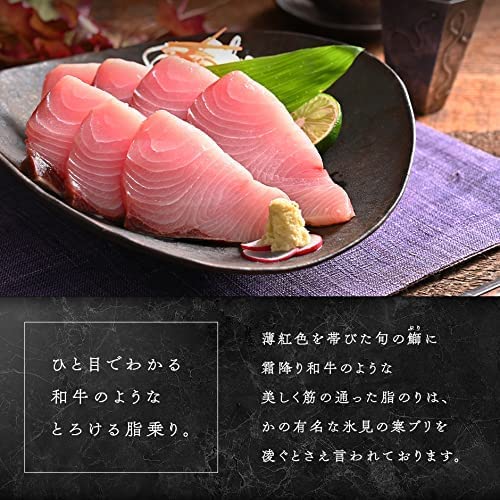

As an Amazon Associate, we may earn from qualifying purchases.
Cleanse the palate
Sushi is a study in contrasts. One bite might be rich and fatty, the next bright and acidic. If you move straight from a heavy otoro to a lean akami, the flavors collide rather than complement. You need a reset button to appreciate what comes next.
Many diners reach for the pickled ginger (gari) thinking it scrubs the tongue clean. In reality, ginger is a condiment meant to be eaten with the fish, not between courses. Its sharp sweetness actually lingers, masking the subtle nuances of the next piece. It is tradition, not technique.
To truly reset, you need something neutral and slightly astringent. A small sip of hot green tea works best. The tannins cut through any residual oil, while the heat soothes the palate without overwhelming your taste buds. Alternatively, a plain cracker or a small bite of plain white rice can absorb lingering flavors without adding new ones.
Think of your palate like a canvas. If you paint over a wet layer of dark blue with light yellow, you get muddy brown. Let the first layer dry—or wipe it clean—before applying the next. This pause lets you taste the chef’s intent, not just the intensity of the previous bite.
Common rolling mistakes
Even experienced rollers hit snags. The most frequent culprits are loose rolls, soggy nori, and rice sticking to your hands. Fixing these issues is less about technique and more about preparation.
-
Keep a small bowl of water nearby for wetting your hands.
-
Pat the nori sheet dry if it feels humid.
-
Spread rice thin and leave a 1-inch gap at the top edge.
-
Use a sharp knife and wipe it between cuts.
-
Keep your bamboo mat clean and dry before starting.
Loose rolls
If your roll falls apart, you likely didn’t press firmly enough or used too much filling. Start by placing your fillings in a tight line near the bottom edge. Roll the mat firmly but gently, squeezing from the sides to compact the rice. A loose roll often means the rice wasn’t sticky enough or the nori was too dry.
Soggy nori
Wet fillings or a humid kitchen can make nori limp before you even start. Keep high-moisture ingredients like cucumber or tomato on the inside, wrapped in a layer of rice or nori. If the nori feels soft, swap it for a fresh sheet. A crisp sheet is essential for a clean cut and satisfying crunch.
Rice sticking to hands
Sticky rice is frustrating and messy. Wet your hands with tezu (vinegar water) before handling the rice. This prevents sticking and keeps your hands clean. If the rice still clings, add a bit more water to your bowl. Dry hands will tear the nori and create uneven rolls.
No comments yet. Be the first to share your thoughts!