

Sushi Automation Arrives
I remember my first attempt at making California rolls. It was, frankly, a disaster. Sticky rice everywhere, seaweed tearing, and a final product that resembled something a toddler made. For years, home sushi making felt like a skill reserved for the patient and incredibly coordinated. But that’s starting to change. A wave of new tools, powered by artificial intelligence, promises to bring perfectly rolled sushi into the average kitchen.
These aren’t just gadgets; they represent a fundamental shift. We're moving away from relying solely on years of practice to achieve consistent results. While the idea of robots in the kitchen might sound futuristic, the groundwork is being laid now, with increasing attention to security – even at the federal level. The National Institute of Standards and Technology (NIST) has initiatives like SUSHI@NIST focusing on secure hardware, demonstrating the growing sophistication and importance of technology in all aspects of our lives, including food preparation.
The appeal is clear. Many people love sushi but are intimidated by the process. These AI-powered machines aim to remove that barrier, making it easier than ever to enjoy fresh, homemade sushi. It’s a move towards democratization of a culinary art, opening it up to those who previously thought it was beyond their reach. This isn’t about replacing skilled sushi chefs, it's about expanding access and enjoyment.
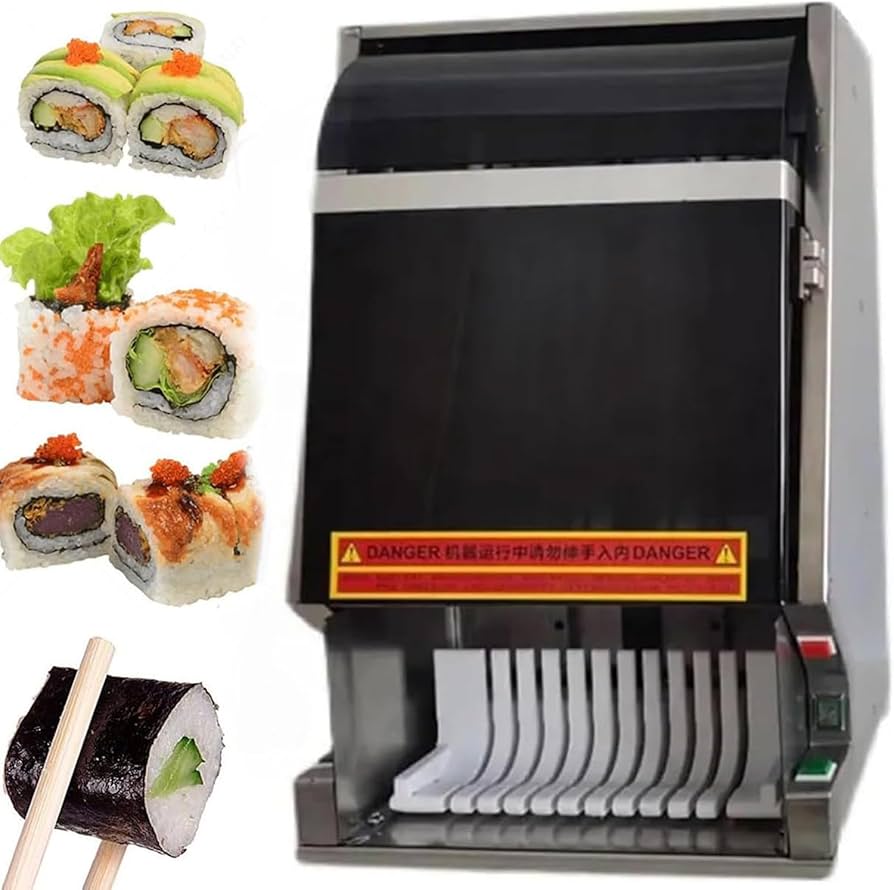
The Mechanics of Intelligent Rolling
So, how do these machines actually work? At their core, they rely on a combination of computer vision, robotics, and sophisticated sensors. Computer vision systems "see" the ingredients – recognizing the rice, nori, and fillings – allowing the machine to adjust its movements accordingly. It's not about identifying what something is, but where it is in relation to everything else.
Robotic arms, or similar automated mechanisms, then take over, precisely placing the ingredients onto the nori sheet. These aren’t the clunky robots of industrial assembly lines; they're designed for delicate movements. Crucially, pressure sensors ensure the roll is consistently firm, but not crushed. This consistency is something even experienced home sushi makers struggle to achieve.
Many machines come pre-programmed with recipes for popular sushi types, like California rolls and spicy tuna rolls. But the real potential lies in customization. Users can adjust the amount of rice, the fillings, and the tightness of the roll to suit their preferences. The machines learn, in a sense, from user input, refining their technique over time. Consistent rice texture is a major hurdle for home cooks, and these machines often incorporate features to ensure perfectly cooked and seasoned rice.
Beyond Rolling: Ingredient Prep & AI
The automation doesn’t stop at the rolling stage. The future of AI-powered sushi making extends to ingredient preparation. While fully automated fish slicing is still some years away, we’re already seeing tools that can precisely measure rice and water, ensuring perfect consistency. I’ve seen demonstrations of systems that can even suggest flavor pairings based on your past preferences.
Imagine an AI that analyzes your dietary restrictions, spice tolerance, and favorite flavors to recommend sushi combinations you might never have considered. This isn’t just about convenience; it’s about expanding your culinary horizons. These systems could also track ingredient freshness, alerting you when fish or vegetables are nearing their expiration date, reducing food waste.
The potential for ingredient tracking is significant. An AI could monitor your sushi supply and automatically generate a shopping list when you’re running low on nori or avocado. This level of integration would turn sushi making from a project into a seamless, ongoing experience. It's a natural progression from automating the rolling process to managing the entire sushi ecosystem.
Current Players & What They Offer
As of late 2026, the market for AI-powered sushi machines is still relatively nascent. There aren’t a huge number of established players, but several companies are making waves. Wishesfuel offers the 'Sushi AI Arnold' which is a good example of an early adopter in the space. It's still a relatively simple machine, focusing primarily on automating the rolling process.
Most available models focus on automating the rolling process, with varying degrees of success. Features like ease of cleaning are a major selling point – nobody wants to spend hours disassembling and scrubbing a complex machine. Capacity is also important; some machines can only roll one or two rolls at a time, while others can handle larger batches. The number of pre-sets for different sushi types varies between models.
However, it’s important to be realistic about the limitations. These machines can’t yet replicate the artistry of a skilled sushi chef. They may struggle with certain ingredients or complex roll designs. The price range currently falls between $300 and $800, depending on features and brand. The market is evolving rapidly, and we can expect to see more sophisticated and affordable options in the coming years. Don't expect perfection, but a significant improvement over manual rolling.
The Sushi-Grade Fish Question
One critical concern when making sushi at home, automated or not, is sourcing sushi-grade fish. It’s a term that’s often thrown around, but it’s surprisingly poorly defined. There isn't a legal definition of 'sushi-grade' in most regions. It generally refers to fish that has been handled and frozen properly to kill parasites.
Using improperly sourced fish can pose serious health risks. It’s essential to purchase fish from a reputable supplier who understands the specific requirements for sushi-grade fish. Look for suppliers who can demonstrate traceability – knowing where the fish came from and how it was handled. The NYCOURTS.GOV case files demonstrate the importance of food safety regulations and traceability, even if they don't specifically address sushi.
In the future, AI could play a role in verifying supplier certifications and tracking fish provenance. Imagine a system that scans a QR code on the fish packaging and instantly verifies that it meets the required safety standards. This would provide consumers with greater peace of mind and help ensure the quality and safety of their homemade sushi. For now, careful research and a trusted supplier are your best defenses.
Customization & The Future of Flavor
The real excitement lies in the potential for AI to personalize the sushi experience. Machines could learn your individual preferences – your favorite fillings, your preferred level of spice, even your texture preferences – and suggest novel flavor combinations tailored to your taste. I think the biggest opportunity is in making niche sushi styles, like temaki or oshizushi, more accessible to home cooks.
Looking further ahead, we might see the emergence of 3D-printed sushi. While still a distant possibility, this technology could allow for the creation of entirely new sushi forms and textures. Imagine sushi shaped like flowers, animals, or even personalized portraits. It sounds far-fetched, but the technology is rapidly advancing.
The integration of AI with recipe platforms and online communities will also be crucial. Users could share their custom sushi recipes with others, creating a collaborative ecosystem of flavor innovation. A machine could learn from the collective wisdom of the community, constantly refining its recommendations and expanding its repertoire. This could lead to a golden age of sushi creativity.
Cost vs. Convenience: Is it Worth It?
So, is an AI-powered sushi machine worth the investment? The answer depends on your individual circumstances. Compared to the cost of buying sushi regularly – let's say $30-$50 per meal for a family of four – the upfront cost of a machine might seem reasonable. It's also cheaper than taking a professional sushi-making class, which can easily cost several hundred dollars.
The biggest benefit is the time savings and the reduction in frustration. No more sticky rice disasters or uneven rolls. You can enjoy fresh, homemade sushi with minimal effort. However, it’s important to acknowledge that the quality may not yet match that of a skilled sushi chef. The texture of the rice and the precision of the cuts may still be slightly off.
Ultimately, this technology is for sushi lovers who value convenience and are willing to experiment. It’s for those who want to enjoy fresh, homemade sushi without the hassle and intimidation of traditional methods. It’s a tool that empowers you to create and customize your sushi experience, opening up a world of flavor possibilities. It’s not a replacement for artistry, but an accessible entry point to a beloved culinary tradition.
No comments yet. Be the first to share your thoughts!