

Prepare your sushi rice
Sushi rice is the canvas for your sushi palate. If the foundation is flawed, the delicate balance of flavors in every roll or nigiri collapses. The goal is not just cooked rice, but seasoned grains that are glossy, distinct, and held together by a precise balance of acidity, sweetness, and salt.
Cook the rice properly
Start with short-grain Japanese rice. Rinse it thoroughly in cold water until the runoff is clear to remove excess starch. This step ensures the final texture is sticky enough to hold together but not gummy. Cook the rice using a 1:1.1 rice-to-water ratio. Whether you use a rice cooker or a pot, the key is to let it steam fully without lifting the lid prematurely. Overcooked rice loses its structural integrity, making it impossible to shape into clean rolls.
Season while warm
Once the rice is cooked, transfer it to a wide, non-metallic bowl (traditionally a wooden hangiri) to cool slightly. This prevents the rice from becoming mushy from residual heat in a metal pot. Mix rice vinegar, sugar, and salt into a warm liquid, then drizzle it evenly over the rice. Use a cutting motion with a rice paddle to fold the seasoning in. This technique coats every grain without crushing them, preserving the individual texture that defines high-quality sushi rice.
Cool and cover
Fan the rice while folding to help it absorb the seasoning and achieve a glossy sheen. This rapid cooling stops the cooking process and firms up the grains. Cover the bowl with a damp cloth to prevent the surface from drying out. The rice should reach room temperature before you begin rolling. Cold rice is stiff and hard to shape; hot rice is sticky and difficult to handle. The ideal temperature allows your hands to work the rice without burning you, ensuring a consistent grip for your sushi palate.
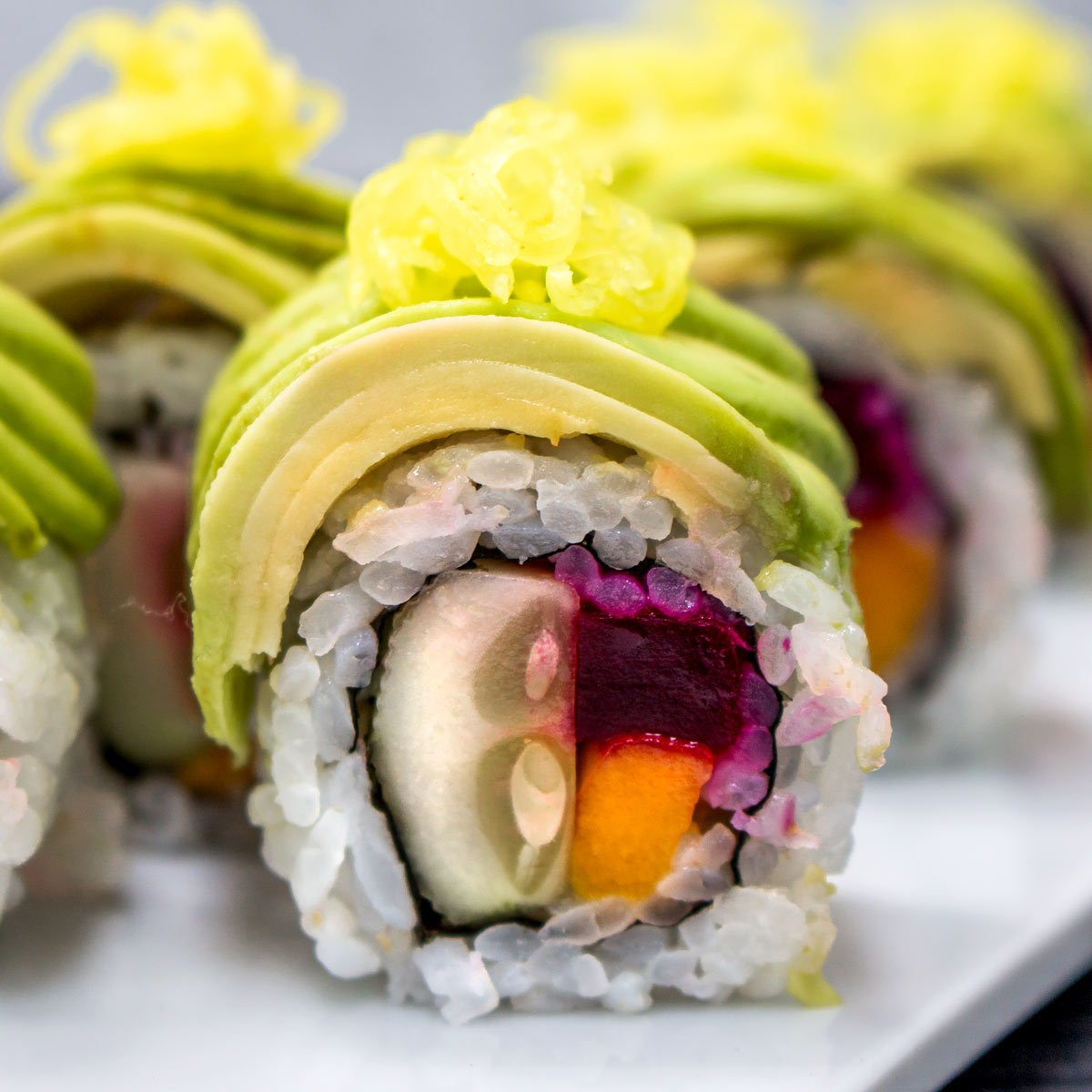
Wash short-grain rice repeatedly until the water runs clear. This removes surface starch and prevents a gummy texture.
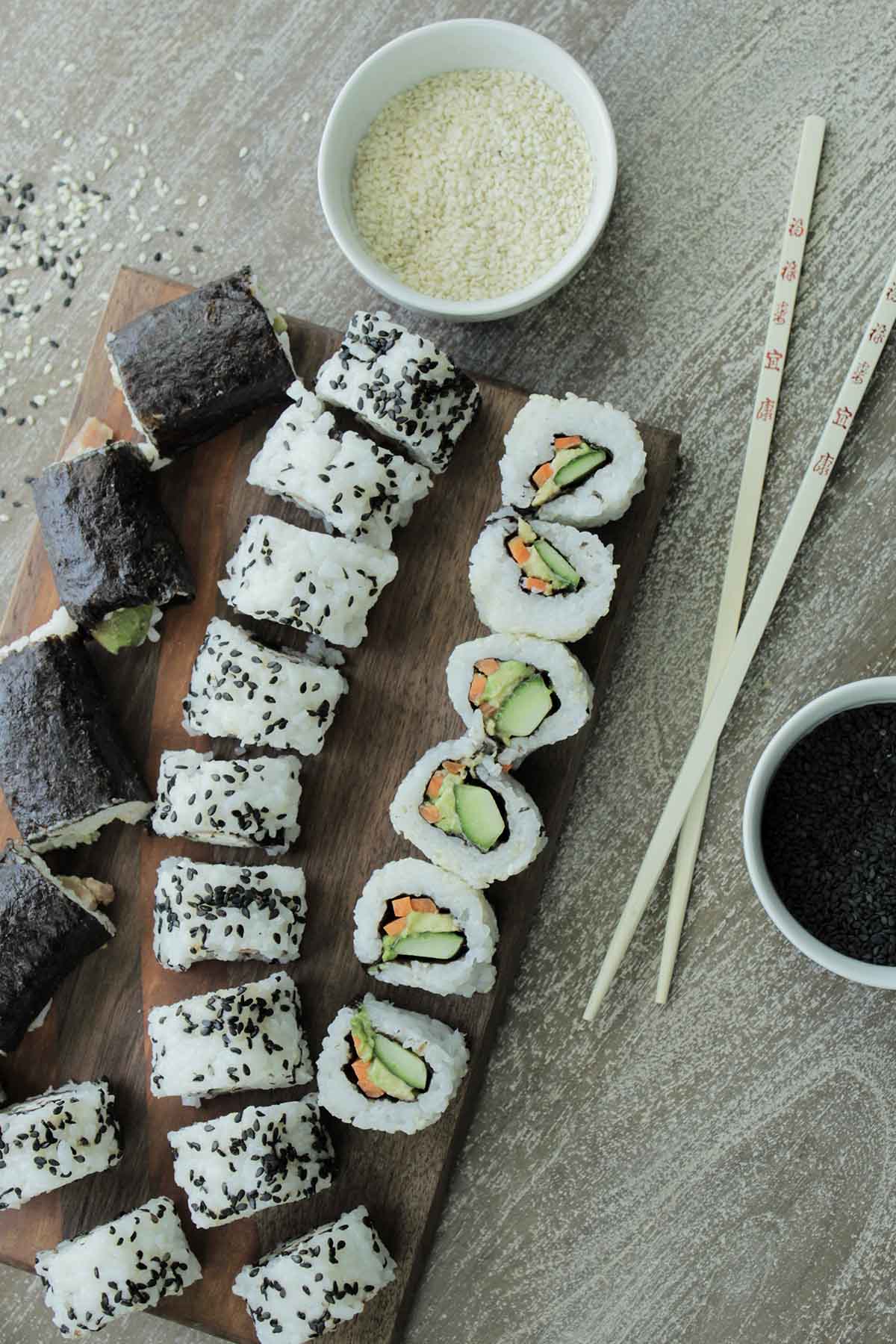
Use a 1:1.1 rice-to-water ratio. Cook until fully steamed, keeping the lid closed to maintain consistent heat.
Drizzle a mixture of vinegar, sugar, and salt over the hot rice. Fold gently with a cutting motion to coat grains evenly.
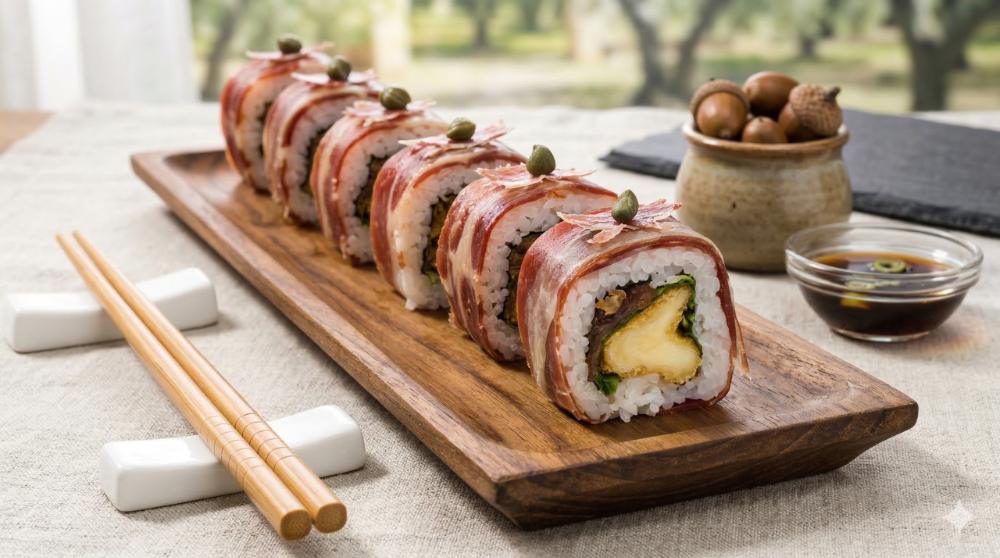
Fan the rice to create a glossy finish and cool it to room temperature. Cover with a damp cloth to prevent drying.
Assemble your first roll
Building a sushi palate starts with understanding how textures and temperatures interact in your mouth. A well-constructed maki roll is not just a bundle of ingredients; it is a balanced instrument where the acidity of the rice, the creaminess of the fish, and the crunch of the vegetable work in unison. When you roll your first piece, you are learning to control that balance.
The foundation of any roll is the nori. Place a sheet of dried seaweed on your bamboo mat, shiny side down. The matte side faces up, ready to hold the rice. This orientation matters because the textured side grips the rice better, preventing the roll from sliding apart as you tighten it.
Spread a thin, even layer of sushi rice over the nori, leaving a one-inch strip of bare seaweed at the top edge. This gap is the seal. Press the rice gently; do not mash it. You want individual grains that will separate cleanly when bitten, releasing the vinegar seasoning that defines the sushi palate. Too much rice makes the roll dense and overwhelming; too little leaves the nori dry and brittle.
Lay your fillings—cucumber strips, avocado slices, or raw fish—horizontally across the center of the rice. Keep them in a tight line. If you scatter ingredients, the roll will collapse or have uneven bites. Think of the filling as the core of the instrument; it needs to be centered to vibrate correctly.
Lift the edge of the bamboo mat closest to you. Use your fingers to hold the fillings in place while you roll the nori and rice over them. Tuck the bottom edge of the nori tightly under the fillings. This initial tuck determines the structural integrity of the entire roll.
Continue rolling forward, lifting the mat as you go to keep the cylinder tight. Once the roll is complete, use the mat to apply gentle, even pressure. Squeeze from the sides and the ends to fuse the rice grains and secure the shape. The roll should feel firm but not crushed.
Use a sharp, wet knife to cut the roll. Wetting the blade prevents the rice from sticking and tearing the nori. Cut the roll in half first, then align the halves and cut each piece into thirds. Clean the knife between cuts for the cleanest presentation.
The way you assemble the roll directly impacts how the flavors hit your palate. A tight roll ensures that every bite contains rice, nori, and filling in the correct proportion. If the roll is loose, the nori might separate from the rice, changing the texture from crisp to chewy and disrupting the intended flavor profile. Practice this assembly to develop a consistent, reliable sushi palate.
Choose sustainable seafood
Building a refined sushi palate starts with the quality of your ingredients. The best sushi relies on fresh, responsibly sourced fish that highlights natural flavors without overpowering the palate. When you select sustainable options, you not only support ocean health but also ensure a cleaner, more consistent taste in every roll.
Look for certifications like the Marine Stewardship Council (MSC) label or ask your fishmonger about local, seasonal catches. These choices often mean the fish was handled with greater care, preserving its texture and flavor profile. For those who prefer plant-based options, ingredients like avocado, cucumber, or mango offer a crisp, refreshing alternative that complements the rice without the environmental footprint of overfished species.
A responsible sushi palate also means understanding the difference between wild-caught and farmed options. Wild-caught fish often have a firmer texture and more distinct flavor, while farmed varieties can be milder and fattier. Experimenting with both helps you develop a nuanced understanding of how sourcing affects taste. By prioritizing sustainability, you align your culinary choices with a deeper appreciation for the ocean's resources.
Check for MSC labels or ask your fishmonger about local, seasonal catches to ensure quality and responsibility.
Use ingredients like avocado, cucumber, or mango for a crisp, refreshing alternative that complements the rice.
Experiment with both wild-caught and farmed options to understand how sourcing affects texture and flavor.
Fix common rolling mistakes
Even experienced chefs encounter rough patches when refining their sushi palate. The difference between a messy roll and a clean slice often comes down to recognizing specific errors early. When you identify the problem, you can adjust your technique immediately, turning frustration into a learning moment.
Rice sticks to your hands
This is the most frequent hurdle for beginners. It usually means your hands are too dry or your sushi rice has cooled too much, losing its natural tackiness.
- Keep a bowl of tezu (vinegar water) nearby. Dip your fingers in before handling the rice.
- Use a gentle, cupping motion rather than pressing down hard.
- If the rice feels too sticky, add a tiny drop more water to your tezu.
The roll falls apart
A loose roll often results from using too much filling or rolling too tightly. If the ingredients push against the nori with too much force, the structure breaks when you slice it.
- Use less filling: Stick to 2-3 ingredients max.
- Roll loosely: Let the nori hold the shape without squeezing.
- Check the nori: Ensure it’s fresh and not brittle.
Nori tears easily
Torn nori ruins the presentation and makes rolling difficult. This happens when the sheet is old, handled roughly, or exposed to humidity.
- Store nori in an airtight container away from heat.
- Handle the sheet by the edges only.
- If a tear occurs, patch it with a small piece of spare nori before adding rice.
Rice is too dry or too wet
The texture of your rice dictates the entire eating experience. Dry rice crumbles; wet rice becomes mushy and sticks to the mat.
- Too dry? Add a splash of rice vinegar mixture to the bowl.
- Too wet? Spread the rice on a clean towel for a minute to let excess moisture evaporate before rolling.
Wrapping up
Mistakes are part of the process. Each error teaches you something about how the ingredients interact. Focus on consistency, not perfection, and your sushi palate will improve with every roll.
Taste and refine your palate
Eating your roll is the final step of the process. Before you finish the piece, pause to assess the balance. A well-built roll should have harmony between the vinegar-seasoned rice, the freshness of the fish, and the crunch of the nori. If one element dominates, note which one. Did the rice feel too sticky or dry? Was the fish overwhelming the subtle flavors of the vegetables? This sensory feedback is how you build your sushi palate, turning casual eating into a critical skill.
Pay attention to texture. The rice should be tender but distinct, not mushy. The nori should provide a crisp contrast that softens slightly with moisture but doesn't turn soggy. If the roll feels heavy or greasy, you may have used too much sauce or mayonnaise. Conversely, if it lacks cohesion, you might need to roll tighter or adjust the ratio of ingredients.
Use ginger to reset your taste buds between different rolls. While often mistaken for a simple garnish, pickled ginger serves a functional purpose. It clears residual flavors from your mouth, allowing you to appreciate the next piece without interference. This practice helps you distinguish between the subtle differences in fish quality and rice seasoning.
-
Rice is seasoned but not overpowering
-
Nori provides crisp contrast
-
Fish is fresh and not mushy
-
Balance of flavors is harmonic
-
Ginger used to reset palate
Common mistakes to avoid
New sushi makers often overcomplicate their rolls. Adding too many ingredients creates a cluttered flavor profile that masks the quality of the rice and fish. Stick to two or three fillings per roll to maintain clarity. Another frequent error is using low-quality nori. Old or damp seaweed loses its crunch and develops a bitter taste, ruining the texture balance. Always check the expiration date and store nori in an airtight container.
Over-rolling is another pitfall. If the roll is too tight, the rice may crack or the ingredients may burst out. If it's too loose, the roll falls apart. Aim for a firm but gentle pressure. Finally, avoid cutting the roll with a dull knife. A clean cut preserves the integrity of the ingredients and makes the visual presentation more appealing, which enhances the overall eating experience.
Frequently asked: what to check next
No comments yet. Be the first to share your thoughts!