

Sushi, AI, and 2026
The world of fine dining and the cutting edge of artificial intelligence aren’t often mentioned in the same breath. Yet, in 2026, we’re seeing a surprising and rapidly developing intersection: AI-powered sushi making. It sounds a little strange, I admit. The idea of a robot crafting delicate rolls feels… wrong somehow. But the technology is advancing quickly, and it’s poised to change how we approach this beloved cuisine at home.
For years, home sushi rolling has been a pursuit marked by both appeal and frustration. The appeal is obvious – fresh, delicious, and customizable sushi is a fantastic meal. The frustration? It’s hard. Achieving perfectly seasoned rice, tight rolls, and aesthetically pleasing presentation requires skill, practice, and a good deal of patience. Many people give up after a few attempts, resorting to takeout or pre-made options.
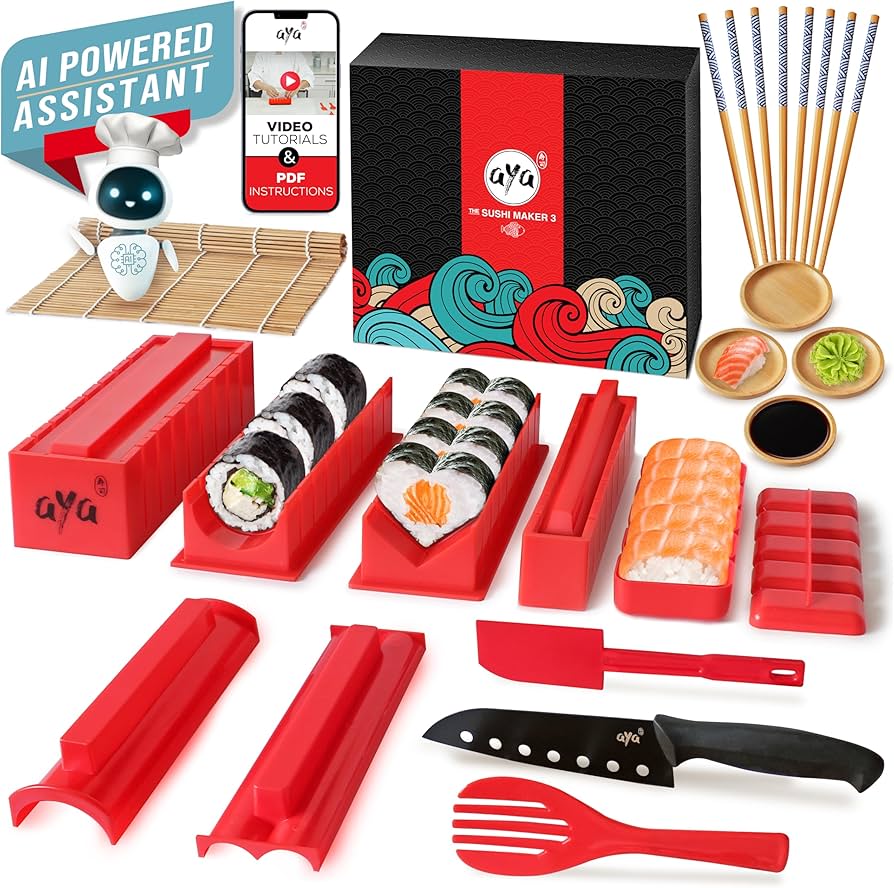
This is where AI enters the picture. A growing number of companies and developers are exploring how artificial intelligence and smart kitchen tools can simplify and improve the home sushi-making experience. From AI-generated sushi designs to fully automated rolling devices, the goal is to make restaurant-quality sushi accessible to everyone. It's not about replacing the artistry of a sushi chef, but about democratizing the process and removing the barriers to entry for enthusiastic home cooks.
The initial wave of interest seems to be driven by both novelty and a genuine desire for convenience. People are fascinated by the idea of using AI to create unique sushi combinations, and they’re eager to find tools that can help them overcome the technical challenges of rolling. While it’s still early days, the potential for AI to revolutionize home sushi making is undeniable. We’re on the cusp of a shift, and 2026 is shaping up to be a pivotal year.
AI-Generated Sushi Designs
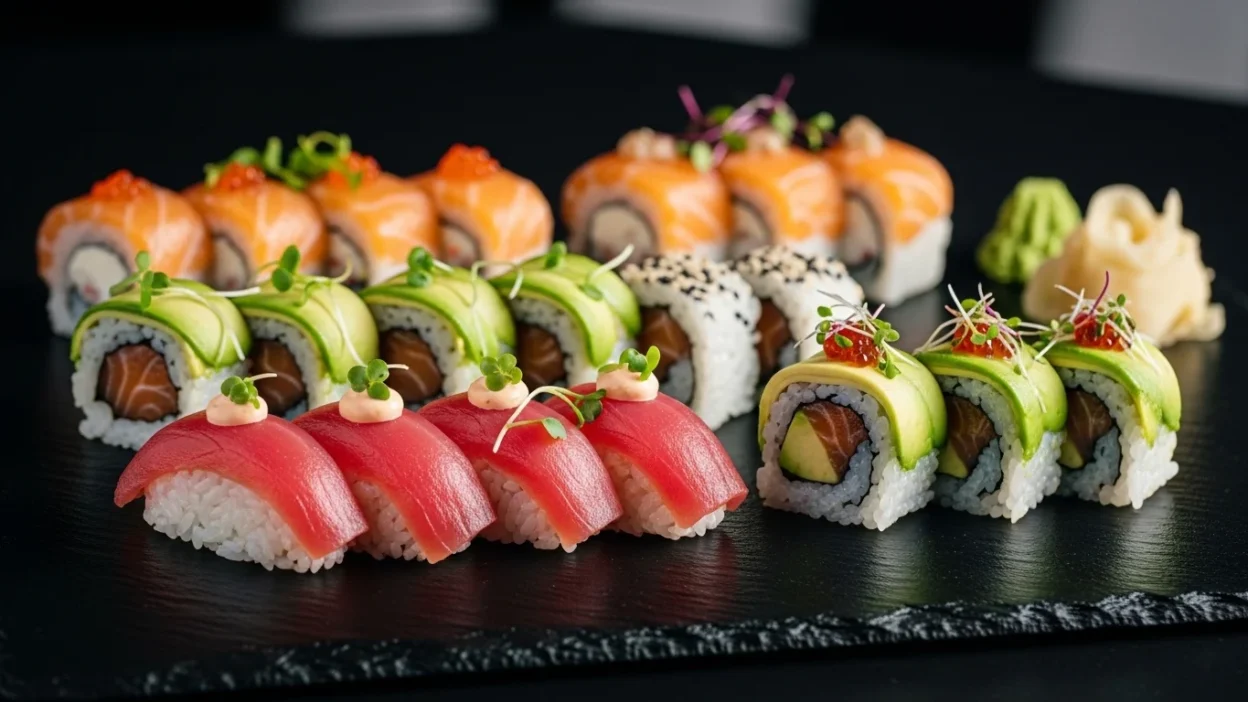
Before we even get to the mechanics of rolling, AI is already being used to design sushi. This might seem less immediately useful than a robotic chef, but it’s a fascinating application of the technology and a surprisingly good indicator of where things are headed. Several platforms and social media trends demonstrate this, notably examples circulating on Instagram and detailed in resources like WishesFuel.com.
The Instagram posts show creations generated by simply prompting an AI with a request. The results are often visually striking, sometimes bordering on bizarre. It's clear that the AI isn't necessarily focused on creating edible sushi, at least not initially. It’s more about exploring aesthetic possibilities and pushing the boundaries of what sushi can look like. The WishesFuel.com site, dedicated to AI-generated design, highlights this trend, showcasing a range of unique sushi concepts.
What's particularly interesting is the ability to input parameters. Users can specify criteria like 'vegan', 'spicy', 'traditional Japanese', or even 'fusion cuisine' and the AI will attempt to generate designs that meet those requirements. The quality of the results varies, of course, but the potential for personalized sushi creation is significant. It's a starting point for inspiration, a way to overcome creative blocks, or simply a fun experiment.
However, current AI design tools have limitations. They don’t always understand the structural integrity of a sushi roll. An AI might design a roll that looks amazing but would immediately fall apart if you tried to make it. They also don’t fully grasp the nuances of flavor pairing. While they can suggest combinations based on existing data, they often lack the intuition of a seasoned sushi chef. This is an area where further development is needed – AI needs to move beyond aesthetics and understand the practicalities of sushi construction.
The Rise of Automated Rolling
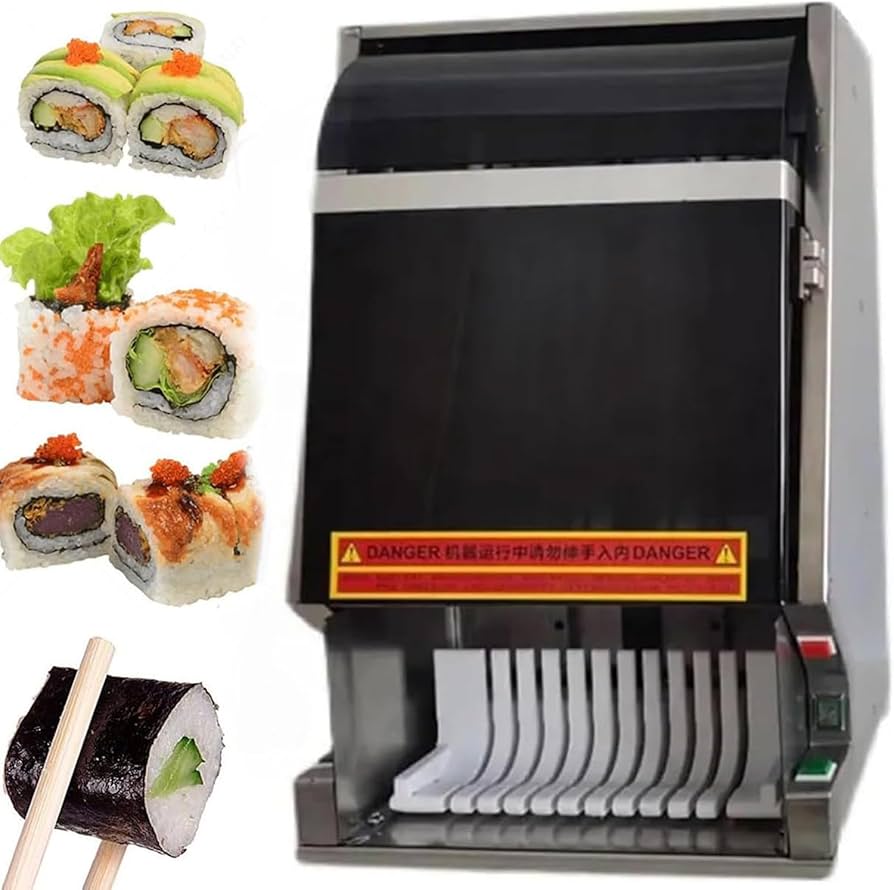
Moving beyond design, the real challenge lies in automating the physical act of rolling sushi. Several companies have attempted to create devices that can handle this process, and while none have yet achieved widespread success, the progress is notable. This isn’t simply a matter of automating a single step; it requires coordinating multiple complex actions with precision and consistency.
The core challenges are significant. Maintaining rice consistency is paramount – the rice needs to be perfectly cooked, seasoned, and have the right texture to hold its shape. Even pressure is crucial for creating tight, well-formed rolls. And then there’s the nori, that delicate sheet of seaweed that can easily tear or become soggy. Handling the nori without damaging it is a significant hurdle.
The mechanisms being explored vary. Some prototypes utilize robotic arms with specialized grippers to manipulate the ingredients. Others employ a system of rollers and molds to shape the sushi. There are also concepts involving a combination of both approaches. The common goal is to replicate the movements of a skilled sushi chef, but with greater speed and accuracy.
The engineering hurdles are substantial. Achieving the right balance between force, speed, and precision requires sophisticated sensors, actuators, and control algorithms. It’s not as simple as programming a robot to perform a repetitive task; each roll is slightly different, and the device needs to adapt accordingly. The consistency of the rice is also a huge factor, and requires tight integration with a rice cooking and seasoning system.
Current Prototypes & Key Players
While a fully polished, commercially available AI-powered sushi roller hasn’t yet hit the market, several companies and projects are actively developing prototypes. Information is still emerging, and much of the development is happening behind closed doors, but we can glean insights from available demonstrations and reports. It’s important to note that the landscape is shifting rapidly, and the details can change quickly.
One approach focuses on creating a fully automated appliance for home use. These prototypes typically feature a built-in rice cooker, a seasoning system, and a robotic arm that handles the rolling process. The user loads the ingredients, selects a recipe, and the machine does the rest. The user experience is designed to be incredibly simple, requiring minimal skill or effort. However, these prototypes often struggle with consistency and can be quite expensive.
Another approach targets restaurants and commercial sushi production. These systems are larger and more complex, capable of producing a high volume of sushi rolls per hour. They often incorporate advanced sensors to monitor rice quality and nori integrity, ensuring consistent results. These systems are more focused on efficiency and cost savings than on providing a user-friendly experience for home cooks.
Several smaller startups are also experimenting with specialized components, such as AI-powered rice cookers that automatically adjust cooking times based on the type and quality of the rice. Others are developing robotic nori handlers that can precisely position and wrap the seaweed around the rice and fillings. The focus is on solving specific challenges within the sushi-making process, rather than creating a complete end-to-end solution. The goal of most of these prototypes is to reduce labor costs and improve consistency in a commercial setting, but the underlying technology could eventually trickle down to home appliances.
Rice, Nori, and AI: The Material Science
The success of AI-powered sushi making isn’t just about mechanics; it’s also about material science. Optimizing the quality of the rice and nori is crucial, and AI is increasingly being used to tackle these challenges. This is where we see some of the most promising and potentially transformative applications of the technology.
AI can be used to analyze rice samples and determine the optimal cooking time and water ratio. Sensors can measure the rice’s moisture content, starch content, and texture, and adjust the cooking process accordingly. This ensures that the rice is always perfectly cooked – fluffy, slightly sticky, and with just the right amount of bite. Some systems even incorporate feedback loops, monitoring the rice during cooking and making adjustments in real-time.
Nori quality control is another area where AI can make a significant impact. AI-powered vision systems can detect imperfections in nori sheets, such as tears, holes, or uneven thickness. This allows manufacturers to reject substandard nori and ensure that only the highest quality sheets are used for sushi making. It can also help to optimize the drying and roasting process, improving the overall quality of the nori.
Furthermore, AI is being used to analyze the chemical composition of rice and nori, identifying factors that contribute to their flavor and texture. This knowledge can be used to develop new varieties of rice and nori that are specifically tailored for sushi making. Ultimately, the goal is to create a closed-loop system where AI monitors and optimizes every aspect of the material supply chain, ensuring consistent quality and flavor.
Beyond Maki: AI and Nigiri
While much of the focus has been on automating the rolling of maki sushi, the application of AI extends beyond this familiar format. Preparing nigiri – those delicate slices of fish atop perfectly formed rice – presents a different set of challenges, but also opportunities for AI assistance. This is a much more delicate process, requiring a higher degree of precision and skill.
Precise fish slicing is paramount for nigiri. AI-powered robotic arms could be equipped with specialized knives and sensors to consistently cut fish into uniform slices, optimizing for texture and presentation. The AI could even analyze the fish’s marbling and adjust the slicing angle accordingly. Rice shaping is equally important – the rice needs to be compacted into a perfect oval shape, firm enough to hold the fish but tender enough to melt in your mouth.
Wasabi application is another area where AI could be helpful. Applying the right amount of wasabi to each piece of nigiri requires a delicate touch. Too much, and it overwhelms the flavor of the fish; too little, and it’s barely noticeable. An AI-powered system could precisely dispense the optimal amount of wasabi based on the type of fish and the diner’s preferences.
However, automating nigiri preparation is significantly more challenging than rolling maki. The process requires a higher degree of dexterity and judgment, and the margin for error is smaller. It’s unlikely we’ll see fully robotic nigiri chefs in the near future, but AI-powered tools could assist human chefs, improving their efficiency and consistency. Gunkanmaki and temaki, with their unique shapes and fillings, present even greater challenges for automation.
The Future of Home Sushi
Looking ahead to 2026 and beyond, what might a fully AI-powered sushi kitchen look like? It’s unlikely to be a single, monolithic appliance. Instead, I envision a collection of specialized tools working in concert – an AI-powered rice cooker, a robotic nori handler, a precision fish slicer, and a smart rolling device. Each component would be optimized for its specific task, and they would all communicate with each other to ensure a seamless and consistent experience.
The cost of such a system is a major question mark. Initially, it will likely be a luxury item, accessible only to affluent consumers and professional chefs. However, as the technology matures and economies of scale kick in, the price should come down, making it more accessible to the average home cook. The key will be to find a balance between functionality, affordability, and ease of use.
The user interface will also be critical. It needs to be intuitive and user-friendly, allowing even novice sushi makers to create restaurant-quality rolls. Voice control and mobile app integration will likely be standard features, allowing users to control the system remotely and access a library of recipes and tutorials. The system might even learn from your preferences, suggesting new combinations and adjusting the settings based on your feedback.
Ultimately, the goal is to empower anyone to create delicious and beautiful sushi at home, regardless of their skill level. AI isn’t about replacing the artistry of the sushi chef; it’s about democratizing the process and making it accessible to everyone. It's about taking a skill that traditionally requires years of training and making it achievable for the everyday enthusiast. It’s a bold vision, but one that’s increasingly within reach.
Are You Ready for AI Sushi?
The year is 2026, and AI-powered kitchen tools are changing the way we make sushi at home. But are *you* ready to embrace this new technology? This quiz will assess your current sushi skills, tech comfort level, and openness to innovation to determine where you stand in the future of sushi making.

No comments yet. Be the first to share your thoughts!