

Choose sustainable fish for your sushi
Building a Sushi Palate starts with the raw material. In 2026, the best sushi comes from sources that protect ocean health while ensuring safety for raw consumption. You need fish that is both environmentally responsible and safe to eat raw, often labeled as "sushi-grade" by suppliers who test for parasites.
Start by looking for certifications. The Marine Stewardship Council (MSC) and Aquaculture Stewardship Council (ASC) labels indicate that the fish was sourced using methods that do not deplete wild stocks or harm the ecosystem. These labels help you identify fish that supports long-term ocean health.
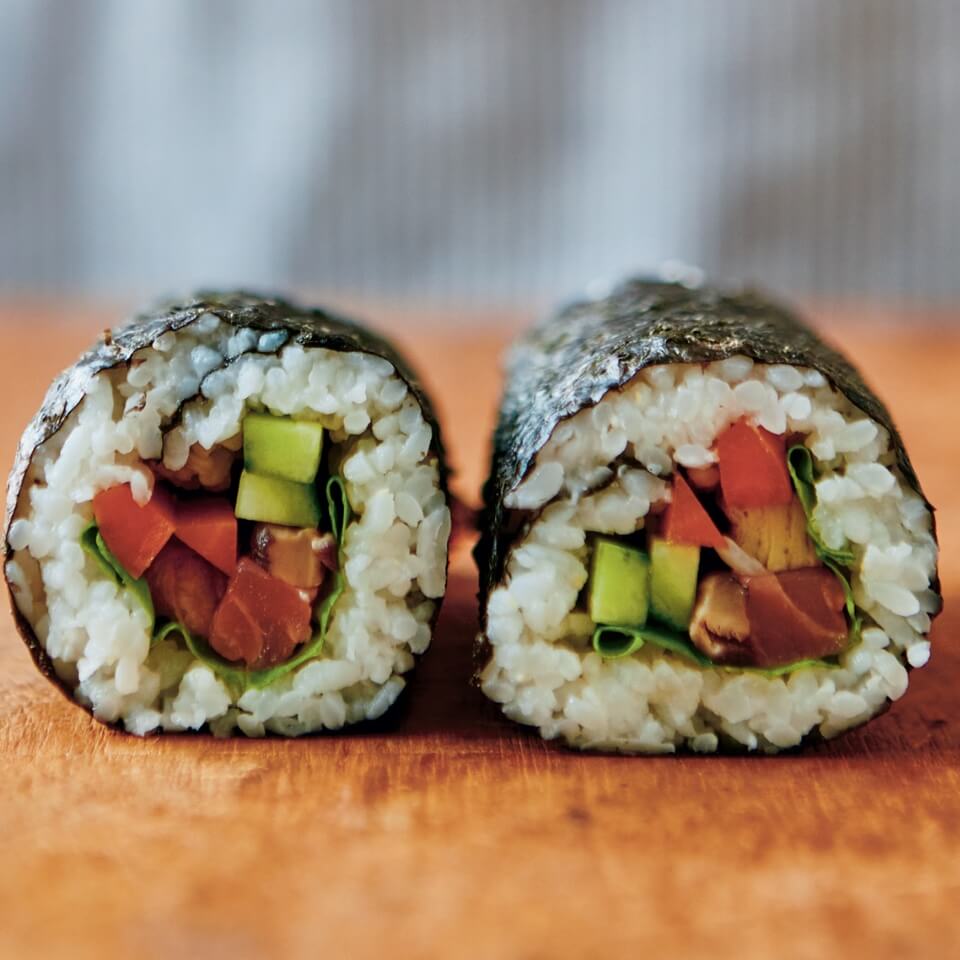
Use the table below to compare common sustainable options. This helps you decide which fish fits your taste and ethical standards.
| Fish Type | Sustainability Status | Flavor Profile |
|---|---|---|
| Atlantic Salmon (Farmed) | ASC Certified | Rich, buttery |
| Albacore Tuna (Line-Caught) | MSC Certified | Mild, firm |
| Rainbow Trout (Farmed) | ASC Certified | Delicate, similar to salmon |
| US-Caught Halibut | MSC Certified | Lean, sweet |


As an Amazon Associate, we may earn from qualifying purchases.
Prepare rice and nori for rolling
Building a refined Sushi Palate starts with the foundation: the rice and the wrapper. Before you touch the fish, you need a cohesive base that holds together without falling apart. The rice provides the subtle sweetness and acidity that balances the umami of the sustainable fish, while the nori adds the necessary structural integrity and oceanic aroma.
Cook the rice to the right texture
The goal is shari—sushi rice that is tender but still holds its shape. Short-grain Japanese rice is non-negotiable for this texture. Cook it with a precise water ratio, typically 1:1.1, and let it steam fully before fluffing. Once cooked, transfer the hot rice to a wide wooden hangiri or a large glass bowl. Fold in a mixture of rice vinegar, sugar, and salt while fanning the rice to cool it quickly. This cooling process gives the grains their signature glossy sheen and prevents them from turning mushy. The rice should be warm to the touch, not hot, and each grain should remain distinct yet sticky enough to cling together.
Select and cut the nori sheets
Nori is the dried seaweed sheet that wraps the roll. For a serious Sushi Palate experience, look for jamu (roasted) nori, which has a deeper, nuttier flavor compared to the milder yaki nori. High-quality nori should be jet black with a slight purple sheen and a crisp snap when broken. Store it in an airtight container away from light and moisture to preserve its crunch. Before rolling, cut the square sheets in half if your rolls are small, or use the full sheet for larger maki. Handle the nori gently; oils from your fingers can make it soggy and ruin the texture before you even start rolling.
Assemble the rolling station
Set up your makisu (bamboo rolling mat) and a bowl of tezu (vinegar-water) nearby. Wetting your hands with tezu prevents the sticky rice from adhering to your skin. Place the nori shiny-side down on the mat. Spread a thin, even layer of rice over the nori, leaving a one-inch strip of bare seaweed at the top edge. This empty strip is essential for sealing the roll later. The rice layer should be thin enough to taste the nori but thick enough to hold the fillings. Practice this assembly line until the rice distribution is consistent; consistency is what separates amateur rolls from professional-grade sushi.
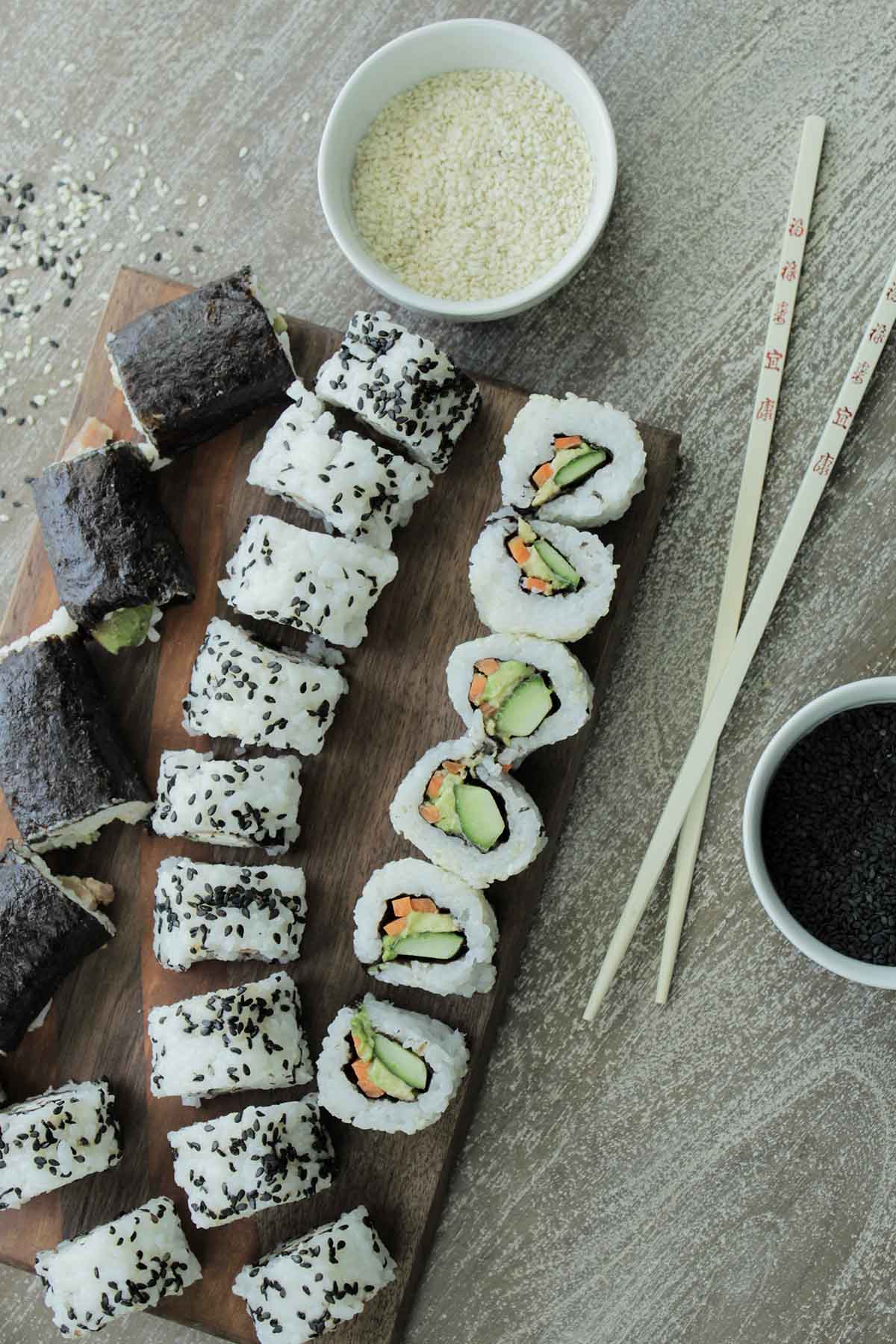
Cook short-grain Japanese rice with a 1:1.1 water ratio. Fan the rice while folding in the vinegar, sugar, and salt mixture until it cools to body temperature and gains a glossy finish.
Choose crisp, jet-black roasted nori. Cut sheets in half for smaller rolls. Keep the nori in an airtight container until use to maintain its structural crunch.
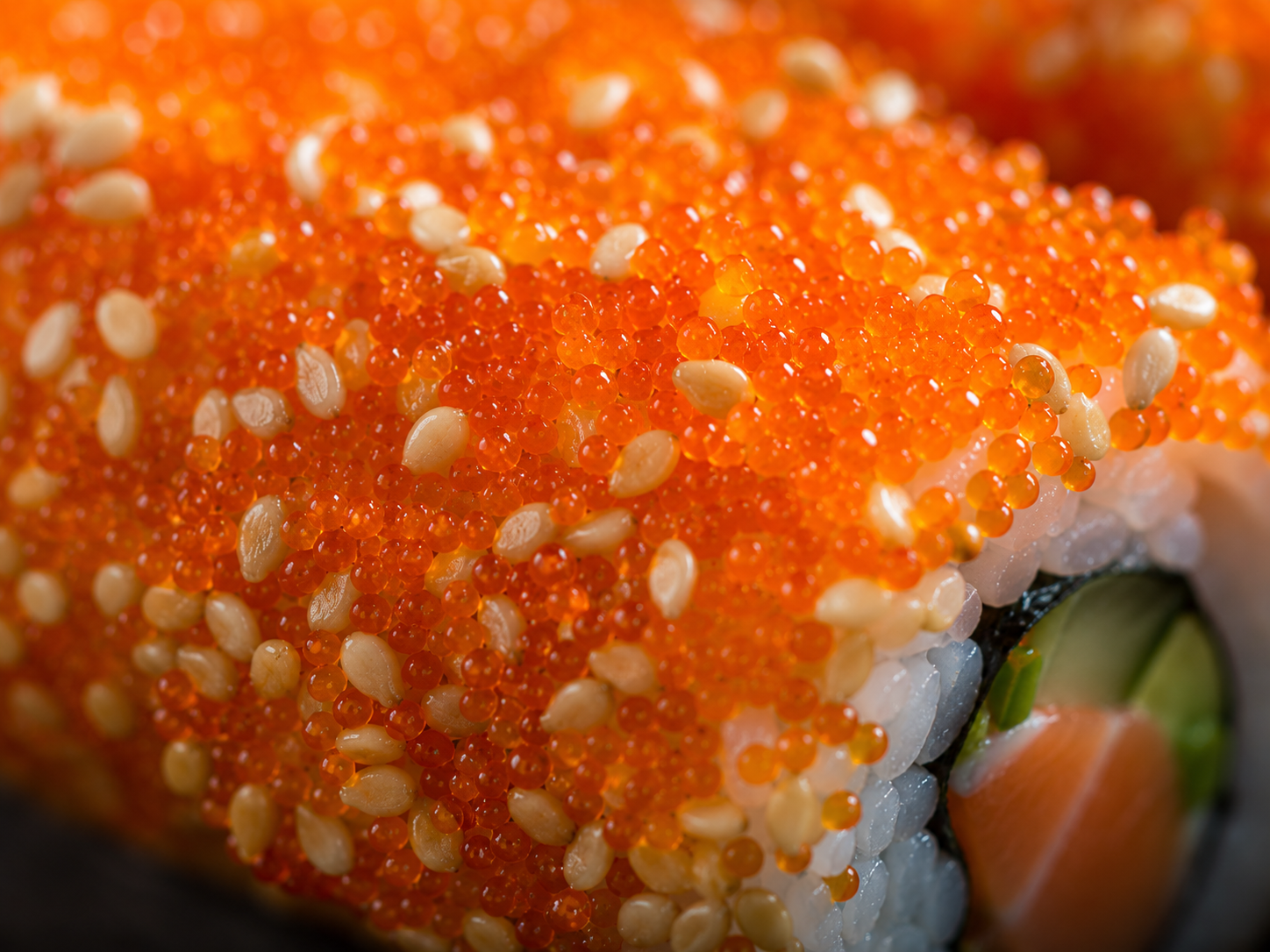
Wet your hands with vinegar water. Spread a thin layer of rice on the nori, leaving a one-inch border at the top. This border is crucial for sealing the roll tightly during the rolling process.
Roll sushi with proper technique
Building a Sushi Palate isn't just about tasting; it's about understanding the structural integrity of the bite. When you roll sushi, you are creating a balanced ecosystem of texture, temperature, and flavor in every piece. A poorly rolled piece collapses into a mushy mess, losing the distinct contrast between the crisp nori, the cool rice, and the tender fish.
The goal is to create a tight cylinder that holds together when sliced but yields easily to the tongue. This requires a rhythmic approach: lay the ingredients, apply consistent pressure, and finish with a clean seal. Think of the roll as a vessel for the Sushi Palate experience—it must be sturdy enough to travel from plate to mouth without breaking, yet delicate enough to release its flavors immediately.
Place a sheet of nori shiny-side down on your bamboo mat. Spread a thin, even layer of sushi rice, leaving a one-inch border at the top. The rice should be cool to the touch and slightly sticky, not wet or clumping. This foundation determines the structural integrity of your roll.
Place your sustainable fish and vegetables in a horizontal line across the center of the rice. Keep the line narrow; overfilling is the most common mistake that causes rolls to burst. Balance heavy proteins with lighter vegetables to ensure every bite has equal weight and texture.
Lift the mat with your thumbs while using your fingers to hold the fillings in place. Roll the nori over the fillings, tucking it tightly underneath. Apply gentle, even pressure along the length of the roll. You want a firm cylinder, not a loose coil. The nori should seal itself with the moisture from the rice.
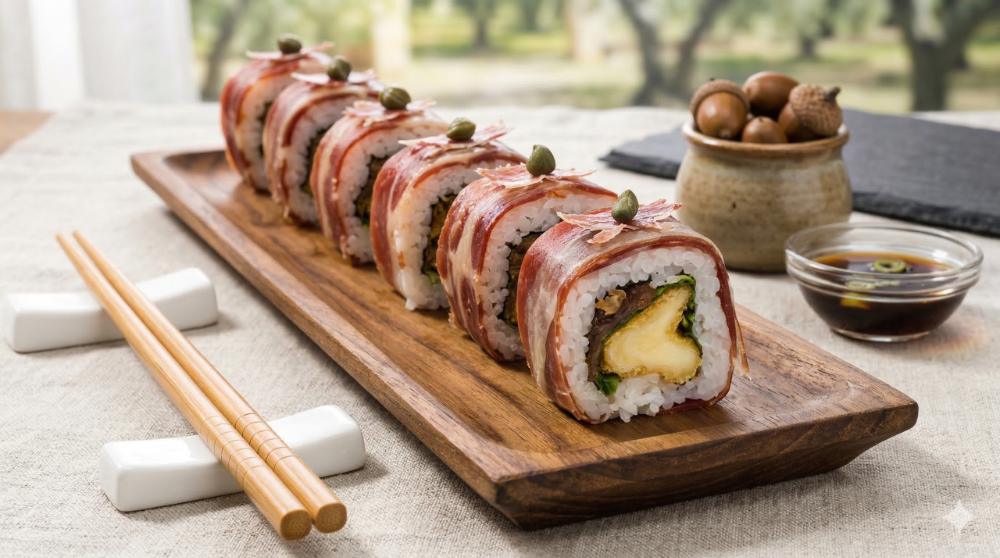
Use a very sharp knife dipped in water to prevent sticking. Cut the roll in half first, then line up the halves to cut into three or four even pieces. Wipe the blade clean between cuts. A clean slice preserves the layers, allowing the Sushi Palate to experience the distinct textures of each ingredient.
The act of rolling is where the Sushi Palate concept becomes physical. You are curating the experience of each bite. If the rice is too loose, the fish slides out. If the nori is too dry, it cracks. Mastering this physical technique ensures that the sustainable fish you chose shines through, unmarred by structural failure.
Serve with traditional accompaniments
Serving sushi correctly requires more than just placing fish on rice; it involves guiding the eater’s palate through a sequence of flavors. To build a true Sushi Palate, you must understand the role of accompaniments and when to use them. Most people treat pickled ginger (gari) as a garnish to be placed on top of the fish, but this is a misconception. Ginger is a palate cleanser, meant to be eaten between pieces to reset your taste buds, not a condiment to alter the chef’s balance.
Start with wasabi and soy sauce as your primary tools. Wasabi should be applied sparingly to the fish by the diner, not mixed into the soy sauce, which creates a muddy flavor profile. Soy sauce should be used to dip the fish side, never the rice, to prevent it from falling apart and absorbing too much salt. This restraint allows the natural sweetness of sustainable fish to shine through.
Beyond ginger, consider the beverage pairing. While tea is traditional, a Japanese highball or a light sake can act as a more effective palate cleanser than ginger alone, refreshing the mouth for the next bite. By treating accompaniments as functional tools rather than afterthoughts, you transform a simple meal into a structured tasting experience that respects the ingredients.
No comments yet. Be the first to share your thoughts!