

Get Your Palate Right
Before you roll a single piece, you need to understand how sushi is tasted. Many people eat ginger with every bite, but that is a mistake. Pickled ginger is a palate cleanser, meant to reset your tongue between different types of fish. If you eat it with every piece, you are washing away the subtle flavors you are trying to enjoy.
Think of your mouth like a canvas. You want to taste the specific character of each fish, from the clean sweetness of salmon to the rich depth of fatty tuna. Strong flavors like ginger or wasabi should be used sparingly, only to highlight the fish, not to mask it.
Start with lighter fish, such as shrimp or white fish, and move toward richer, darker fish like tuna or eel. This progression allows your palate to appreciate the increasing intensity. If you start with the fattiest fish, the lighter ones will taste bland by comparison.
Pair your sushi with a Japanese highball or green tea. These drinks refresh the mouth without leaving a heavy aftertaste. Avoid sugary sodas or heavily spiced wines, which can overwhelm the delicate balance of rice and fish. A clean palate ensures you taste the sushi as the chef intended.
Work through the steps
Rolling sushi is a test of patience and precision. The goal is to create tight, uniform rolls that hold together when sliced, revealing a clean cross-section of rice and filling. You will need a bamboo mat (makisu), sharp knife, and sushi vinegar-cooled rice. Keep a bowl of water nearby to wet your hands and prevent sticking.
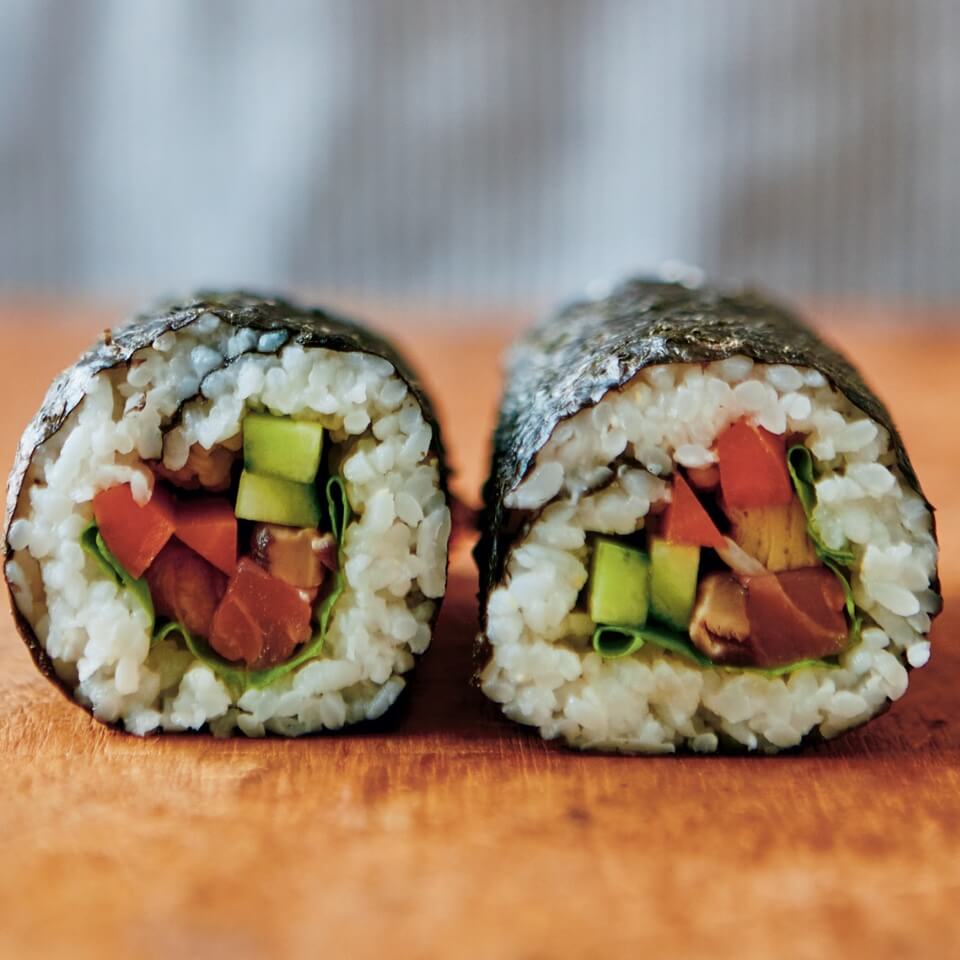
Place a sheet of nori shiny-side down on the bamboo mat. Wet your hands, then take a ball of rice and spread it evenly over the nori, leaving a one-inch border at the top. Press gently; the rice should cover the surface but not mash the seaweed. This layer is the foundation of your roll.
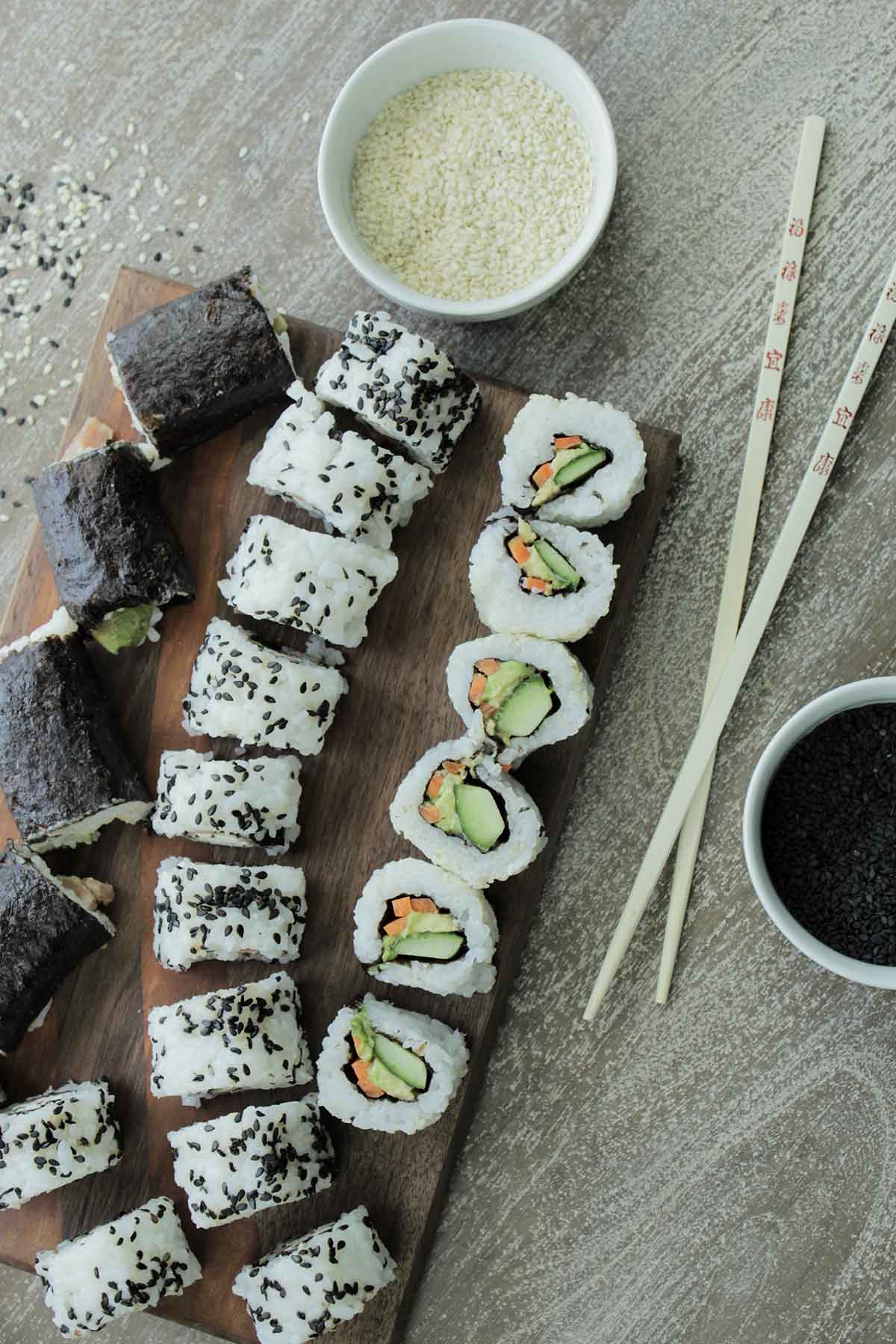
Lay your fillings—cucumber, avocado, or sustainable fish—in a horizontal line across the center of the rice. Keep the pile low and narrow. Overfilling is the most common mistake that causes rolls to burst open. You want the nori to do the work of holding everything together.
Lift the edge of the mat closest to you and tuck it over the fillings. Apply gentle, even pressure to shape the roll into a cylinder. Continue rolling forward, lifting the mat away as you go to avoid sticking. The final tuck should seal the nori border tightly against the rice.

Wipe your knife clean and wet the blade with water before each cut. Slice the roll in half, then cut each half into thirds or quarters. Use a sawing motion rather than pressing down, which squashes the rice. Clean the blade between cuts to keep the presentation sharp.
To ensure your sushi is ready to serve, check these details:
A common error is using too much rice, which makes the roll bulky and difficult to slice. Another is pressing too hard during the rolling phase, which turns the rice into a paste. If your roll falls apart, your nori was likely too dry or your rice was too sticky. Adjust your water ratio or try a different brand of nori. The result should be a clean, tight roll that holds its shape on the plate.
Fix common mistakes
Even with fresh fish and properly seasoned rice, sushi can fall flat if you ignore the mechanics of the roll or the etiquette of the bite. These errors don’t just affect texture; they mask the delicate balance of flavors you’re trying to achieve. By correcting a few habitual slips, you’ll immediately notice a sharper taste and a cleaner presentation.
Using the wrong amount of rice
Many home rollers pack the nori sheet too tightly, creating a dense cylinder that feels like chewing on cardboard. Rice should coat the nori in a thin, even layer, leaving a small border of bare seaweed at the top to seal the roll. This border isn’t just for aesthetics; it provides the structural integrity needed to keep the roll from unraveling during slicing.
Slicing with a dull knife
A dull blade crushes the rice and tears the fish rather than cutting through them cleanly. You need a sharp, long blade—preferably a yanagiba or a dedicated sushi knife—dipped in water before every single cut. This wetting step prevents the sticky rice from adhering to the steel, ensuring each slice is pristine. If you see ragged edges or compressed rice, your knife is dull or dry.
Eating ginger as a condiment for every bite
A common misconception is that pickled ginger (gari) is a side dish to be eaten with each piece of nigiri or sashimi. In traditional sushi service, ginger is a palate cleanser. You eat a small piece between different types of fish to reset your taste buds, allowing you to appreciate the distinct flavor of each new piece. Eating it simultaneously muddies the delicate flavors of the fish.
No comments yet. Be the first to share your thoughts!