

Start with the right tools
Start Build a Sushi Palate with the constraint that matters most in real life: space, timing, budget, skill level, maintenance, or availability. That first constraint should shape the rest of the plan instead of appearing as an afterthought. Keep the first pass simple enough to verify. Compare the main options against the same criteria, remove choices that only work in ideal conditions, and save optional upgrades for later.
| Factor | What to check | Why it matters |
|---|---|---|
| Fit | Match the option to the primary use case. | A good deal still fails if it does not fit the job. |
| Condition | Verify age, wear, and service history. | Hidden condition issues erase upfront savings. |
| Cost | Compare purchase price with likely upkeep. | The cheapest option is not always the lowest-cost option. |
Buy sushi grade fish safely
Building a refined sushi palate starts with the raw ingredient. Before you can appreciate the subtle textures and flavors of high-quality fish, you must ensure it is safe to eat raw. The term "sushi grade" is often used in marketing, but it is not an official USDA classification. Instead, safety relies on how the fish is handled and processed before it reaches your counter.
When shopping, treat your fishmonger like a partner in your sushi journey. Ask specifically about the freezing history of the fish. Reputable suppliers will be transparent about whether the fish was frozen immediately after catch and how it was stored. If you cannot verify this, opt for cooked options or skip the raw fish entirely. Building a sushi palate is about quality, not risk.
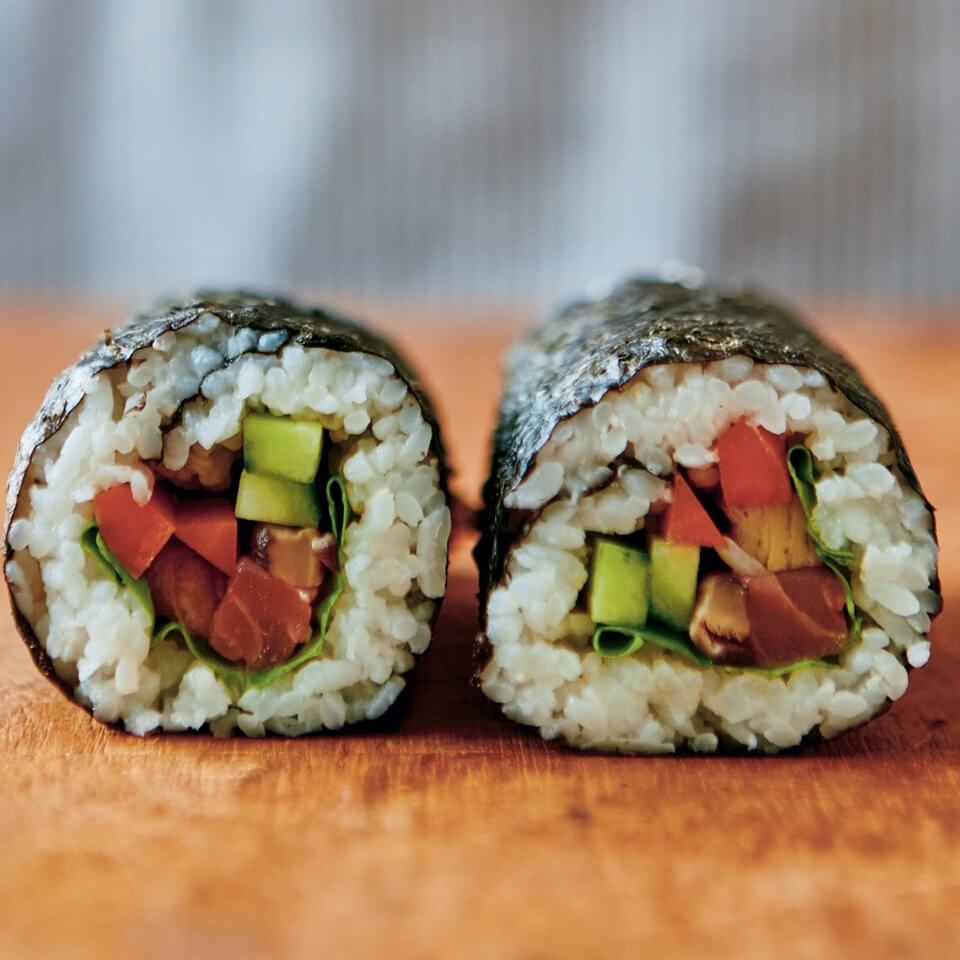
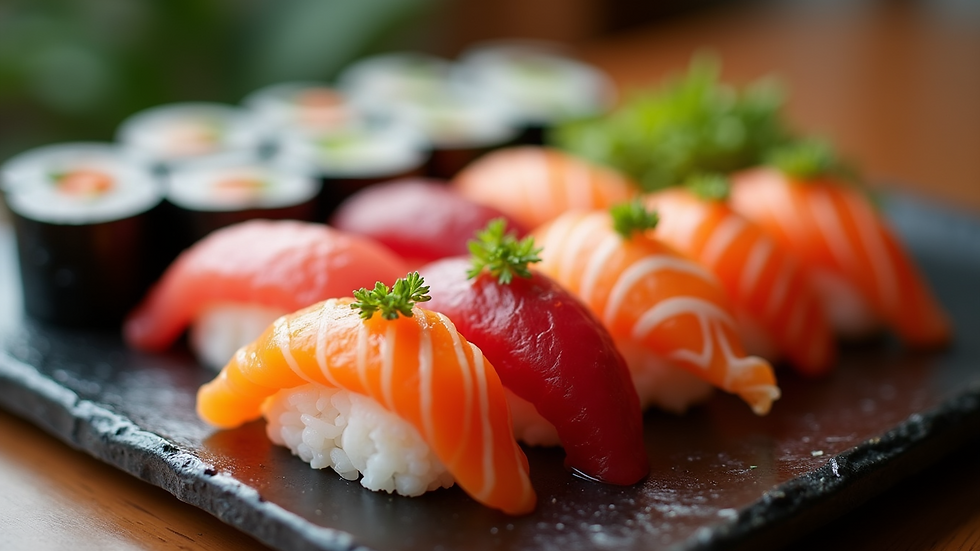
Choosing the right fish also involves understanding variety. While tuna and salmon are staples, exploring different species expands your palate. Yellowtail (hamachi), red snapper, and bluefin tuna each offer distinct fat profiles and textures. Start with milder fish like salmon or yellowtail, then progress to richer options like fatty tuna as your sensitivity develops.
| Feature | Flash-Frozen | "Fresh" (Uncertified) | Cooked | Safe for Raw? |
|---|---|---|---|---|
| Parasite Risk | Negligible (if handled correctly) | High | N/A | No |
| Texture | Soft, consistent | Firm, variable | N/A | Yes |
| Flavor Profile | Preserved umami | Variable | N/A | Yes |
| Sourcing Transparency | High | Low | N/A | Yes |
Prioritize fish that smells clean, like the ocean, rather than "fishy" or ammonia-like. The flesh should be firm to the touch and have a vibrant, translucent appearance. By mastering the selection process, you lay the foundation for a safe and enjoyable sushi experience, allowing your palate to focus on nuance rather than worry.
Cook and season the rice
Build a Sushi Palate works best as a clear sequence: define the constraint, compare the realistic options, test the tradeoff, and choose the path with the fewest hidden costs. That order keeps the advice usable instead of decorative. After each step, pause long enough to check whether the recommendation still fits the reader's actual situation. If it depends on perfect timing, unusual access, or a best-case budget, include a simpler fallback.
Roll your first maki
Start Build a Sushi Palate with the constraint that matters most in real life: space, timing, budget, skill level, maintenance, or availability. That first constraint should shape the rest of the plan instead of appearing as an afterthought. Keep the first pass simple enough to verify. Compare the main options against the same criteria, remove choices that only work in ideal conditions, and save optional upgrades for later.
Taste and cleanse your palate
Building a refined sushi palate relies on rhythm. You are not just eating fish; you are tasting the subtle differences in texture, temperature, and seasoning between each piece. To appreciate this, you must reset your mouth between bites.
The pickled ginger (gari) served on the side is a palate cleanser, not a garnish. Eat a small slice after finishing a piece, or between different types of fish, to wash away residual soy sauce and wasabi. This clears your taste buds so the next piece of nigiri hits with full clarity. Do not wrap the ginger around the fish; let it do its job in the background.
If you are drinking, a light Japanese highball or sake works well to cut through the richness of fatty tuna or eel. Avoid heavy, sweet beverages that linger on the tongue. The goal is to keep your palate neutral, ready for the next flavor.
Check your prep before serving
Before the plates leave the kitchen, treat this moment as the final quality control gate. A well-built sushi palate relies on precision, so verify that every piece meets the standard of freshness and structure.
- Temperature check: Ensure the fish is chilled and the rice is at room temperature. The contrast is essential for texture and safety.
- Structural integrity: Press lightly on a piece. The rice should hold its shape without crumbling, and the fish should sit securely.
- Visual appeal: Check for symmetry and cleanliness. Wipe any stray rice or sauce from the plate rim.
If any piece fails these checks, remake it. Serving imperfect sushi undermines the entire tasting experience.
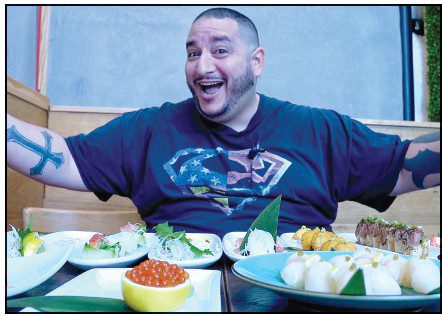
Common sushi rolling: what to check next
Rolling sushi at home is less about perfect circles and more about texture control. The difference between a messy roll and a clean cut usually comes down to two things: moisture management and knife technique. Here are the most frequent hurdles and how to fix them.
Why is my sushi rice sticking to the bamboo mat?
Sticky rice is the number one reason rolls fall apart. The secret is a damp barrier. Wet a clean kitchen towel and wrap it loosely around your bamboo mat (makisu) before you start rolling. The slight moisture prevents the rice from adhering to the bamboo slats while still allowing you to apply firm, even pressure. If you skip this step, you’ll spend more time picking rice out of the mat than shaping your roll.
Can I use any fish for home rolling?
No. For a safe sushi palate experience, you must use "sushi-grade" or "sashimi-grade" fish. This terminology indicates the fish has been flash-frozen at extremely low temperatures (typically -4°F or colder) to kill potential parasites. Regular grocery store fish has not undergone this process and carries a higher risk of illness. Always ask your fishmonger specifically for sushi-grade tuna, salmon, or yellowtail.
Why does my roll come out uneven or squashed?
Uneven rolls usually stem from two errors: using too much filling or rolling with too much force. Start with a thin, even layer of rice, leaving a one-inch border at the top. Place fillings in a tight line, not a pile. When you lift the mat, use your fingers to hold the filling in place while you fold the rice over it. Apply gentle, consistent pressure along the length of the roll rather than squeezing from the ends.
Is ginger actually necessary with every piece?
Ginger (gari) is a palate cleanser, not a garnish. Its purpose is to reset your taste buds between different types of fish, particularly when moving from rich salmon to lean tuna. However, you don’t need to eat a slice with every single piece. Use it strategically to distinguish flavors. Many enthusiasts find that a light dry white wine or a Japanese highball serves as an even better palate cleanser than ginger alone, allowing the subtle notes of the rice and fish to shine through.
Helpful gear
Use these product recommendations as a starting point, then choose the size, material, and price point that fit how you actually use the gear.
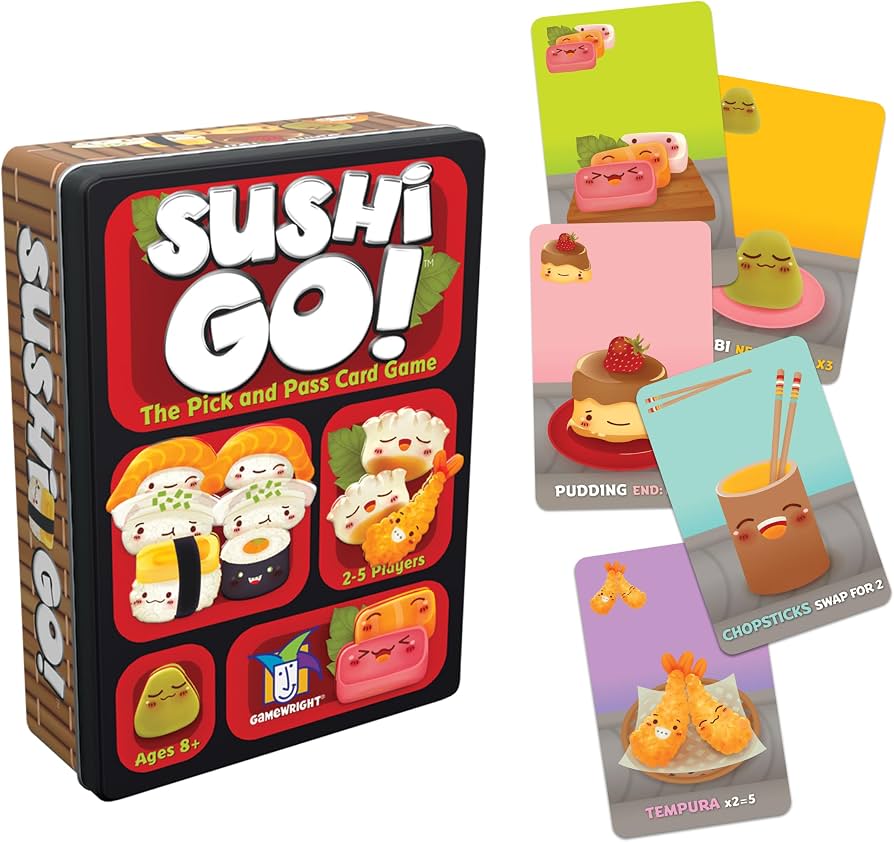
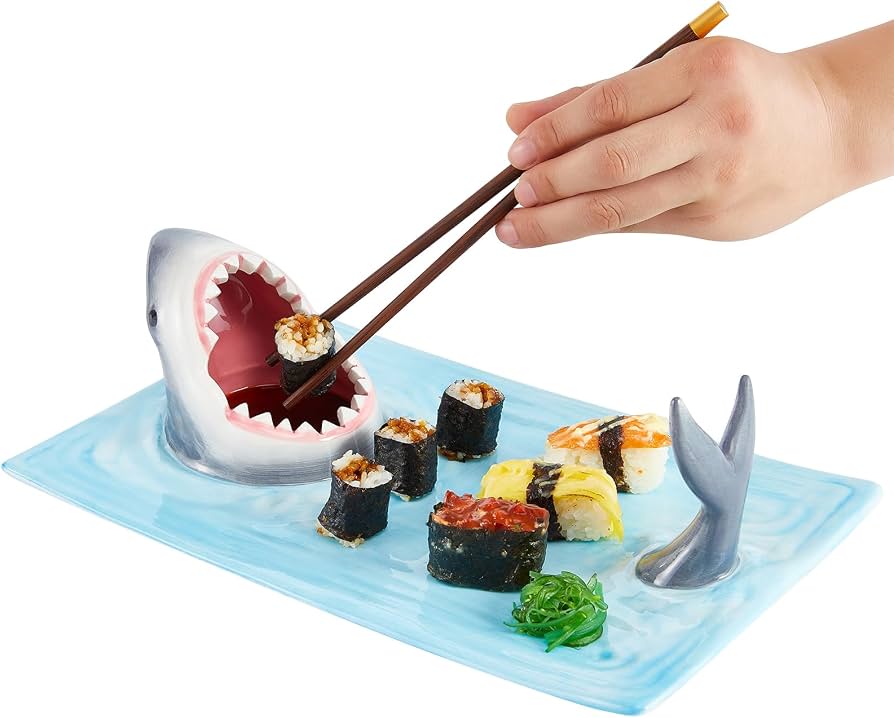
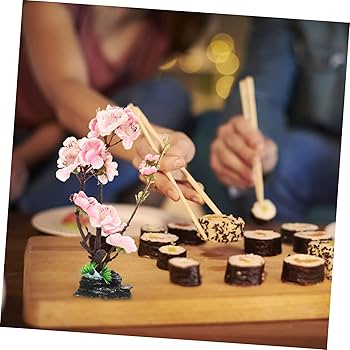
As an Amazon Associate, we may earn from qualifying purchases.
No comments yet. Be the first to share your thoughts!