

Start with the right drink
Start Train Your Sushi Palate for Better Pairings with the constraint that matters most in real life: space, timing, budget, skill level, maintenance, or availability. That first constraint should shape the rest of the plan instead of appearing as an afterthought. Keep the first pass simple enough to verify. Compare the main options against the same criteria, remove choices that only work in ideal conditions, and save optional upgrades for later.
The simplest way to use this section is to write down the real constraint first, compare each option against it, and choose the path that still works outside ideal conditions.
Taste the fish before the rice
The first bite of nigiri is often a race against the rice. It is warm, seasoned with vinegar, and designed to be eaten immediately. To train your sushi palate, you must pause before the rice takes over. This technique lets you appreciate the raw ingredient's quality, fat content, and texture without distraction.
Pick it up correctly
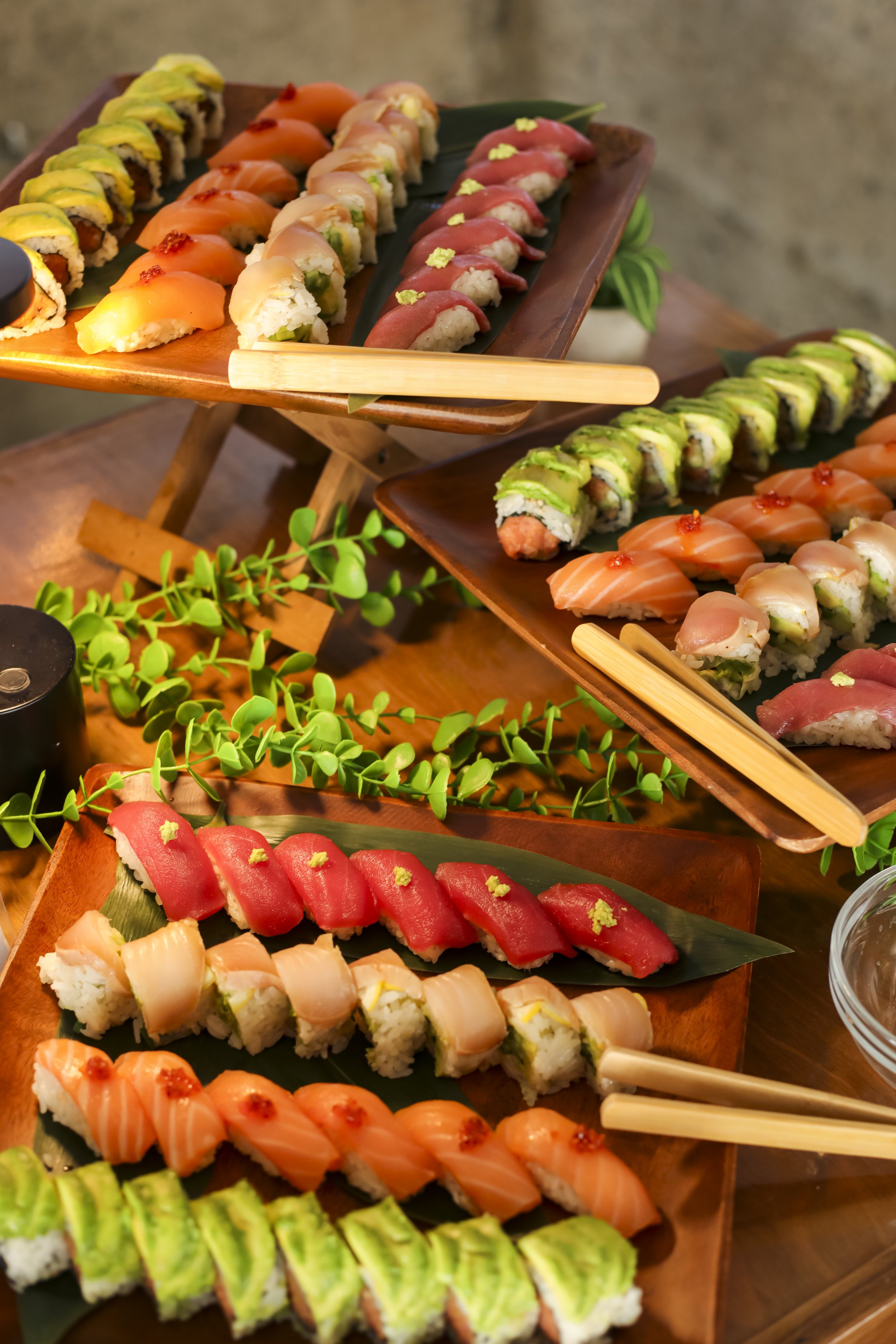
Use your fingers, not chopsticks. Grip the nigiri gently from the sides of the fish topping. Avoid pressing down on the rice ball, which can crush the delicate structure and cause the piece to fall apart. This simple adjustment preserves the integrity of the sushi until it reaches your mouth.
Taste the raw ingredient first
Before dipping anything, take a small bite of just the fish topping. Note the texture—is it buttery, firm, or flaky? Detect the natural sweetness or brine of the ocean. This step is essential for understanding the chef's selection. If you dip it in soy sauce immediately, the salt masks these subtle nuances.
Dip sparingly
Turn the nigiri over so the fish side touches the soy sauce. Dip only the edge of the fish, never the rice. If the rice absorbs too much sauce, it will disintegrate in your mouth. A light touch ensures the seasoning complements the fish rather than drowning it.
Eat in one bite
Place the entire piece in your mouth in a single motion. Chew slowly to release the full spectrum of flavors. The rice should provide a mild, acidic counterpoint to the rich fish. This sequence ensures you experience the balance the chef intended, rather than just the saltiness of the soy sauce.
Match Wine to Seafood Intensity
Pairing wine with sushi requires respecting the delicate balance of the fish. The goal is to select a wine that complements the seafood's natural character without overpowering it. As noted by wine experts, an ideal pairing should be dry, simple, light, and low in acid and tannins. Heavy, oaky, or highly acidic wines can clash with the subtle flavors of raw fish, masking the quality of the sushi rather than enhancing it.
Start by assessing the intensity of the fish. Light, white-fleshed fish like flounder or snapper require a crisp, high-acid white wine to cut through the texture. Fatty fish like salmon or tuna need wines with more body and lower acidity to stand up to the richness. Eel, often served with a sweet soy glaze, requires a wine with a touch of sweetness or low tannins to avoid bitterness.
Use the comparison below to guide your selection based on the specific type of sushi you are eating.
Avoid Common Tasting Mistakes
Your sushi palate is like a fine instrument; if you tune it incorrectly, the music sounds wrong. Most diners dull their senses by treating sushi like a standard course rather than a tasting menu. Correcting these habits sharpens your ability to detect the subtle differences between fish and rice.
Using Wasabi as a Condiment
Many people mix wasabi into soy sauce, creating a salty, pungent sludge that masks the fish. This is a mistake. Wasabi is meant to be placed directly between the fish and the rice by the chef. If you are making your own, take a tiny pea-sized amount and mix it lightly into the soy sauce only if you must, but never dissolve it completely. The goal is to feel the heat in your nose, not to drown your tongue in spice.
Misusing Pickled Ginger
The bright pink pickled ginger (gari) is often mistaken for a side dish or a flavor booster. It is actually a palate cleanser. You should eat a piece of ginger between different types of sushi, not with every bite. Eating it alongside the fish clashing flavors will confuse your taste buds. Think of it as resetting your mouth so you can taste the next piece clearly. A Japanese highball can also serve this refreshing purpose between heavier courses.
Eating Too Much Too Fast
A sushi meal is a progression. Eating too many pieces, especially rich items like fatty tuna or tempura rolls, leads to palate fatigue. Your taste receptors become overwhelmed, and everything starts to taste the same. Pace yourself. Limit yourself to two or three pieces of the same type before moving on. This restraint keeps your palate sensitive and allows you to appreciate the nuance of each piece.
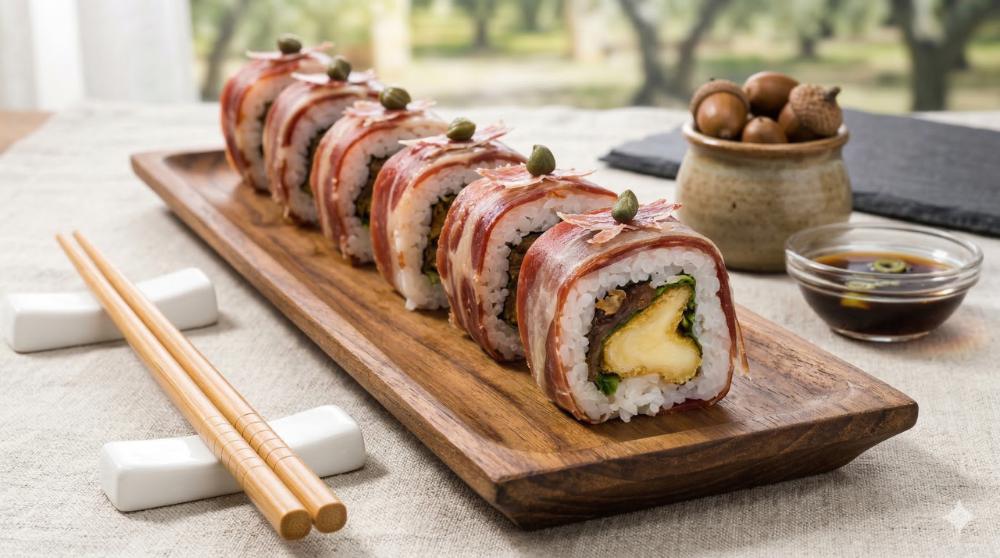
Check your sushi order sequence
Train Your Sushi Palate for Better Pairings works best as a clear sequence: define the constraint, compare the realistic options, test the tradeoff, and choose the path with the fewest hidden costs. That order keeps the advice usable instead of decorative. After each step, pause long enough to check whether the recommendation still fits the reader's actual situation. If it depends on perfect timing, unusual access, or a best-case budget, include a simpler fallback.
Frequently Asked Questions About Sushi Palate Training
Does ginger cleanse the palate between pieces?
Yes, but timing matters. Use pickled ginger (gari) to reset your taste buds between different types of fish, not after every single bite. Think of it as a palate reset button that washes away the previous flavor so you can taste the next piece clearly. It should be mild, not overpowering.
How does wine affect sushi tasting?
Wine can highlight or mask the delicate flavors of raw fish depending on your choice. Light, acidic whites like Sauvignon Blanc complement sashimi without drowning it out. Heavier, oaked wines tend to clash with the subtle umami and clean finish of high-quality sushi, dulling your ability to detect nuance.
What is the best order for tasting sushi?
Start with lighter fish like white fish or shellfish, then move to richer options like fatty tuna (otoro) or eel. This progression prevents heavy, oily fish from coating your tongue and masking the delicate flavors of the earlier pieces. It ensures each piece is experienced at its peak clarity.
No comments yet. Be the first to share your thoughts!