

Understanding the sushi palate
Before navigating the 2026 fusion landscape, you need to understand the baseline. Traditional sushi is built on balance: the acidity of the rice, the richness of the fish, and the sharpness of the condiments. The pickled ginger served on the side is not a garnish; it is a palate cleanser designed to reset your taste buds between different cuts. Without this reset, the flavors of a rich tuna roll will overpower the delicate taste of a white fish nigiri.
We selected the five trends in this guide based on how they respect or intentionally break that baseline. We prioritized techniques that offer a distinct flavor profile change rather than mere novelty. Each trend represents a measurable shift in how chefs are combining ingredients, from fermentation to texture contrasts. This approach ensures you know exactly what to expect when you order these items, rather than just guessing at the flavor.
5 Fusion Trends Every Sushi Connoisseur Must Know
Sushi is shedding its traditional shell in 2026, prioritizing bold cross-cultural pairings over strict adherence to Edo-mae rules. These five fusion trends offer practical ways to modernize your rolls without sacrificing the delicate balance of texture and umami that defines great sushi.
-

Korean gochujang glazed salmon rolls
Glaze thinly sliced salmon with a mixture of gochujang, rice vinegar, and maple syrup before rolling with cucumber and avocado in nori. The fermented chili paste adds a deep umami heat that cuts through the rich fat of the fish. Serve with a light soy dipping sauce to enhance the savory notes without overpowering the delicate texture of the raw salmon. -
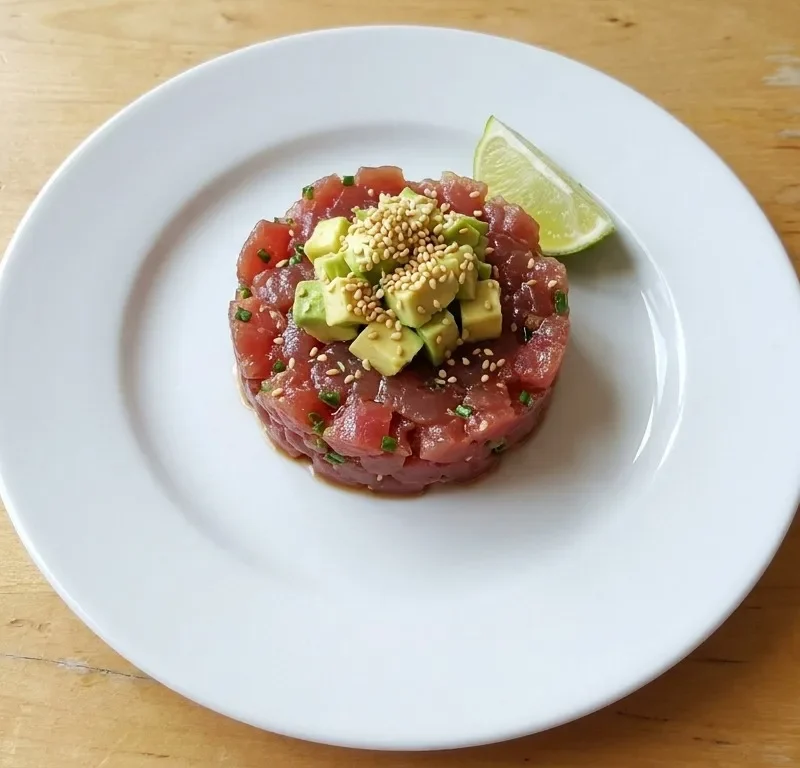
Indian tikka masala spiced tuna tartare
Dice sashimi-grade tuna and toss it with yogurt-based tikka masala spices, including garam masala, cumin, and fresh cilantro. This creates a creamy, aromatic topping that replaces traditional soy sauce. Spoon the mixture over chilled cucumber slices or crispy wonton chips for a textural contrast that balances the cool fish with warm, complex Indian spices. -
Mexican jalapeño lime avocado nigiri
Slice ripe avocado into thick ovals and top with thin ribbons of pickled jalapeño and a squeeze of fresh lime juice. Place the mixture over a small mound of seasoned sushi rice. The bright acidity of the lime and the crisp heat of the pepper cut through the creaminess of the avocado, creating a refreshing bite that challenges traditional nigiri norms. -
Italian burrata and pesto cucumber rolls
Spread basil pesto on a sheet of nori, then layer with creamy burrata cheese and thin cucumber ribbons. Roll tightly and slice into bite-sized pieces. The rich, milky texture of the burrata contrasts beautifully with the crisp, watery crunch of the cucumber, while the herbal pesto ties the Italian and Japanese flavors together in a cohesive, elegant bite. -

Thai lemongrass ginger shrimp tempura
Lightly batter shrimp in a mixture infused with finely minced lemongrass and grated ginger, then fry until golden and crisp. Serve with a sweet chili dipping sauce that highlights the citrusy aroma of the lemongrass. The delicate crunch of the tempura shell provides a satisfying contrast to the tender, flavorful shrimp inside, bridging Thai aromatics with Japanese technique.
How to Pick the Right Fusion Sushi Spot
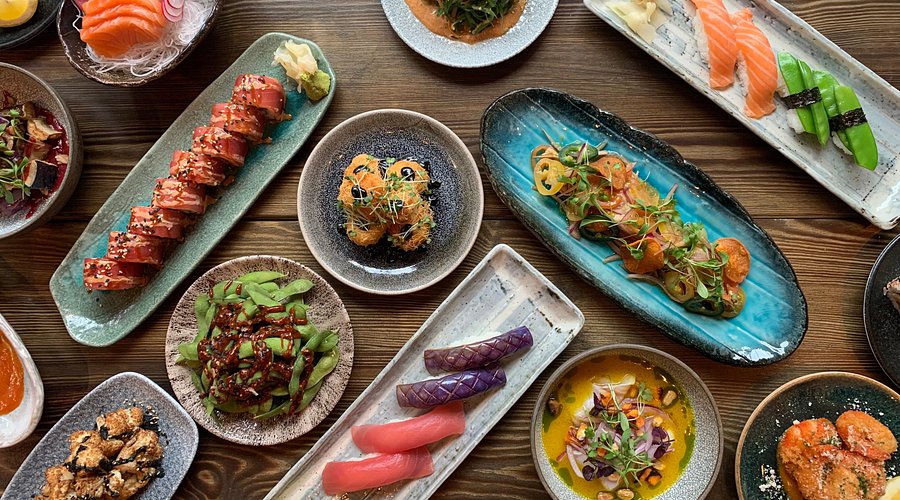
Finding a restaurant that balances tradition with innovation requires looking past the menu headlines. You need to verify that the fusion elements serve the fish, not the other way around. Use this simple framework to evaluate your options before booking a table.
The rice is the foundation of any good sushi. In fusion spots, chefs sometimes cut corners with seasoning or temperature. Taste the plain rice first. It should be slightly warm, sticky, and seasoned with a balanced mix of vinegar, sugar, and salt. If the rice is cold or dry, the chef likely prioritizes presentation over the core craft.

Fusion trends change, but fresh fish should not. A reputable spot will highlight seasonal catches rather than relying on frozen, generic ingredients year-round. If the menu features local, sustainable sourcing or clearly states the fish origin, the kitchen likely respects the ingredient enough to pair it intelligently with bold flavors.
Many fusion restaurants use powdered wasabi and dyed ginger, which lack depth. Real wasabi has a complex, nasal-clearing heat that fades quickly. Look for menus mentioning fresh horseradish or real wasabi root. The pickled ginger should be thinly sliced and pale pink, not bright magenta. These small details reveal the kitchen’s commitment to authenticity.
Fusion means mixing culinary traditions, but the flavors must harmonize. A spicy tuna roll with avocado and sriracha should taste creamy and spicy, not just hot. If the sauce masks the fish, skip it. The best fusion sushi enhances the natural taste of the seafood with complementary textures and sauces, creating a cohesive bite rather than a clash.
Sushi quality can fluctuate with staff changes. Check recent reviews from the last three months for mentions of freshness and service. Look for comments about the chef’s background or specific dish recommendations. Consistent praise for specific fusion items indicates a stable kitchen that has refined its unique offerings rather than guessing with every order.
Checklist before you order:
- Rice is warm and well-seasoned
- Fish smells clean, not "fishy"
- Wasabi is fresh or high-quality
- Sauce complements, not overpowers
- Ginger is natural and thinly sliced
Frequently asked: what to check next
What is the difference between pickled ginger and wasabi? Pickled ginger (gari) and wasabi serve different purposes in a sushi meal. Wasabi is a pungent green paste made from the wasabia japonica root, used to add heat and antimicrobial properties to raw fish. Ginger is pickled in vinegar and sugar, creating a sweet and tangy slice. Its primary function is to cleanse the palate between different types of nigiri or rolls, allowing you to taste the next piece without the lingering flavor of the previous one. Many diners mistakenly eat ginger as a side dish or chew it like gum, but it works best when taken between bites.
Can I substitute regular mustard for wasabi? While regular yellow mustard is not wasabi, it is a common and acceptable substitute if you cannot find the real thing. True wasabi is expensive and often grated fresh, but most restaurants serve a mixture of horseradish, mustard powder, and green food coloring. This imitation version provides a similar sharp, sinus-clearing heat that complements the richness of fatty fish like bluefin tuna or yellowtail. If you have a sensitive palate, start with a small amount, as the heat hits differently than soy sauce or chili oil.
How do I know if the sushi rice is good? Good sushi rice (shari) should be slightly warm to the touch, not cold or room temperature. It should have a distinct vinegar seasoning (su) that balances the natural sweetness of the short-grain rice. When you press a piece of nigiri, the rice should hold its shape but not be compressed into a hard block; it should separate easily in your mouth. If the rice is too sticky, it likely has too much moisture or was over-mixed. If it falls apart immediately, it may be under-seasoned or too dry. The texture should be light and airy, acting as a neutral canvas for the fish.
Is it safe to eat sushi with mild seafood allergies? Sushi carries specific risks for those with allergies, particularly to shellfish and soy. Even if you are not allergic to fish, you might react to soy sauce, which is a common allergen, or to sesame seeds used in garnishes and rolls. Cross-contamination is also a significant concern in open kitchen environments where raw fish, cooked items, and allergens like peanuts or shellfish are prepared on shared surfaces. Always inform your server about your specific allergies before ordering. Ask if the kitchen can prepare your order on a clean surface and avoid shared fryers or cutting boards. Never assume a "safe" menu item is free from hidden allergens like eel sauce (unagi tare), which often contains soy and sugar.
No comments yet. Be the first to share your thoughts!