
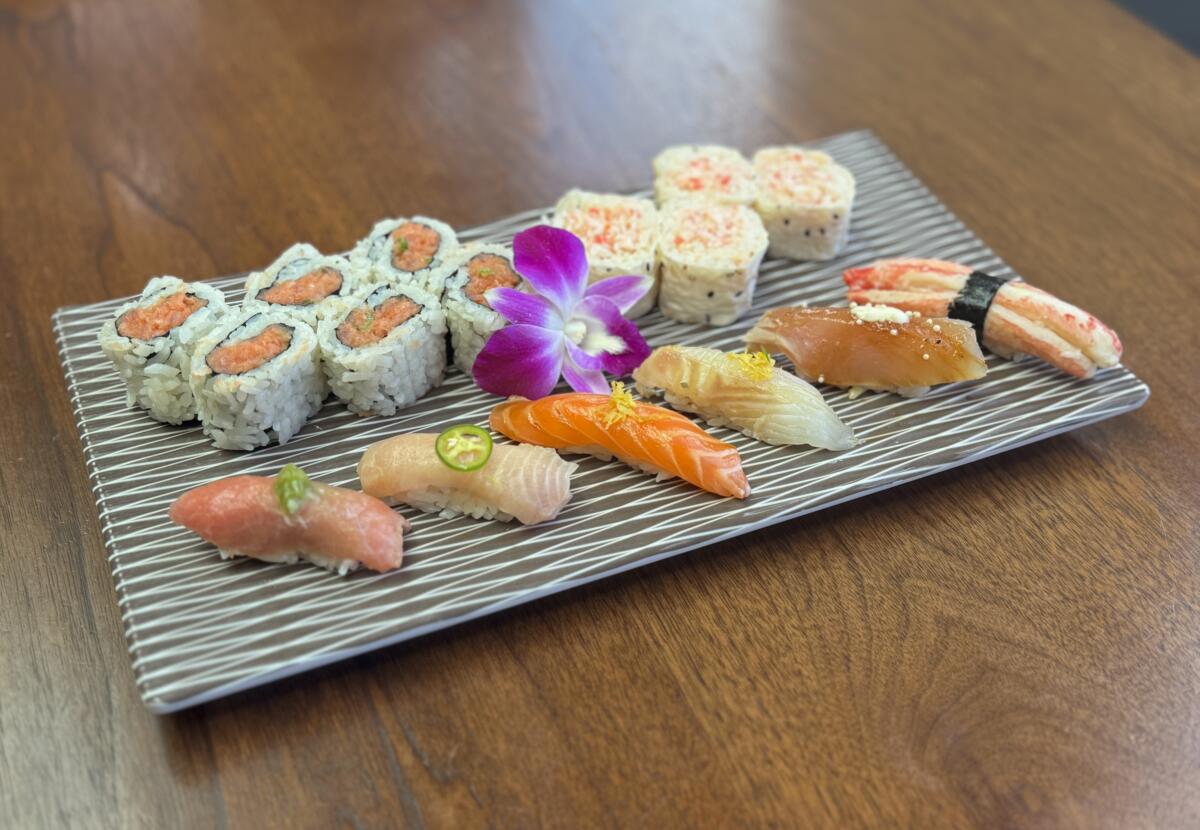

Why sustainable sushi matters
Building a refined sushi palate begins with understanding where your ingredients come from. When you choose sustainably sourced seafood, you aren't just protecting ocean ecosystems; you are also guaranteeing the freshness and flavor that define high-quality sushi. Mindful sourcing connects the health of the sea to the clarity of your taste buds, allowing you to appreciate the subtle nuances of each piece.
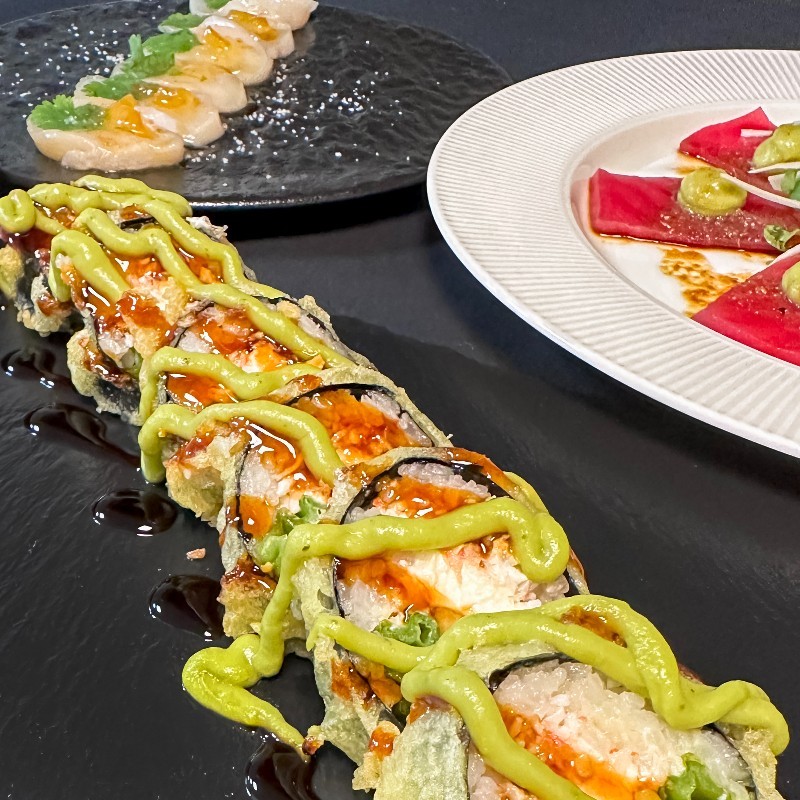
A true sushi palate is sensitive to the quality of the fish and the balance of the rice. By prioritizing sustainable options, you support fishing practices that maintain the natural integrity of the seafood. This approach ensures that the fish you eat is not only environmentally responsible but also at its peak flavor, free from the degradation that can come from overfished or poorly managed stocks.
As you develop your sushi palate, consider how each ingredient contributes to the whole. Sustainable choices often mean smaller, more artisanal batches, which can lead to a more diverse and exciting culinary experience. This attention to detail transforms a simple meal into a thoughtful practice, where every bite reflects a respect for nature and a dedication to gastronomic excellence.
Essential tools and ingredients
Building a sushi palate starts with the right setup. You don’t need a professional kitchen, but you do need a few specific items to roll properly. Focus on sustainable choices where possible, like wild-caught fish or locally sourced vegetables, to keep your practice earth-friendly.
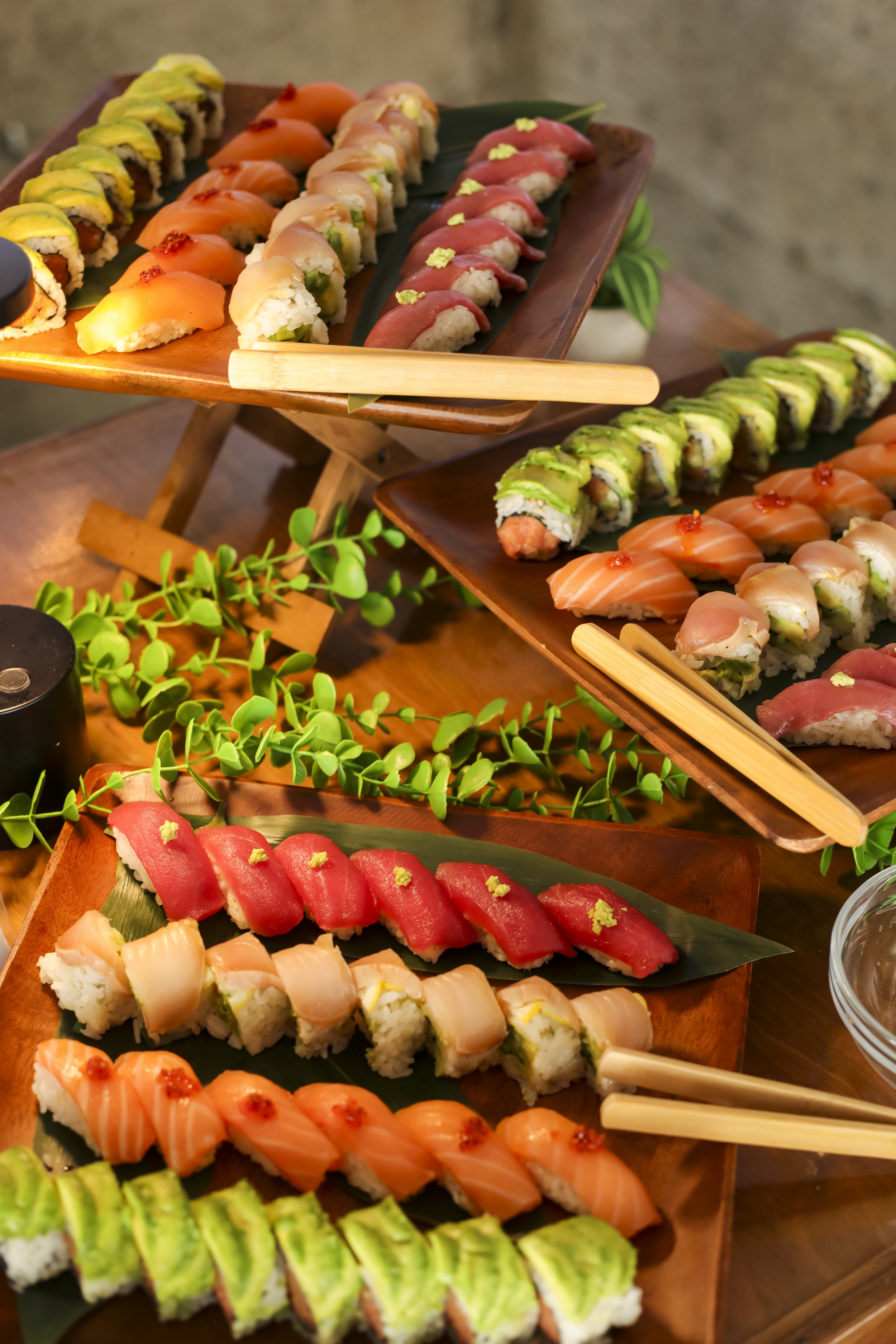
Check off these basics before you begin:
- Bamboo rolling mat (makisu) with twine for tight rolls
- Sharp sushi knife or chef’s knife
- Short-grain Japanese rice and rice vinegar
- Nori sheets (seaweed)
- Sustainable fillings: wild-caught salmon, cucumber, or avocado
- Soy sauce and wasabi for serving
A clean palate matters as much as clean hands. While ginger is traditional, it often serves more as decoration than a true cleanser. For a better reset between rolls, try a light Japanese highball or simply rinse your mouth with water to keep your taste buds sharp for the next bite.
Preparing the rice and nori
The foundation of a refined sushi palate is the rice. It is not merely a vehicle for fish; it is the star of the show. If the rice is poorly seasoned or mishandled, the delicate balance of flavors collapses. Getting this step right transforms your home rolls from casual snacks into a genuine culinary experience.
Seasoning the rice
Start with short-grain Japanese rice, rinsed until the water runs clear. This removes excess starch, ensuring the grains remain distinct rather than turning into a sticky glue. Cook the rice until tender, then transfer it to a wide, shallow wooden bowl or a large glass mixing bowl. The wide surface area allows the rice to cool quickly and evenly.
While the rice is still hot, gently fold in the sushi vinegar. Use a cutting motion with a rice paddle to mix without crushing the grains. The goal is to coat every grain in the vinegar mixture while releasing steam. This creates the signature glossy sheen and the perfect balance of sweet, salty, and tangy notes that define a proper sushi palate.
Preparing the nori
Nori, or dried seaweed sheets, provides the structural integrity for your rolls and adds a savory, umami depth. Keep the sheets in an airtight container until you are ready to use them, as humidity is the enemy of crisp nori. A dry, brittle sheet tears easily and fails to hold the rice and fillings together, ruining the texture of your sushi.
When you are ready to roll, place the nori shiny-side down on your bamboo mat. The matte side faces up to help the rice adhere properly. If your nori is larger than your mat, you can trim it, but standard sheets are usually perfectly sized for a single maki roll. Handle the sheets with dry hands to prevent premature softening.
Bringing it together
The magic of sushi happens when the warm, vinegared rice meets the crisp, cool nori. The contrast in temperature and texture is what makes each bite satisfying. As you roll, keep your hands lightly dampened with water mixed with a touch of vinegar. This prevents the sticky rice from adhering to your skin while keeping your fingers clean and dexterous.
Once rolled, use a sharp, wet knife to cut the maki into six or eight pieces. Wipe the blade between cuts to ensure clean edges. The result should be a tight, even roll with a glossy interior and a crisp exterior. This careful preparation ensures that every bite delivers the full, balanced flavor of a well-crafted sushi palate.
Rolling your first maki
Building a sushi palate starts with the roll itself. Maki is the foundation of home sushi making. It teaches you how to balance the sticky rice, the crisp nori, and the fresh fillings into a single, cohesive bite. You do not need a professional kitchen to start. You only need a bamboo mat, a sharp knife, and a calm hand.
Think of the rolling process like folding a letter. You are enclosing the filling within the rice and seaweed. The goal is a tight cylinder that holds its shape when sliced. If the roll is too loose, the rice will fall apart. If it is too tight, the nori will crack. Aim for firm, even pressure.
Step 1: Prepare your workspace and tools
Set up a clean, flat surface. Place your bamboo rolling mat (makisu) in front of you. Cover the mat with plastic wrap to prevent rice from sticking to the bamboo slats. This makes cleanup faster and keeps the mat hygienic. Keep a small bowl of water nearby. You will dip your fingers in this water frequently to keep the sticky rice from adhering to your skin.
Step 2: Lay the nori and spread the rice
Place a sheet of roasted nori on the mat, shiny side down. The rougher side should face up to help the rice adhere. Wet your hands thoroughly to prevent sticking. Scoop about 3/4 cup of seasoned sushi rice and place it in the center of the nori. Gently spread the rice evenly across the sheet, leaving a one-inch border of bare nori at the top edge. This empty border is crucial; it is where you will seal the roll. Do not press the rice down hard, or the roll will become dense and gummy.
Step 3: Arrange the fillings
Lay your chosen fillings horizontally across the center of the rice. For a sustainable approach, start with vegetables like avocado, cucumber, or marinated tofu. Place the ingredients in a straight line, slightly below the center of the rice. Avoid overstuffing. Too many fillings will make the roll bulge and burst during rolling. You want a clean, manageable cylinder.
Step 4: The initial fold and seal
Lift the edge of the bamboo mat closest to you. Using your thumbs, lift the mat while using your fingers to hold the fillings in place. Roll the nori over the fillings, tucking it tightly underneath. Apply gentle pressure to form the initial shape. Continue rolling forward until the bare one-inch strip of nori at the top meets the rest of the roll. This strip acts as the glue. Wet it lightly with water to seal the edge securely.
Step 5: Shape and slice
Once the roll is formed, use the bamboo mat to give it its final shape. Gently squeeze the mat around the roll to create a tight, uniform cylinder. You can shape it into a round or a square, depending on your preference. Remove the plastic wrap. Using a very sharp knife, wipe the blade with a damp cloth between every cut to ensure clean slices. Cut the roll in half first, then cut each half into three or four pieces. Serve immediately.
Build Your Own Sushi Palate
Crafting a sustainable sushi roll at home is less about perfection and more about building a balanced, healthy meal. By focusing on plant-forward ingredients and responsible seafood choices, you can create a dish that feels indulgent without the heavy environmental footprint. This recipe guides you through assembling a fresh, vibrant roll that highlights the natural flavors of the ingredients.

Frequently asked: what to check next
Building a sustainable sushi palate is about more than just rolling rice; it involves understanding how ingredients interact with your body and taste buds. Here are answers to the most common questions about health, etiquette, and ingredients.
No comments yet. Be the first to share your thoughts!