

Choosing the right fish
Selecting fish is the first step in building a balanced sushi palate. The quality of your raw ingredient dictates the success of every roll. Look for fish that smells like the ocean, not fishy, and has a firm, glossy appearance. Avoid any pieces that look dull or have dried edges.
When rolling at home, you don't need rare cuts. Common sushi-grade fish offer distinct textures and flavors that teach you how balance works in a roll. Some are rich and fatty, while others are lean and clean. Understanding these differences helps you pair fish with the right rice and fillings.
Here is a quick guide to the three most common sushi fish for beginners.
| Fish | Texture | Flavor Profile | Best Rolling Use |
|---|---|---|---|
| Salmon | Soft, buttery | Rich, mild fat | Inside-out rolls with avocado |
| Yellowtail (Hamachi) | Firm, smooth | Clean, citrusy | Simple maki with scallion |
| Tuna (Maguro) | Dense, meaty | Deep, umami | Classic rolls with soy sauce |

Once you have your fish, the rice is the foundation. The rice binds the roll together and provides the sweet-sour balance that cuts through the richness of the fish. Getting the rice right is just as important as the fish quality.
Use this rice as your base. The acidity of the rice will complement the natural flavors of your chosen fish, creating a harmonious bite every time.
Preparing sushi rice
The foundation of any balanced sushi palate is the rice. Without the correct texture and seasoning, even the finest fish loses its impact. The goal is to create grains that are distinct yet cohesive, holding together just enough to be molded without turning into mush.
Rinse until the water runs clear
Start by placing short-grain Japanese rice in a large bowl. Fill it with cold water and swirl the grains with your hand. The water will turn cloudy from excess surface starch. Drain and repeat this process four to six times. Stop only when the water remains relatively clear. This step ensures the final texture is fluffy rather than gummy.
Cook with precision
Transfer the rinsed rice to a heavy-bottomed pot or rice cooker. Add water using a 1:1.1 ratio—one cup of rice to just over a cup of water. Let the rice soak for thirty minutes before cooking; this allows the grains to absorb moisture evenly. Bring to a boil, then reduce to the lowest possible heat. Cover tightly and simmer for eighteen minutes. Remove from heat and let it rest, still covered, for ten minutes. This resting period steams the rice to perfection.
Season and cool
While the rice rests, prepare the seasoning mixture. Combine rice vinegar, sugar, and salt in a small saucepan and heat gently until dissolved. Do not boil. Once the rice has rested, transfer it to a wide, non-metallic bowl. Drizzle the seasoning evenly over the hot rice. Use a cutting motion with a rice paddle to mix, ensuring every grain is coated without crushing them. Fan the rice while mixing to cool it quickly to body temperature. This creates the glossy finish and sticky consistency essential for rolling.
Rolling the Perfect Sushi Palate
Building a balanced sushi palate isn't just about the ingredients you choose; it's about how they are held together. A roll is a vessel for flavor, and its structural integrity determines whether that flavor arrives intact or dissolves into a mushy mess. Think of the nori sheet as a canvas and the rice as the frame. If the frame is loose, the painting falls apart. If it is too tight, the canvas tears.
To achieve the clean cut that defines a high-quality roll, you must master tension. Start by laying your nori on the bamboo mat, shiny side down. Spread a thin, even layer of sushi rice, leaving a one-inch border at the top. This empty border is crucial—it acts as the seal for your roll, ensuring the nori adheres to itself rather than the rice falling out.
Place your fillings in a horizontal line across the center of the rice. For a balanced palate, avoid overstuffing. Too many ingredients create pressure points that burst the roll during cutting. Aim for a distribution of textures: something crunchy like cucumber, something creamy like avocado, and the protein. Keep the pile low and centered.
Lift the edge of the mat closest to you, using your thumbs to hold the fillings in place while your fingers support the nori. Roll forward, applying gentle, even pressure. The goal is to compress the rice just enough to hold the shape without squeezing the air out of the nori, which would make it chewy rather than crisp. Once rolled, give it a final squeeze through the mat to square off the edges.
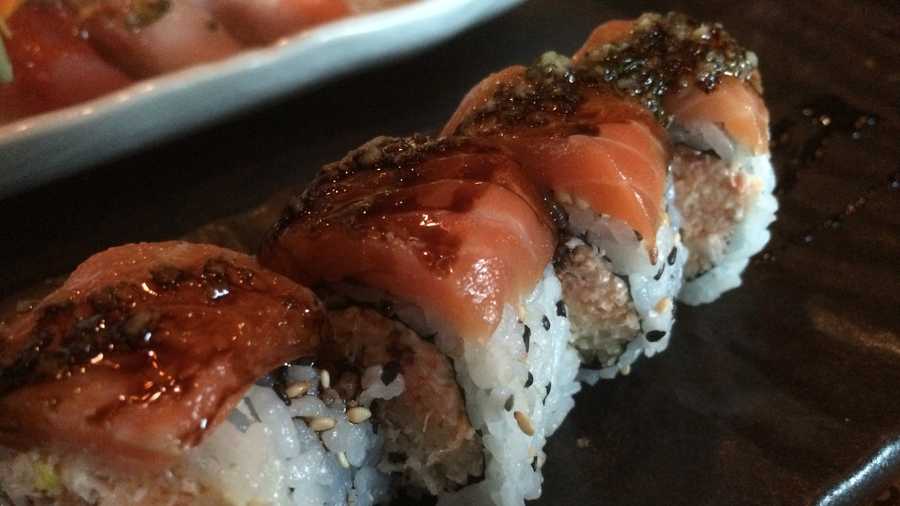
Place the nori sheet on the bamboo mat, shiny side down. Wet your hands with tezu (vinegar water) to prevent sticking. Spread a thin, even layer of sushi rice, leaving a one-inch border at the top edge. This border is the seal; if rice touches it, the roll will not close properly.
Place your ingredients in a horizontal line across the center of the rice. For a balanced sushi palate, mix textures: crunchy cucumber, creamy avocado, and your protein. Keep the pile low and centered to avoid pressure points that burst the roll during cutting.

Lift the edge of the mat closest to you. Use your thumbs to hold the fillings in place while your fingers support the nori. Roll forward, applying gentle, even pressure. Compress the rice just enough to hold the shape without squeezing the air out of the nori.

Once rolled, give it a final squeeze through the mat to square off the edges. If the end is open, lightly wet the one-inch nori border and press it down to seal. Let the roll rest for a minute before cutting to allow the rice to set.
The final test of your roll is the cut. Use a sharp, wet knife to slice through the roll in one smooth motion. If the knife drags, the tension was uneven or the knife was dull. A clean cut reveals the ingredients inside, a cross-section of your balanced sushi palate.
Plating and Pairing for Balance
Serving sushi is the final step in building your balanced sushi palate. The goal is to present the pieces so their textures and temperatures shine, allowing you to taste the nuance of each ingredient without distraction.
Plating the Roll
Cut your roll with a sharp, wet knife to ensure clean slices. Arrange the pieces on a wooden board or ceramic plate with space between them. This visual breathing room highlights the contrast between the dark nori, white rice, and colorful fillings. Avoid overcrowding the plate, which mutes the sensory experience and makes the sushi feel heavy rather than precise.
Condiment Etiquette
Use soy sauce sparingly. Dip the fish side, not the rice, to prevent the roll from absorbing too much salt and falling apart. A few drops of wasabi directly on the fish are often enough; mixing it into the soy sauce creates a uniform heat that masks the delicate flavor of the seafood.
Beverage Pairing
A Japanese highball—whisky, soda, and ice—is an excellent choice for refreshing the palate. The carbonation and cold temperature prepare your mouth for the next bite, while the light bitterness complements the umami of the fish. Green tea works similarly, offering a clean, astringent finish that cuts through the richness of fatty tuna or avocado.
Sushi Palate FAQ
Building a balanced sushi palate isn't just about rolling technique; it's about understanding how the food interacts with your body and your budget. Whether you are navigating dietary restrictions or deciding between a casual roll and a high-end omakase, these answers clarify the practical side of the experience.
The goal of a refined sushi palate is balance. Just as you might use ginger to cleanse your palate between pieces, understanding the nutritional and economic context of your meal helps you appreciate the craft more fully. Focus on quality ingredients and mindful consumption to get the most out of every bite.
No comments yet. Be the first to share your thoughts!