

Sushi's New Frontier: Cultivated Fish
For centuries, sushi has relied on the ocean's bounty. But increasing concerns about overfishing, habitat destruction, and the overall health of our oceans are forcing us to reconsider traditional sourcing. Enter cultivated seafood – fish grown directly from animal cells, without the need for fishing or traditional aquaculture. This isn’t science fiction anymore; it's a rapidly developing field poised to reshape the future of sushi.
The appeal is clear: a potential solution to the sustainability crisis plaguing our oceans. Wild capture fisheries are often unsustainable, and even aquaculture can have negative environmental impacts. Cultivated seafood promises to alleviate these pressures by providing a consistent, traceable, and environmentally friendly source of fish. This is particularly important for sushi, which often features species vulnerable to overfishing.
Looking ahead to 2026, we’re on the cusp of seeing cultivated seafood move beyond the laboratory and into restaurants. While challenges remain, the momentum is building. This guide will explore the current state of lab-grown sushi fish, focusing on the science, sustainability, and accessibility of this exciting new frontier. It’s a pivotal moment for both the sushi industry and the future of our oceans.
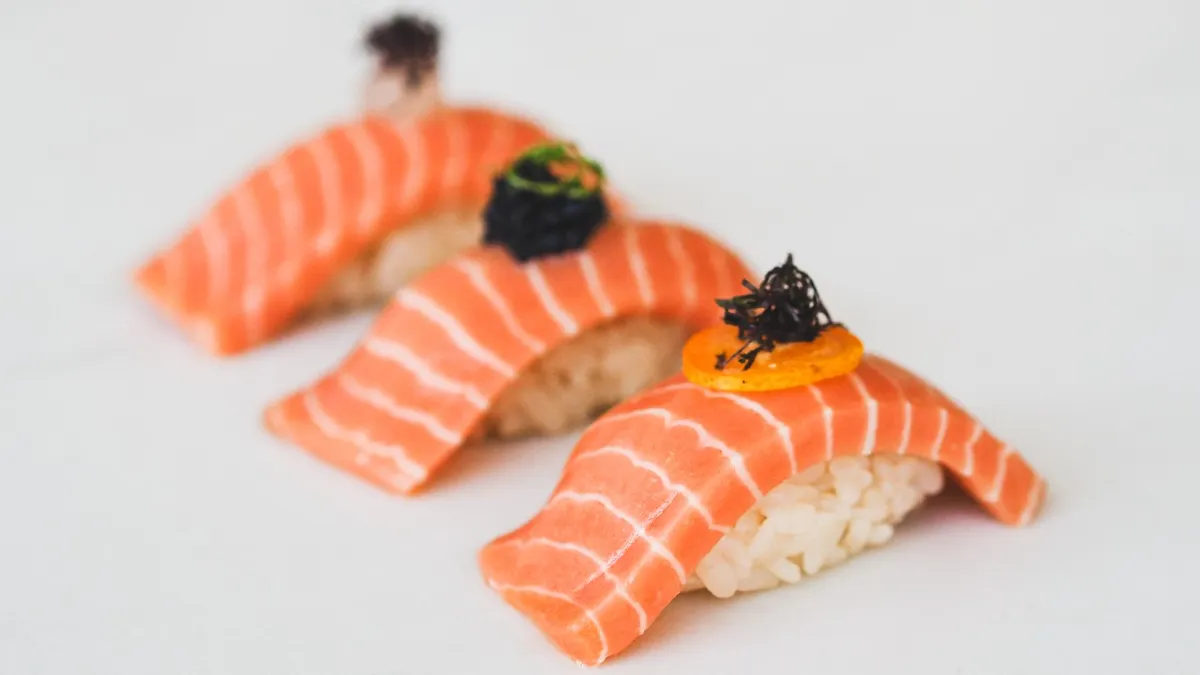
Wildtype: The First Commercial Sale
Wildtype Foods has become a name synonymous with cultivated seafood, and for good reason. In late 2023, they achieved a landmark milestone: the first commercial sale of cultivated salmon in the United States. This wasn’t a small-scale test; they began serving their cultivated salmon in select restaurants in Portland, Oregon. It’s a huge step forward for the industry, proving that cultivated seafood isn’t just a possibility, but a reality.
The path to market wasn’t easy. Wildtype spent nearly a decade researching and developing their process, and then navigated the complex regulatory landscape. Gaining approval from the Food and Drug Administration (FDA) required rigorous testing and a demonstration of safety and quality. This approval wasn’t just for Wildtype, it laid the groundwork for other cultivated seafood companies to follow.
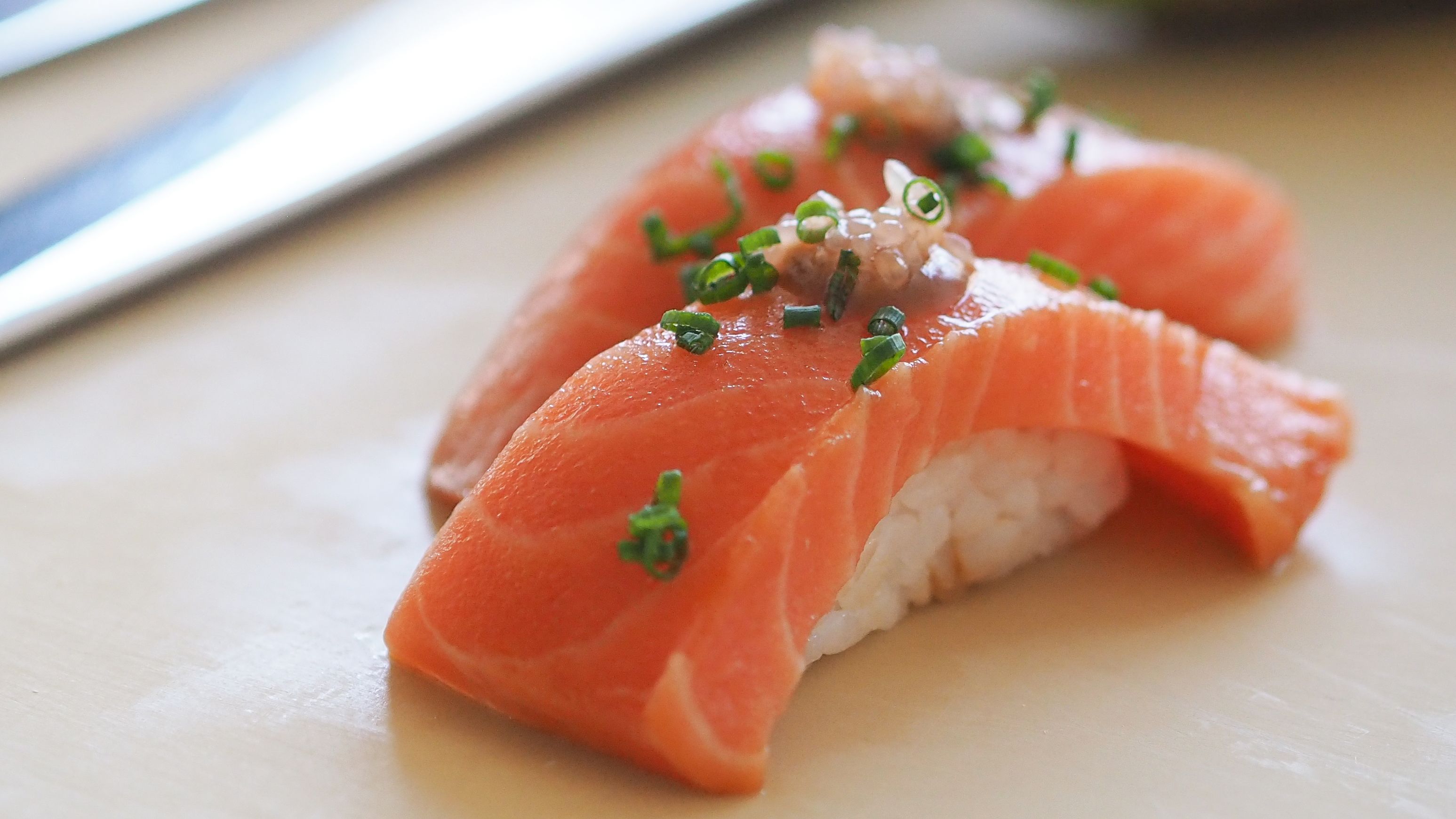
What’s particularly interesting is the form Wildtype chose to launch with: the "saku’ block. This is a uniformly cut block of raw fish, traditionally used for slicing into sashimi and nigiri. It"s designed to integrate seamlessly into existing sushi chef workflows. The saku format allows chefs to work with a familiar product, minimizing disruption and maximizing adoption. Early reports suggest chefs are receptive to the consistency and quality of the cultivated salmon saku.
Currently, availability is limited to those Portland restaurants, but Wildtype has plans for expansion. They’re actively working to scale up production and secure additional regulatory approvals to bring their cultivated salmon to a wider audience. You can sign up for updates and potential access on their website.
The Science Behind Cultivated Salmon
Cultivated salmon begins not with a fish, but with cells. Wildtype, like other cultivated seafood companies, starts by obtaining salmon cells – typically muscle and fat cells – from a live, healthy salmon. These cells are then placed in a carefully controlled environment, a bioreactor, where they are provided with the nutrients they need to grow and multiply.
The growth medium is the key. It’s a nutrient-rich liquid containing proteins, amino acids, vitamins, and other essential components. Developing a growth medium that is both efficient and sustainable is a major challenge. Early growth mediums were expensive and relied on animal-derived components, but companies are increasingly focusing on plant-based and serum-free alternatives.
As the cells multiply, they differentiate into muscle and fat tissues, forming the structure of the salmon. Over time, these tissues assemble into the "saku’ block we discussed earlier. The entire process takes place in a sterile environment to prevent contamination and ensure food safety. It"s a far cry from traditional salmon farming, which often involves crowded pens, disease outbreaks, and environmental pollution.
Compared to traditional salmon farming, cultivated salmon offers several potential advantages. It eliminates the need for wild-caught feed, reduces the risk of disease, and minimizes the environmental impact associated with waste and pollution. However, it’s important to note that cultivated salmon is not identical to traditionally farmed salmon. There are subtle differences in texture and nutritional profile, which companies like Wildtype are actively working to refine.
Sustainability: A Real Solution?
The promise of sustainability is central to the appeal of cultivated seafood. But is it truly a more sustainable option than wild-caught or farmed salmon? The answer is complex. Initial analyses suggest cultivated salmon has the potential to significantly reduce environmental impacts, but it’s not a guaranteed win.
Compared to wild-caught salmon, cultivated seafood eliminates the risk of overfishing and bycatch – the accidental capture of unwanted species. It also avoids the habitat destruction associated with some fishing practices. Compared to farmed salmon, cultivated seafood can reduce the need for fishmeal and fish oil, which are often sourced from wild-caught fish and contribute to overfishing.
However, cultivated seafood isn’t without its own environmental footprint. The production process requires energy, and the growth medium can be resource-intensive. Scaling up production will require significant investment in infrastructure and energy efficiency. The source of that energy is crucial – relying on fossil fuels would undermine the sustainability benefits.
The TriplePundit article highlights the potential for reduced land use and freshwater consumption with cultivated seafood. But remaining challenges include optimizing growth mediums, minimizing waste, and ensuring transparency in the supply chain. True sustainability requires a holistic approach, considering the entire lifecycle of the product. It’s a developing field, and ongoing research is essential to fully assess the long-term environmental impacts.
Salmon Comparison: Cultivated vs. Wild-Caught vs. Farmed
| Environmental Impact | Cost | Scalability | Nutritional Value | Taste/Texture |
|---|---|---|---|---|
| Lower impact, reduced bycatch | Currently Higher | Potentially High, still developing | Comparable, potentially customizable | Developing, aiming for parity |
| Significant impact, ecosystem disruption | Variable, often Higher | Limited by natural populations | Generally Higher in Omega-3s | Highly variable, considered the benchmark |
| Moderate impact, concerns about pollution & feed | Generally Lower | Currently High | Can be Adjusted with Feed | Consistent, can be affected by farming practices |
Qualitative comparison based on the article research brief. Confirm current product details in the official docs before making implementation choices.
Beyond Salmon: Other Cultivated Fish
While Wildtype has led the charge with cultivated salmon, other companies are exploring a wider range of species. Tuna, a popular choice for sushi and sashimi, is a major focus of research and development. Bluefin tuna, in particular, is severely overfished, making cultivated tuna a potentially crucial conservation tool.
Cultivating tuna presents unique challenges. Tuna are large, fast-growing fish with complex muscle structures. Replicating this in a lab environment is significantly more difficult than cultivating salmon. Several companies are tackling this challenge, experimenting with different cell types and growth conditions.
Eel is another sushi staple facing sustainability concerns. Wild eel populations have plummeted due to overfishing and habitat loss. Cultivated eel could provide a sustainable alternative, but the process is still in its early stages. Other species being explored include grouper, snapper, and even shrimp.
Each species presents its own set of hurdles. Some species have cells that are difficult to grow in culture, while others require more complex growth mediums. The economic viability of cultivating different species will also vary, depending on market demand and production costs. It's a diverse field with a lot of ongoing innovation.
Cost and Accessibility in 2026
Currently, cultivated seafood is expensive. The initial price of Wildtype’s salmon saku is significantly higher than traditionally sourced salmon. This is due to the high costs associated with research and development, production, and regulatory compliance. Scaling up production is crucial to driving down costs.
Several factors influence the cost, including the growth medium, bioreactor capacity, and energy consumption. Optimizing these factors will be essential to making cultivated seafood more affordable. Government funding and private investment will also play a key role. As production volumes increase, economies of scale will kick in, reducing the per-unit cost.
By 2026, we can expect to see some price reductions, but cultivated seafood is unlikely to be as cheap as traditionally farmed salmon. It will likely remain a premium product, initially available at high-end sushi restaurants and to consumers willing to pay a premium for sustainability. Wider accessibility will depend on further cost reductions and increased production capacity.
It’s reasonable to predict that by 2026, you might find cultivated salmon on the menus of select, forward-thinking sushi restaurants in major cities. Don't expect it to replace traditional salmon entirely, but it will offer a sustainable alternative for discerning consumers. Expect to pay a significant premium, perhaps double or triple the price of conventional salmon.
Taste and Texture: Does it Compare?
The most important question for sushi lovers: does it taste good? Early taste tests of Wildtype’s cultivated salmon have been largely positive. Chefs and consumers have reported that the flavor and texture are remarkably similar to traditional salmon.
However, there are subtle differences. Some tasters have noted a slightly different mouthfeel, and the fat content can vary. Wildtype is actively working to refine the texture and flavor profile to more closely match traditional salmon. This involves optimizing the cell culture process and experimenting with different growth mediums.
The goal isn’t necessarily to create an identical product, but to replicate the experience of eating high-quality salmon. For sushi, this means achieving the right balance of flavor, texture, and fat content. Wildtype is collaborating with sushi chefs to gather feedback and fine-tune their product.
Sushi chefs are cautiously optimistic. Many appreciate the consistency and quality of the cultivated salmon, and its potential to address sustainability concerns. The ability to obtain a uniform saku block is a significant advantage, simplifying the preparation process. Ultimately, the success of cultivated salmon will depend on its acceptance by both chefs and consumers.
Regulatory Landscape & Future Outlook
The regulatory landscape for cultivated seafood is evolving rapidly. The United States has taken a lead, with the FDA granting approval for Wildtype’s salmon. However, the regulatory pathways for other species and production methods are still being developed. Clear and consistent regulations are essential to fostering innovation and ensuring food safety.
Other key markets, such as Japan and Europe, are taking a more cautious approach. Japan, with its deep-rooted sushi culture, is particularly sensitive to the issue. Regulatory hurdles and consumer acceptance are significant challenges. Europe is also grappling with labeling requirements and safety assessments.
Scaling up production is a major hurdle. Building large-scale bioreactor facilities is expensive and requires specialized expertise. Ensuring a reliable and sustainable supply of growth medium is also critical. Innovations in bioreactor design and growth medium composition will be essential to reducing costs and increasing production capacity.
Looking ahead, the future of cultivated seafood is promising, but not without challenges. We can expect to see more companies enter the market, a wider range of species being cultivated, and increasing regulatory clarity. By 2026, cultivated seafood will likely be a niche but growing segment of the sushi market, offering a sustainable alternative for environmentally conscious consumers. The key is continued innovation, investment, and collaboration between scientists, regulators, and the sushi industry.
No comments yet. Be the first to share your thoughts!