

Sushi Automation Arrives
Social media has sparked interest in AI-assisted sushi making. AI-generated sushi recipes are appearing on Instagram, showing a desire to make this complex cuisine at home. Early buzz suggests a growing trend.
These tools aren't about replacing sushi chefs. They aim to make sushi making more accessible. Rolling sushi at home has long felt difficult, requiring practice and precision. These tools offer guidance and assistance.
Framing this as accessibility, not replacement, is important. Home sushi rolling has historically been difficult. Getting the rice consistency right, rolling the nori tightly, and distributing ingredients evenly all require experience. These tools aim to address these issues, offering a more streamlined experience for beginners.
While initial interest focuses on replicating AI designs, the long-term implications are broader. It's about empowering individuals to experiment with flavors and create sushi reflecting personal preferences. Personalized sushi experiences drive this trend.
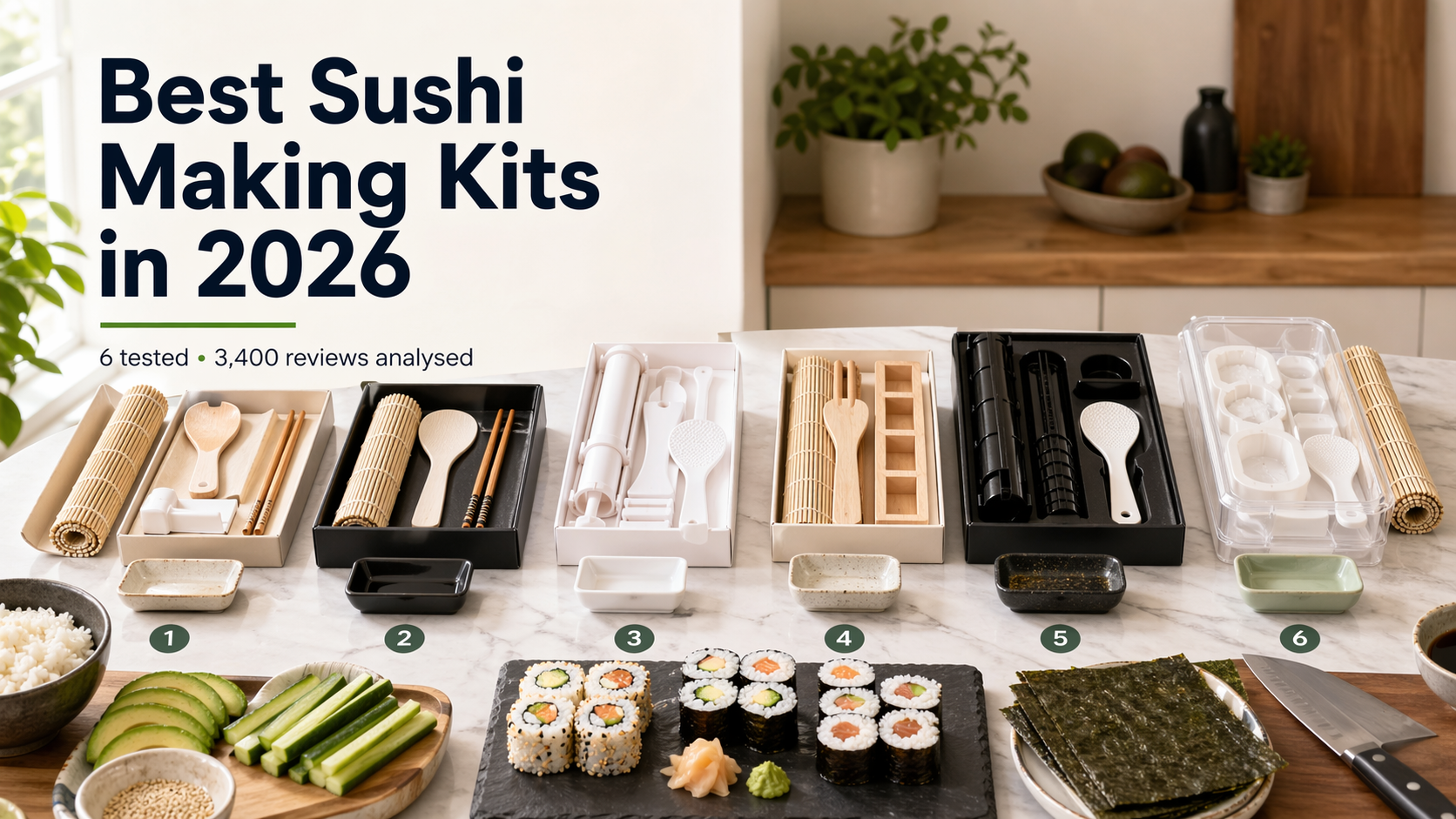
The Core Tech: What's Actually 'AI'?
The 'AI' label on these sushi-making tools is often a misnomer. True artificial intelligence, capable of independent learning, is unlikely. The technology combines computer vision, sensors, and pre-programmed automation.
Computer vision is a key component. Cameras identify ingredient type and size on the nori sheet, guiding the rolling process for proper alignment and distribution. Force sensors measure rolling pressure for desired tightness, preventing sushi from being too loose or compressed.
Much of the 'intelligence' likely comes from sophisticated automation, not complex learning algorithms. The tools operate on pre-programmed rolling patterns, adjusting movements based on sensor input. They execute specific rolling techniques effectively but may lack human chef adaptability.
Systems analyze ingredient placement, adjusting speed and pressure. For instance, a larger cucumber might prompt the tool to slow down. This precision differentiates these tools from traditional methods, offering consistent outcomes. It's assisted precision, not autonomous creation.
Current Tools: A Landscape View
The market for AI-powered sushi making tools is nascent. No single dominant player exists, but various solutions are emerging in broad categories. Many are still prototypes or early-stage products.
One category includes fully automated machines handling the entire rolling process, featuring ingredient hoppers, robotic arms, and control systems. These are often expensive and bulky. Guided rolling mats offer visual or haptic feedback, using sensors for pressure and alignment.
Smart ingredient prep tools automate tasks like rice cooking or vegetable slicing for consistent quality and portion control. Some may offer ingredient recommendations based on preferences or restrictions, though this function is not yet widely realized.
Materials range from food-grade plastics to stainless steel, impacting taste and safety. Avoid materials that leach chemicals or impart unwanted flavors. Durability is key for frequent use. Modular designs are trending, allowing customization and component replacement.
AI-Powered Sushi Tool Comparison - 2026
| Tool Type | Ease of Use | Skill Level Required | Ingredient Flexibility | Typical Application |
|---|---|---|---|---|
| Automated Sushi Machine | Low | Beginner | Low | Consistent roll production, ideal for simple Maki and Temaki. |
| Guided Rolling Mat with Sensors | Medium | Beginner to Intermediate | Medium | Provides real-time feedback on rolling technique, good for learning. |
| AI-Powered Ingredient Preparation System | Medium | Intermediate | High | Automates rice seasoning, fish slicing, and vegetable prep, offering customization. |
| Smart Rice Cooker with Sushi Settings | High | Beginner | Low | Optimizes rice texture for sushi, but requires user knowledge of seasoning. |
| AI-Assisted Nori Placement System | Medium | Intermediate | Medium | Automates nori sheet positioning, improving roll aesthetics and consistency. |
| Automated Filling Dispenser | Medium | Beginner | Medium | Precisely dispenses fillings, reducing mess and ensuring even distribution. |
Qualitative comparison based on the article research brief. Confirm current product details in the official docs before making implementation choices.
Ingredient Quality: Still Paramount
Even advanced AI sushi tools can't compensate for subpar ingredients. The quality of fish, rice, nori, and vegetables is paramount for a delicious and safe experience. A sophisticated machine can't transform low-quality ingredients into a gourmet meal.
Prioritize sushi-grade fish from reputable suppliers. These tools may assist with ingredient preparation, like precise rice cooking or vegetable slicing, but don't eliminate the need for careful sourcing. Proper handling and storage are also crucial.
These tools are aids, not magic wands. They streamline the process and improve consistency but can't replace a trained sushi chef's skill and judgment. The best results come from high-quality ingredients and proper food safety practices.
Sourcing high-quality ingredients can be challenging for home cooks. Look for transparent suppliers with strict quality control. Ask questions about fish origin and handling; reputable suppliers will provide details.
Ensuring Sushi-Grade Fish Quality
- Smell - Fresh fish should have a mild, seawater-like aroma. A strong, fishy, or ammonia-like odor indicates spoilage.
- Appearance - Look for firm, shiny flesh with vibrant color. Avoid fish that appears dull, slimy, or discolored.
- Supplier Reputation - Purchase from reputable fishmongers or suppliers known for handling sushi-grade fish. Companies like Fulton Fish Market provide access to wholesale options.
- Temperature Control - Fish should be kept consistently cold (below 40°F / 4°C) from the point of purchase to preparation. Use a reliable refrigerator thermometer.
- Proper Handling - Use separate cutting boards and utensils for raw fish and other foods to prevent cross-contamination.
- Freezing Guidelines - If freezing is necessary for later use (though ideally avoided for best texture), follow FDA guidelines for freezing fish intended for raw consumption. This typically involves freezing at -4°F (-20°C) or below for 7 days.
- Traceability - Inquire about the fish's origin and handling history. Reputable suppliers can often provide information about where and when the fish was caught.
- Certifications (where available) - While not always present, look for certifications from organizations like the Marine Stewardship Council (MSC) indicating sustainable fishing practices.
Beyond Rolling: AI in the Wider Sushi Experience
The potential applications of AI in the sushi world extend far beyond just automating the rolling process. We’re likely to see AI playing an increasingly important role in other areas, from recipe recommendations to ingredient ordering and even personalized pairings.
Imagine AI suggesting recipes based on dietary restrictions, allergies, or flavor preferences, or automatically ordering ingredients when low. These are realistic near-future possibilities. AI 'sushi sommeliers' might recommend sake or beer pairings.
undefined.
Furthermore, AI could be used to create entirely new and innovative sushi combinations. By analyzing flavor profiles and ingredient interactions, AI algorithms could identify unexpected pairings that result in delicious and unique sushi creations. This could push the boundaries of sushi cuisine and inspire new culinary trends.
Would you be willing to use an AI-powered tool to help you make sushi at home?
As smart kitchen technology continues to evolve, we want to know how our Sushi Palate community feels about using AI-assisted tools for home sushi rolling. Whether you are a traditionalist or a tech enthusiast, your opinion matters. Vote below!
The 2026 Outlook: What to Expect
Looking ahead to 2026, I predict that AI-powered sushi making tools will become more affordable and accessible to a wider range of consumers. As the technology matures and production costs decrease, we’ll likely see more compact and user-friendly devices hitting the market.
Expect increased integration with smart kitchen ecosystems. These tools will likely connect to other smart appliances and platforms, allowing for seamless ingredient ordering, recipe management, and automated cooking processes. Imagine a system that automatically adjusts the rice cooker settings based on the AI’s recommendations for optimal sushi rice.
I also think we’ll see tools that can learn from user behavior and adapt rolling techniques. Through machine learning, these tools could personalize the sushi-making experience, catering to individual preferences and skill levels. This could involve adjusting rolling speed, pressure, or even suggesting ingredient substitutions.
A greater emphasis on ingredient quality and traceability is also likely. Consumers are becoming increasingly concerned about the origin and sustainability of their food, and AI can play a role in providing greater transparency. We might see tools that can scan ingredient labels and verify their authenticity.
Troubleshooting and Common Mistakes
Even with the assistance of AI, users may encounter issues when making sushi at home. Common problems include ingredient misalignment, inconsistent rolling tightness, and occasional tool malfunctions. It’s helpful to be prepared for these challenges and to have a few troubleshooting tips at your disposal.
If ingredients aren’t aligning properly, double-check that the nori sheet is positioned correctly on the rolling mat. Ensure that the ingredients are evenly distributed and not overlapping. If the sushi isn’t rolling tightly enough, try applying more pressure during the rolling process. The tool’s sensors should provide feedback, but manual adjustment may be necessary.
I think it’s helpful to acknowledge that these tools aren’t foolproof. They’re designed to assist, but they still require user input and attention. Don’t be afraid to experiment and to adjust your technique as needed. Practice makes perfect, even with the help of AI.
For more complex issues, consult the tool’s user manual or contact customer support. Many manufacturers offer online tutorials and troubleshooting guides. Remember to keep the tool clean and well-maintained to prevent malfunctions. Regular cleaning will also help ensure food safety.



No comments yet. Be the first to share your thoughts!