

Beyond the slice
For decades, sushi preparation has focused on a select few prime cuts – the belly for otoro, the back for akami. But what about everything else? A growing number of chefs are challenging this convention, realizing that incredible flavor and texture are often discarded alongside bones and skin. I recently spoke with Chef Kenji Tanaka of Umi Sushi in Seattle, who told me he reduced his restaurant’s fish waste by over 60% simply by re-evaluating his approach to the whole fish.
The average sushi restaurant generates a surprising amount of waste. Estimates suggest nearly 40% of a fish can end up in the trash. This isn’t just an ethical concern; it’s a financial one. Fish prices continue to rise, making efficient ingredient usage more important than ever. Plus, consumers are increasingly aware of sustainability issues, and they’re seeking out restaurants that prioritize environmental responsibility.
The idea of 'zero-waste sushi' isn’t about achieving absolute perfection, it’s about a mindset shift. It’s about respecting the animal and maximizing the value of every part. We’re seeing a movement towards whole-fish utilization, where chefs are creatively finding uses for components that were once considered scrap. This isn't a new idea, really - traditional Japanese kaiseki cuisine has long valued resourcefulness, but it’s gaining traction in modern sushi restaurants globally.
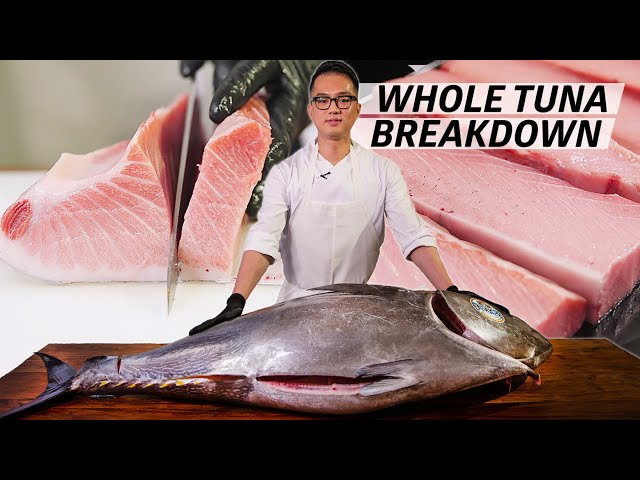
Dashi from the skeleton
Perhaps the most well-known use for fish scraps is dashi, the foundational broth of Japanese cuisine. Traditionally made with kombu (kelp) and katsuobushi (dried bonito flakes), dashi can also be powerfully flavored using the bones and heads of many fish species, especially white fish like snapper or flounder. The process is surprisingly simple: simmer the bones in water, skimming off any impurities, to extract their flavor. A good rule of thumb is about 1 pound of bones for 8 cups of water.
The fish you choose changes the broth. Snapper bones make a sweet dashi, while mackerel heads are oily and bold. Avoid tuna for this; the odor is too strong and it carries a higher risk of histamine formation.
But dashi isn’t the end of the story. Fish bones can be crisped in the oven and used as a flavorful garnish, adding texture and umami to sushi bowls or rice dishes. Some chefs are even rendering fish bones into a flavorful oil, perfect for drizzling over nigiri. If you're concerned about contaminants, sourcing fish specifically for dashi from trusted suppliers is crucial. Look for fish that hasn’t been treated with antibiotics or growth hormones.
- Simmer one pound of bones in eight cups of water.
- Skim off any impurities that rise to the surface.
- Strain the broth through a fine-mesh sieve.
- Season with soy sauce or mirin to taste.
Crispy skin techniques
Fish skin is often discarded, but it’s a fantastic source of flavor and texture. When properly prepared, it can become incredibly crispy and delicious. The key is to remove the scales thoroughly and then dry the skin as much as possible. You can achieve this by patting it dry with paper towels and then letting it air dry in the refrigerator for a few hours.
To crisp the skin, heat a small amount of oil in a pan over medium-high heat. Place the skin side down and press it firmly to ensure even contact with the pan. Cook until golden brown and crispy, about 5-7 minutes. Season immediately with soy sauce, chili flakes, or your favorite spice blend. I've found that a sprinkle of yuzu kosho adds a fantastic citrusy kick.
Safety is paramount when dealing with fish skin. Ensure it’s thoroughly cooked to eliminate any potential bacteria. Rendering fish skin also yields a flavorful oil that can be used for cooking or as a finishing drizzle. It’s a subtle but impactful way to reduce waste and enhance the flavor of your sushi.
Collars, cheeks, and belly flaps
Beyond the bones and skin, there are several other often-discarded parts of the fish that can be surprisingly delicious. Fish collars, the meat around the neck, are a favorite in many cuisines. They’re rich in flavor and can be grilled, braised, or even fried. Fish cheeks, known as hoho, are considered a delicacy in Japan, prized for their firm texture and delicate flavor.
Belly flaps are fatty and hold up well to pickling. If you try fermenting them, keep the salt content high and the temperature controlled to prevent spoilage. It is a difficult technique to master, but the result is a sharp, salty condiment that cuts through lean fish.
It's important to be realistic. Some parts require more skill and knowledge to prepare safely. Not every chef will be comfortable working with every part of the fish, and that's okay. The goal is to minimize waste where possible, while prioritizing food safety and quality.
Beyond the Slice: Fish Part Utilization
- Fish Collar (Sake Sagara) - Rich, flavorful, and slightly fatty. Often compared to the dark meat of chicken. Preparation: Grilling, braising, or deep-frying. Commonly served with ponzu sauce.
- Fish Cheeks (Hohoba) - Tender and delicate, with a mild flavor. Considered a delicacy in Japan. Preparation: Simmered in a flavorful broth (like miso or dashi), or lightly grilled.
- Fish Belly (Tororo) - The fattiest part of the fish, offering a melt-in-your-mouth texture and rich, buttery flavor. Preparation: Nigiri, sashimi, or lightly seared. Best enjoyed with minimal seasoning to appreciate the natural flavor.
- Fish Bones (for Dashi) - While not a 'meat,' the bones are essential for making dashi, the foundational broth of Japanese cuisine. Preparation: Simmered with kombu (kelp) and katsuobushi (bonito flakes) to create a flavorful stock.
- Fish Skin - Crispy and flavorful when prepared correctly. Often discarded, but can be a delicious snack or garnish. Preparation: Deep-fried to a crisp, grilled until blistered, or used to make cracklings.
- Fish Fins - Cartilaginous and slightly chewy, offering a unique texture. Preparation: Often used in soups or stews for added collagen and flavor. Can also be deep-fried for a crunchy snack.
- Fish Blood - Used in some regional Japanese cuisines, offering a metallic, umami-rich flavor. Preparation: Coagulated and served as 'chi-dashi' (blood tofu) or added to soups and stews. Requires careful handling and preparation.
Sourcing whole fish
Zero-waste practices are most effective when combined with responsible sourcing. Even the most resourceful chef can’t fully offset the environmental impact of unsustainable fishing practices. Knowing where your fish comes from is crucial. Look for certifications like the Marine Stewardship Council (MSC) label, which indicates that the fishery meets certain sustainability standards.
Choosing whole fish over pre-cut fillets can significantly reduce waste at the source. Filleting generates a lot of trim, which often ends up discarded. Buying a whole fish allows you to utilize all the parts, or at least find a use for the scraps. When possible, opt for locally sourced fish to reduce transportation emissions.
Different fishing methods have varying impacts on the environment. Bottom trawling, for example, can damage seafloor habitats, while pole-and-line fishing is generally considered more sustainable. Supporting fisheries that employ responsible fishing methods is a key step towards a more sustainable sushi industry.
Composting scraps
Even with maximum utilization, some waste is unavoidable. Fish scales, small bone fragments, and other scraps can’t always be repurposed. This is where composting comes in. Fish scraps are rich in nitrogen and can be a valuable addition to a compost pile, accelerating the decomposition process.
Proper composting is essential to avoid unpleasant odors and attract pests. Layer fish scraps with carbon-rich materials like leaves and wood chips. Ensure the compost pile is well-aerated and maintained at the appropriate temperature. There are many resources available online to guide you through the composting process. I suggest checking out the EPA website for detailed instructions.
For scraps that aren’t suitable for composting, explore alternative disposal options. Some communities offer rendering services that convert fish waste into biofuel or animal feed. EcoQuality Inc. offers compostable sushi trays as a plastic alternative for takeout, and Common Housefly sells sushi mats made from bamboo. Finding local composting facilities is easy with a quick online search.



No comments yet. Be the first to share your thoughts!