
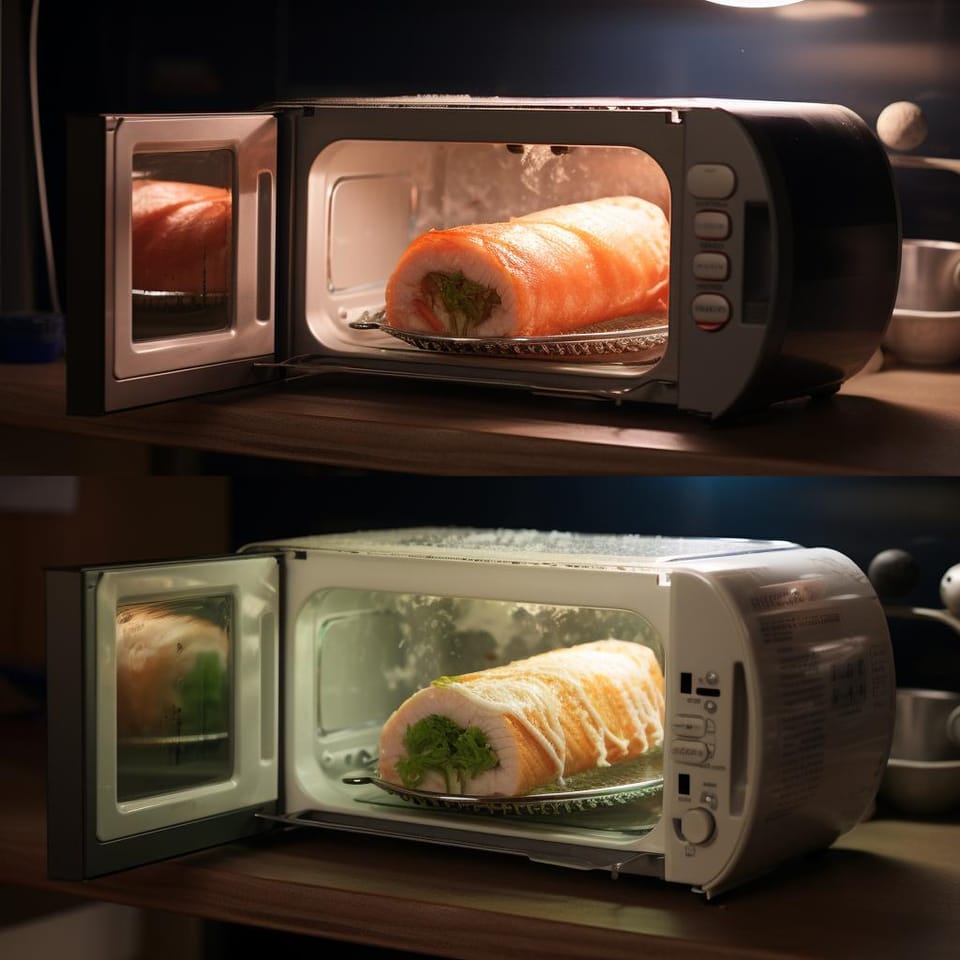

Diving into the Delicate Dance of Sushi Reheating 🍣
Ever found yourself staring at a box of leftover sushi, wondering if it's a culinary crime to reheat it? You're not alone. Sushi, the epitome of culinary artistry, is usually enjoyed fresh, but let's face it, we all have those days when our eyes are bigger than our stomachs. So, what do you do when you've ordered too much nigiri and you're left with a surplus of sushi? Here's how to make your leftovers taste fresh again.
With our comprehensive sushi preparation guide, we're diving into the delicate dance of reheating sushi. We'll explore the sushi do's and don'ts, offering you reheating sushi tips and tricks to maintain that sushi freshness. Whether you're a sushi connoisseur or a novice dipping your toes into the sushi world, we've got you covered. Are you ready to find out how to reheat sushi without turning it into a fishy fiasco? Let's roll!
Before we jump in, let's clarify something: not all sushi is created equal. Our nigiri sushi information will help you understand why some types are more suited to reheating than others. But don't worry, we're here to guide you through the process, ensuring your sushi remains a taste sensation, even on the second round. Here's a guide on how to reheat seafood without drying it out.
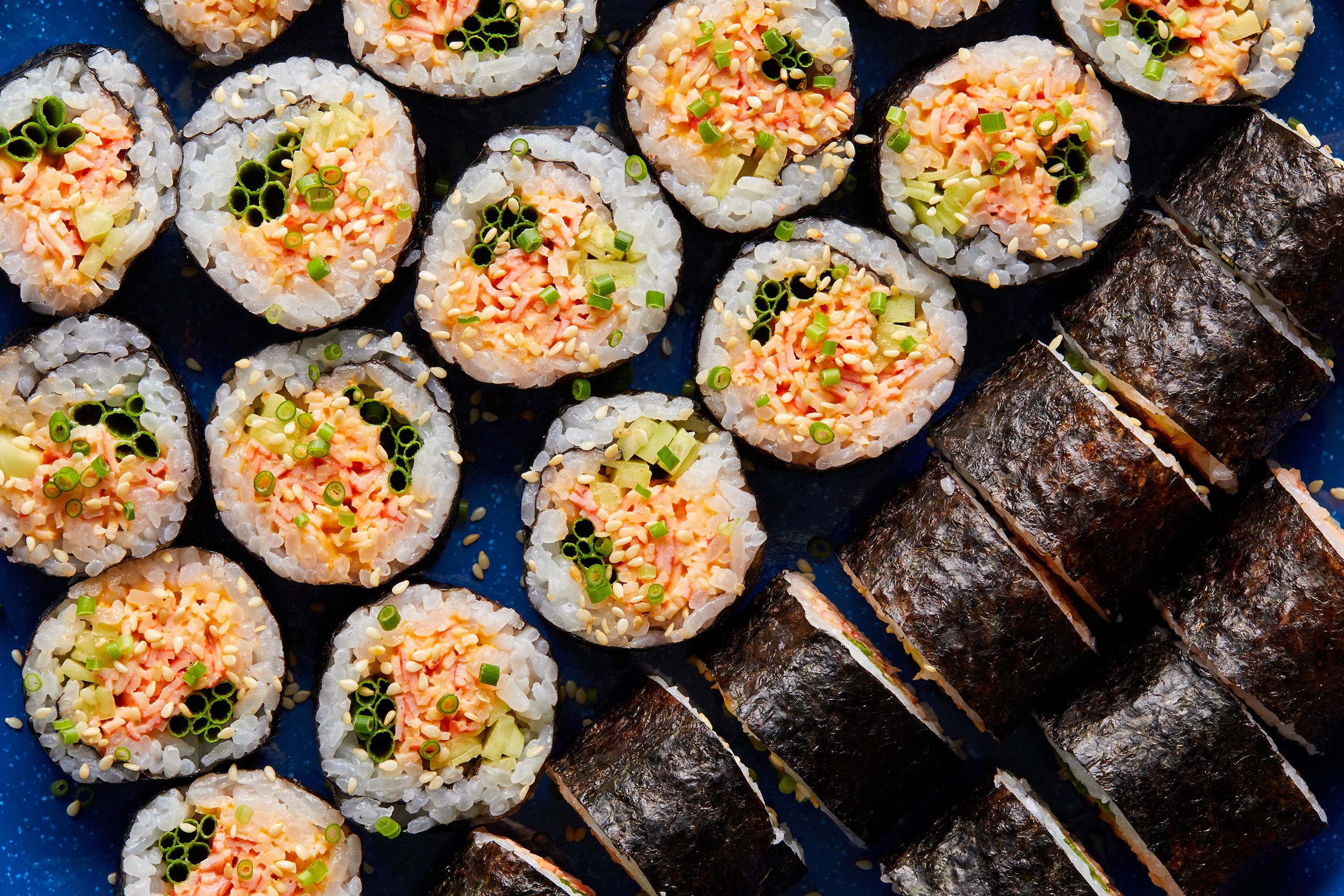
Sushi 101: Decoding the Reheat Debate 🍱
Picture this: you've indulged in a sushi feast, but your eyes were bigger than your stomach. Now you're left with a platter of sushi that's too good to waste. The question arises - how to reheat sushi? Or should you even dare to?
Let's dive into the world of sushi. Not all sushi is born equal when it comes to reheating. For instance, nigiri sushi, a delicate balance of perfectly seasoned rice topped with fresh fish, is best enjoyed at room temperature. Reheating may compromise its integrity, turning your sushi experience from a symphony into a cacophony. So, if you're a sushi connoisseur or striving to be one, remember that maintaining sushi freshness is paramount.
However, certain types of sushi can withstand the heat. For example, sushi rolls with cooked ingredients like tempura prawns or grilled eel can be gently reheated without losing their essence. The key is in the method, which we'll explore in the next section.
So, whether you're a sushi newbie or a seasoned sushi veteran, understanding the sushi do's and don'ts can help you savor every bite of your leftover sushi, ensuring a fresh-tasting second round. Stay tuned for our sushi preparation guide and reheating sushi tips.
Sushi Types and Their Reheating Guidelines
Now that we've covered the basics of sushi types, let's dive into the specifics of whether each type can be reheated or not. Here's a handy table for your quick reference:
| Sushi Type | Can be Reheated? | Reheating Tips |
|---|---|---|
| Nigiri (Fish on Rice) | No ❌ | Reheating can ruin the delicate flavor of the fish. Best eaten fresh. |
| Sashimi (Raw Fish) | No ❌ | Reheating can cook the raw fish and alter its texture. Best eaten fresh. |
| Maki (Rice & Fillings in Seaweed) | Yes ✅ | Avoid overheating to prevent the seaweed from getting too chewy. |
| Uramaki (Inside-out Roll) | Yes ✅ | Reheat gently to maintain the integrity of the ingredients. |
| Temaki (Hand Roll) | Yes ✅ | Unwrap the roll, reheat the ingredients, then reassemble. |
| Inari (Rice in Fried Tofu) | Yes ✅ | Reheat slowly to avoid drying out the tofu. |
| Chirashi (Scattered Sushi) | Depends on Ingredients ⚠️ | Reheat only the non-raw ingredients, if any. |
Keep this table in mind as we move on to the next section where we will discuss the art of reheating sushi.
Mastering the Warm-up: Your Guide to Sushi Reheating 🌡️
Ever found yourself with a platter of sushi from last night's party, wondering how to reheat sushi without losing its delicate balance of flavor? You're not alone. But fear not, sushi aficionados, as we delve into the do's and don'ts of reheating sushi, we'll turn you into a sushi reheating connoisseur in no time!
Let's start with a little nigiri sushi information. Nigiri, with its tender slices of raw fish atop hand-pressed mounds of rice, is a sushi lover's delight. But should it be reheated? The answer is a firm no. Nigiri is meant to be savored at room temperature, where its subtle flavors shine brightest.
Now, onto the art of reheating. Here's a handy sushi preparation guide: if you're dealing with sushi rolls or cooked sushi, consider using a steamer. This method helps maintain sushi freshness, retaining the moisture and texture of the rice while gently warming the fillings. Remember, sushi is a delicate art form, and reheating should be done with the same level of care as its creation.
And what about the don'ts of reheating sushi? Well, you might be tempted to pop your sushi into the microwave, but resist that urge. Microwaving sushi can make the rice hard and chewy, and let's not even get started on what it does to the fish! For more on this, check out our article on why food tastes different when reheated.
So, there you have it, our top reheating sushi tips. Whether you're a sushi novice or a seasoned sushi bake expert, we hope this guide helps you enjoy your sushi, round two, just as much as the first. Happy reheating!
The Perfect Reheat: A Step-by-Step Guide
- Assess Your Sushi: Before you start, remember not all sushi is created equal. Rolls with raw fish or delicate ingredients might not take well to reheating. When in doubt, eat it cold or room temperature.
- Choose Your Method: You can use either a microwave or a steamer, but remember, the goal is to gently warm the sushi, not cook it.
- For Microwave: Place the sushi on a microwave-safe plate. Heat it at 50% power for about 30 seconds. Check the temperature and repeat if necessary. Be careful not to overheat!
- For Steamer: Arrange the sushi in a single layer in the steamer basket. Steam for about 5-10 minutes, or until warm to the touch. Remember, you're not trying to cook the sushi, just warm it up.
- Check the Temperature: The sushi should be just warm to the touch, not hot. If it's too hot, it may become mushy and lose its delicate flavor.
- Enjoy Immediately: Reheated sushi should be enjoyed immediately. The longer it sits, the more the quality degrades. So, don't wait – dig in!
Now that we've gone through the step-by-step guide for reheating sushi, let's watch a video to get a better understanding of the process.
Having watched the video, let's move on to some common mistakes you should avoid when reheating sushi.
Avoid the Sushi Sin: What NOT to Do When Reheating 🚫
Just like reheating rice or salmon, sushi also has its specific do's and don'ts. The art of maintaining sushi freshness is not as simple as cranking up the microwave and hoping for the best. So, what are the common sushi reheating blunders to avoid?
Firstly, never reheat sushi with raw fish. Sushi connoisseurs, you know what we're talking about, right? That's nigiri sushi information 101: raw fish is meant to be enjoyed fresh, not hot. Secondly, avoid using high heat. This is not a steak we're talking about, folks! High heat can make your sushi rice hard and your fish dry. Lastly, don't reheat sushi more than once. As with most foods, reheating multiple times can lead to food safety issues and a significant loss of flavor.
So, next time you're pondering how to reheat sushi, remember these tips. Because, let's face it, reheating sushi is less about warming and more about preserving that fresh, ocean taste we all love.
Common Mistakes to Sidestep When Reheating Sushi
- Reheating Sushi with Mayo or Cream Cheese: These ingredients tend to separate and become oily when heated. If your sushi roll contains them, consider eating it cold or at room temperature.
- Using High Heat: Sushi is delicate, and high heat can ruin its texture and flavor. Always opt for a gentle heat when reheating.
- Reheating Sashimi: Sashimi is raw fish and it’s meant to be enjoyed in its original, fresh state. Reheating it can lead to a rubbery texture and a loss of flavor.
- Not Removing the Nori: The seaweed wrap, also known as nori, can become chewy and unappetizing when reheated. If possible, remove it before reheating your sushi.
- Reheating in Plastic: Some sushi comes in plastic containers. Always remove sushi from plastic before reheating, as the heat can cause harmful substances to leach into your food.
- Ignoring the Rice: Remember, sushi is not just about the fish. The rice is equally important. Overheating can make the rice hard and dry. Use a damp paper towel to keep it moist during reheating.
- Reheating All Types of Sushi: Not all sushi should be reheated. For instance, sushi with raw or lightly cooked ingredients, like California rolls, are best enjoyed cold.
Final Roll: Ensuring Your Sushi's Second Round is a Knockout 🥊
As we wrap up our sushi saga, it's essential to remember that sushi is more than just a meal, it's an art form. When it comes to reheating sushi, the key is to respect this artistry while ensuring a delightful, fresh-tasting second round. Becoming a sushi connoisseur isn't just about knowing your nigiri from your maki, but also mastering the delicate dance of maintaining sushi freshness.
While our reheating sushi tips have covered the sushi do's and don'ts, remember, not all sushi is meant to be reheated. That nigiri sushi you're eyeing? Best enjoyed as it is. And if you're unsure about how to reheat sushi, always err on the side of caution. After all, nothing ruins a sushi experience faster than a soggy roll or overcooked fish.
So, next time you're faced with leftover sushi, think twice before popping it in the microwave. Consult our sushi preparation guide and remember, a true sushi lover knows when to heat and when to eat. Now, are you ready to put your newfound knowledge to the test? Let's find out: What is your reheating sushi style?
What is your reheating sushi style?
Test your knowledge on the do's and don'ts of reheating sushi. Let's find out your style!
Learn more about 🍣 What is Your Reheating Sushi Style? 🍣 or discover other Sushi Palate quizzes.


No comments yet. Be the first to share your thoughts!