

Get what is nigiri sushi right
Start by defining what a good What Is Nigiri Sushi in ? A Sushi Connoisseur’s to Buying Sushi Grade Fish purchase has to prove before you compare prices. Separate must-have requirements, seller credibility, condition, delivery timing, and return terms from nice extras that can wait. Keep the first pass narrow. Shortlist a few credible sources, check the evidence behind each listing, and reject options that hide basic details. A cheaper offer is not useful if it leaves the most important risk unanswered.
The simplest way to use this section is to verify the seller, compare the total cost, and resolve the biggest risk before you commit.
Work through the steps
What Is Nigiri Sushi in ? A Sushi Connoisseur’s to Buying Sushi Grade Fish works best when the purchase path is explicit. Verify the source, compare the offer against real alternatives, check the total cost, and confirm what happens after payment before you decide. After each comparison, write down the one risk that would change your mind. If the seller, condition, support, warranty, shipping, or upkeep still feels uncertain, resolve that question before moving to checkout.
-
Verify the sellerCheck reputation, included details, delivery terms, and return policy before treating the listing as credible.
-
Compare total costAdd shipping, accessories, maintenance, warranty, and likely replacement costs to the listed price.
-
Confirm fitMatch the option to the real use case before paying for features that will not matter.
Common Nigiri Mistakes to Avoid
Even with the best sushi-grade fish, poor execution ruins the experience. The gap between a good nigiri and a great one lies in the details of preparation, temperature, and handling. Here are the most frequent errors that lead to disappointing results.
Using rice that is too cold or too warm
Sushi rice should be at body temperature, roughly 98°F (37°C). If the rice is too cold, the texture becomes hard and the flavor muted. If it is too warm, the grains stick together excessively, making it difficult for the chef to form the neat mound required for proper nigiri. Always serve sushi rice shortly after seasoning, while it is still slightly warm to the touch.
Over-squeezing the rice mound
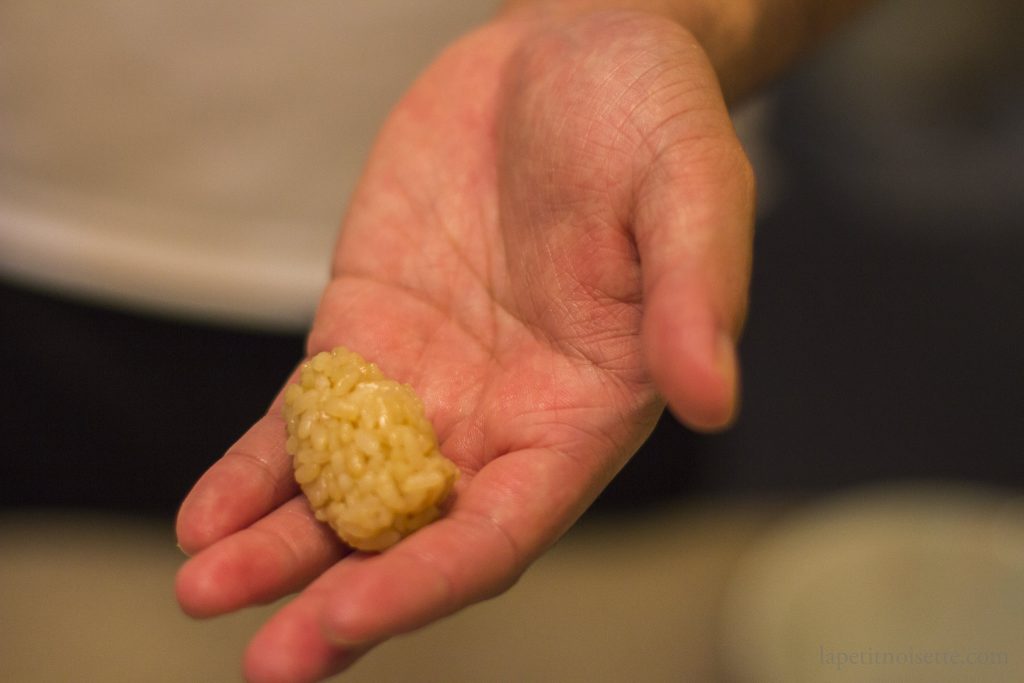
Nigiri rice must be loose enough to fall apart in the mouth but tight enough to hold its shape. Many beginners (and some rushed chefs) squeeze the rice too hard. This compacts the grains, turning the delicate pillow into a dense brick that feels heavy and gummy. The rice should be gently cupped in the hand, allowing air to remain between the grains for a light, airy texture.
Ignoring the fish’s temperature
Raw fish should be served chilled, not frozen. If the fish is too cold, it numbs the tongue and masks subtle flavors. If it is too warm, bacteria can grow rapidly, and the texture may become mushy. Keep the fish refrigerated until the moment it touches the rice. A slice of fish that is too cold will also contract the rice beneath it, causing the nigiri to fall apart quickly.
Forgetting the wasabi placement
Wasabi belongs between the fish and the rice, not on top. Mixing wasabi into the soy sauce is a common mistake that dilutes the flavor and creates an uneven burn. Placing a small amount of wasabi directly under the fish ensures that each bite has a balanced kick of heat without overwhelming the delicate taste of the seafood.
Using the wrong soy sauce
Not all soy sauces are created equal. Traditional Japanese soy sauce is thinner and saltier than Western versions. Using a thick, sweetened soy sauce can overpower the natural flavor of the fish and rice. Dip the fish side lightly into the sauce, avoiding the rice to prevent it from absorbing too much liquid and falling apart.
Is nigiri sushi: what to check next
Helpful gear
Use these product recommendations as a starting point, then choose the size, material, and price point that fit how you actually use the gear.
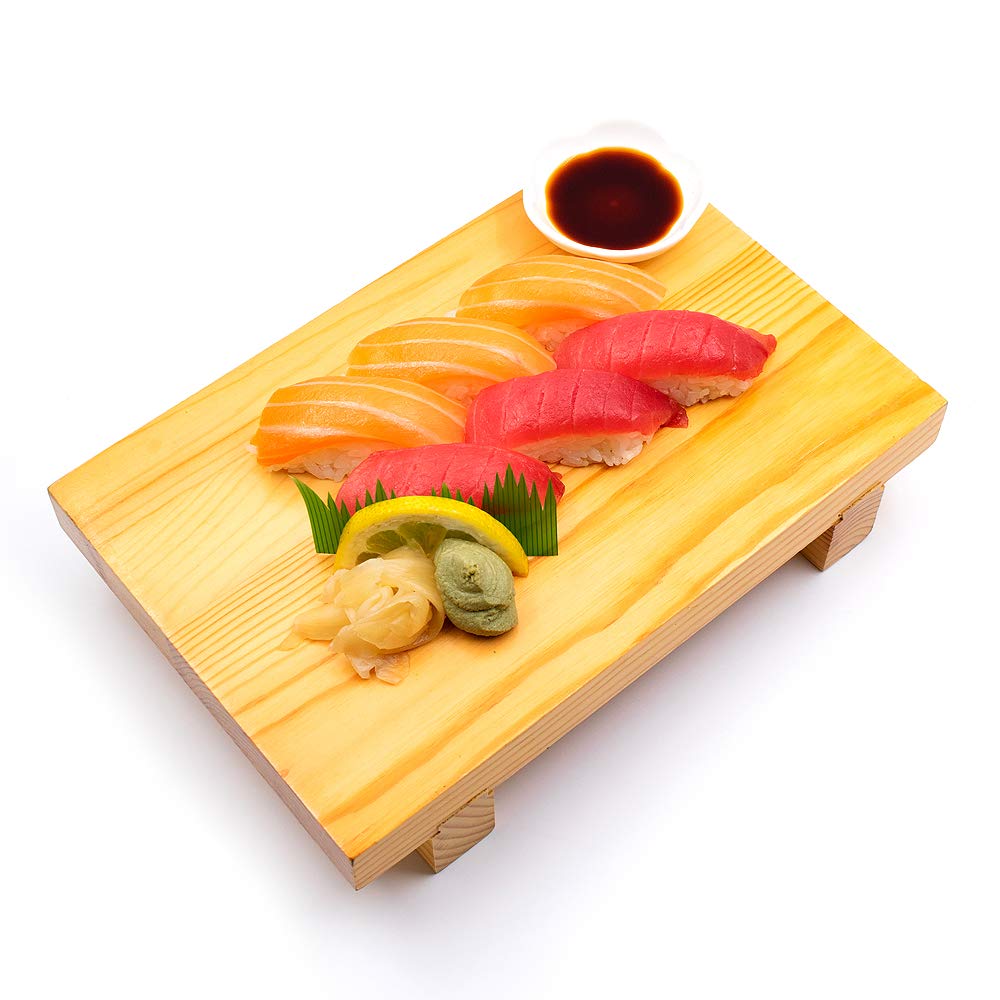
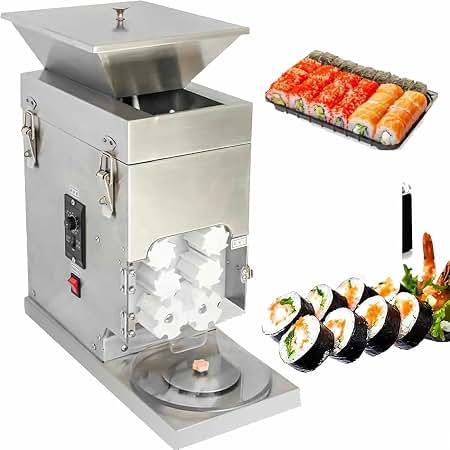
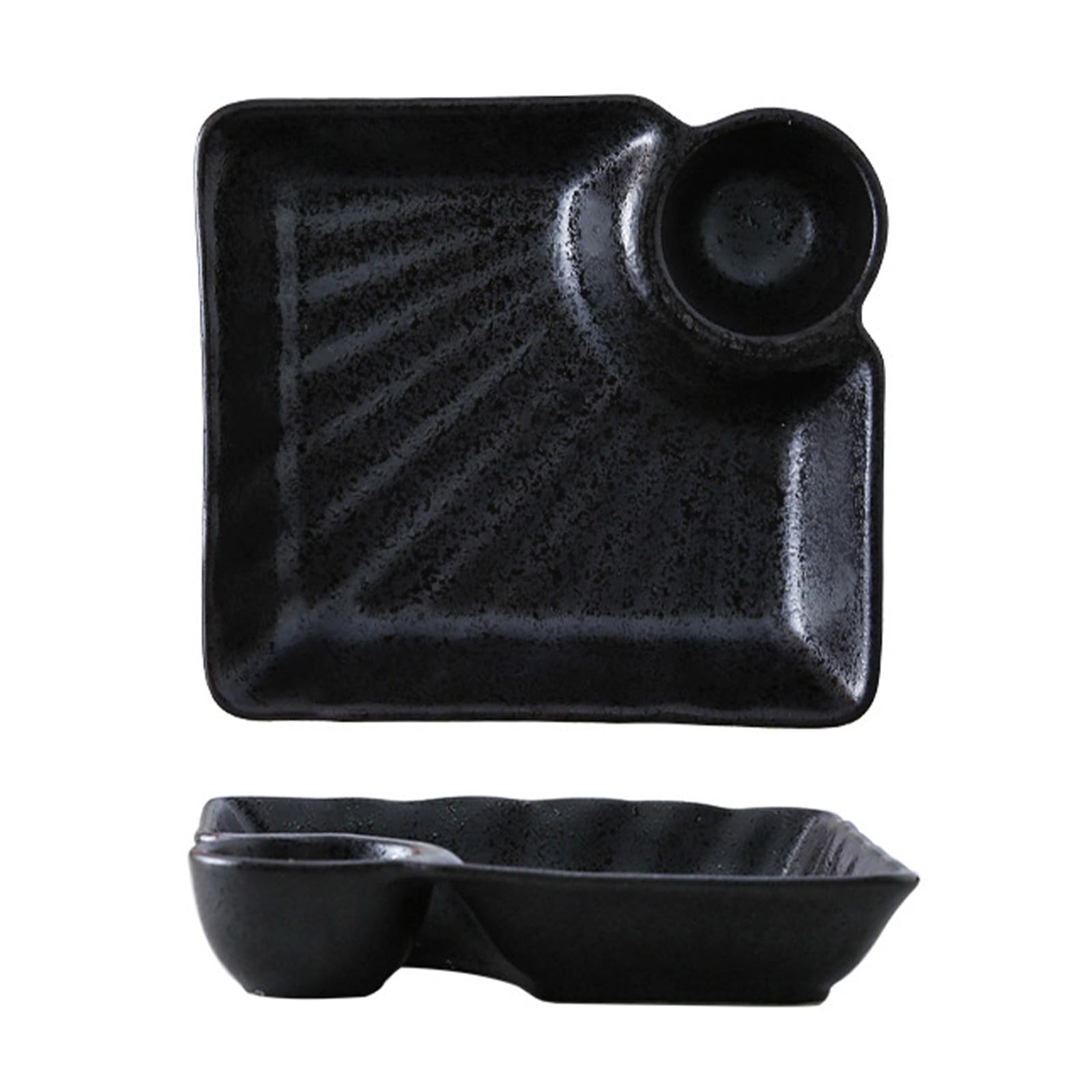
As an Amazon Associate, we may earn from qualifying purchases.
Work through What Is Nigiri Sushi in ? A Sushi Connoisseur’s to Buying Sushi Grade Fish
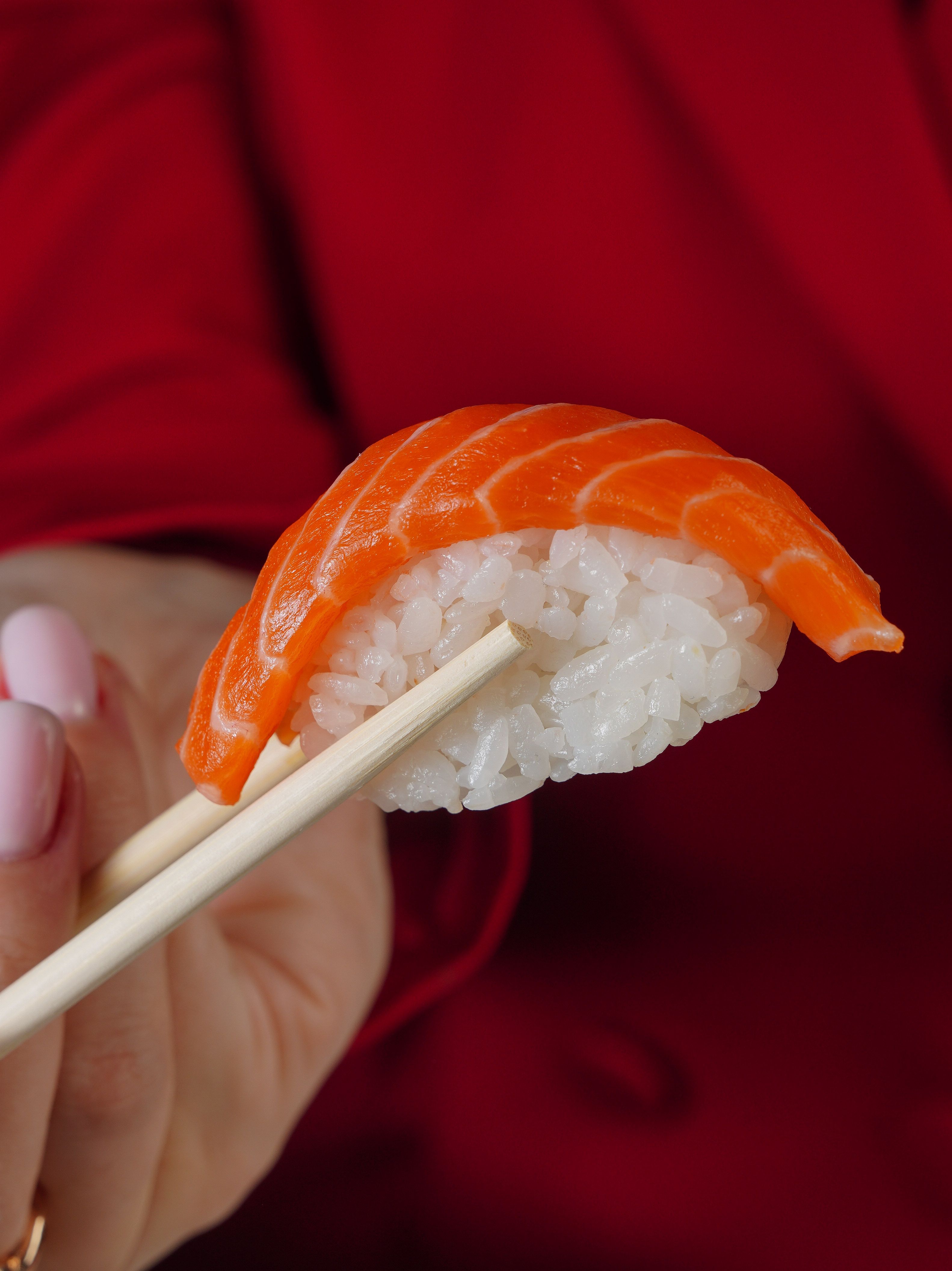
No comments yet. Be the first to share your thoughts!