

Get Roll Sushi Right
Before you start rolling, set up your station for speed and cleanliness. Sushi rice sticks to everything, so keep a bowl of water mixed with a splash of rice vinegar within arm’s reach. Dip your fingers in this mixture before handling the rice to prevent sticking, and keep a damp cloth nearby to wipe your hands between steps.
You need a bamboo rolling mat (makisu) to get tight rolls. If you don’t have one, a clean kitchen towel works as a substitute. Lay the towel flat, place your nori on it, and fold the towel over the filling to apply even pressure. Avoid using plastic wrap alone, as it offers no structural support and often leads to loose, messy rolls.
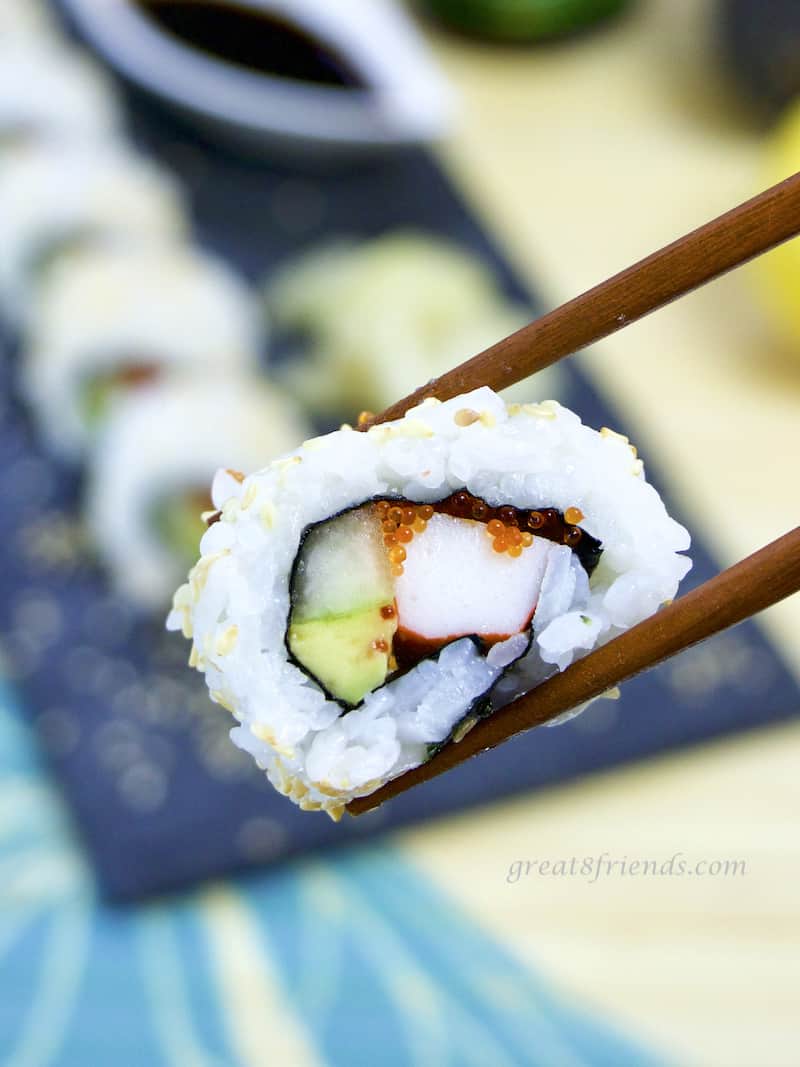
Check your nori sheets before you begin. Place the sheet shiny side down on the mat; the duller side grips the rice better. If your nori is old or stored improperly, it may crack when rolled. Test it by bending a small corner—if it snaps, use it for uramaki (inside-out rolls) where the rice is on the outside, or discard it.
Work through the steps
Mastering Modern Maki works best as a clear sequence: define the constraint, compare the realistic options, test the tradeoff, and choose the path with the fewest hidden costs. That order keeps the advice usable instead of decorative. After each step, pause long enough to check whether the recommendation still fits the reader's actual situation. If it depends on perfect timing, unusual access, or a best-case budget, include a simpler fallback.
Fix common mistakes
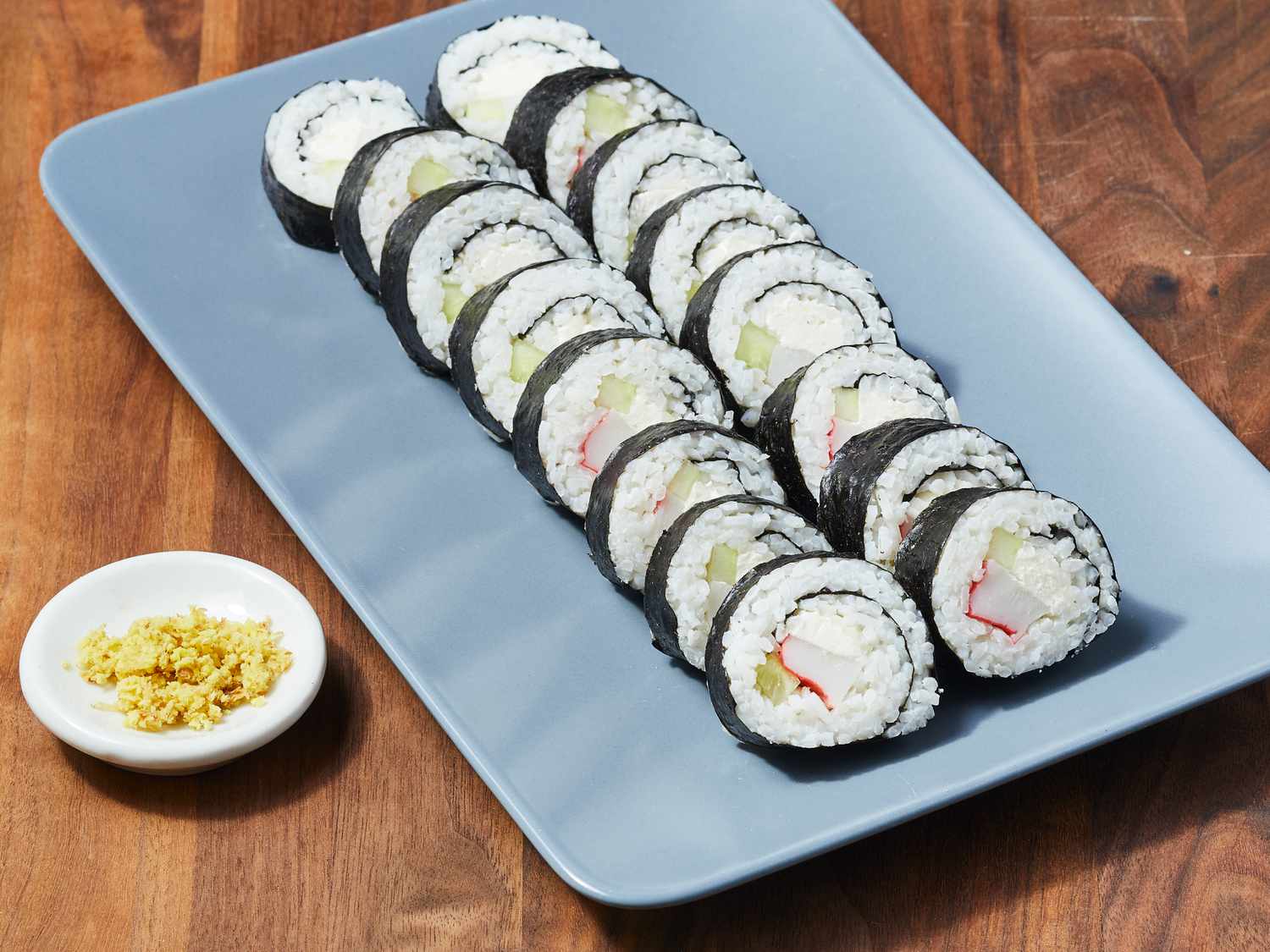
Most rolled sushi falls apart or turns into a sticky mess because of three specific errors: using the wrong nori side, overfilling the roll, and pressing too hard. Fixing these takes seconds but changes the texture completely.
Place the nori with the dull, matte side facing up. The shiny side is coated to stay flat during manufacturing, but the dull side is rougher and grips the rice better. If you start with the shiny side up, the rice slides off as you roll, forcing you to add more rice to compensate, which leads to a thick, doughy exterior.
Keep fillings to a thin line across the center. A common mistake is piling on too many ingredients, which creates a bulky center that pushes the roll open. Aim for a line no wider than half an inch. If you want multiple fillings, place them side-by-side rather than stacked on top of each other.
Roll with gentle, even pressure. Do not squeeze the bamboo mat like a vice. The mat provides structure; your hands provide the shape. If you press too hard, you crush the rice and squeeze out the fillings, resulting in a dense, hard cylinder. Let the mat do the work while you guide the nori into a tight circle.
Roll sushi: what to check next
Even with the right tools, rolling maki can feel tricky until you understand the mechanics. Here are the most common questions about technique, equipment, and handling nori.
What is the trick to rolling sushi?
The secret is tension. When you start the roll, use the bamboo mat to gently squeeze the ingredients together. Don't press so hard that the rice squishes out the sides, but apply enough pressure to create a tight cylinder. A loose roll will fall apart when you slice it.
Do you roll sushi shiny side up or down?
Always place the nori with the shiny side facing down. The duller side is textured and absorbs the rice moisture better, helping it stick. If you put the shiny side up, the rice may slide off, and the final presentation will look uneven.
What can I use if I don't have a sushi roller?
You can substitute a clean kitchen towel or a sheet of plastic wrap. Place your filling and rice on the towel, then use your hands to tuck and roll tightly. The friction from the fabric helps compress the roll just like a bamboo mat would.
Do I wet nori before rolling?
No. Wetting nori before rolling makes it limp and chewy. Only wet the nori if you are making an inside-out roll (uramaki) and need to seal the edge with rice. For standard maki, keep the nori dry so it stays crisp.
No comments yet. Be the first to share your thoughts!