

Get What Is Nigiri Sushi Right
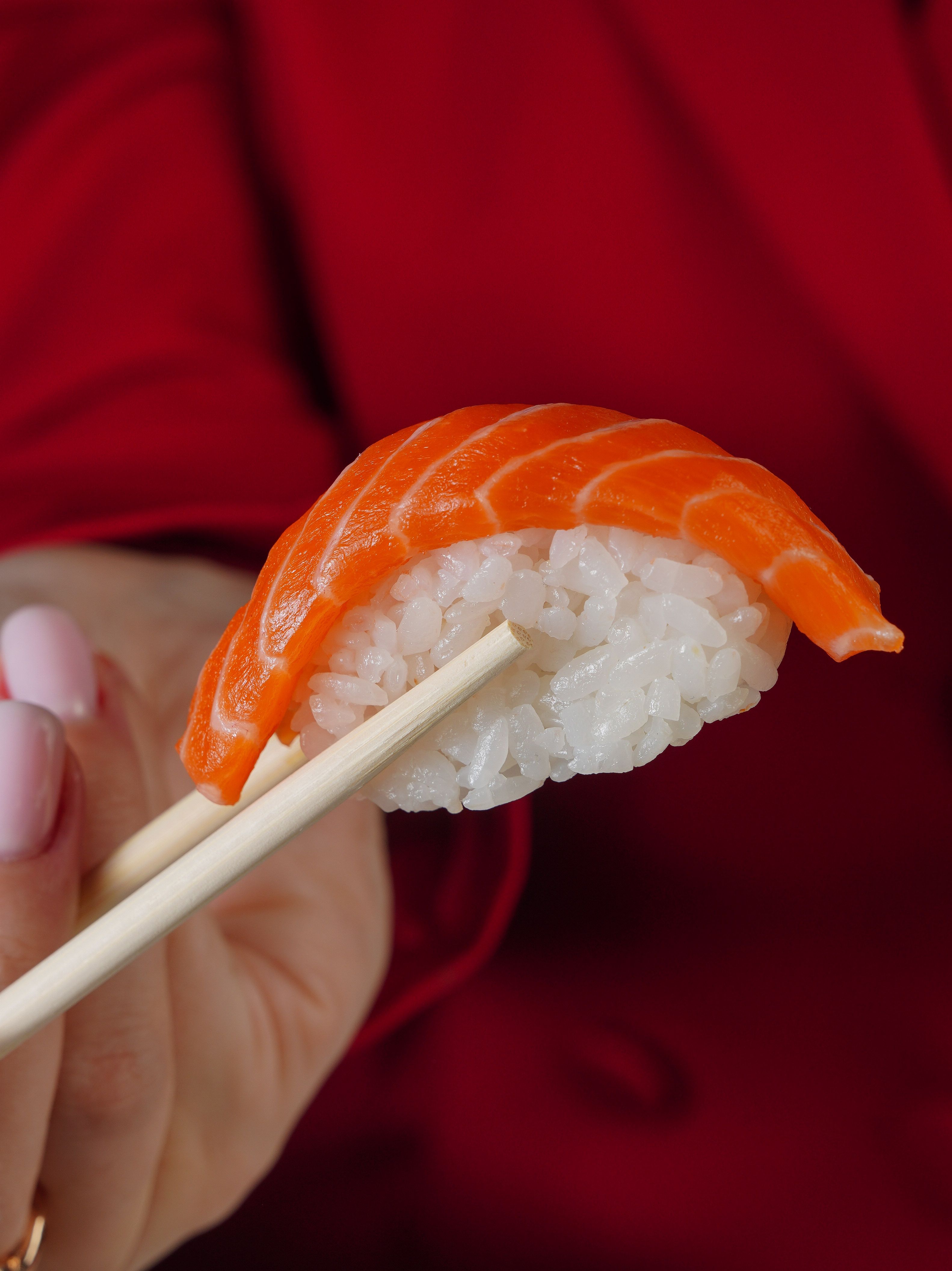
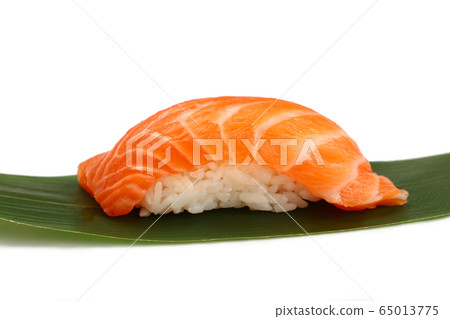
Before shaping your first piece, understand that nigiri is not just sushi; it is a specific construction of hand-pressed rice and topping. Unlike maki rolls, which wrap ingredients in seaweed, nigiri relies on the balance between the vinegar-seasoned rice (shari) and the fish (neta). Getting this right requires attention to texture, temperature, and the structural integrity of the rice ball.
The foundation is the rice. It must be cooked to a tender but firm consistency and seasoned with a precise blend of rice vinegar, sugar, and salt. The rice should remain slightly warm when served, as cold rice loses its aromatic quality and becomes hard. Keep a damp cloth nearby to prevent the rice from drying out while you work.
For the topping, "sushi-grade" fish is a marketing term, not a safety guarantee. Look for fish labeled "sashimi-grade" or "previously frozen," which means it has been flash-frozen to -20°C (-4°F) for at least seven days to kill parasites. This step is non-negotiable for raw consumption. If you are unsure about the source, stick to cooked options like unagi (eel) or tamago (egg) until you gain confidence.
Finally, prepare your hands. Wet them with a mixture of water and vinegar (tezu) to stop the rice from sticking. This simple tool keeps your workspace clean and ensures the rice balls hold their shape without falling apart during assembly.
Work through the steps
What is Nigiri Sushi in ? Mastering the Art of Sushi Grade Fish Selection and Preparation works best as a clear sequence: define the constraint, compare the realistic options, test the tradeoff, and choose the path with the fewest hidden costs. That order keeps the advice usable instead of decorative. After each step, pause long enough to check whether the recommendation still fits the reader's actual situation. If it depends on perfect timing, unusual access, or a best-case budget, include a simpler fallback.
Common nigiri mistakes to avoid
Even with high-grade sashimi, poor execution ruins the dish. Nigiri relies on the balance between rice texture and fish density. When that balance breaks, the result is either a mushy mess or a dry, unpleasant bite.
Here are the specific errors that most often lead to poor outcomes.
Over-pressing the rice
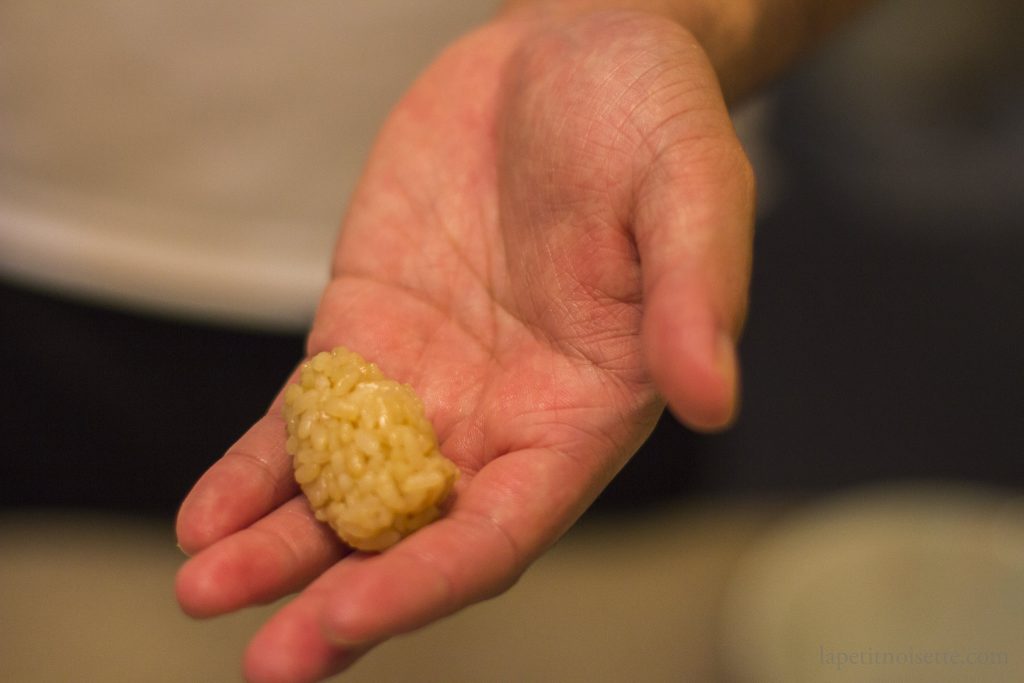
Many home cooks squeeze the nigiri too tightly. They treat the rice like clay, compressing it into a hard brick. This forces the air out and destroys the delicate texture. The rice should hold together when lifted but fall apart easily when chewed.
Press gently with your fingers to shape the oval. The goal is cohesion, not compression. If the rice feels hard in your hand, you are applying too much pressure.
Using rice that is too hot
Sushi rice must be cooled to body temperature before assembly. If the rice is still steaming hot, it will cook the raw fish underneath. This creates a slimy texture and ruins the flavor profile of the sashimi.
Additionally, hot rice evaporates moisture quickly, leading to dryness. Let the rice cool in the hangiri (wooden tub) until it is warm to the touch, not hot. This ensures the fish remains fresh and the rice retains its sticky, fluffy consistency.
Ignoring the nori seal
While traditional nigiri often omits nori, many modern variations use a thin strip to hold the fish in place. A common mistake is using a strip that is too wide or too dry. This distracts from the fish and adds unnecessary chewiness.
Use a narrow strip of nori, barely visible, and ensure it is slightly damp before wrapping. This helps it adhere to the rice without overpowering the delicate taste of the nigiri.
Is nigiri sushi: what to check next
Helpful gear
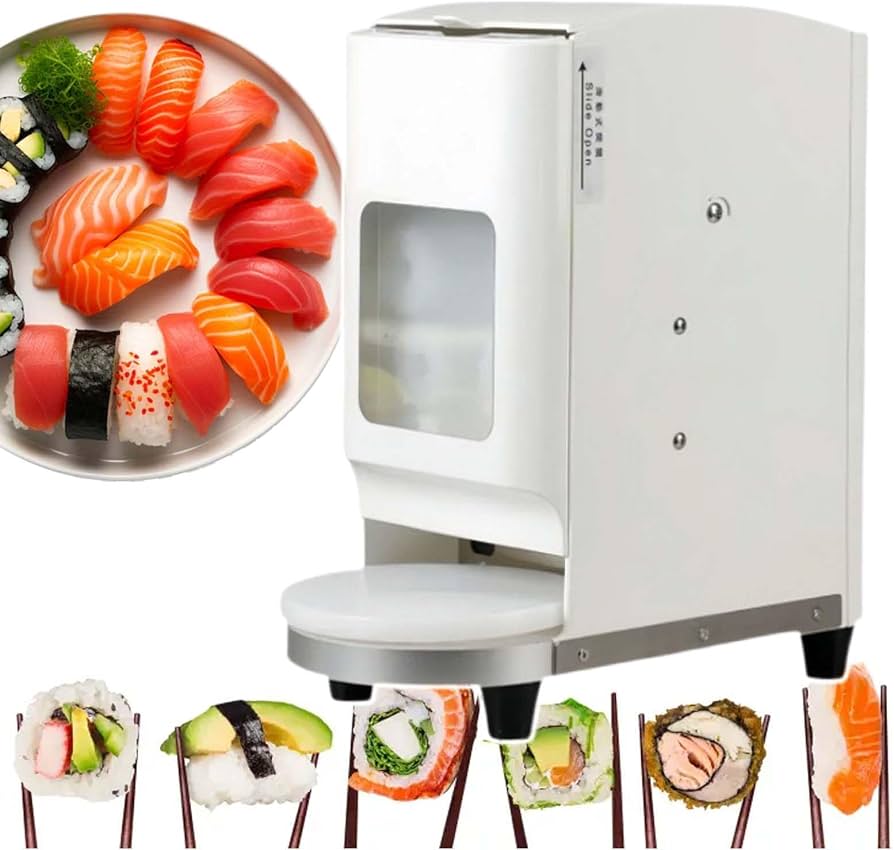
Use these product recommendations as a starting point, then choose the size, material, and price point that fit how you actually use the gear.

As an Amazon Associate, we may earn from qualifying purchases.
No comments yet. Be the first to share your thoughts!