

Make the recipe
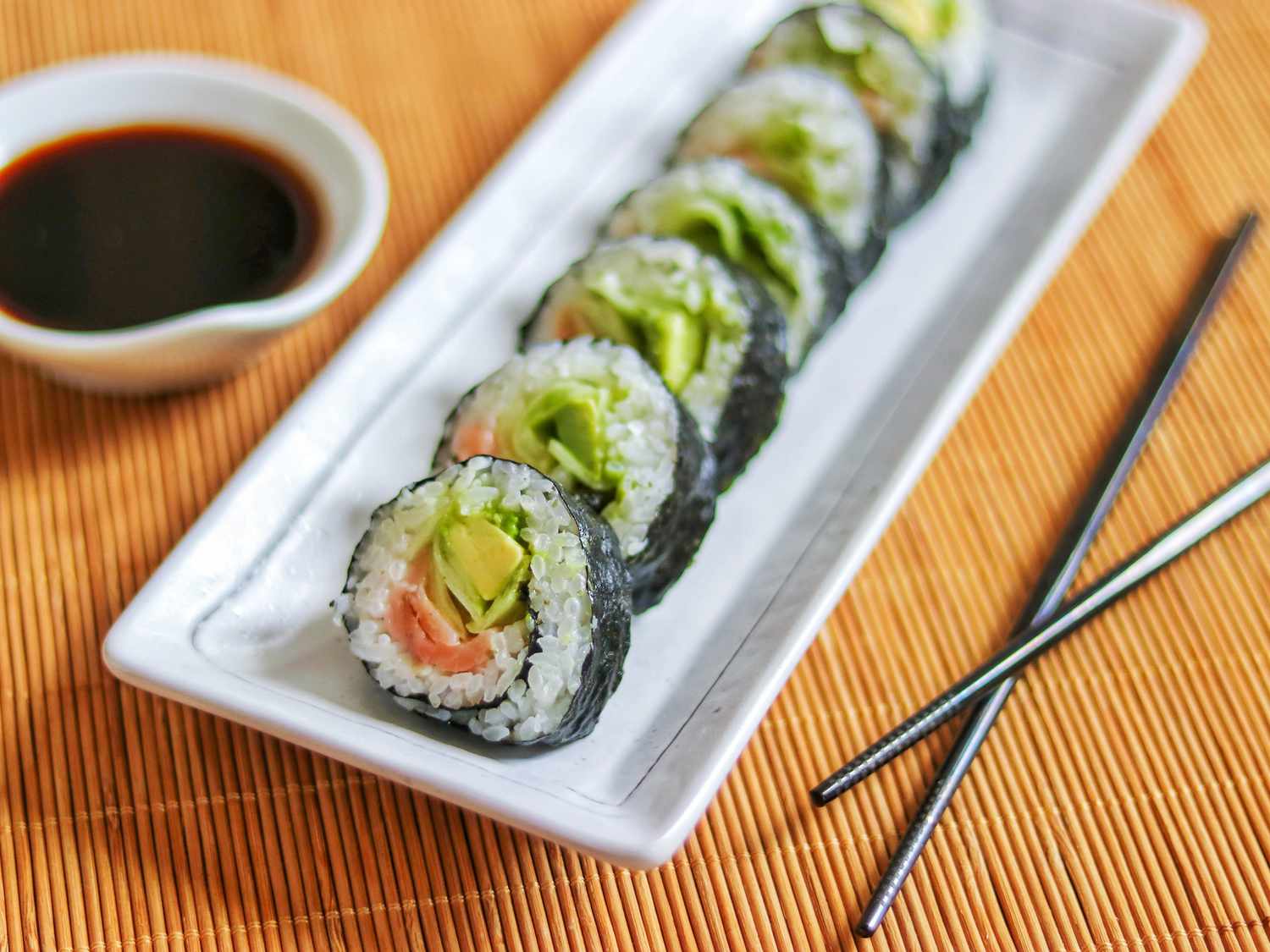
Building a reliable sushi roll at home starts with balancing the rice, the filling, and the wrap. This smoked salmon roll is designed to be approachable for beginners while delivering the texture and flavor profile of a restaurant-quality piece. The key is keeping your hands wet to prevent the rice from sticking and rolling the mat firmly but gently to hold the shape.
Ingredients
- 1 ½ cups short-grain sushi rice
- 1 ½ cups water
- 3 tbsp rice vinegar
- 1 tbsp sugar
- 1 tsp salt
- 6 sheets nori (dried seaweed)
- 6 oz smoked salmon, sliced into strips
- 1 avocado, sliced
- 1 cucumber, julienned
- Soy sauce, wasabi, and pickled ginger for serving
Instructions
- Rinsing the sushi rice is critical. Rinse it under cold water until the water runs clear to remove excess surface starch. Drain well.
- Cook the rice with the water in a rice cooker or heavy-bottomed pot. Let it rest for 10 minutes after cooking to allow the grains to steam evenly.
- Prepare the seasoning mix by combining the rice vinegar, sugar, and salt in a small bowl until dissolved. Gently fold this mixture into the warm rice using a wooden paddle. Fan the rice to cool it to room temperature, which gives it a glossy finish.
- Place a sheet of nori on a bamboo sushi mat, shiny side down. Dampen your hands and spread a thin, even layer of rice over the nori, leaving a 1-inch border at the top.
- Arrange the smoked salmon, avocado, and cucumber strips in a line across the center of the rice.
- Lift the edge of the mat closest to you and roll it over the filling, tucking it in tightly. Continue rolling until the nori is sealed.
- Use a sharp, wet knife to slice the roll into six even pieces. Serve immediately with soy sauce and wasabi.
Troubleshooting
If the rice sticks to your hands, dip them in water mixed with a little vinegar. If the roll falls apart, you likely didn't tuck the filling in tightly enough during the first roll. Let the roll rest for a minute before slicing to help it hold its shape. For a more sustainable option, consider using locally sourced salmon or plant-based alternatives like marinated tofu or tempeh.
Keep the texture right
The difference between a sushi roll that holds together and one that falls apart usually comes down to moisture control. When rice absorbs too much water, it turns into mush. When it dries out, the nori tears and the filling slides loose. The goal is a sticky but distinct grain that grips without squishing.
Start with the rice. Rinse short-grain sushi rice until the water runs clear to remove excess surface starch. Cook it with a precise water-to-rice ratio, typically 1:1.1 for standard absorption. While the rice cooks, prepare the dressing. Mix rice vinegar, sugar, and salt in a small saucepan and heat gently until dissolved. Do not boil, or the acidity will evaporate. Spread the hot rice in a wide, shallow wooden or glass bowl. Drizzle the dressing evenly over the surface. Use a cutting motion with a rice paddle to fold the dressing in. This cools the rice quickly and prevents it from becoming gummy. Fan the rice while mixing to give it a glossy finish.
Next, focus on the fillings. Vegetables like cucumber or avocado release water when cut. Slice them into thin, uniform strips and pat them dry with a paper towel before rolling. For cooked proteins like shrimp or eel, ensure they are completely cooled and dry. A wet filling is the fastest way to ruin the structural integrity of the roll.
When assembling, keep the layer of rice thin and even. Leave a one-inch border at the top edge to seal the roll. Place fillings in a tight line across the center. Do not overstuff. If the roll is too crowded, the nori will split. Roll tightly but gently, using the bamboo mat to compress the ingredients just enough to hold their shape. Once rolled, let the sushi rest for five minutes. This allows the rice to settle and the nori to absorb slight moisture, creating a firm bond that makes slicing clean.
-
Rinse rice until water is clear to remove excess starch
-
Use a 1:1.1 water-to-rice ratio for optimal stickiness
-
Fold in vinegar dressing with a cutting motion, not stirring
-
Pat dry all vegetable and protein fillings before rolling
-
Leave a one-inch border at the top of the nori
-
Rest the finished roll for five minutes before slicing
Swaps that still work
You don’t need to stick to the original recipe when your local market runs out of specific fish or vegetables. The goal of rolling sushi is balance—texture, flavor, and visual appeal—not rigid adherence to a single source. Smart substitutions keep the roll intact even when ingredients shift.
Think of it like building a sandwich. If you swap turkey for ham, the structure holds. The same logic applies to maki and nigiri. Below is a quick reference for reliable swaps that maintain the integrity of the roll without compromising safety or taste.
| Original Ingredient | Best Swap | Why It Works |
|---|---|---|
| Salmon | Tofu (firm) | Same texture, neutral flavor for vegetarians |
| Eel (Unagi) | Roasted Shrimp | Similar sweetness and chewy texture |
| Avocado | Cucumber | Crunch and freshness without fat |
| Masago | Crushed peanuts | Adds pop and nutty crunch |
Always check for sustainability labels when buying fish. Swaps like tofu or locally sourced vegetables often reduce your environmental footprint while keeping the meal delicious. Stick to these proven alternatives to ensure your next roll turns out perfectly, even with unexpected pantry gaps.
Serve and store it
Sushi rice cools and hardens quickly, so timing is the difference between a meal and a mouthful of gravel. If you are serving immediately, keep the rolls covered with a damp cloth to prevent the nori from drying out and tearing. For the best texture, assemble the maki just before eating. The rice should be warm to the touch, and the nori should snap cleanly when bitten.
If you need to make sushi ahead, store the components separately. Keep the rice in an airtight container at room temperature for up to two hours; do not refrigerate it, as cold air stales the starch rapidly. Wrap the nori sheets in their original packaging to maintain their crispness. Prepare any fillings in advance, but wait to assemble the rolls until you are ready to eat.
Leftover sushi should be discarded if it contains raw fish. Cooked vegetable or tempura rolls can be refrigerated for one day, but the texture will suffer. The rice will harden and the nori will become chewy. To reheat, wrap the roll in a damp paper towel and microwave it for ten to fifteen seconds. This restores some warmth and softness, though it will never match the freshness of a newly rolled piece.
For serving, slice the roll with a sharp, wet knife to prevent sticking. Wipe the blade between each cut for clean edges. Serve with soy sauce, wasabi, and pickled ginger on the side. Avoid soaking the sushi in soy sauce, as this breaks down the rice structure and overwhelms the delicate flavors of the fish and vinegar.
Ultimate sushi: what to check next
You’ve got the nori, the rice, and the fish. Now you’re probably wondering how to keep it from falling apart or tasting bland. These answers cover the practical hiccups that trip up home rollers.
What is the difference between sushi rice and regular rice?
Sushi rice is short-grain japonica rice, which is naturally sticky and tender. Regular long-grain rice stays fluffy and separate, which won’t hold a roll together. You must season sushi rice with a mix of rice vinegar, sugar, and salt while it’s still warm so the grains absorb the flavor and shine.
Can I use cooked fish for sushi rolls?
Yes. While traditional nigiri uses raw fish, many popular rolls like the California roll or spider roll use cooked ingredients. Crab sticks, cooked shrimp, eel (unagi), and tempura vegetables are all safe and delicious. If you’re new to rolling, cooked fillings are easier to handle and pose no food safety risks.
Why did my sushi rice stick to my hands?
Your hands are too dry or not seasoned correctly. Keep a bowl of water mixed with a splash of rice vinegar nearby. Dip your fingers in the mixture before handling the rice. The water prevents sticking, and the vinegar adds flavor while keeping the grains separate and manageable.
How do I keep my sushi fresh?
Sushi is best eaten immediately. If you must store it, wrap the rolls tightly in plastic wrap and refrigerate for up to 24 hours. The nori will lose its crispness and become chewy, so eat it as soon as possible. Never leave sushi at room temperature for more than two hours to avoid bacterial growth.
No comments yet. Be the first to share your thoughts!