

Choose fresh, sustainable fish
Building a sushi palate starts with the raw ingredient. You cannot develop a refined taste for seafood if you are unsure of its safety or origin. The foundation of any good sushi meal is fish that has been handled correctly from catch to counter. Look for suppliers who prioritize sustainability and transparency, ensuring the seafood is both safe to eat raw and responsibly sourced.
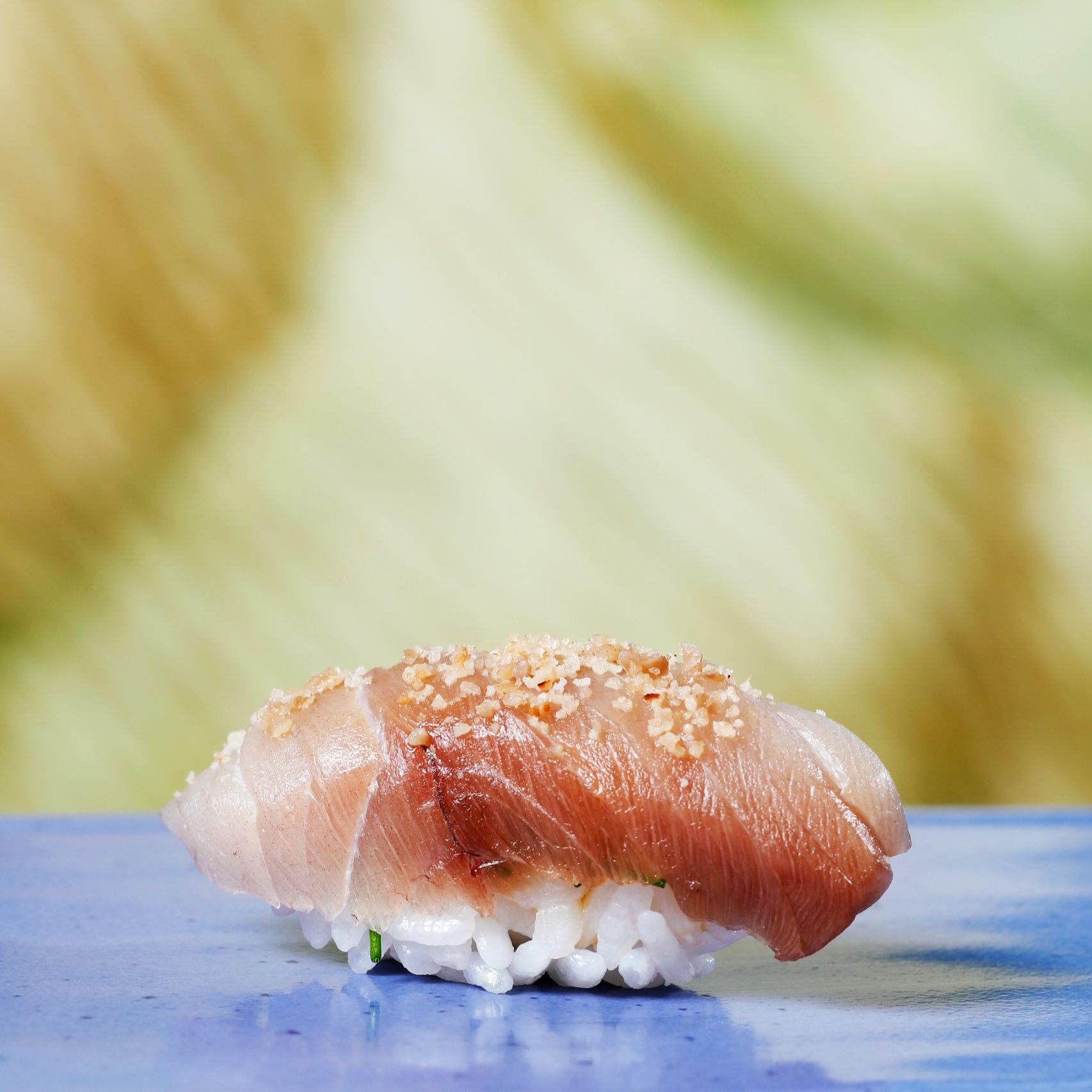
Visual inspection is your first line of defense. High-quality sushi-grade fish should have bright, clear eyes (for whole fish) or firm, translucent flesh (for fillets). The color should be vibrant and natural, not dull or discolored. Avoid fish with any milky residue or excessive moisture, which can indicate bacterial growth or improper thawing. The flesh should hold its shape when pressed gently, springing back rather than leaving an indent.
Sourcing matters as much as appearance. Buy from reputable fishmongers or specialized sushi suppliers who understand the cold chain. They should be able to trace the fish back to its origin and confirm it has been frozen to specific temperatures to kill parasites. This process, known as flash-freezing, is essential for safety and does not significantly compromise texture when done correctly.
Sustainability is part of quality. Overfished species often have lower meat quality and higher environmental costs. Choosing responsibly harvested fish supports healthier oceans and ensures long-term availability of the flavors you enjoy. It also tends to correlate with higher standards of handling and freshness.

As an Amazon Associate, we may earn from qualifying purchases.
Choose the right plate for your sushi
The plate you serve sushi on acts as a frame for the fish. It should support the food without competing for attention. The right choice highlights the texture of the rice and the color of the topping, while the wrong one can make a fresh meal look dull or cluttered.
Material matters most. Ceramic and porcelain are the standard for a reason. They hold heat well, keeping the rice at the right temperature, and their smooth surface prevents the rice from sticking. Wood adds warmth and natural texture, though it requires more care to prevent bacterial growth. Glass is durable and easy to clean, but it often reflects light in a way that obscures the subtle colors of the fish.
Size and shape dictate how the sushi is presented. Traditional oval plates, known as ebizukuri, are designed to hold nigiri in a single row, emphasizing the individual piece. Round plates work better for sashimi or maki rolls, allowing for circular arrangements. Avoid busy patterns or bright colors; a solid, muted background lets the ingredients shine.
| Material | Durability | Aesthetic Impact | Best For |
|---|---|---|---|
| Ceramic | High | Matte or glazed; neutral tones | Nigiri, everyday dining |
| Porcelain | High | Thin, elegant, white or dark | Sashimi, formal service |
| Wood | Low | Natural grain, rustic look | Sashimi, cold presentations |
| Glass | High | Transparent, reflective | Casual dining, easy cleaning |
An image showing a simple ceramic plate with a few pieces of nigiri illustrates how a clean surface draws the eye directly to the fish, rather than distracting with decorative patterns.

Plate and serve with intention
Plating sushi is where theory meets practice. The arrangement on the plate dictates the rhythm of the meal, guiding the diner through a sequence of flavors and textures. A well-plated board functions like a visual menu, balancing colors, shapes, and temperatures to prevent palate fatigue.
The goal is not just to fill space, but to create a narrative. When you arrange sushi with intention, you highlight the quality of the fish and the precision of the rice. This guide walks you through the essential steps to build a board that looks as good as it tastes.
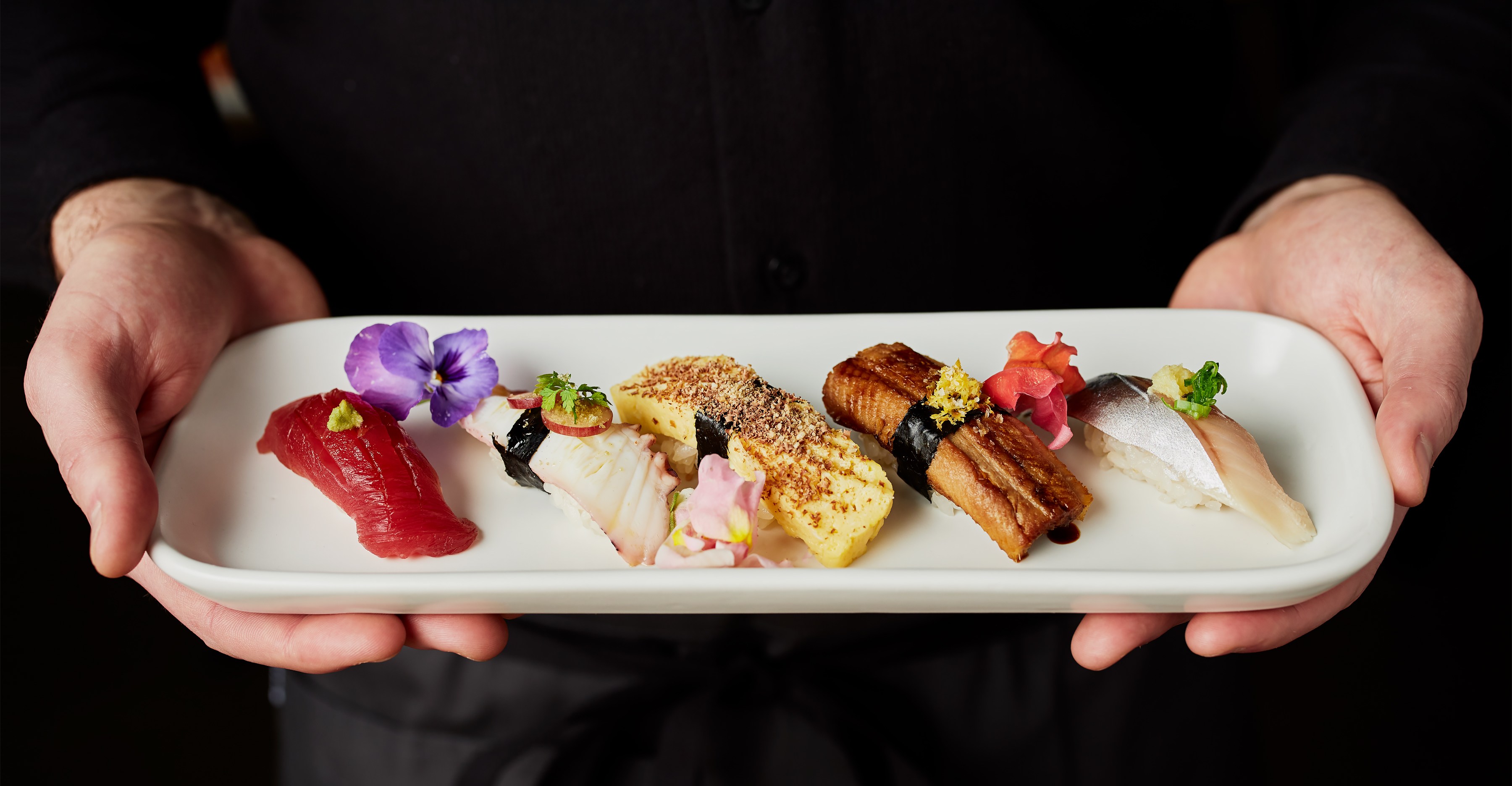
Start with a large, dark plate. Dark ceramics, such as black stoneware or matte slate, provide the highest contrast for the white rice and vibrant fish. This visual separation makes the ingredients pop and gives each piece breathing room. Avoid small, crowded plates; sushi is meant to be spread out, allowing the eye to rest between bites.
Arrange the nigiri in a sequence that moves from light to dark. Begin with white fish like sea bass or fluke, move through pink varieties like yellowtail or salmon, and finish with deep red tuna or eel. This gradient creates a natural flow for the diner, moving from delicate flavors to richer, more robust profiles. It also creates a pleasing visual arc across the board.
Place your maki rolls in a tight, parallel cluster to contrast with the individual nigiri pieces. This geometric grouping adds structural variety to the plate. Keep the rolls aligned in the same direction to maintain order. If you have multiple types of rolls, separate them with a small gap or a subtle garnish like a sprig of shiso to distinguish the groups without breaking the visual flow.
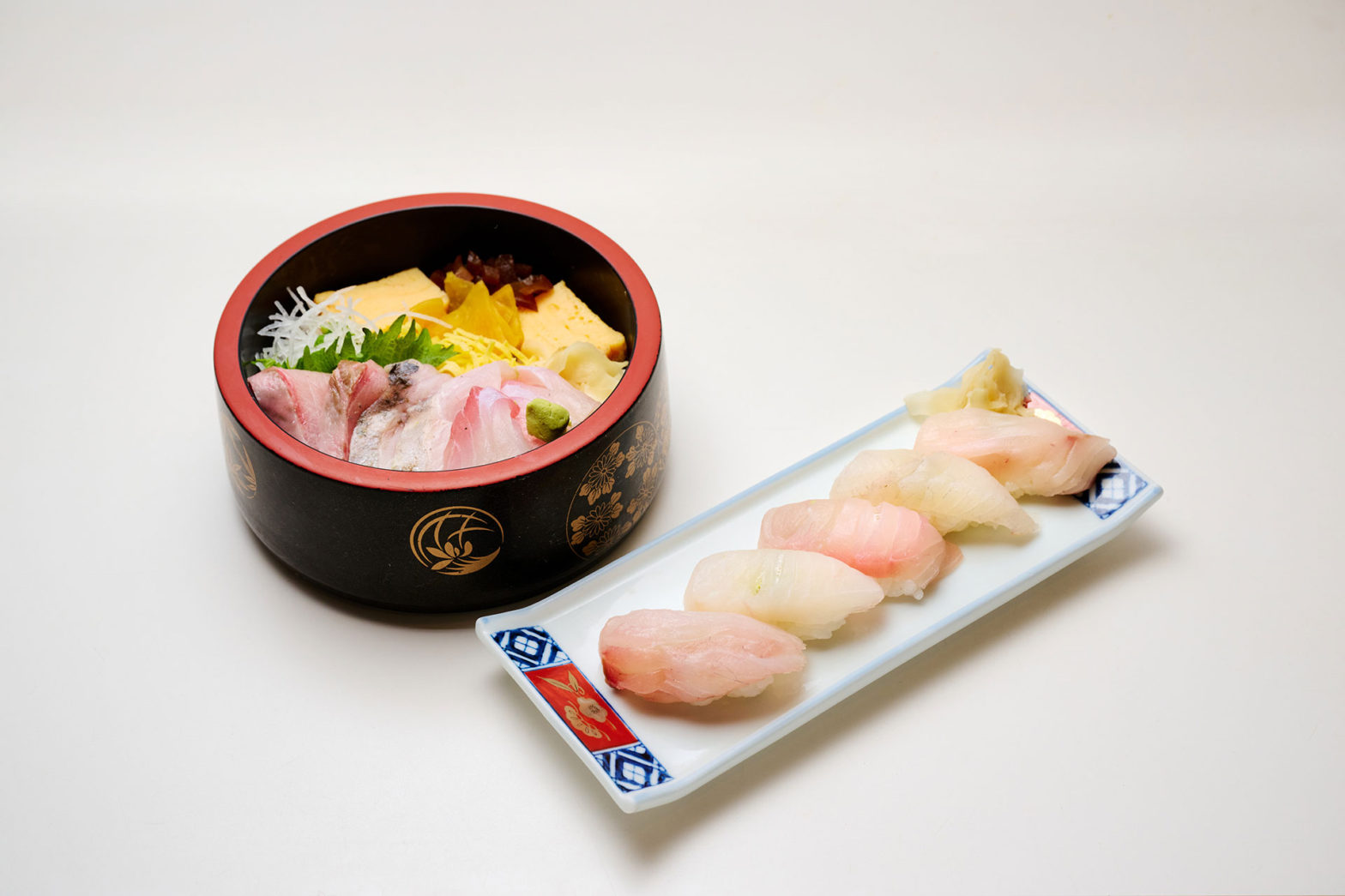
Position pickled ginger and wasabi at the edge of the plate or in small, separate dishes. Ginger is a palate cleanser, not a topping, so keep it distinct. Wasabi should be easy to access but not overpowering. Consider adding small dollops of soy sauce or ponzu in shallow dipping dishes to keep the main board clean and focused on the fish. These functional elements frame the sushi rather than competing with it.
A thoughtfully plated sushi board invites the diner to engage with each piece individually. By following these steps, you transform a simple meal into a curated experience that respects the ingredients and elevates the overall flavor profile.
Use ginger to reset your palate
The pile of pink pickled ginger served alongside your sushi is often misunderstood. Many diners treat it as a garnish to be eaten with every piece of fish, but its true purpose is different. Think of the ginger as a reset button for your taste buds, not a condiment.
This traditional accompaniment, known as gari, is designed to cleanse the palate between different types of sushi. By eating a small piece of ginger after a piece of fatty tuna and before a piece of delicate white fish, you clear the lingering oils and flavors. This allows you to appreciate the distinct profile of each subsequent piece without interference.
Use the ginger sparingly. A single slice is enough to refresh your mouth. If you find yourself eating large handfuls, you may be masking flavors rather than experiencing them. Let the ginger bridge the gap between bites, ensuring each piece of sushi delivers its intended impact.
Check your sushi supplies list
Before you begin rolling or slicing, ensure you have the right tools and accompaniments. Serving sushi properly relies on more than just fresh fish; it requires the correct tableware and condiments to enhance the flavor profile.
Use the checklist below to verify you have everything needed for a complete sushi experience.
- Sushi plates: Choose shallow, flat dishes like sushi-ita or ceramic plates to display the fish and rice clearly.
- Soy sauce dishes: Small dipping bowls are essential for serving soy sauce separately from the main plate.
- Chopsticks: Provide a pair for each guest; consider including a rest for hygiene and presentation.
- Pickled ginger (gari): This palate cleanser resets your taste buds between different types of fish.
- Wasabi: Keep fresh or prepared wasabi for those who prefer a spicy kick with their sushi.
- Green tea: Serve hot green tea to complement the meal and aid digestion.
With these items ready, you can focus on the art of preparation and presentation.
Common questions about sushi plates
You likely have specific questions about buying sushi plates, selecting ingredients, or understanding dietary restrictions. These answers address the most frequent queries to help you build a better sushi palate and serving setup.
No comments yet. Be the first to share your thoughts!