

Get your sushi palate right
Before you worry about sourcing sustainable fish, you need to calibrate your own senses. Sushi is subtle; the difference between a well-aged tuna and a stale one is a whisper, not a shout. If your palate is cluttered with heavy spices, coffee, or strong perfumes, you will miss the nuances that define quality nigiri.
Start by clearing your taste buds. Avoid strong foods for two hours before your meal. Drink only water to stay hydrated and neutral. This simple step ensures your tongue is ready to detect the delicate balance of vinegar, salt, and umami.
Understanding the role of accompaniments is also part of this calibration. Many diners mistake the pickled ginger (gari) for a garnish. It is actually a palate cleanser. Eat a small piece between different types of fish to reset your taste buds. This prevents the flavors from blending into a muddy mess, allowing you to appreciate each piece’s unique character.
Think of your palate like a camera lens. If it’s dirty or fogged up, the picture will be blurry. Clearing it first ensures you see the sushi exactly as the chef intended, making every bite a precise experience rather than a generic meal.
How to buy and prepare sushi grade fish responsibly
Sustainable nigiri starts before the fish hits the cutting board. You need to verify sourcing, handle temperature correctly, and prep the fish safely at home. Follow these five steps to ensure your sushi grade fish is both safe and ethically sourced.
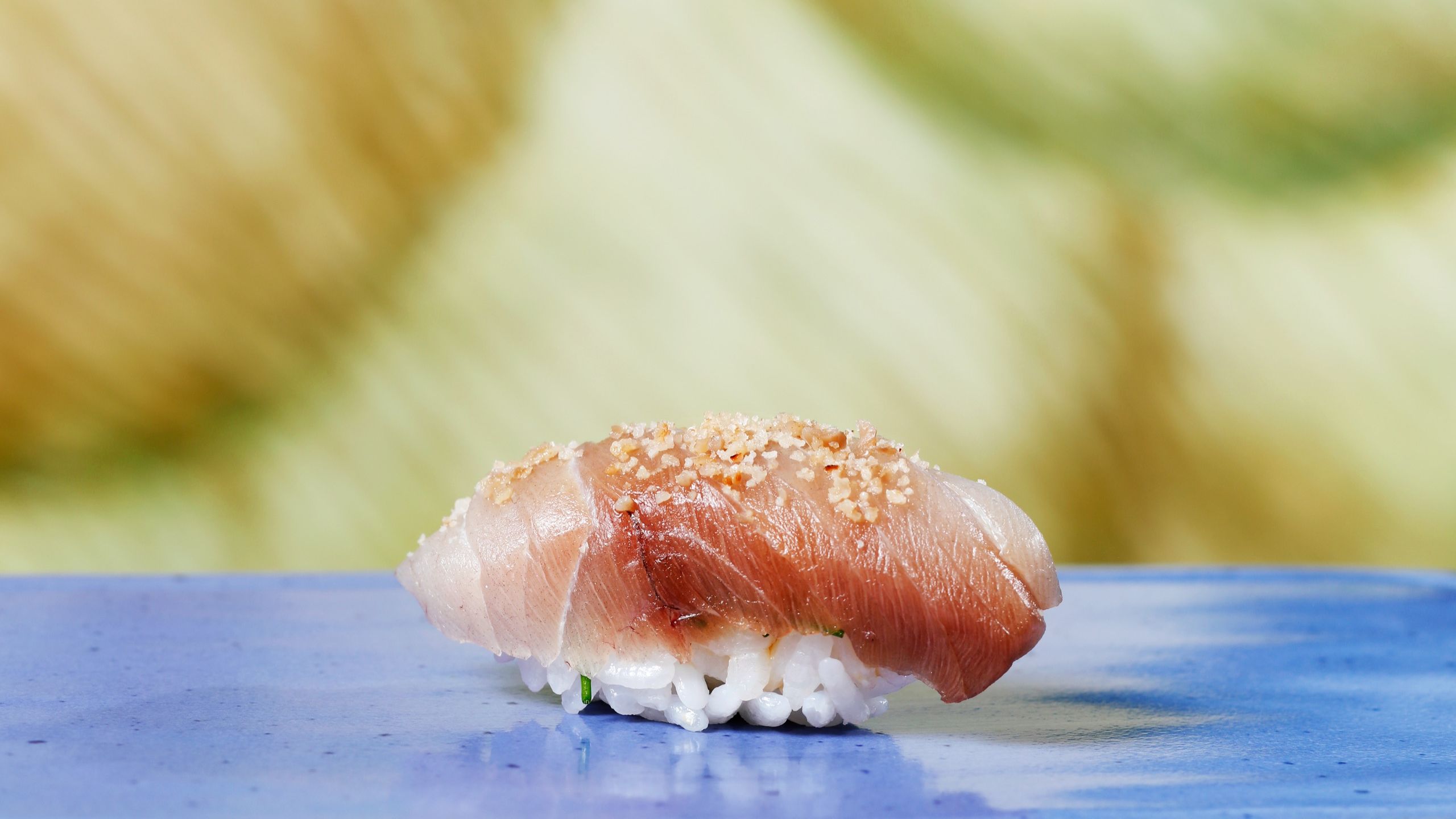
Look for suppliers who disclose the catch method and origin. Choose species listed as sustainable by the Monterey Bay Aquarium Seafood Watch or similar reputable guides. Avoid overfished varieties like bluefin tuna unless they are specifically certified as sustainable alternatives. Ask the fishmonger if the fish was line-caught or pole-caught, as these methods reduce bycatch compared to large-scale net fishing.
Raw fish must be frozen to kill parasites. The FDA requires fish intended for raw consumption to be frozen at -4°F (-20°C) or below for at least seven days, or at -31°F (-35°C) for 15 hours. Ensure your supplier provides documentation that this flash-freezing process was completed before the fish reached you. Do not rely on a standard home freezer for this initial safety step.
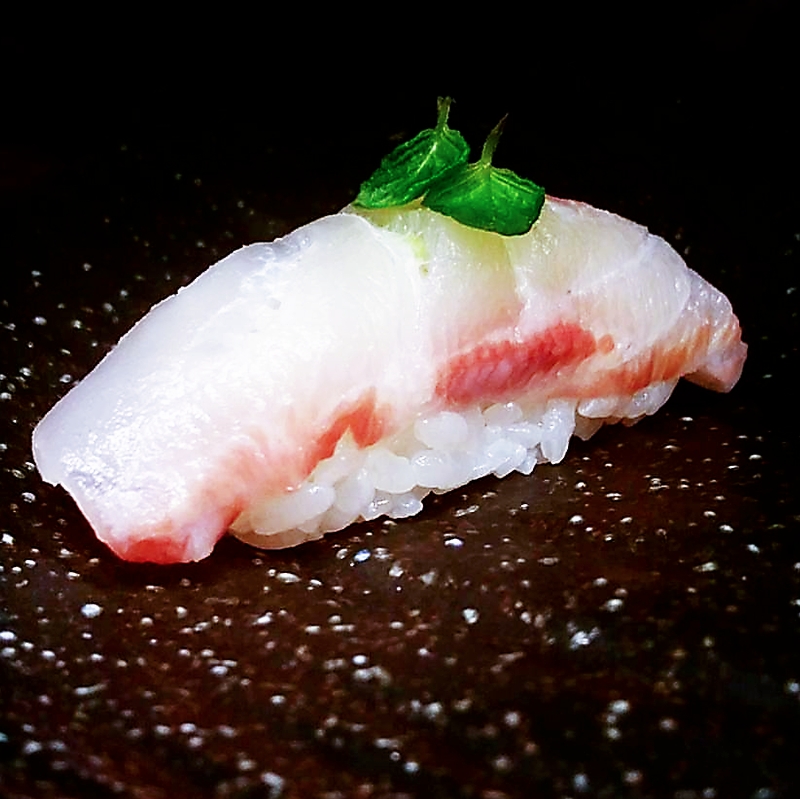
When you receive the fish, it should be cold to the touch and packed in ice or dry ice. The packaging should be airtight to prevent oxidation and contamination. If the fish feels warm, has a strong ammonia smell, or shows signs of thawing and refreezing, do not consume it. Sustainable sourcing means nothing if the cold chain is broken.
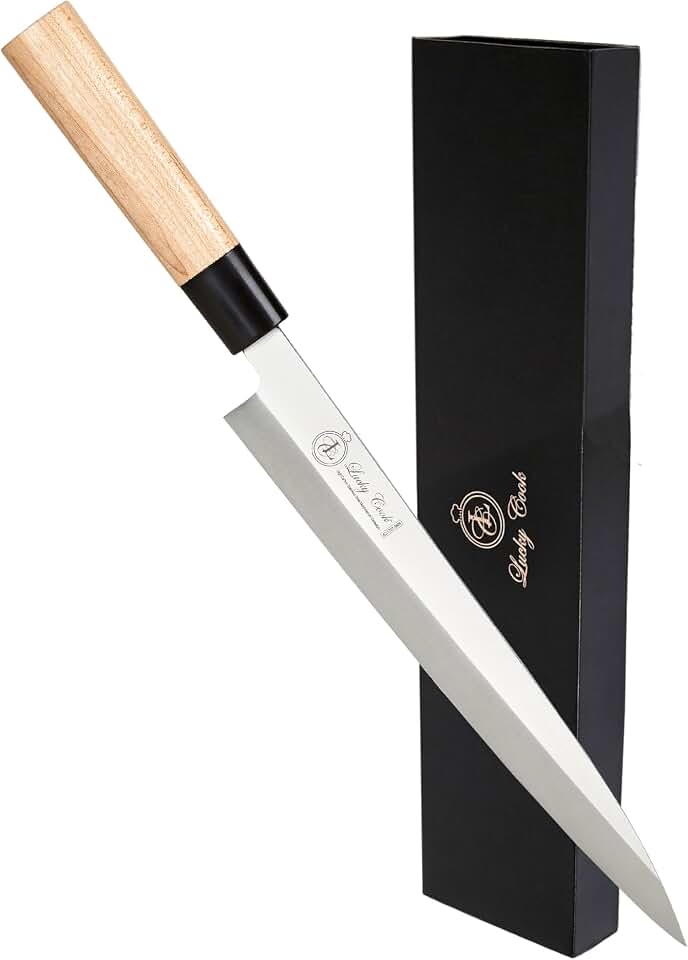
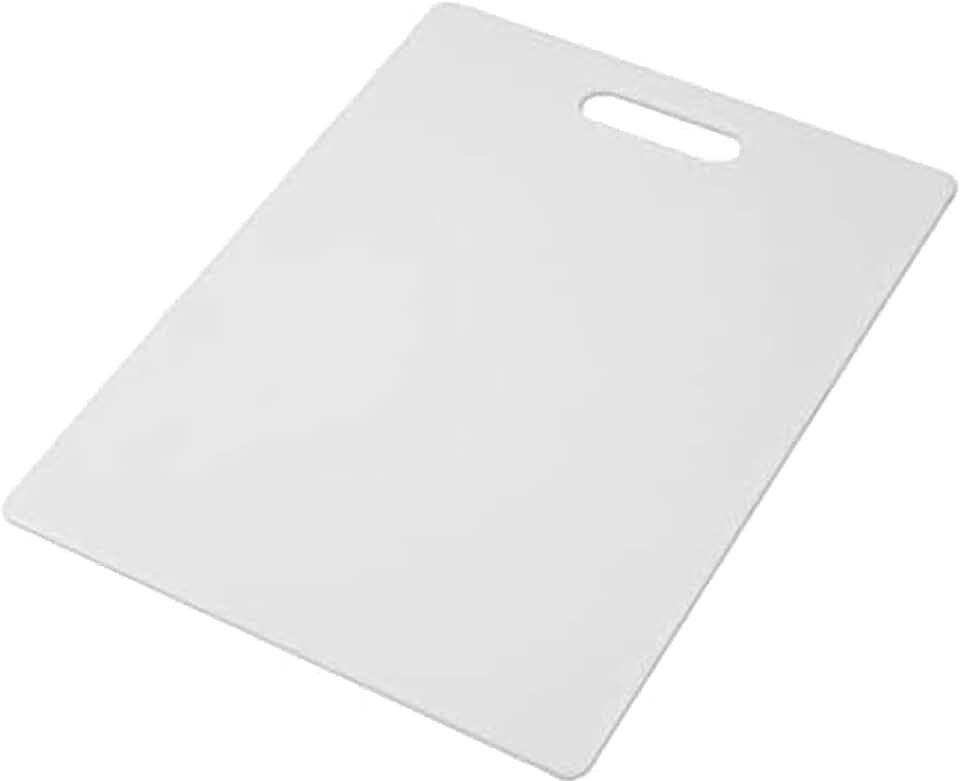
Keep your workspace, knives, and cutting board sanitized. Use a separate cutting board for raw fish to avoid cross-contamination. Pat the fish dry with paper towels before slicing. Use a long, sharp sashimi knife to make clean, single-stroke cuts. This preserves the texture and prevents crushing the delicate muscle fibers. Work quickly to keep the fish cold during preparation.
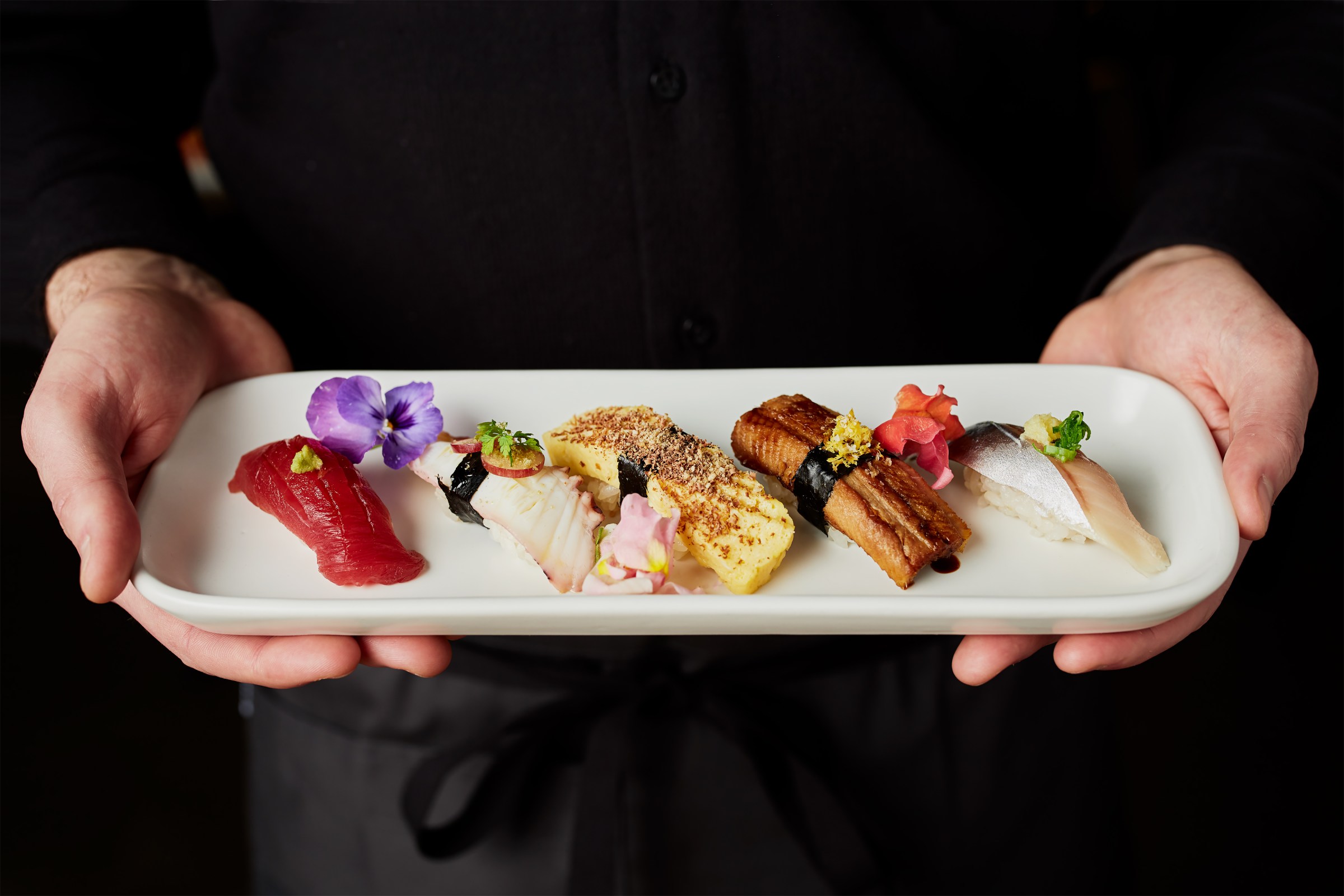
Serve the nigiri right after slicing. Pair it with pickled ginger, which acts as a palate cleanser between bites, resetting your taste buds for the next piece. This traditional practice allows you to appreciate the distinct flavor of each fish variety without interference from previous flavors. Avoid heavy sauces that mask the natural taste of the sustainable fish you carefully selected.

As an Amazon Associate, we may earn from qualifying purchases.
Common Mistakes in Buying Sushi Grade Fish
Buying "sushi grade" fish is often a marketing term rather than a regulated safety standard. The real goal is finding fish that has been handled correctly to eliminate parasites and maintain texture. When you skip the proper checks, you risk poor flavor, mushy texture, or foodborne illness. Here are the specific errors to avoid when sourcing your nigiri ingredients.
Assuming "Sushi Grade" Means Safe
Many consumers see "sushi grade" on a label and assume the fish is safe to eat raw. This is a dangerous misconception. There is no federal inspection standard for "sushi grade" in the United States. The term is largely used by retailers to indicate that the fish has been frozen to specific temperatures to kill parasites.
The Fix: Look for "previously frozen" labels or ask your fishmonger about the freezing process. The FDA recommends freezing fish at -4°F (-20°C) for seven days or at -31°F (-35°C) for 15 hours to kill parasites. If your supplier cannot confirm this process, do not buy the fish for raw consumption.
Ignoring Smell and Appearance
Fresh raw fish should smell like the ocean, not "fishy." A strong, ammonia-like, or sour odor is a clear sign of spoilage. Visual cues are equally important. The flesh should be translucent and firm, not opaque or slimy. For fatty fish like tuna, the marbling should be white and distinct, not yellowed or discolored.
The Fix: Trust your senses. If the fish looks dull, feels sticky, or smells off, put it back. Fresh sushi-grade fish should look vibrant and clean.
Buying Pre-Packaged Sushi Kit Fish
Pre-packaged fish from the grocery store freezer section is often older, lower-quality, or previously thawed and refrozen. The ice crystals that form during improper storage can damage the cell structure, leading to a mushy texture when thawed.
The Fix: Buy whole loins or steaks and cut them yourself. This allows you to inspect the entire piece and ensures you are getting the freshest possible product. If you must buy pre-packaged, check the "sell-by" date and ensure the package is tightly sealed with no air pockets.
Using the Wrong Knife or Cutting Technique
Using a dull knife or the wrong cutting technique can crush the fish fibers, ruining the texture of your nigiri. A dull blade tears rather than slices, leading to a mushy bite. Additionally, cutting against the grain can make the fish tough.
The Fix: Use a sharp, single-bevel sushi knife (yanagiba) or a high-quality chef's knife. Slice against the grain of the fish using a single, smooth drawing motion. Do not saw back and forth.
Sushi palate: what to check next
Understanding how to taste and source sushi helps you appreciate the difference between standard fish and true sustainable nigiri. These common questions address practical concerns about flavor, location, and composition.
No comments yet. Be the first to share your thoughts!