

Why sustainability matters in sushi
Choosing sustainable sushi ingredients does more than protect ocean ecosystems; it directly influences the quality and safety of your meal. Wild-caught fish from well-managed stocks often possess firmer textures and cleaner, more distinct flavors compared to their farmed counterparts, which can sometimes carry muddy or oily notes due to overcrowding. By prioritizing species that are abundant and harvested responsibly, you support fisheries that adhere to strict environmental standards, ensuring that the delicate balance of marine life remains intact for future generations.
The rise of the sustainable sushi movement has also made it easier for home cooks to access high-quality, ethically sourced seafood. Look for certifications from organizations like the Marine Stewardship Council (MSC) or the Aquaculture Stewardship Council (ASC), which verify that the fish you buy comes from responsibly managed sources. These labels serve as a reliable guide, helping you understand the complex world of seafood sourcing while ensuring that every piece of nigiri or roll you prepare contributes to healthier oceans and better-tasting sushi.
5 Sustainable Ingredients to Buy
Mastering the art of sushi requires more than just technical precision; it demands a commitment to ethical sourcing and environmental stewardship. This curated selection of five sustainable ingredients ensures that your rolls are not only exquisite but also responsibly sourced, aligning your culinary practice with the highest standards of safety and ecological balance.
1. Line-caught yellowtail hamachi
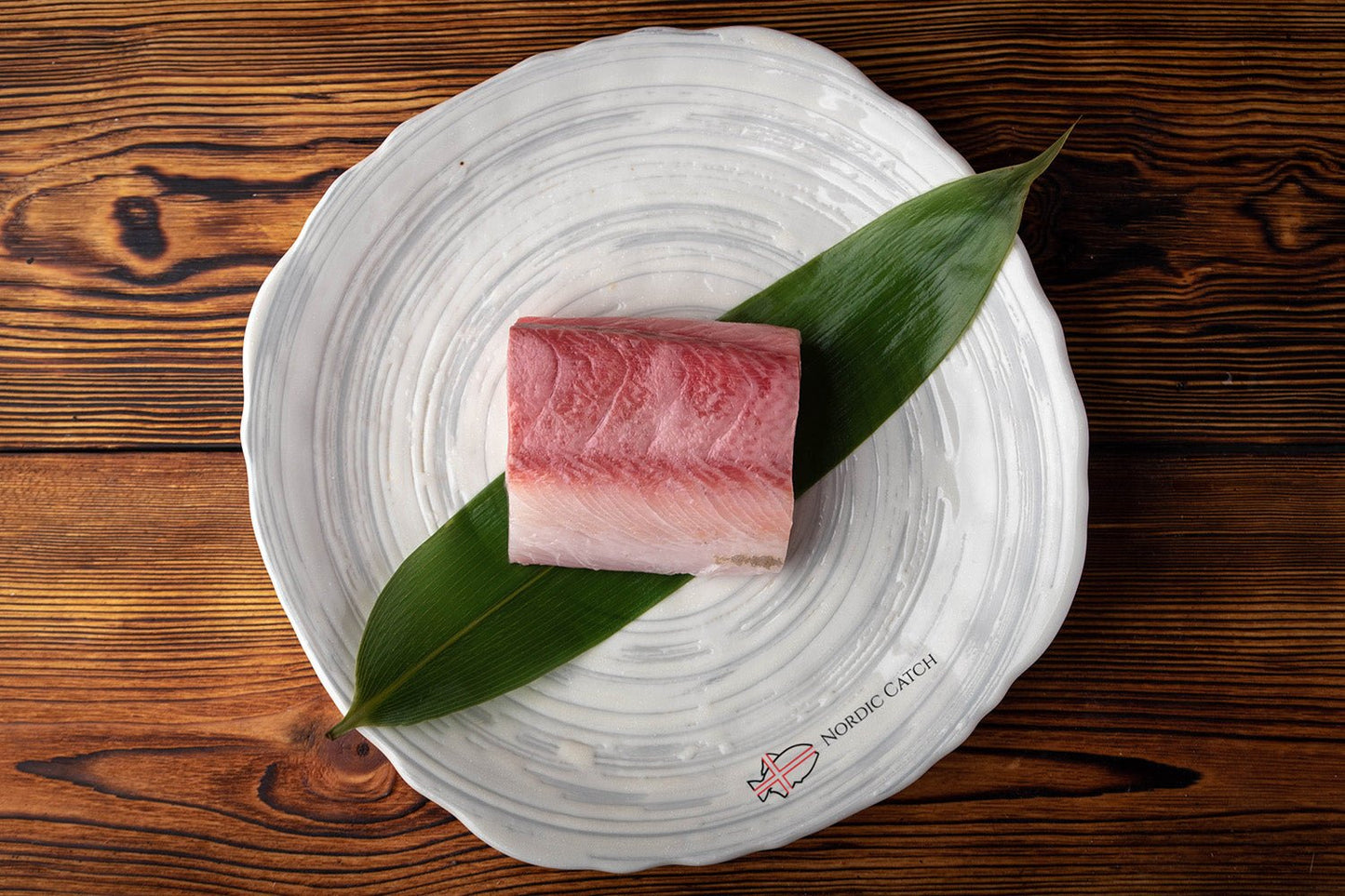
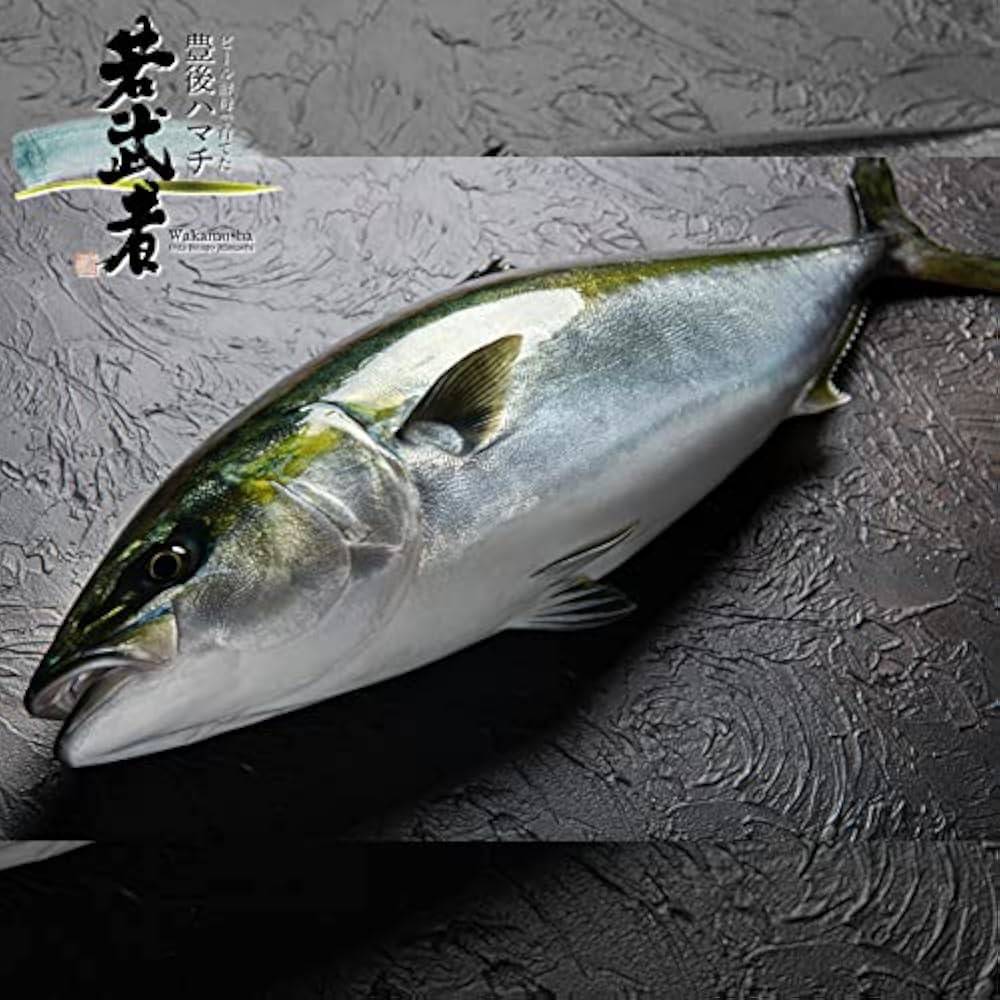
Seek out line-caught hamachi for its superior texture and ethical sourcing. This buttery, rich fish offers a silky melt that defines premium nigiri. Pair it with a light soy dip and fresh wasabi to highlight its natural sweetness without overwhelming the palate. The clean, oceanic flavor profile makes it a cornerstone of any serious sushi collection.
2. Wild Alaskan sockeye salmon
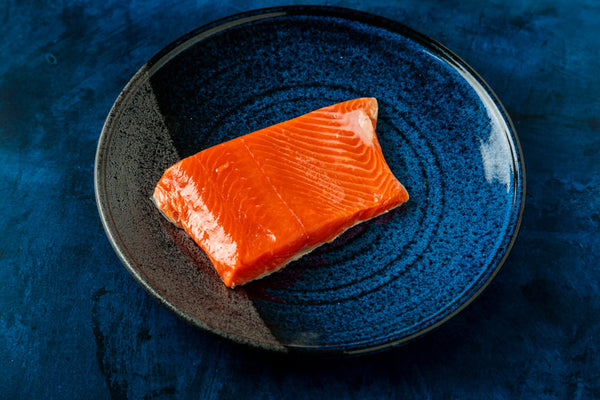
Wild Alaskan sockeye brings a vibrant, deep red hue and a firm, lean texture to your sushi board. Unlike farmed varieties, it offers a cleaner taste with less fat, making it ideal for those preferring a lighter profile. Its sustainability credentials are strong, ensuring your meal supports healthy ocean ecosystems while delivering robust flavor.

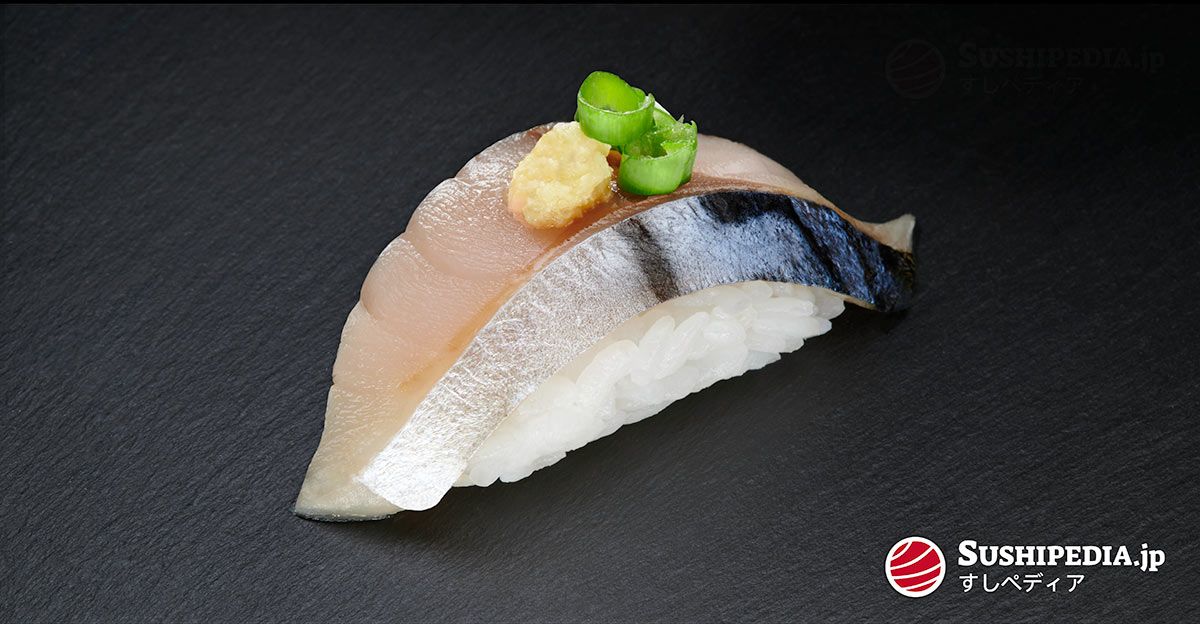
3. Farmed Atlantic mackerel saba
Saba, or Atlantic mackerel, is a powerhouse of omega-3s with an intense, oily richness that demands respect. Typically served shime (citrus-marinated), this preparation cuts through the fat, revealing a clean, tangy finish. Its robust flavor stands up well to bold accompaniments like ginger or scallions, offering a traditional Japanese experience at home.

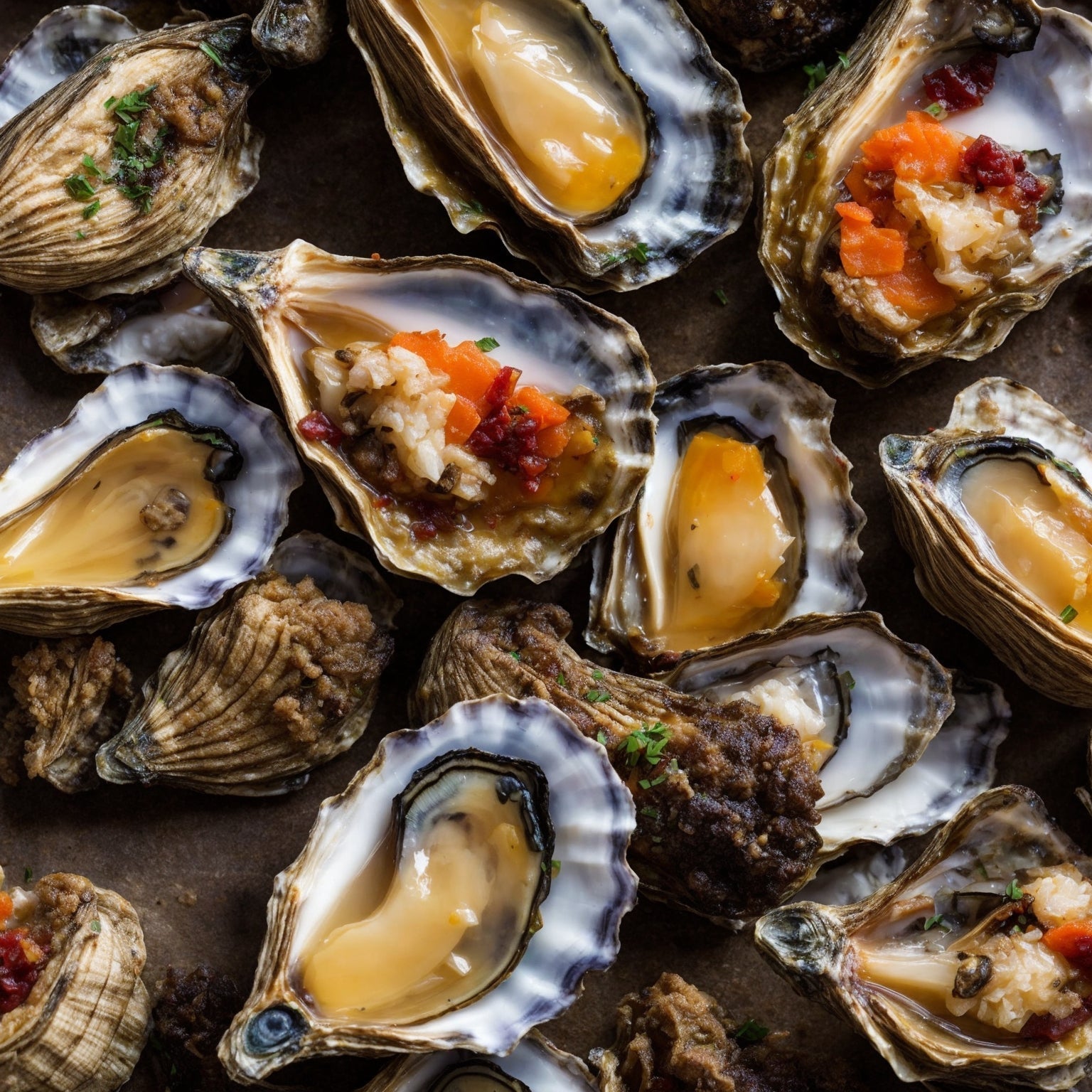
4. US farmed oysters
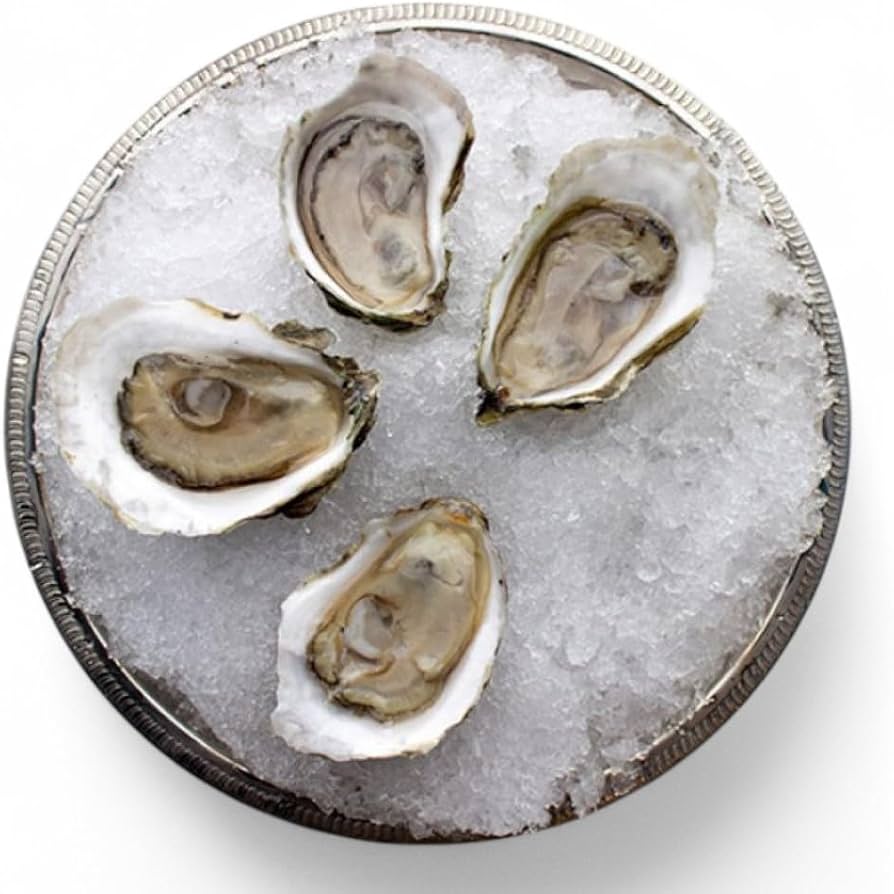
US farmed oysters provide a crisp, briny crunch that contrasts beautifully with soft sushi rice. Look for varieties like Kumamoto or Wellfleet, known for their sweet, mineral notes. Serve them shucked on the half-shell or lightly seared to enhance their natural salinity, offering a refreshing, ocean-forward bite that cleanses the palate between richer fish.
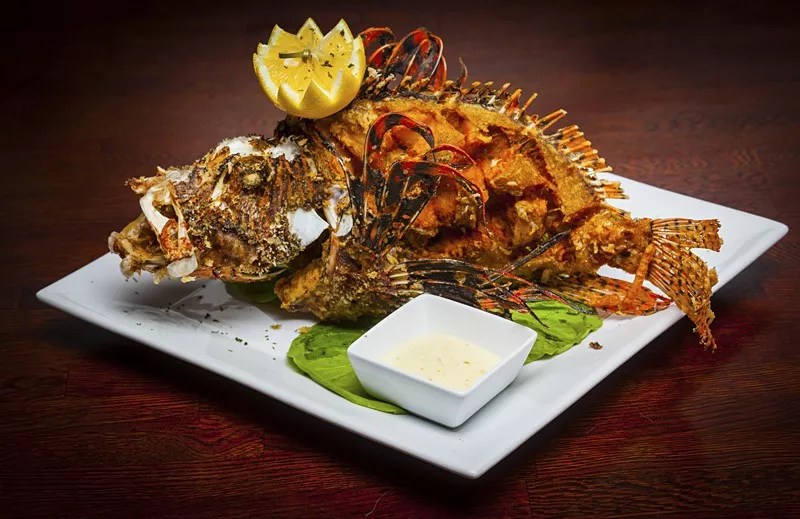
5. Invasive lionfish
Lionfish is a sustainable choice that helps control invasive populations in the Atlantic and Caribbean. Its mild, sweet flavor and firm texture make it surprisingly versatile for sushi. By choosing lionfish, you support reef health while enjoying a delicate, clean-tasting fish that pairs well with citrus ponzu or simple soy and wasabi.

How to buy sushi-grade fish safely
Sourcing fish for home preparation requires a shift in mindset from routine grocery shopping. You are not just buying food; you are buying raw material that will be consumed without cooking. The standard for "sushi-grade" is a marketing term rather than a federal inspection category, meaning the responsibility for safety lies entirely with the supplier's handling and freezing protocols.
To ensure safety, you must buy from vendors who understand flash-freezing. This process kills parasites that are invisible to the naked eye. Look for suppliers who explicitly state they freeze fish to -4°F (-20°C) for at least seven days, or -31°F (-35°C) for 15 hours, following FDA guidelines. Avoid buying raw fish from general supermarket counters unless you can verify their specific freezing history.
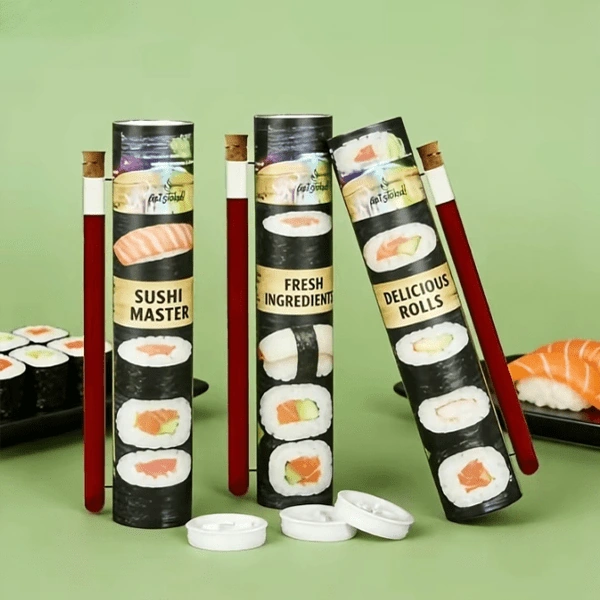
When sourcing locally, build a relationship with a reputable fishmonger. Ask them directly about the species' origin and freezing records. If buying online, choose specialized seafood retailers that offer next-day delivery with dry ice. Never compromise on freshness or transparency when preparing sushi at home.
Essential Tools for Safe Sushi Preparation
Having the right equipment is just as important as the quality of the fish. Proper tools ensure hygiene and precision, reducing the risk of contamination and improving the final texture of your rolls.


As an Amazon Associate, we may earn from qualifying purchases.
Basic Sushi Rice (Shari)
The foundation of any sushi dish is the rice. It must be seasoned with a precise balance of vinegar, sugar, and salt while still warm to achieve the correct stickiness and flavor profile.
Essential sushi prep checklist
Before you slice a single piece of fish, ensure your station is organized. Sushi making is a ritual of precision; having everything within arm’s reach prevents the rice from cooling and the fish from warming. This checklist covers the non-negotiables for a safe, sustainable, and professional-quality result at home.
- Sushi rice & vinegar: Short-grain Japanese rice, rice vinegar, sugar, and salt for seasoning.
- Sashimi-grade fish: Firm, sustainable tuna, salmon, or snapper sourced from trusted suppliers.
- Nori sheets: High-quality, lightly roasted seaweed sheets for rolling.
- Sharp yanagiba knife: A long, single-bevel blade for clean, single-stroke cuts.
- Bamboo mat (makisu): Wrapped in plastic to keep it clean and prevent sticking.
- Sharp knife & cutting board: For precise vegetable and garnish prep.
- Rice paddle (shamoji): Wooden or plastic, never metal, to fold rice without crushing it.
- Cold water & vinegar bowl: For wetting hands to prevent rice from sticking.
- Food safety gear: Gloves, sanitizer, and a dedicated cutting board for raw fish.
No comments yet. Be the first to share your thoughts!