

Get buy sushi grade fish right
Before you slice into raw seafood, you need to confirm two things: the fish is safe to eat raw and it arrived at the right temperature. "Sushi-grade" is a marketing term, not a federal safety standard, so you are the final check. If you are looking to buy sushi grade fish online or from a trusted local vendor, follow these prerequisites to avoid foodborne illness.
Verify the cold chain
Raw fish is highly perishable. Whether you are ordering from a specialty retailer or picking up at a local market, the fish must have been kept at or below 0°F (-18°C) for freezing or 32-38°F (0-3°C) for fresh handling. If the fish arrives warm or with melted ice packs, send it back. Do not attempt to refreeze or re-chill it yourself.
Ask about flash-freezing
The FDA recommends freezing fish to -4°F (-20°C) for at least seven days to kill parasites. Reputable sellers flash-freeze their catch immediately after harvesting. If the vendor cannot confirm this step, treat the fish as cooked-only. This is the single most important safety check when you buy sushi grade fish from a non-specialist source.
Check the smell and texture
Fresh sashimi should smell like the ocean, not fishy or ammonia-like. The flesh should be firm and translucent, not mushy or cloudy. If you are unsure, ask the fishmonger to show you the cut before you purchase. Trust your senses; if it looks or smells off, it is not fit for raw consumption.


As an Amazon Associate, we may earn from qualifying purchases.
Work through the steps
Buying sushi-grade fish isn’t about finding a specific label on a shelf; it’s about verifying that the supplier has handled the catch correctly from net to freezer. The term "sushi-grade" is a marketing term, not a federal standard. To ensure safety, you must follow a strict purchasing workflow that prioritizes flash-freezing and traceability.
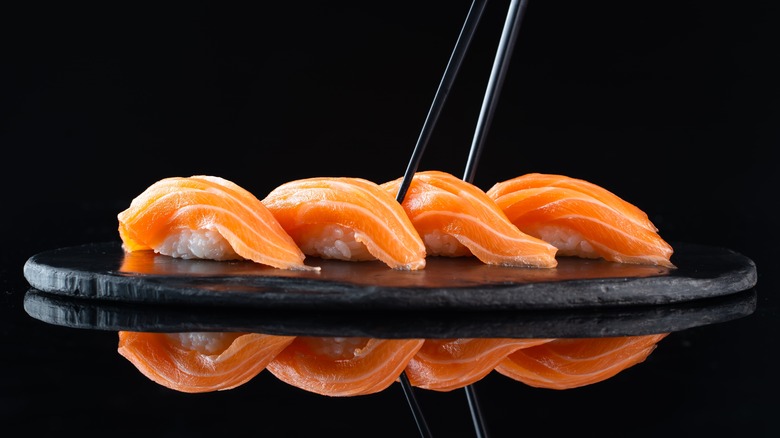
Skip the local supermarket for your primary sushi fish. Instead, order from dedicated seafood specialists like Nordic Catch or Meat N’ Bone. These retailers handle fish entirely in-house, ensuring the cold chain is never broken. They flash-freeze the fish immediately after catch, which kills parasites, a requirement for safe raw consumption.
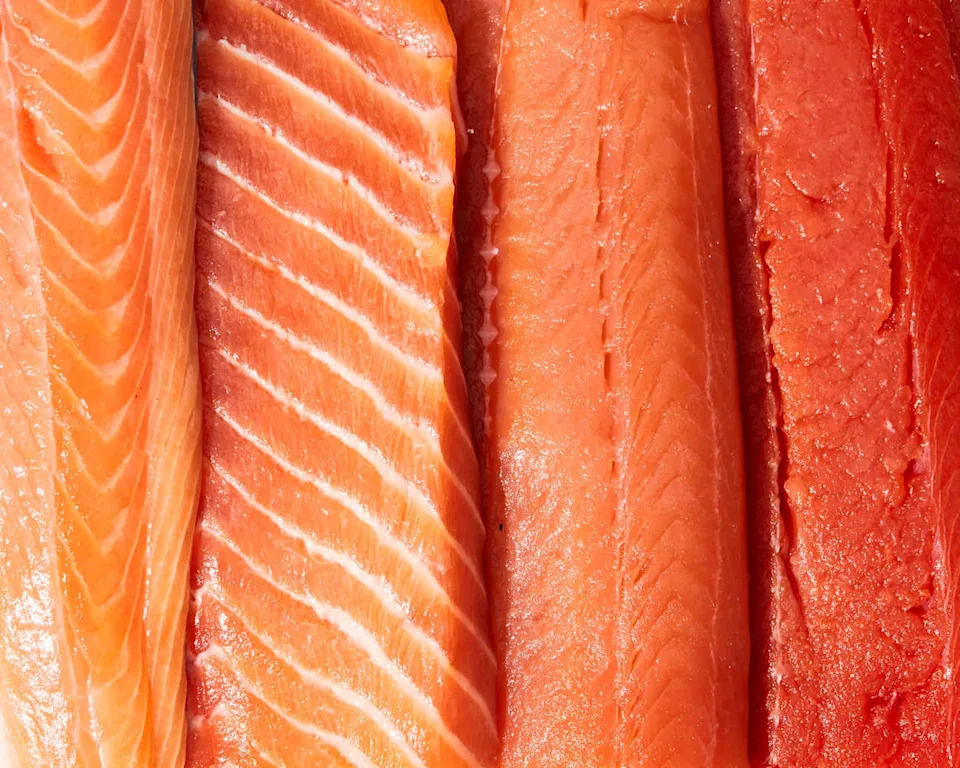
Check the product description for confirmation of flash-freezing. The FDA recommends freezing fish at -4°F (-20°C) for seven days, or at -31°F (-35°C) until solid and stored at -31°F for 15 hours. Specialized online sellers typically use industrial blast freezers that meet these standards instantly, preserving texture better than home freezers.
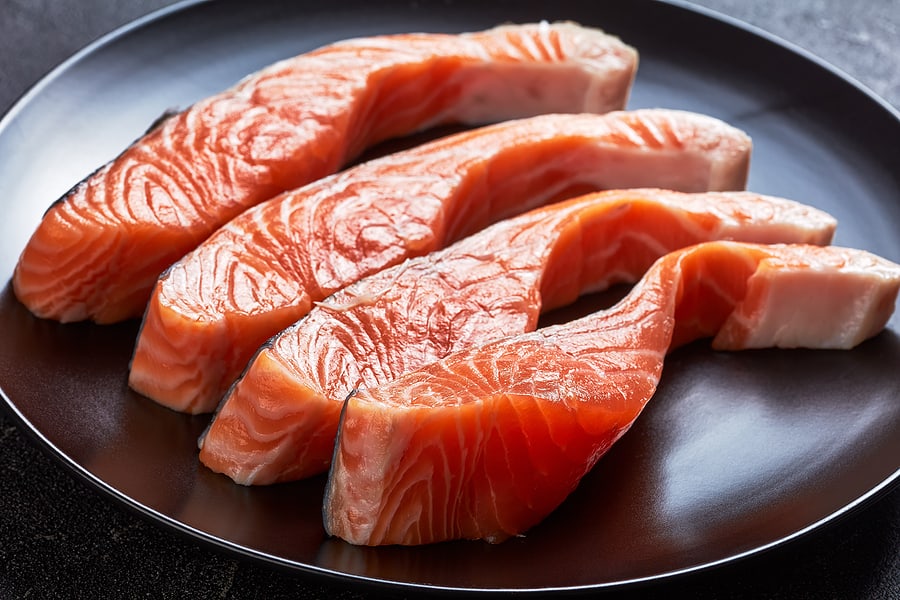
When the package arrives, it should be vacuum-sealed or tightly wrapped in ice. The fish should look vibrant, not dull or discolored. If buying whole fish, ensure the eyes are clear and the gills are bright red. For pre-cut fillets, the flesh should be firm and spring back when pressed gently.
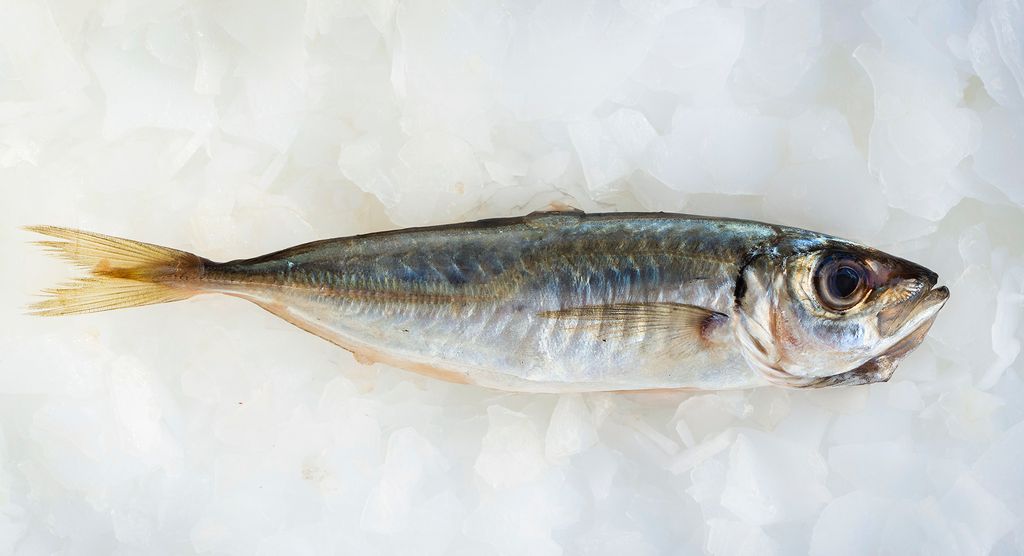
Not all fish are safe for raw consumption. Stick to species known for low parasite risk when flash-frozen, such as salmon, yellowtail, and tuna. Avoid freshwater fish entirely, as they carry a higher risk of parasites that are harder to eliminate. Stick to saltwater species that are commonly served as sashimi.
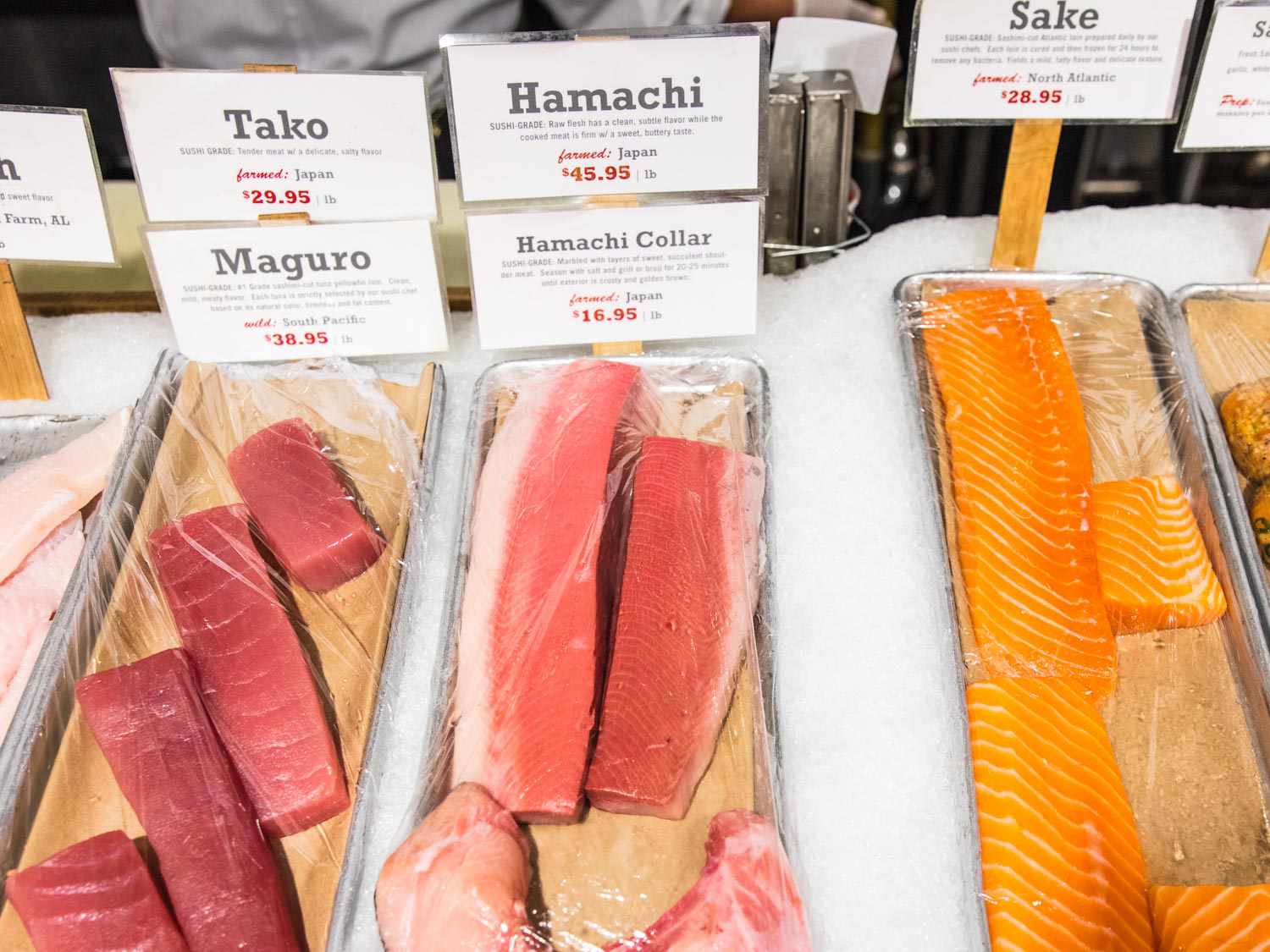
Use a cooler with sufficient ice packs or dry ice to keep the fish below 40°F during transit. If the fish arrives warm or thawed, do not consume it. The integrity of the flash-freeze is critical; if it thaws and refreezes, the texture degrades and safety risks increase.
-
Verify flash-freezing confirmation in product details
-
Check for vacuum-sealed or ice-packed delivery
-
Ensure fish arrives cold (below 40°F)
-
Confirm species is saltwater and sushi-safe
Common mistakes to avoid
Many home chefs make the mistake of assuming "fresh" means "safe." Fresh fish from a local dock may not have been flash-frozen, leaving parasites alive. Another common error is buying sushi-grade fish at standard grocery stores. While some high-end markets may offer it, the majority do not have the specialized freezing equipment required. Costco occasionally carries sushi-grade salmon, but availability is inconsistent and you must verify the freezing logs yourself.
How to know fish is sushi-grade
There is no government certification for "sushi-grade." You must rely on the supplier’s reputation. Look for retailers that provide detailed sourcing information, including the date of catch and freezing method. If a seller cannot confirm that the fish was flash-frozen to kill parasites, it is not safe for raw consumption. Always prioritize suppliers who specialize in sashimi over general fishmongers.
Fix common mistakes
Even with access to premium sushi-grade fish, home chefs often ruin the experience through simple handling errors. The difference between restaurant-quality sashimi and a wasted meal usually comes down to temperature control, knife work, and proper thawing. Avoid these three common pitfalls to keep your fish safe and delicious.
Thawing frozen fish incorrectly
Sushi-grade fish is almost always flash-frozen to kill parasites. The biggest mistake is thawing it at room temperature or in hot water. This breaks down the cell structure, turning firm flesh into mush and releasing bloody juices that dilute the flavor.
Instead, move the vacuum-sealed package from the freezer to the refrigerator 24 hours before you plan to cook. If you are short on time, keep the fish in its sealed bag and submerge it in cold water, changing the water every 15 minutes. Never use warm water, as it encourages bacterial growth on the surface while the center remains frozen.
Using a dull knife
A dull blade crushes the fish fibers rather than slicing through them cleanly. This results in ragged edges that look unappetizing and feel tough in the mouth. It also increases the risk of the knife slipping, which is dangerous when handling slippery, expensive protein.
Use a sharp yanagiba or deba knife specifically designed for sashimi. If you do not have a specialized sushi knife, a very sharp chef’s knife works, but you must pull the knife through the fish in one smooth motion. Do not saw back and forth. Wipe the blade clean between cuts to prevent cross-contamination and maintain a clean presentation.
Ignoring the "sushi-grade" definition
"Sushi-grade" is a marketing term, not a federal inspection standard. It generally means the fish was frozen at extremely low temperatures (typically -4°F or lower) for a specific duration to kill parasites. However, it does not guarantee the fish was handled perfectly before freezing.
Always buy from reputable suppliers who specialize in raw consumption, such as Nordic Catch or Meat N' Bone, rather than general grocery stores. Check for clear labeling indicating "sashimi grade" or "for raw consumption." If the fish smells strongly of ammonia or has a slimy texture, do not use it, regardless of the label. Trust your senses; fresh sushi-grade fish should smell like the ocean, not like a fish market floor.
No comments yet. Be the first to share your thoughts!