

Get Your Sushi Palate Right
Before you touch a knife or a sheet of nori, you need to calibrate your taste. Sushi is subtle. The flavor of high-grade fish can be masked by heavy sauces, stale rice, or a palate crowded by the previous bite. If your senses are dull, you won’t catch the nuances of the rice acidity or the finish of the fish, and your fusion creations will lack balance.
Clear the Slate
The most common mistake home cooks make is relying on the pickled ginger (gari) that comes with the meal. That ginger is designed to cleanse the palate between different types of nigiri at a restaurant, not to reset your taste buds before you start cooking or eating a specific fusion roll. Using it as a general cleanser can actually leave a lingering sweetness that interferes with the delicate vinegar in your sushi rice.
Instead, use plain water or a mild green tea. Water rinses away residual oils and flavors without adding new tastes. If you are tasting multiple fish varieties, sip black tea between samples to cut through the fat. Avoid spicy sauces or strong condiments like wasabi right before you begin; they numb the tongue and make it hard to judge seasoning.
Taste the Rice First
Your sushi rice (shari) is the foundation. Before you add any fish or sauce, taste the rice on its own. It should be slightly warm, with a balanced acidity from the rice vinegar and a hint of salt and sugar. If the rice tastes bland, the fish will taste bland. If it tastes too sour, it will overpower the delicate texture of the seafood.
Adjust the seasoning now. Add a few drops of vinegar or a pinch of salt if needed. Once you have the rice flavor dialed in, you can move on to preparing your fish. A well-seasoned palate ensures that every bite of your modern fusion nigiri hits the right note.
Work through the steps
Modern fusion nigiri relies on balance. You need clean cuts, precise rice temperature, and a steady hand. Follow this sequence to build a solid foundation for your rolls.
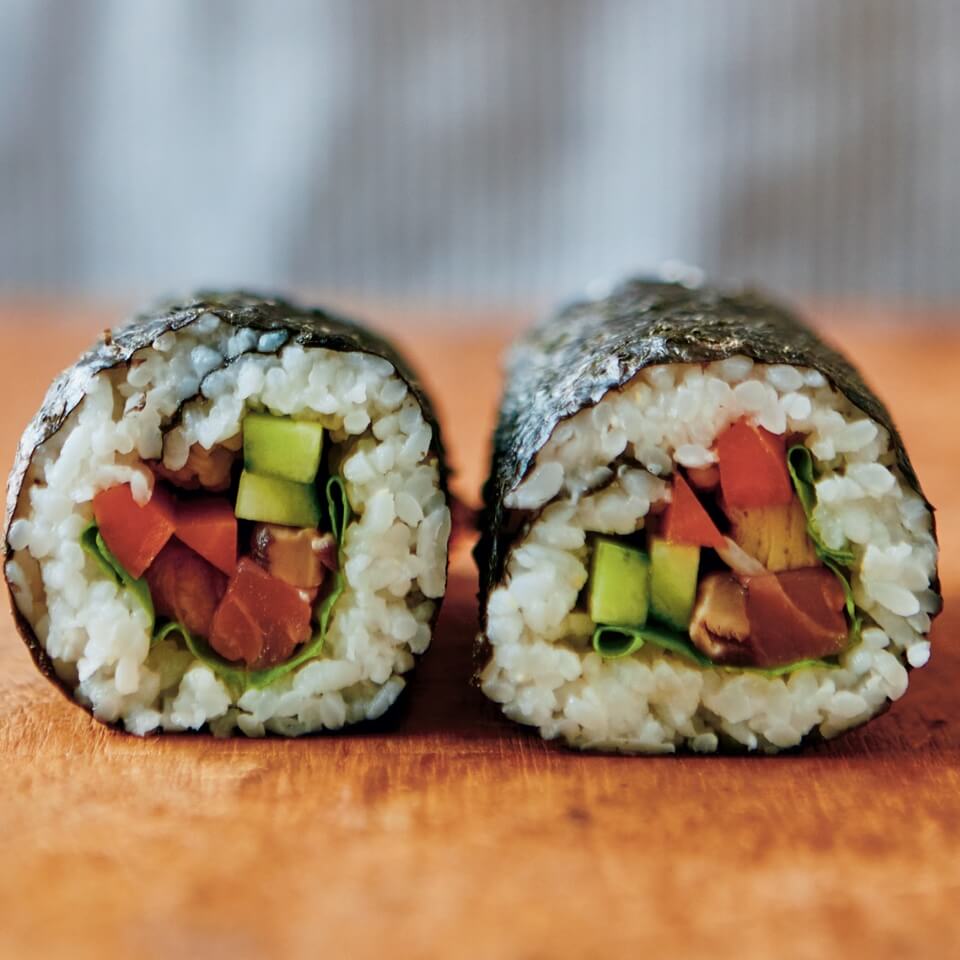
Start with short-grain Japanese rice. Rinse it until the water runs clear to remove excess starch. Cook it with a precise water ratio, then season with rice vinegar, sugar, and salt while it is still hot. Let it cool to body temperature. Warm rice sticks to your hands; cold rice loses its flavor. Keep it covered with a damp cloth while you work.
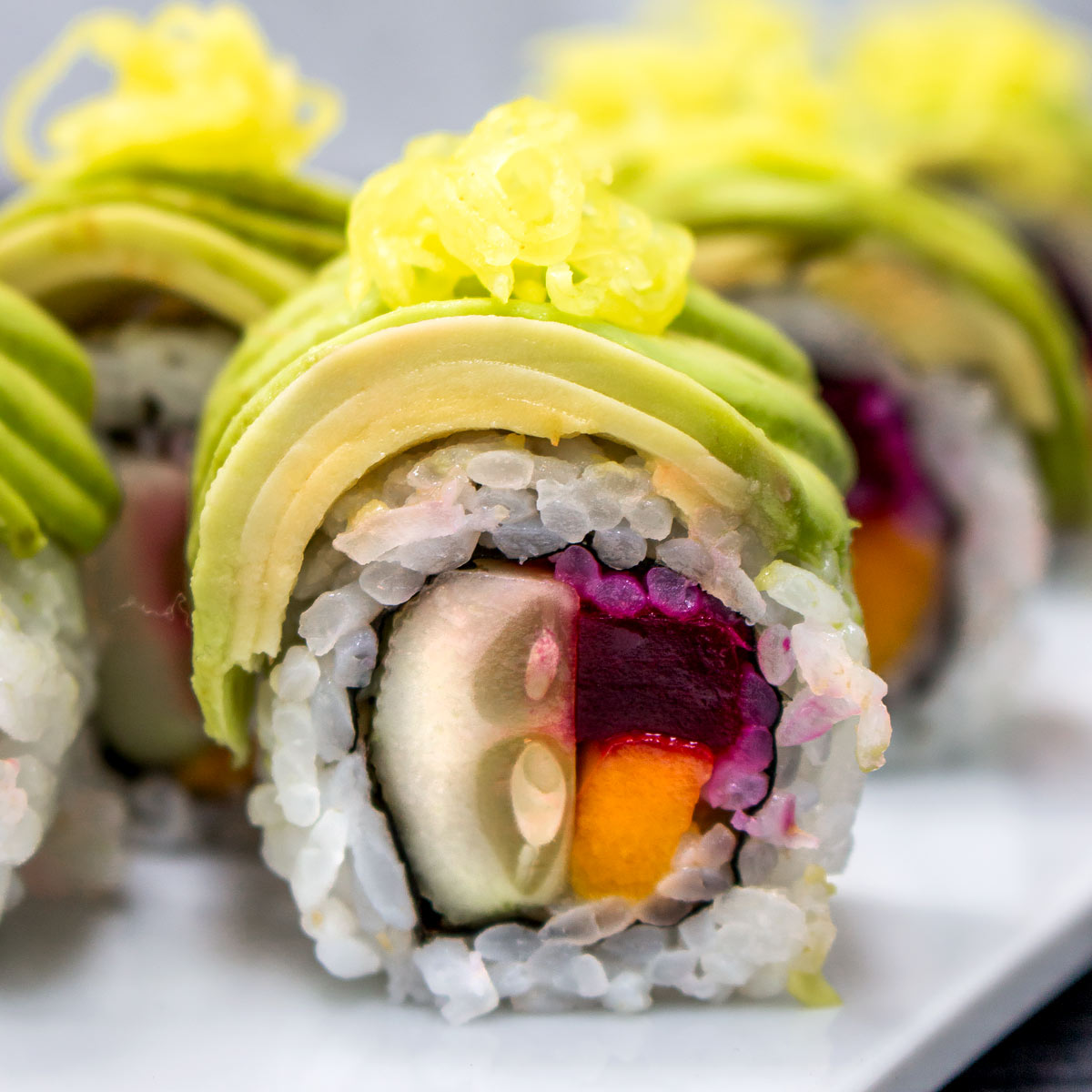
Use a sharp yanagiba knife for fish or a standard chef’s knife for vegetables. Pull the knife toward you in one smooth motion. Do not saw back and forth, as this tears the texture. For fusion nigiri, try unconventional pairings like smoked salmon with avocado or crisp cucumber ribbons. Cut pieces slightly larger than the rice ball to ensure they hold together.
Dip your hands in tezu (vinegar water) to prevent sticking. Pick up about 20 grams of rice. Gently cup it in your palm. Do not squeeze tightly. You want the rice to hold its shape when flipped, but remain loose enough to break apart on the tongue. An oval shape works best for nigiri.
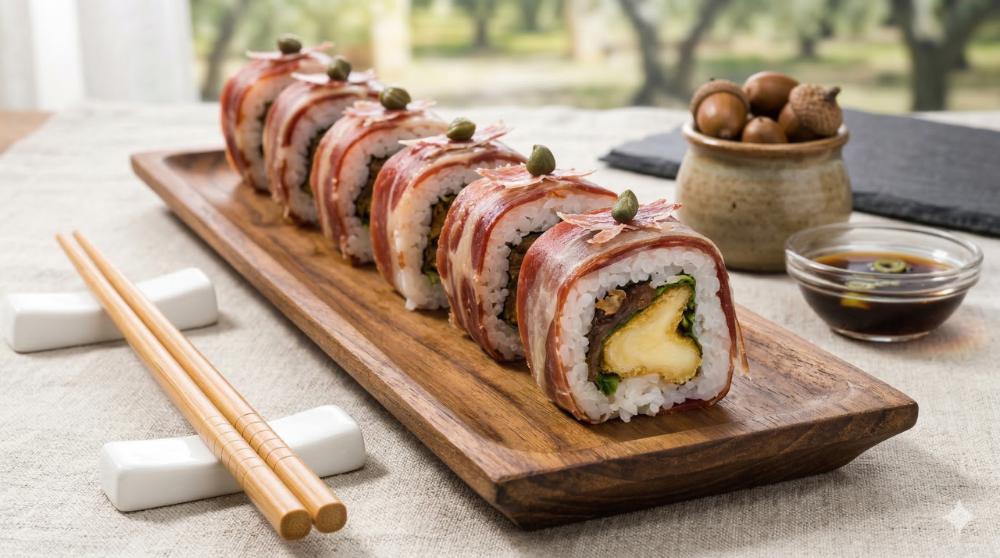
Place the rice ball on your palm. Add a tiny dot of wasabi to the fish or vegetable. Lay the topping over the rice. Press down lightly with your other hand to bond the two layers. Flip the nigiri so the topping faces up. The rice should be on the bottom, ready for the plate.
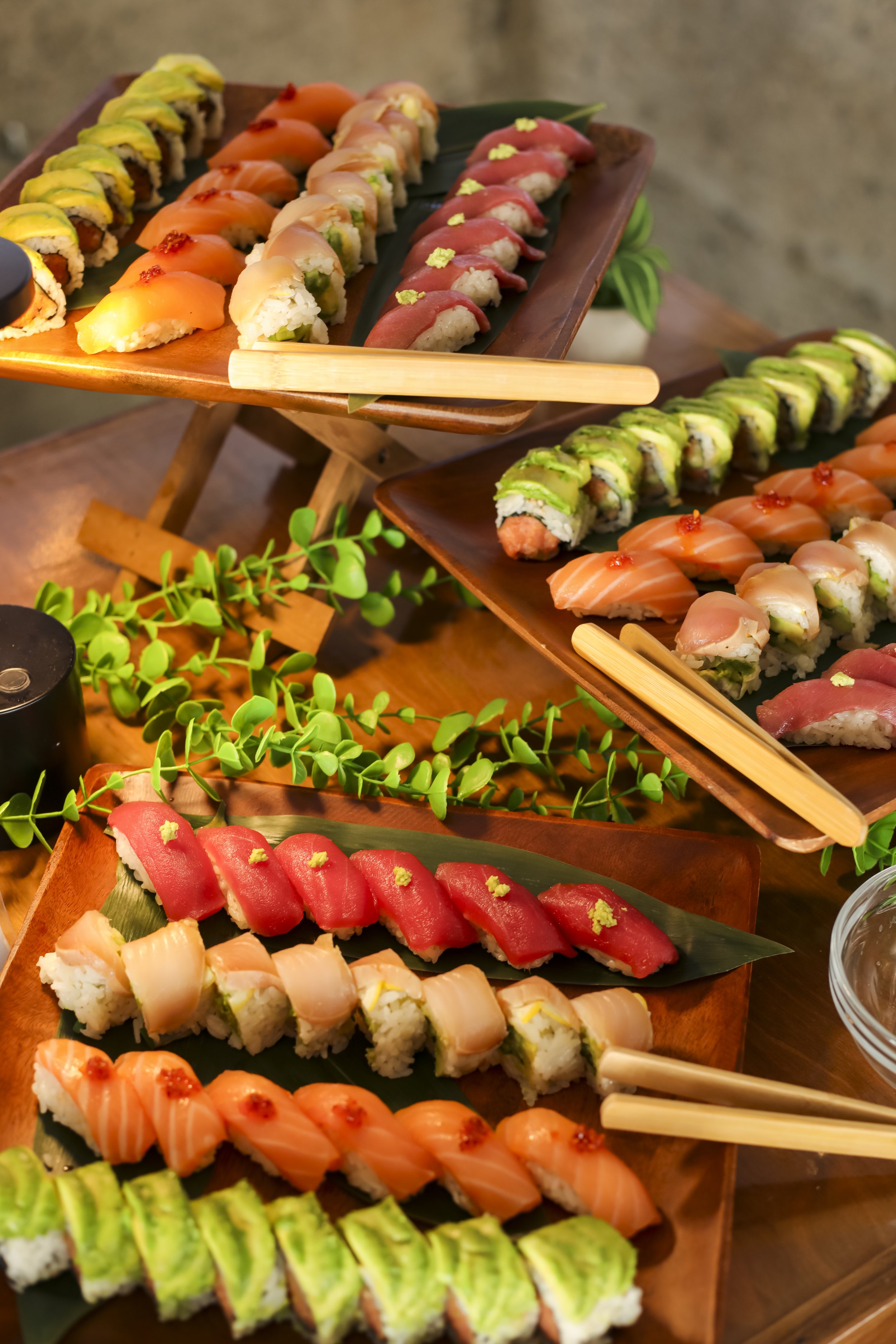
Arrange the nigiri on a wooden or ceramic plate. Leave space between each piece so the flavors do not bleed into one another. Serve immediately. The rice will begin to dry out if left uncovered for more than a few minutes. Pair with soy sauce and pickled ginger on the side.


As an Amazon Associate, we may earn from qualifying purchases.
Fix common sushi mistakes
Even with high-quality ingredients, small errors in technique can ruin the texture and flavor of your fusion nigiri. The most frequent pitfalls involve how you handle the rice, the fish, and the final assembly. Addressing these issues early ensures your rolls hold together and taste balanced.
Handling the rice incorrectly
The foundation of any good sushi is the rice, and it is also where most home cooks stumble. The biggest mistake is overworking the rice or letting it dry out. When you mix the vinegar seasoning, use a cutting motion with a rice paddle rather than stirring vigorously, which bruises the grains and makes them mushy.
Equally important is temperature. Sushi rice should be served at body temperature, not hot from the cooker and not cold from the fridge. If the rice is too hot, it will burn your hands and break down the grains. If it is too cold, the texture becomes hard and the flavor dulls. Keep a damp cloth nearby to mist your hands while shaping, but never dip your hands in plain water, as this dilutes the seasoning and makes the rice sticky in the wrong way.
Using the wrong fish or improper thawing
Sourcing sustainable sushi-grade fish is non-negotiable, but how you prepare it matters just as much. A common error is thawing frozen fish in warm water or on the counter. This promotes bacterial growth and degrades the delicate cellular structure of the fish, leading to a mushy texture and off-flavors.
Always thaw sushi-grade fish slowly in the refrigerator, ideally overnight, inside a sealed container. This method preserves the moisture content and firmness. Once thawed, pat the fish dry with paper towels before slicing. Excess surface moisture prevents the rice from adhering properly and can make the nigiri slide apart when you pick it up.
Overpowering the flavor profile
Fusion nigiri often encourages creative additions, but it is easy to overwhelm the natural taste of the fish. Many cooks add too much sauce or use strong condiments that mask the subtle flavors of the seafood. Remember that the rice and fish should be the stars, not the garnish.
Another frequent mistake is using the pickled ginger as a palate cleanser between every bite. This is a misconception; the ginger is traditionally eaten with the specific fish it was served alongside to complement its flavor, not to reset your taste buds. Instead, use a light soy dip or a simple citrus splash. Keep your additions minimal so the integrity of the fusion concept remains clear and the high quality of the ingredients shines through.
Sushi palate: what to check next
Navigating sushi etiquette and nutrition often raises practical questions. Below are answers to common queries about ingredients, health benefits, and proper dining habits.
These clarifications help you enjoy modern fusion nigiri and sustainable fish with confidence, focusing on what actually matters for your dining experience.
No comments yet. Be the first to share your thoughts!