

What nigiri sushi is and why taste matters
A sushi palate is the ability to distinguish fresh, high-quality ingredients and balanced seasoning. It is not about eating quickly or filling up; it is about discerning the subtle interplay between the fish, the rice, and the wasabi. Start by tasting nigiri plain, without soy sauce, to hear what the chef intended.
Nigiri sushi consists of a slice of raw fish or other ingredient draped over a small mound of seasoned rice. The rice is the foundation. It must be warm, slightly sticky, and seasoned with a precise balance of rice vinegar, sugar, and salt. The fish should be fresh, clean-tasting, and cut to enhance its natural texture.
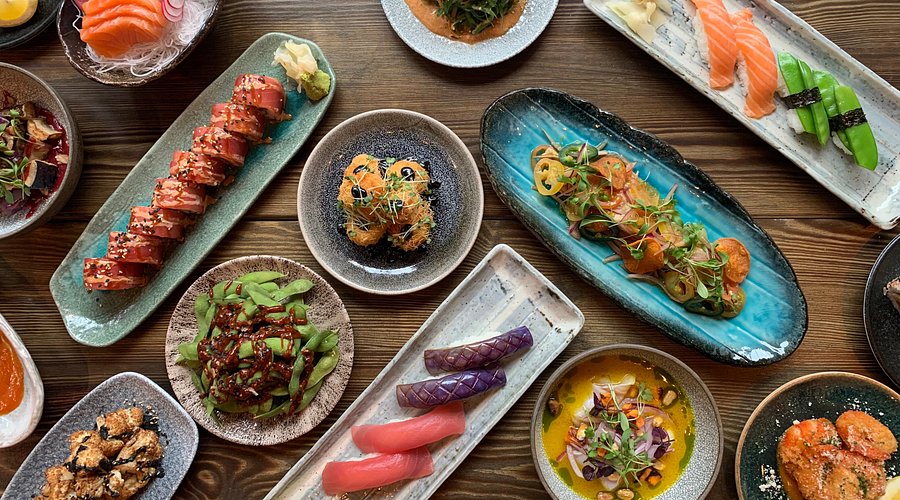
Developing this palate is like training your ears for music. You learn to hear the difference between a well-tuned instrument and a slightly off-key one. In sushi, you learn to taste the sweetness of the tuna, the richness of the salmon, or the crunch of the tempura. This awareness transforms a simple meal into a detailed experience.
When you taste nigiri, notice the temperature contrast. The rice should be slightly warm against the cool fish. Notice the texture. The fish should yield gently to the bite, not feel mushy or tough. These details are what separate a good sushi palate from a casual one.
Taste the fish before adding soy sauce
Soy sauce is a seasoning, not a mask. The first test of a trained sushi palate is tasting the raw ingredient in its natural state. Most commercial sushi is brushed with a light glaze or seasoned by the chef, so it arrives at your table ready to be judged on its own merits. If you dip it immediately, you risk overwhelming delicate flavors with salt.
Place the piece on your tongue without any condiments. Close your mouth and let the temperature and texture settle. You are listening for the specific character of the fish: the buttery richness of otoro, the clean sweetness of amaebi, or the firm snap of ikura. This baseline assessment tells you whether the sushi is fresh and properly prepared.
If the fish tastes bland or metallic, the quality may be low. If it tastes bright and sweet, you have found a good piece. Only after this initial evaluation should you consider adding soy sauce or wasabi. A well-seasoned piece needs only a light touch; a poor one will never taste right, no matter how much sauce you add.
Use ginger and highballs to reset your palate
The sushi counter is a test of sensory endurance. As you move from rich, fatty toro to lean, mild hirame, your taste buds accumulate the previous flavor, dulling your ability to distinguish the next piece. To keep your palate sensitive, you need a reliable reset button between courses.
Many diners treat the pickled ginger (gari) as the primary cleanser. This is a common misconception. Ginger is traditionally served as a mild condiment to bridge the gap between fish and rice, not to scrub away strong flavors. Relying on it to neutralize the taste of salmon before eating mackerel can actually clash with the next piece, adding unnecessary sweetness or spice where none is needed.
The Highball Advantage
For a true reset, a Japanese highball is superior. The carbonation and acidity in the sparkling water cut through the oils on your tongue, while the subtle malt notes of the whiskey provide a clean, dry finish. This combination prepares your mouth for the next fish without adding competing flavors like sugar or salt.
Water: The Neutral Baseline
If you prefer non-alcoholic options, plain water is the safest bet. Unlike ginger, water introduces no new variables. It simply washes away the residual texture and flavor, returning your palate to a neutral state. Sip slowly rather than gulping to allow the water to coat the tongue effectively.
Ginger vs. Highball vs. Water
Use the table below to choose the right reset method for your current course.
| Cleanser | Palate Effect | Best Used Between | Flavor Impact |
|---|---|---|---|
| Pickled Ginger (Gari) | Mild sweet/sour bridge | Similar fish types | Adds sweetness |
| Japanese Highball | Cuts oil, refreshes | Rich to lean transitions | Dry, clean finish |
| Plain Water | Neutral rinse | Any transition | None |
Practical Application
When you finish a piece of fatty tuna, take a small sip of your highball. Let it fizz over your tongue for a second before swallowing. This brief pause resets your sensitivity, ensuring the next piece of sushi tastes exactly as the chef intended. Save the ginger for when you want a slight flavor accent, not a full reset.
Buy sushi grade fish safely
Sourcing safe, high-quality fish is the foundation of a refined sushi palate. Without proper handling, even the best cuts can spoil quickly, masking the delicate flavors you are trying to train your tongue to detect. Treat this step as a quality control checkpoint before it ever reaches your knife.
Freeze for safety first
The FDA recommends freezing fish at -4°F (-20°C) or below for at least seven days to kill parasites. Most commercial sushi-grade fish has already undergone this process, but it is essential to verify this with your supplier. If you buy from a local market, ask for their flash-freezing logs. This step ensures the fish is safe to eat raw, protecting your palate from the distraction of spoilage.
Check for freshness and texture
Fresh fish should smell like the ocean, not fishy or ammonia-like. The flesh should be firm to the touch and have a bright, translucent appearance. Avoid any pieces that look dull or have dry edges. Trust your senses; if it looks or smells off, it will taste off, and no amount of soy sauce can fix that.
Store correctly until preparation
Keep the fish cold until you are ready to slice it. Transport it in an insulated bag with ice packs, and store it in the coldest part of your refrigerator. Proper storage maintains the texture and flavor integrity, ensuring that each piece you prepare reflects the true character of the fish.


As an Amazon Associate, we may earn from qualifying purchases.
Pair wine and sake correctly
Selecting the right beverage is about balance, not volume. You want a drink that lifts the delicate flavors of raw fish and vinegared rice without masking them. Think of your drink as a supporting actor; it should complement the star, not steal the show.
Choose light, dry, and simple wines
When pairing wine with sushi, less is almost always more. Heavy tannins in red wine clash with the iron in fish, creating a metallic aftertaste. Instead, reach for dry whites or sparkling wines. Look for profiles that are crisp, acidic, and low in alcohol. A Sauvignon Blanc or a dry Riesling offers the necessary acidity to cut through the richness of fatty tuna or salmon without overwhelming the palate. Sparkling wines, particularly Champagne or Prosecco, act as natural palate cleansers, resetting your taste buds between each piece.
Select sake for umami harmony
Sake is the traditional companion for a reason. Its subtle sweetness and clean finish enhance the umami depth of soy sauce and wasabi. For lighter fish like sea bream or flounder, choose a Junmai Ginjo for its floral notes. If you are eating richer rolls or grilled items, a slightly warmer, fuller-bodied Junmai will stand up to the stronger flavors. Serve sake slightly chilled to preserve its delicate aroma.
Avoid overpowering flavors
Steer clear of heavily oaked wines, sweet dessert wines, or robust beers. These beverages dominate the sensory experience, making the subtle nuances of high-quality sushi disappear. Your goal is to taste the fish first, then the drink, in a continuous loop. If you find yourself reaching for water or tea to wash away the flavor of your beverage, it was too strong. Keep it simple, keep it dry, and let the sushi shine.
Your Sushi Palate Checklist
Before you place your next order, use this quick checklist to ensure you’re tasting the fish, not just the rice. Training your palate requires active participation.
- Taste plain first: Eat the first bite without soy sauce or wasabi to identify the raw fish’s natural texture and sweetness.
- Cleanse properly: Use ginger sparingly between pieces, but consider a Japanese highball or dry sake as a more effective palate reset.
- Check freshness: Look for clear eyes and firm flesh; if the fish smells like the ocean, it’s likely fresh.
- Pair wisely: Match light, dry wines or sake with lean fish like sea bass, and richer options with fattier cuts like tuna.
What cleans your palate with sushi?
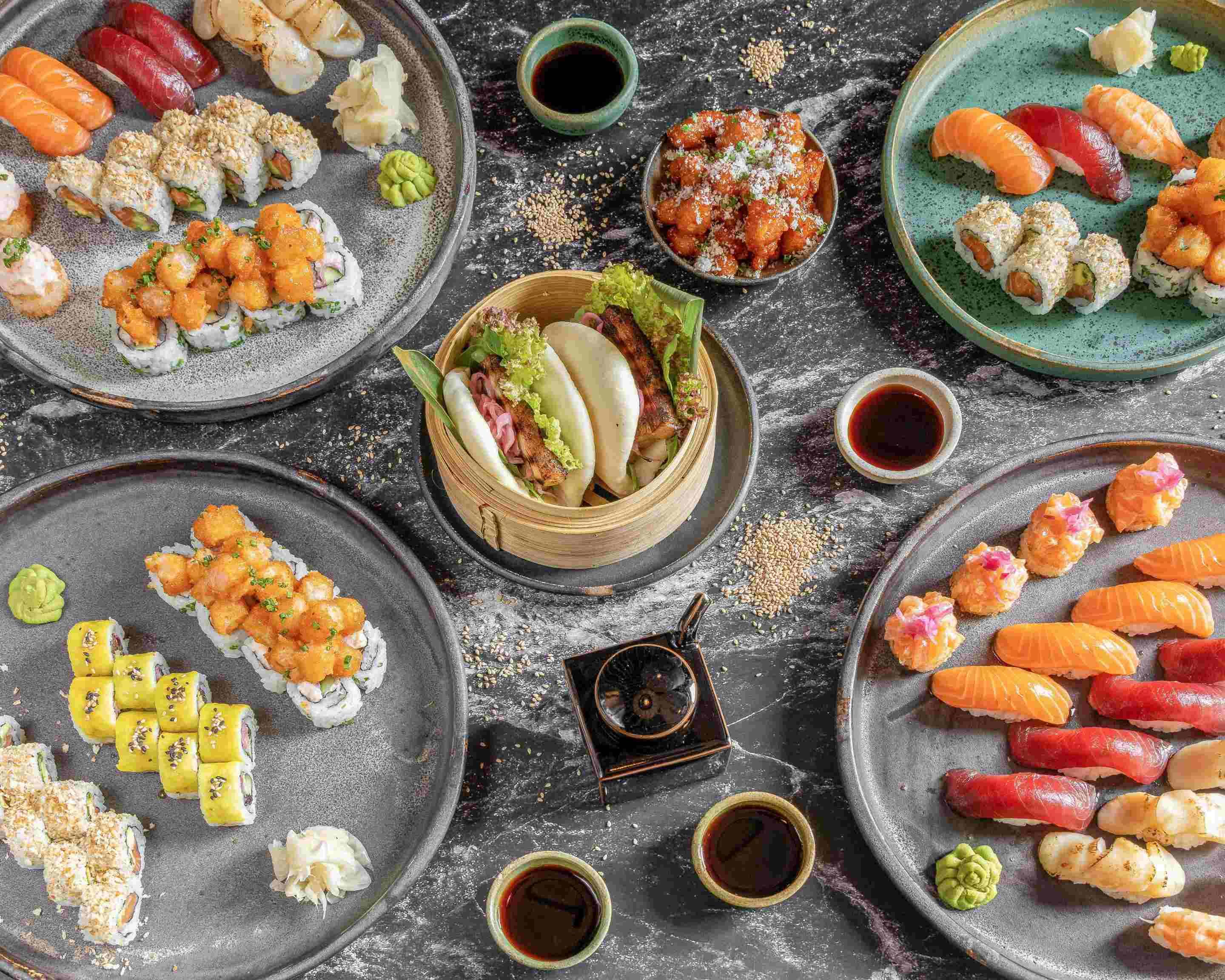
Pickled ginger (gari) is the traditional tool for resetting your taste buds between pieces of sushi. The sharp, acidic bite cuts through the richness of the fish and the saltiness of the soy sauce, allowing you to appreciate the distinct flavor of the next roll without interference.
However, the ginger serves a dual purpose. While it does refresh the palate, it also acts as a visual break and a nod to culinary tradition. Some sushi chefs argue that the ginger’s flavor profile can sometimes mask the subtle nuances of the fish rather than just clearing them.
For a more effective cleanse, consider ordering a Japanese highball. The carbonation and slight bitterness of the whiskey and soda scrub the tongue clean more thoroughly than ginger, preparing your palate for the next bite without leaving a sweet or spicy residue.
Put The Sushi Revolution into practice

No comments yet. Be the first to share your thoughts!