

The allure of omakase at home
Omakase. The word itself evokes a sense of trust, of surrendering to the chef's expertise. Traditionally, it means 'I'll leave it to you,' and it's a dining experience where the chef selects and serves dishes as they see fit, highlighting the freshest, most seasonal ingredients. It’s an intimate performance, a conversation between the chef and the diner, built around the peak flavors of the moment.
This experience is often reserved for special occasions, a splurge at a high-end sushi restaurant. But what if you could recreate that magic at home? The idea of omakase at home used to be a distant dream, limited by access to truly high-quality fish. Now, with the rise of premium fish delivery services, it’s becoming increasingly attainable.
Demand for private sushi chefs in San Jose jumped 35% last year according to Yelp data. People want the high-end experience without the $300-per-head restaurant markup, which makes DIY omakase a logical next step.
Homakase, a service offering omakase experiences in your own home, is gaining traction, as evidenced by their popular Instagram presence (instagram.com/homakase). This trend demonstrates that people are actively seeking ways to bring the omakase experience closer to their everyday lives. While hiring a chef is one option, the ability to source the ingredients yourself and craft the meal is a different kind of satisfaction. It's about taking control, learning a skill, and sharing a truly special meal with loved ones.
Nigiri is more than fish on rice
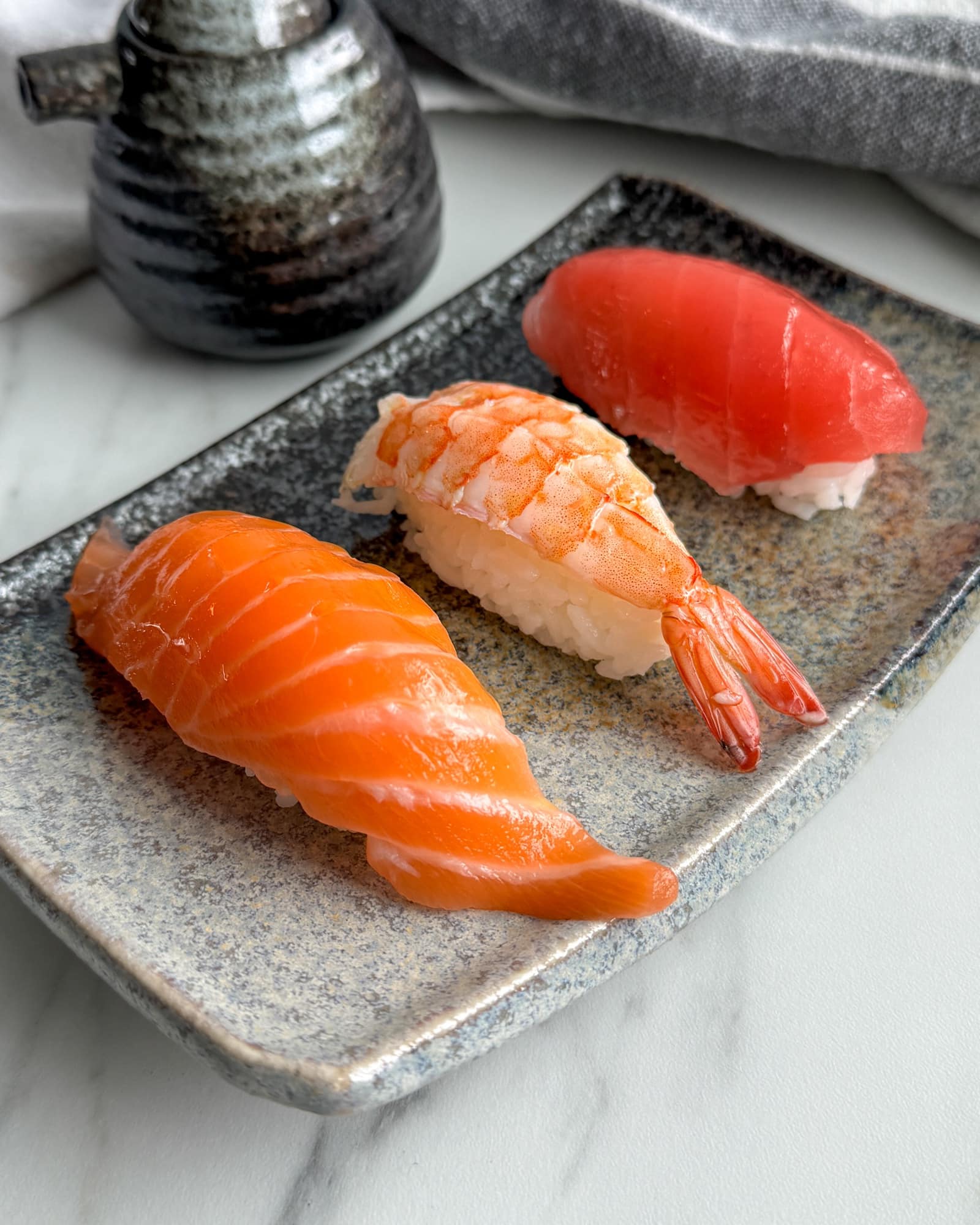
Let's start with the fundamentals: what is nigiri sushi? It’s deceptively simple – a slice of fish (the neta) draped over a small, oblong mound of vinegared rice (the shari). But the simplicity is what makes it so challenging to master. It’s not just about slapping fish on rice; it’s about balance, texture, and showcasing the quality of the ingredients.
The shari is arguably the more important component. It’s typically made with short-grain Japanese rice, seasoned with a precise ratio of rice vinegar, sugar, and salt. Getting this balance right is crucial – the rice should be slightly sweet, slightly tangy, and have a distinct but not overpowering flavor. Temperature is also key; it should be served at body temperature, not cold. A good rice cooker is a huge help, but you can achieve excellent results on the stovetop with practice.
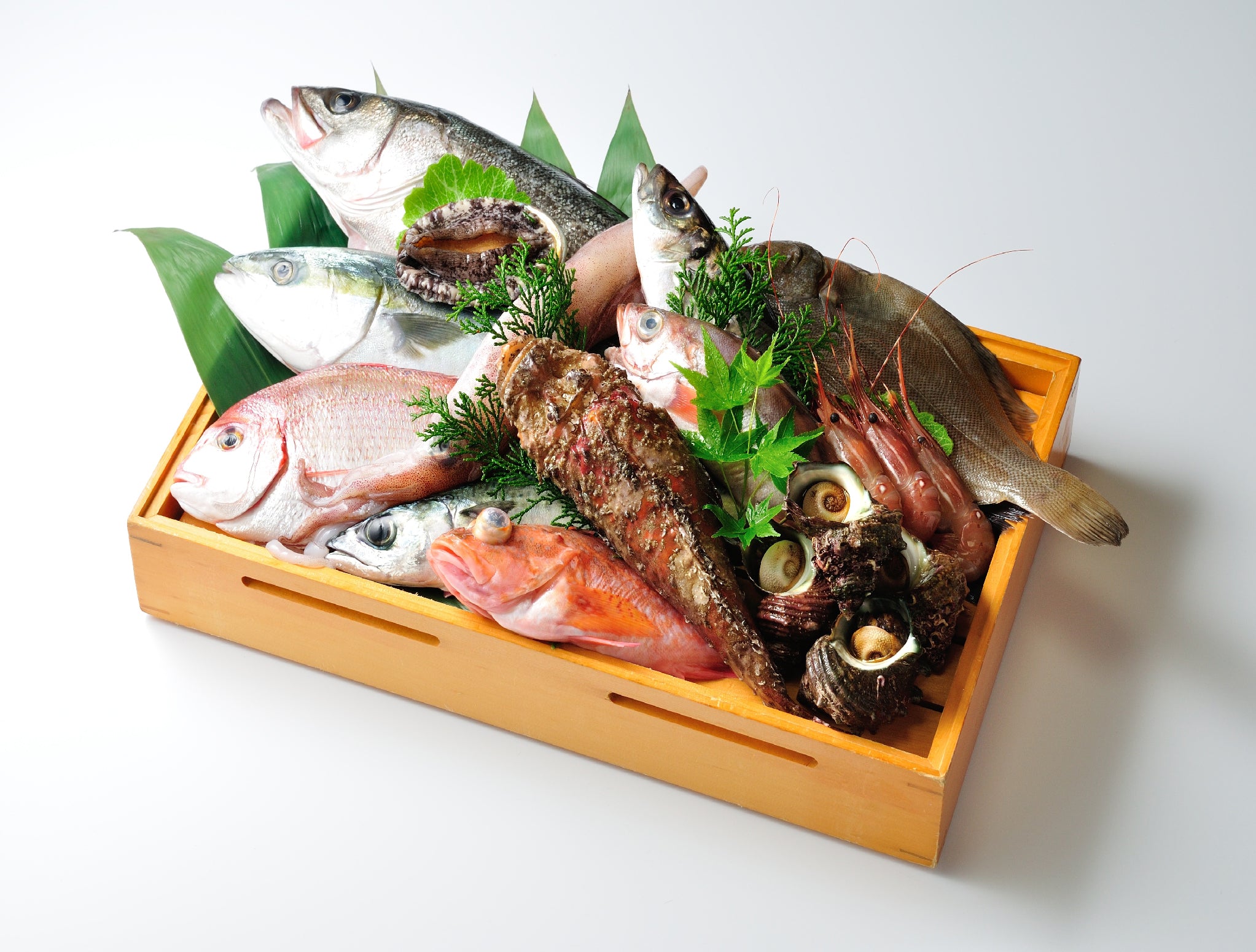
The neta – the fish – needs to be incredibly fresh and expertly cut. Common choices include tuna (maguro), salmon (sake), yellowtail (hamachi), and sea bream (tai). Different cuts offer different textures and flavors. Akami is lean tuna, chutoro is medium fatty, and otoro is the prized, melt-in-your-mouth fatty tuna. The cut itself matters too; slicing against the grain ensures a tender bite.
Wasabi and ginger play supporting roles. A small dab of wasabi is traditionally placed between the rice and the fish, providing a subtle heat that cuts through the richness. Pickled ginger (gari) is used as a palate cleanser between pieces. Proper technique, even with fantastic ingredients, is the cornerstone of great nigiri. It's about understanding the interplay of flavors and textures, and presenting them in a harmonious way.
- Shari: Vinegared sushi rice – the foundation of nigiri.
- Neta: The fish topping.
- Wasabi: Japanese horseradish – adds a subtle heat.
- Gari: Pickled ginger – cleanses the palate.
Where to buy fish in 2026
The hardest part is finding the fish. Supermarket salmon won't work for this. You need vendors who specialize in sushi-grade handling and overnight shipping.
Several services stand out. Tokyo Joe’s focuses on direct imports from the Toyosu Market in Tokyo, emphasizing traceability and freshness. They’re known for their excellent tuna selection, but their pricing is on the higher end. Fushi Sushi, on the other hand, prioritizes sustainability and works with smaller, local fisheries. Their selection is more limited, but the quality is consistently high and they offer detailed information about the origin of their fish.
Blue Ocean Seafood offers a wider range of options, from salmon and tuna to more exotic species like uni (sea urchin) and ikura (salmon roe). They provide detailed information on each product, including its origin and processing date. They’re a good middle-ground option in terms of price and selection. Each service has different shipping protocols, with most utilizing overnight or 2-day shipping with gel packs to maintain optimal temperatures.
Buying fish online carries inherent risks. It’s crucial to thoroughly research any supplier before placing an order. Look for companies that clearly state their sourcing practices, provide detailed product information, and offer a satisfaction guarantee. Inspect the fish carefully upon arrival – it should smell fresh (not fishy!), have a vibrant color, and feel firm to the touch. If anything seems off, don't hesitate to contact the supplier.
- Tokyo Joe’s: Direct imports from Toyosu Market, high-end pricing.
- Fushi Sushi: Sustainable sourcing, limited selection, high quality.
- Blue Ocean Seafood: Wide range of options, detailed product info, mid-range pricing.
Premium Fish Delivery Services for Omakase at Home (2026)
| Service Name | Sourcing Transparency | Shipping Speed | Fish Variety | Price Range | Overall Rating |
|---|---|---|---|---|---|
| Fulton Fish Market | High | Fast | Wide | $$ | 4.5 stars |
| Vital Choice | High | Standard | Moderate | $$$ | 4 stars |
| Crowd Cow | Medium | Standard | Moderate | $$ | 3.5 stars |
| Market Hall Foods | Medium | Standard | Wide | $$$ | 4 stars |
| Seafood City | Low | Slow | Limited | $ | 3 stars |
| Catalina Offshore Products | High | Fast | Moderate | $$ | 4.2 stars |
Illustrative comparison based on the article research brief. Verify current pricing, limits, and product details in the official docs before relying on it.
The tools you actually need
You don't need a professional sushi kitchen to get started, but a few key tools will make the process significantly easier. First and foremost is a sharp knife. A yanagiba (sashimi knife) is ideal for slicing fish, but a deba (general-purpose sushi knife) can also work. Maintaining a razor-sharp edge is crucial for clean cuts.
A rice cooker is a huge time-saver, ensuring perfectly cooked sushi rice every time. If you don’t have one, you can cook rice on the stovetop, but it requires more attention and practice. A hangiri, a wooden tub used for cooling and seasoning the rice, is also highly recommended. The wood absorbs excess moisture and helps to distribute the vinegar evenly. Plastic or metal bowls simply don’t provide the same results.
A makisu, a bamboo rolling mat, is essential for making maki rolls (though we’re focusing on nigiri here, it’s a good investment for future sushi adventures). Finally, you’ll need a clean workspace, a cutting board, and a small bowl for water to keep your hands from sticking to the rice. A fish thermometer can be useful for verifying the temperature of your fish, and a dedicated sushi board can help keep things organized.
How to form the nigiri
Now for the heart of the matter: forming the nigiri. Start by wetting your hands with tezu – a mixture of water and a little rice vinegar. This prevents the rice from sticking to your fingers. Take a small handful of sushi rice – about 15-20 grams – and gently squeeze it into an oblong shape. Avoid compacting the rice too much; you want it to be firm enough to hold its shape, but still light and airy.
Gently cup the rice in your hand and use your thumb to create a slight indentation on top. This is where the fish will sit. Apply a very small amount of wasabi to the fish – just enough to add a subtle kick. Then, carefully drape the fish over the rice, pressing down gently to adhere it. The fish should conform to the shape of the rice, creating a harmonious balance.
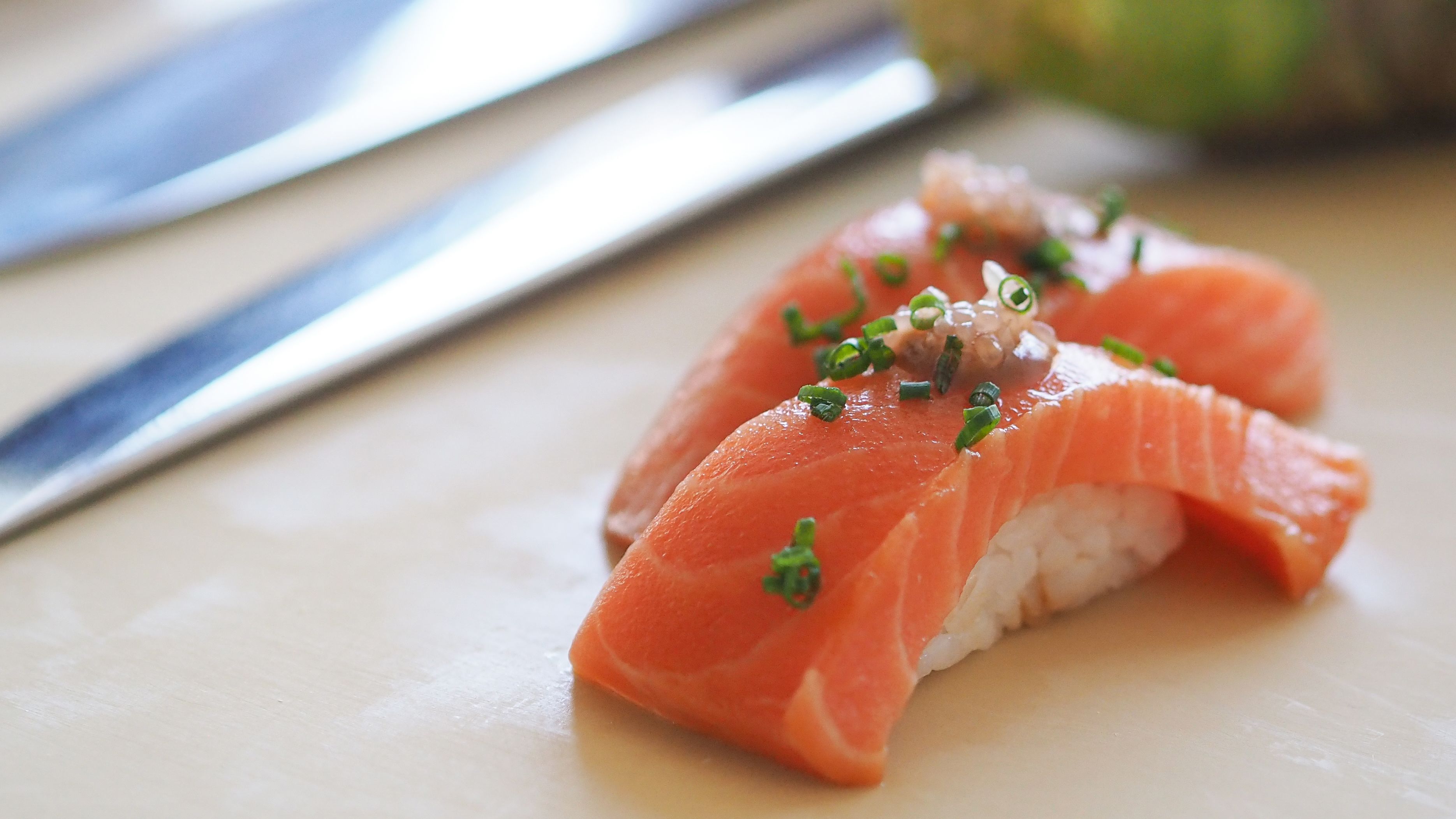
Experiment with different slicing techniques. For tuna, slicing against the grain will result in a more tender bite. For salmon, a slightly angled cut can create a more visually appealing presentation. Practice is key. Don't be discouraged if your first few attempts aren't perfect. It takes time to develop the muscle memory and finesse required to create beautiful, well-formed nigiri.
Common mistakes include using too much rice, compacting the rice too tightly, and not slicing the fish properly. Avoid these pitfalls by focusing on gentle handling, precise measurements, and careful technique. Remember, the goal is to showcase the quality of the ingredients, not to mask them with overly aggressive shaping or seasoning.
- Wet your hands with tezu (water and rice vinegar).
- Take 15-20 grams of sushi rice and form an oblong shape.
- Create a slight indentation in the rice.
- Apply a small amount of wasabi to the fish.
- Drape the fish over the rice and press gently.
Planning the menu order
Creating a true omakase experience isn’t just about making individual pieces of nigiri; it's about building a cohesive menu that tells a story. Traditionally, omakase follows a specific order, starting with lighter, white fish and progressing to richer, fattier cuts. This allows your palate to gradually adjust to the different flavors and textures.
A sample menu might include: 1) Hirame (flounder), 2) Suzuki (sea bream), 3) Sake (salmon), 4) Hamachi (yellowtail), 5) Chutoro (medium fatty tuna), 6) Ikura (salmon roe) gunkan maki, 7) Uni (sea urchin), and 8) Otoro (fatty tuna). Palate cleansers – small pieces of pickled ginger – should be offered between each piece to refresh the taste buds.
Chef Dahan, known for his in-home omakase experiences (chefdahan.com), emphasizes the importance of seasonality and sourcing. He tailors his menus to the freshest available ingredients, often incorporating unique and lesser-known fish. He also carefully considers the balance of flavors and textures, ensuring a harmonious and memorable dining experience.
Different types of soy sauce can also enhance the experience. Koikuchi is a darker, more robust soy sauce, while usukuchi is lighter and more delicate. Experiment with different varieties to find what complements your fish the best. Remember, the goal is to enhance, not overpower, the natural flavors of the ingredients.
Garnishes and presentation
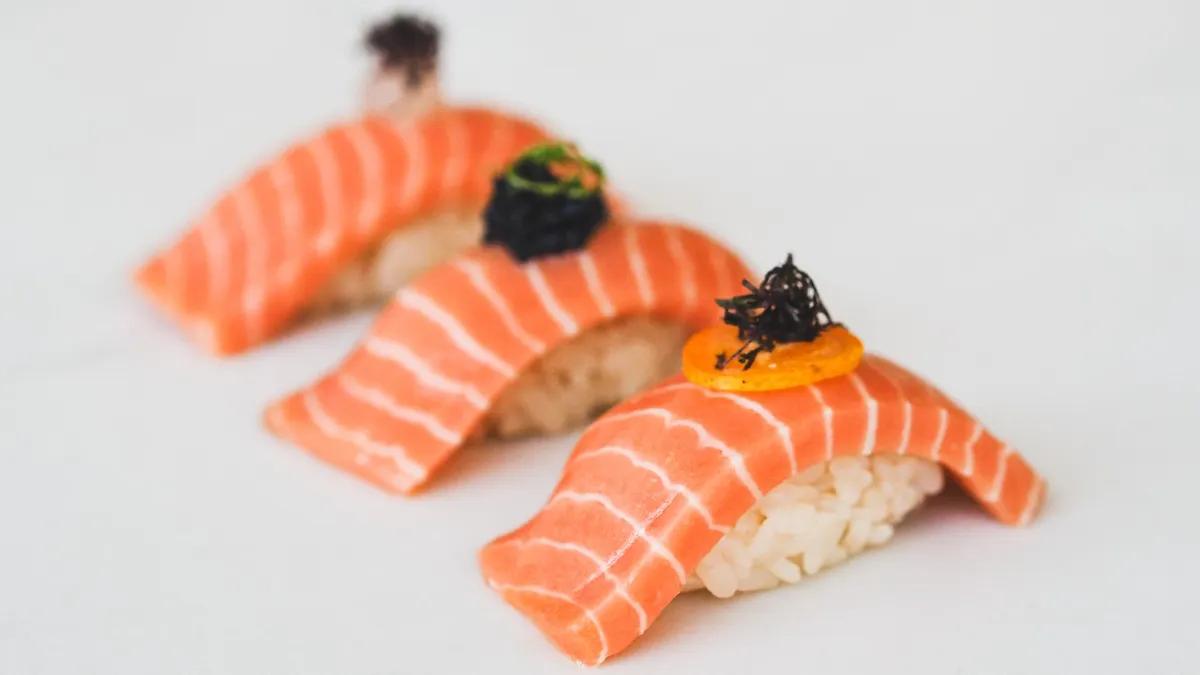
While the fish and rice are the stars of the show, garnishes and presentation can elevate the omakase experience to another level. A sprig of microgreens, a delicate edible flower, or a carefully placed daikon radish can add visual appeal and subtle flavor notes.
Presentation is key. Arrange the nigiri artfully on a plate, considering the colors and textures. Don't overcrowd the plate – less is often more. A simple, elegant presentation can be just as impactful as an elaborate one. The proper serving etiquette also matters – traditionally, omakase is eaten immediately after it’s served, and each piece is meant to be enjoyed in a single bite.
Sourcing high-quality garnishes is just as important as sourcing high-quality fish. Look for organic microgreens and edible flowers from reputable suppliers. Fresh daikon radish, thinly sliced, adds a crisp texture and subtle sweetness. A small mound of high-quality sea salt can also enhance the flavors of the fish.
Think about the overall aesthetic. A beautiful plate, combined with thoughtful garnishes, can transform a simple meal into a truly memorable experience. It's about showing respect for the ingredients and for your guests.
No comments yet. Be the first to share your thoughts!