

Cultured fish on the menu
Sushi has always depended on the ocean, but overfishing and habitat loss are making wild-caught fish a luxury the planet can't afford. Cultured seafood is the alternative. It is fish grown from animal cells in a lab, bypassing the need for nets or massive offshore farms. This technology is moving out of the lab and into production facilities right now.
The appeal is clear. Wild-caught fisheries are demonstrably strained, and even responsible aquaculture can contribute to pollution and disease. Cultured seafood promises a more sustainable alternative, reducing pressure on wild populations and minimizing environmental harm. It also offers potential benefits for food security, providing a consistent and reliable source of protein, independent of fluctuating ocean conditions.
Lab-grown seafood is moving fast. We expect to see sushi-grade fish in stores by 2026 as regulations catch up with the technology. This is how the market is changing and what you'll actually be able to buy.
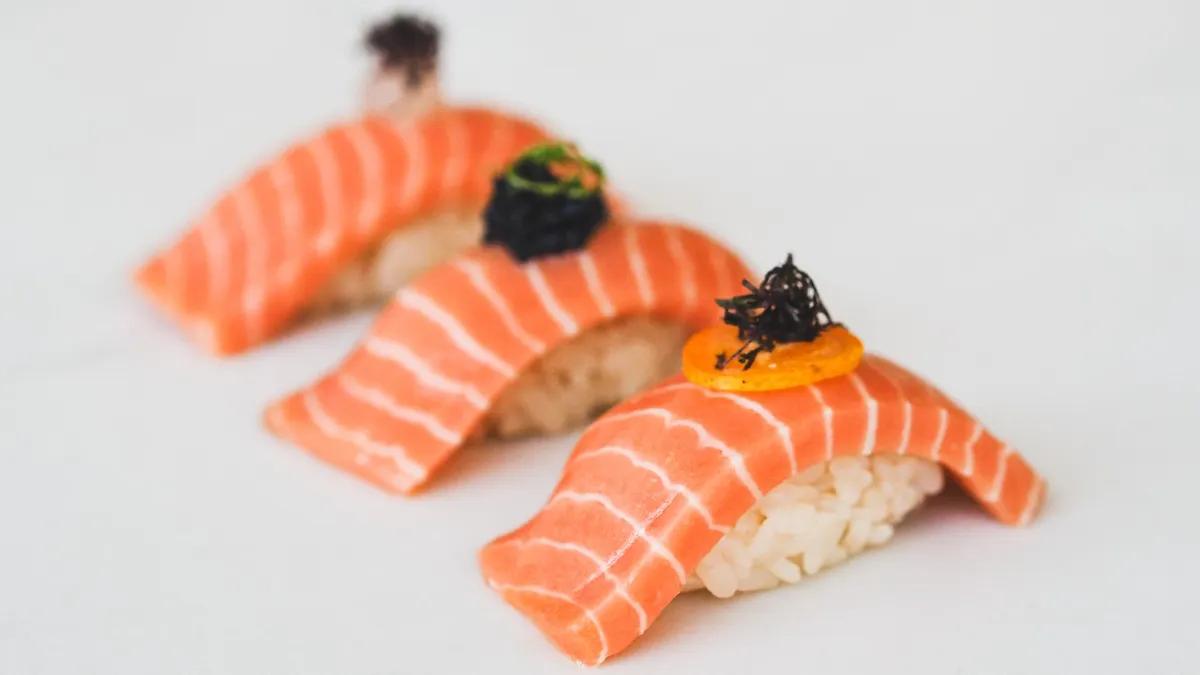
FDA safety and regulations
The Food and Drug Administration (FDA) plays a critical role in bringing cultured seafood to market. In March 2023, the FDA announced its conclusion that human food made with cultured animal cells is safe, paving the way for commercial production. This determination wasn’t a blanket approval for all cultured seafood products, but rather a confirmation that the agency doesn’t see inherent safety concerns with the technology itself.
The process for approval is multifaceted. Companies must demonstrate that their production process is safe and results in a product that is equivalent to conventionally produced seafood. This includes rigorous testing for contaminants, nutritional content, and potential allergens. The FDA’s guidance document outlines the data requirements for these evaluations, covering everything from cell line characterization to facility sanitation.
A key aspect of the FDA’s oversight involves consultation with the National Oceanic and Atmospheric Administration (NOAA). While the FDA regulates the safety of cultured seafood, NOAA is responsible for the labeling of seafood products. The specific details of this consultation are still evolving, and I’m not sure about the precise parameters being discussed. However, it’s understood to focus on ensuring clear and accurate labeling that informs consumers about the origin of their seafood.
Importantly, the FDA’s current stance covers the production process. Each individual product, and each company's specific process, still requires separate approval. This is why you won't see a flood of cultured seafood overnight – each company needs to navigate the FDA's approval pathway.
Wildtype and the first saku blocks
San Francisco-based Wildtype Foods is currently at the forefront of the cultured seafood revolution, specializing in salmon. They’ve achieved a significant milestone by producing what they call "Saku" – a Japanese term for a uniformly cut block of raw fish, ideal for slicing into sashimi. This isn't a minced fish substitute; it's intended to replicate the texture and flavor of traditional salmon fillets.
The process begins with a small sample of salmon cells. These cells are then grown in bioreactors – stainless steel vessels that provide a controlled environment for cell proliferation. Unlike traditional farming, these cells don’t require vast amounts of space or feed. Instead, they’re nourished with a nutrient-rich solution containing proteins, vitamins, and minerals. Think of it like brewing beer, but instead of yeast, you’re cultivating fish cells.
Wildtype emphasizes that their salmon is "pure,’ meaning it’s free from microplastics, heavy metals, and other contaminants often found in wild-caught and farmed fish. The company has been refining its process for nearly a decade, focusing on optimizing cell growth and achieving the desired texture and fat content. They"ve overcome challenges related to scaling up production and maintaining cell viability over extended periods.
Currently, Wildtype’s production capacity is still relatively limited. They're operating a pilot production facility in Redwood City, California, and are gradually increasing output. While exact figures aren’t publicly available, they’ve indicated they’re focused on scaling up to meet anticipated demand. This scaling process is one of the major hurdles for the entire industry – building enough bioreactor capacity to satisfy consumer appetite.
Cultured Seafood Species Comparison: Development & Market Outlook (as of late 2023)
| Species | Current Development Stage | Key Challenges | Potential Market Size | Estimated Timeline to Market |
|---|---|---|---|---|
| Salmon | Pilot Production (Wildtype Foods leading) | Scaling production to meet demand, achieving texture parity with wild-caught, regulatory approval for widespread sale. | Significant – High consumer acceptance and existing market demand for salmon. | Early Adopter Phase (2025-2027) – Limited restaurant availability, expanding to select retailers. |
| Bluefin Tuna | Research & Early Pilot Production | Complex cell structure makes cultivation more challenging, replicating fat content and flavor profile, addressing ethical concerns around endangered species. | Very High – Potential to alleviate pressure on wild populations, premium price point. | Mid-Term (2028-2030) – Requires substantial R&D breakthroughs. |
| Eel (Unagi) | Research & Development | Developing scalable cell lines, replicating unique texture and fatty acid profile, addressing cultural significance and traditional preparation methods. | Moderate – Niche market with strong cultural demand in specific regions (Japan, Korea). | Long-Term (2030+) – Significant scientific hurdles remain. |
| Shrimp | Research & Development | Cultivating multiple tissue types (muscle, shell), achieving desirable color and flavor, ensuring efficient growth rates. | High – Large global market for shrimp, potential to address sustainability concerns in aquaculture. | Mid-Term (2027-2032) – Dependent on overcoming biological complexities. |
| Yellowtail (Hamachi) | Early Research & Development | Replicating the distinctive flavor profile and fatty marbling, scaling production efficiently. | Moderate to High - Growing consumer interest in alternative sushi options. | Mid-Term (2028-2031) - Requires further research into cell line development. |
Qualitative comparison based on the article research brief. Confirm current product details in the official docs before making implementation choices.
No comments yet. Be the first to share your thoughts!