

Sushi's Seafood Problem
For decades, sushi has captivated diners with its delicate flavors and artful presentation. But beneath the surface of this culinary tradition lies a growing concern: the sustainability of our seafood supply. Overfishing has depleted many fish populations, threatening marine ecosystems and the livelihoods that depend on them. The practice often results in significant bycatch – the unintentional capture of non-target species like dolphins, sea turtles, and seabirds – further disrupting the delicate balance of ocean life.
Beyond the ecological impact, there are practical issues with sourcing sushi-grade fish. Demand consistently outpaces supply for certain species, like bluefin tuna, driving up prices and incentivizing illegal fishing. Labeling fraud is also a persistent problem; a 2016 report by the Monterey Bay Aquarium’s Seafood Watch program found that nearly one-third of the fish sold as tuna in the U.S. was mislabeled. This makes it difficult for consumers to make informed choices and support responsible fisheries.
The current system simply isn't working for everyone. We need a way to enjoy the sushi we love without contributing to the destruction of our oceans. That’s where a new approach is gaining momentum: lab-grown fish. It's not about replacing tradition overnight, but offering a viable, sustainable alternative for future generations.
Lab-grown fish, also known as cultivated seafood, promises to address these challenges. It’s a complex field, and still in its early stages, but the potential is enormous. It’s a solution that’s been gaining traction, and one we’ll explore in detail, looking at how it could reshape the sushi experience as we know it.
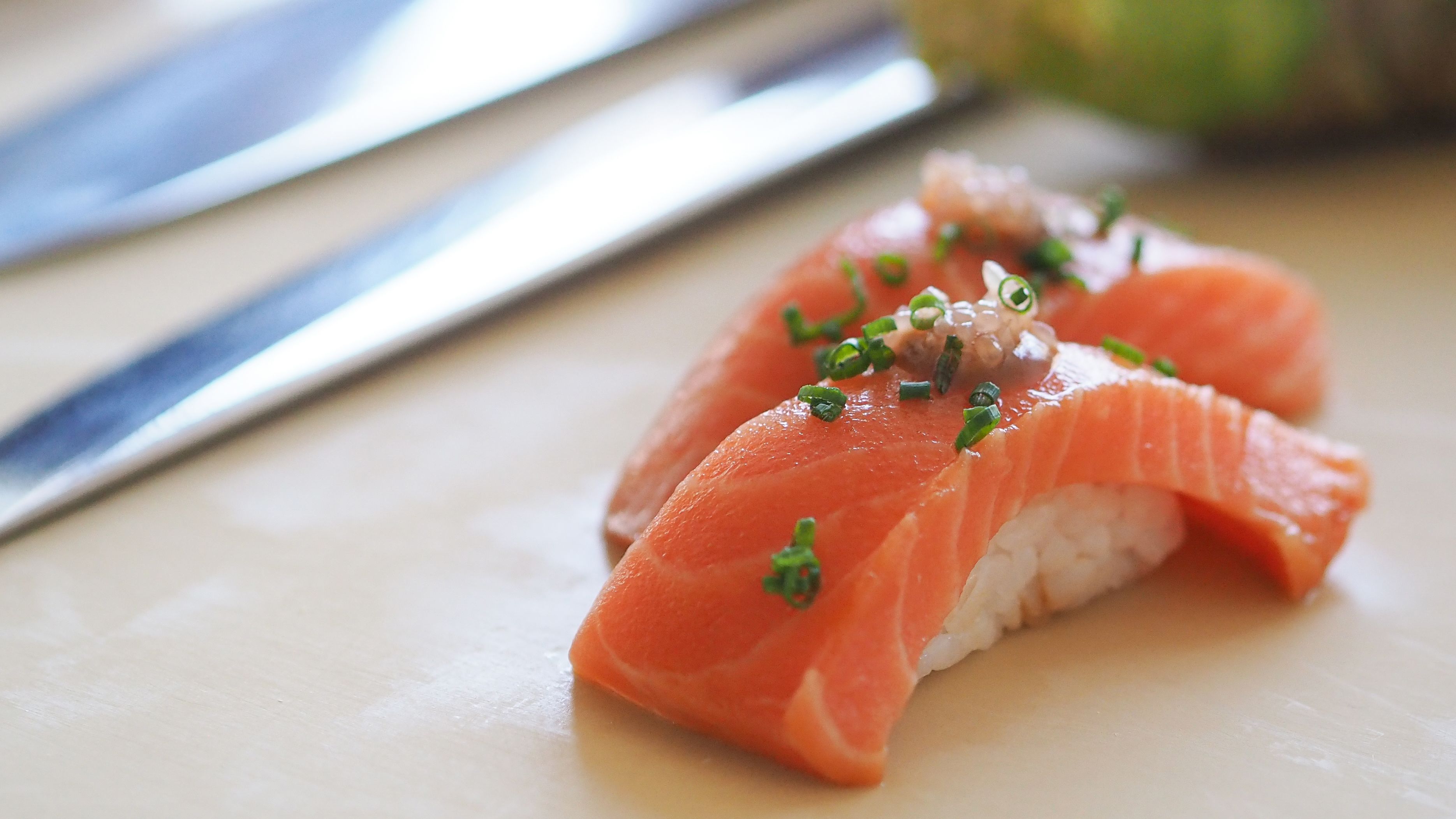
What *Is* Lab-Grown Sushi Fish?
Lab-grown, or cultivated, fish isn’t about creating a completely artificial product. It begins with a small sample of cells – a biopsy – taken from a fish. These cells, which could be muscle, fat, or connective tissue, possess the genetic blueprint for that particular species. This is the fundamental difference between cell-based seafood and plant-based alternatives, which rely on ingredients like konjac root or soy protein to mimic the texture and flavor of fish.
The process, known as cellular agriculture, involves placing these cells in a carefully controlled environment – a bioreactor – where they are provided with the nutrients they need to grow and multiply. The "growth medium" is a crucial component, providing essential amino acids, vitamins, and growth factors. Early growth mediums often relied on fetal bovine serum, which raised ethical concerns, but companies are now developing serum-free alternatives.
Think of it like brewing beer. Instead of growing an entire organism, you're cultivating specific cells to produce the desired tissue. Once enough cells have grown, they can be structured into fillets, steaks, or, in the case of sushi, the specific cuts needed for nigiri or sashimi. The goal is to replicate the taste and texture of traditionally harvested fish, but without the environmental damage.
Currently, several species are at the forefront of this technology. Tuna, prized for its use in sushi, is a major focus due to overfishing concerns. Salmon, another sushi staple, is also a high-priority target. Eel, often enjoyed as unagi, is proving more challenging due to its complex muscle structure, but research is ongoing. While many companies are working on finfish, there’s also interest in cultivating shellfish like scallops and shrimp.
- Cellular Agriculture: The process of growing animal cells directly, without the need for raising and slaughtering animals.
- Growth Medium: A nutrient-rich liquid that provides cells with the building blocks they need to grow and multiply.
- Bioreactor: A controlled environment used to cultivate cells on a large scale.
The 2026 Landscape: Companies Leading the Way
The lab-grown fish industry is rapidly evolving, with numerous companies vying to be the first to bring sustainable sushi-grade fish to market. While pinpointing exact timelines is difficult – regulatory hurdles and scaling challenges are significant – several players are making notable progress. By 2026, we can anticipate a more defined market, though widespread availability may still be limited.
Wildtype is perhaps the most well-known, focusing specifically on cultivated salmon. They’ve raised over $100 million in funding and have been actively working to refine their production process, aiming for cost parity with wild-caught salmon. Their approach emphasizes creating a product that mirrors the taste and texture of traditional salmon, appealing directly to sushi chefs and consumers.
Finless Foods, another prominent company, is targeting bluefin tuna. This is a particularly ambitious goal, given the tuna’s complex muscle structure and high market value. They’ve secured substantial funding and are collaborating with chefs to optimize the flavor and texture of their cultivated tuna. They've also focused on scaling production and reducing costs.
Shiok Meats, based in Singapore, is taking a different approach, focusing on cultivated crustaceans like shrimp and crab. While not directly aimed at traditional sushi, their products could eventually find their way into sushi rolls and other Japanese dishes. They’ve made significant strides in developing growth mediums suitable for shellfish cultivation.
Regulatory approval remains a major obstacle. In the U.S., the FDA and USDA share oversight responsibilities, and companies must demonstrate the safety and efficacy of their products before they can be sold to consumers. The process is rigorous and time-consuming, but it’s essential for building public trust.
- Wildtype: Focused on cultivated salmon; over $100 million in funding.
- Finless Foods: Targeting bluefin tuna; collaborating with chefs on flavor and texture.
- Shiok Meats: Developing cultivated crustaceans like shrimp and crab; based in Singapore.
Leading Lab-Grown Fish Companies - A Comparative Overview (as of late 2023/early 2024)
| Company Name | Fish Species Focus | Funding Level | Projected Availability | Key Technology |
|---|---|---|---|---|
| Wildtype | Salmon | Series B | Limited Restaurant Availability | Cellular Agriculture - Proprietary Bioreactor System |
| Finless Foods | Bluefin Tuna | Seed | Pilot Production | Cell-Based Aquaculture - Focus on Muscle Fiber Development |
| BlueNalu | Various (Yellowtail, Bluefin Tuna, etc.) | Series A | Later (Post-2026) | Comprehensive Cell Line Library & 3D Scaffolding |
| Shiok Meats | Various Seafood (Crab, Shrimp, Fish) | Seed | Later (Post-2026) | Cellular Agriculture - Emphasis on Crustacean Cultivation |
| Cultivated Seafood | Salmon | Seed | 2026 | Focus on scaling production using established cell lines |
| Oceanus | Grouper | Pre-Seed | Later (Post-2026) | Proprietary Media Formulation |
Qualitative comparison based on the article research brief. Confirm current product details in the official docs before making implementation choices.
Safety and Regulation: What You Need to Know
Consumer safety is paramount, and lab-grown fish is subject to rigorous testing and regulatory oversight. In the United States, both the Food and Drug Administration (FDA) and the United States Department of Agriculture (USDA) play a role in ensuring the safety of cultivated seafood. The FDA regulates the cell collection, cell banks, and growth medium, while the USDA oversees the production and labeling of the final product.
Companies must demonstrate that their products are free from contaminants, such as heavy metals and microplastics, which can be present in wild-caught fish. They also need to address potential allergens. Because lab-grown fish is produced in a controlled environment, manufacturers have greater control over these factors compared to traditional fishing. However, thorough testing is still crucial.
A key question is how lab-grown fish will be tested for safety when consumed raw, as is common in sushi. Standard food safety testing often focuses on cooked products. Companies are developing specialized testing protocols to ensure that lab-grown fish is safe for raw consumption, including analyzing for potential pathogens and toxins.
The regulatory landscape is still evolving, and there’s some uncertainty about the long-term requirements for lab-grown seafood. But the initial indications are that regulators are taking a cautious but supportive approach, recognizing the potential benefits of this technology.
- FDA Oversight: Regulates cell collection, cell banks, and growth medium.
- USDA Oversight: Oversees production and labeling of the final product.
- Rigorous Testing: Ensures products are free from contaminants and potential allergens.
Cost and Availability: When Can You Buy It?
Currently, the cost of producing lab-grown fish is significantly higher than that of traditionally harvested fish. This is due to the high cost of growth mediums, bioreactors, and the overall complexity of the process. Early estimates put the cost of a single fillet of lab-grown tuna at over $200. However, experts predict that costs will decrease dramatically as the technology scales.
By 2026, we can expect to see a reduction in production costs, but lab-grown fish is unlikely to be price-competitive with mass-market seafood. Initial availability will likely be limited to high-end sushi restaurants in major metropolitan areas. Direct-to-consumer sales are also a possibility, but logistical challenges related to freshness and quality control need to be addressed.
Maintaining freshness is a critical concern. Lab-grown fish still needs to be refrigerated and transported quickly to prevent spoilage. Companies are exploring innovative packaging and delivery solutions to ensure that their products arrive in optimal condition. Some are even considering on-site production facilities at restaurants to minimize transportation time.
Specialty grocery stores catering to environmentally conscious consumers are another potential early adopter. As production costs fall and regulatory hurdles are cleared, lab-grown fish could become more widely available, eventually reaching mainstream supermarkets. However, that is more likely to happen after 2026.
Sustainability Deep Dive
The primary driver behind lab-grown fish is sustainability. Traditional fishing and aquaculture both have significant environmental impacts. Overfishing depletes fish stocks, while aquaculture can contribute to habitat destruction, pollution, and the spread of disease. Lab-grown fish offers the potential to mitigate these problems.
Compared to traditional fishing, lab-grown fish requires significantly less land and water. It also eliminates the risk of bycatch and reduces the carbon footprint associated with fuel-intensive fishing vessels. However, it’s not without its own environmental impacts. The production of growth mediums, for example, requires energy and resources.
The waste products generated during cell cultivation also need to be carefully managed. Companies are exploring ways to recycle or repurpose these byproducts, such as using them as fertilizer or animal feed. The overall energy consumption of lab-grown fish production is another important consideration. Transitioning to renewable energy sources can further reduce its environmental impact.
A full lifecycle assessment is needed to accurately compare the environmental footprint of lab-grown fish to traditional seafood. This assessment should consider all stages of production, from cell sourcing to packaging and distribution. While lab-grown fish isn’t a perfect solution, it represents a significant step towards a more sustainable seafood system.
- Reduced Land Use: Requires significantly less land than traditional aquaculture.
- Water Conservation: Uses less water than both fishing and aquaculture.
- Eliminated Bycatch: Removes the risk of unintentionally capturing non-target species.
Taste and Texture: Will It Pass the Sushi Test?
Ultimately, the success of lab-grown fish will depend on its ability to satisfy consumers’ palates. Early taste tests have yielded promising results, with many participants reporting that lab-grown tuna and salmon are indistinguishable from their wild-caught counterparts. However, replicating the complex flavors and textures of different fish species remains a challenge.
The fat content and distribution are crucial factors in determining the texture and mouthfeel of fish. Researchers are working to control these parameters during the cell cultivation process. They are also experimenting with different scaffolding materials to create the desired muscle structure. The texture of lab-grown fish is often described as slightly softer than wild-caught, but improvements are being made.
Flavor is another complex aspect. The taste of fish is influenced by its diet, environment, and genetics. Companies are experimenting with different growth mediums and additives to replicate the nuanced flavors of different species. Some are even exploring the possibility of "flavor programming" – manipulating the cells to produce specific flavor compounds.
Several sushi chefs have sampled lab-grown fish and provided valuable feedback. Many have praised the texture and flavor, while others have noted subtle differences. The consensus is that lab-grown fish has the potential to become a viable ingredient in sushi, but further refinement is needed. Chef Mitsuru Tamura of Sushi Ginza Onodera in New York City has stated that Wildtype’s salmon “has the potential to be a game changer.”
Beyond 2026: The Future of Sushi
Looking ahead, lab-grown fish has the potential to fundamentally reshape the sushi industry and the broader seafood market. If production costs continue to fall, it could become a mainstream alternative to wild-caught fish, making high-quality sushi more accessible to a wider range of consumers. This could also alleviate pressure on wild fish populations, allowing them to recover.
It’s possible that we’ll see a decline in traditional fishing, particularly for species that are currently overfished. However, wild-caught fish is likely to remain a valued product, especially for consumers who prioritize provenance and authenticity. The two could coexist, with lab-grown fish filling the gap in supply and reducing the environmental impact.
Lab-grown fish could also unlock new culinary possibilities. Chefs could experiment with creating novel sushi combinations and flavors that are not possible with traditional ingredients. The ability to control the composition of fish tissue could lead to the development of entirely new seafood products.
Ethical considerations will continue to be debated. Some may question the morality of consuming lab-grown fish, while others may embrace it as a more sustainable and humane alternative. The future of sushi is uncertain, but lab-grown fish is poised to play a significant role in shaping it.
No comments yet. Be the first to share your thoughts!