

Start with sushi grade fish
Building a sushi palate begins with the raw material. The term "sushi grade" is a commercial label indicating the fish has been handled to be eaten raw. For your first attempts at rolling nigiri, you need fish that is clean, fresh, and safe. This means looking for fish that has been frozen to kill parasites, a standard practice for most seafood sold for raw consumption.
When you visit your supplier, ask specifically about the freezing history. Professional suppliers flash-freeze fish at extremely low temperatures to eliminate parasites like anisakis. If you are buying from a local market that does not guarantee this process, you must freeze the fish yourself. The FDA recommends freezing at -4°F (-20°C) or below for at least seven days to ensure safety. This step is non-negotiable for home cooks who cannot access professional-grade frozen inventory.
Quality also matters for your palate development. Look for fish that smells like the ocean, not fishy. The flesh should be firm, not mushy, and have a vibrant color. Avoid any fish with discoloration or drying around the edges. Your ability to taste the subtle differences between species starts with high-quality ingredients. If the fish is dull or old, no amount of rice seasoning will fix it.
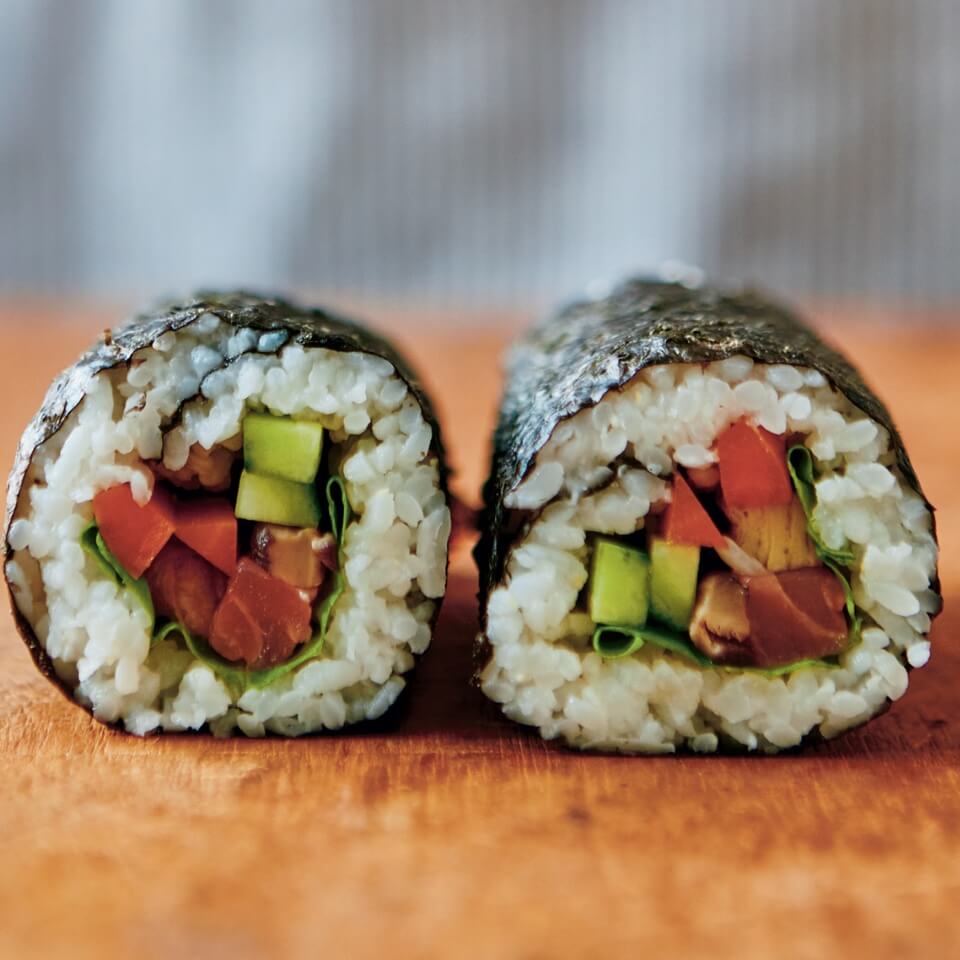
For a detailed breakdown of food safety standards, refer to the FDA Bad Bug Book. This resource explains the science behind freezing requirements and helps you understand why these steps are critical for your health.
Prepare the sushi rice correctly
The foundation of any sushi palate starts with the rice. Without properly seasoned and cooled shari, even the freshest fish will taste flat. The rice acts as a neutral canvas, its slight acidity and warmth balancing the umami of the toppings. If the rice is too hot, it will cook the fish; if it's too cold or sticky, it will fall apart in your hands.
Wash until the water runs clear
Start by placing your short-grain Japanese rice in a large bowl. Fill it with cold water and gently swirl the grains with your hand. The water will turn cloudy from excess starch. Drain and repeat this process three to four times. You are looking for water that runs nearly clear. This step prevents the rice from becoming a gummy paste, ensuring each grain remains distinct and holds its shape during rolling.
Cook with the right ratio
Use a 1:1.1 ratio of rice to water. For every cup of rice, add just over a cup of water. Rinse the rice thoroughly one last time before adding it to the cooker. A standard rice cooker works perfectly, but if you cook on a stovetop, bring to a boil, then reduce heat to low for 12 minutes. Do not lift the lid during cooking. Let it sit off the heat for 10 minutes after cooking to finish steaming.
Season while warm
Transfer the hot rice to a wide, non-metallic bowl. Mix sushi vinegar (su) into the rice using a cutting motion with a rice paddle. Do not mash or stir vigorously, which breaks the grains. Aim for a glossy sheen. The vinegar should coat every grain without pooling at the bottom.
Cool to body temperature
Spread the rice out in the bowl to cool it down quickly. Fan the rice while continuing to fold it gently. This cooling process dries the surface slightly, giving the rice the perfect tackiness for handling. The ideal temperature is close to body heat. Once cooled, cover with a damp cloth to prevent drying out. This prepared rice is now ready to form the base of your nigiri or rolls.
Roll nigiri with wet hands
Shaping nigiri is less about precision and more about tension and temperature. Your hands must remain cool and slightly moist to prevent the rice from sticking, while applying just enough pressure to hold the fish and rice together without crushing the grain.
Think of your hands as a mold that needs to be lubricated. If your hands are dry, the rice will cling to your skin, creating a messy surface and uneven density. If they are too wet, the rice becomes soggy and loses its structural integrity. The goal is a thin, invisible film of water that allows the rice to glide and settle.
Prepare the water and vinegar
Fill a small bowl with cold water and a splash of rice vinegar. The vinegar helps disinfect your hands and adds a subtle acidity that complements the rice. Dip your fingers in the mixture before touching the rice. This simple step ensures the first layer of rice adheres smoothly to the fish without tearing.
Shape the rice base
Take a small ball of rice, roughly the size of a golf ball, and gently press it into an oval shape in your palm. Do not squeeze tightly. You want the rice to hold its shape but remain airy. The interior should be loose enough to melt on the tongue, not packed like a meatball. This airy structure is critical for the "sushi palate" experience, allowing the flavor of the fish to emerge immediately upon contact.
Apply the fish
Place a slice of fish over the rice. Use your thumb to gently press the fish into the rice, ensuring full contact. Flip the nigiri over so the fish faces down, then use your other hand to lightly cup the rice base. Rotate the nigiri in your hands, applying gentle pressure to the sides to create a cohesive, slightly rounded rectangle. The fish should sit flush with the rice, not floating above it.
Final adjustment
Before placing the nigiri on the serving board, check the density. It should feel firm but not hard. If it falls apart, your hands were too dry or you pressed too hard initially. If it feels like a solid brick, you over-compacted it. A properly shaped nigiri will hold together when picked up but yield easily to the bite.
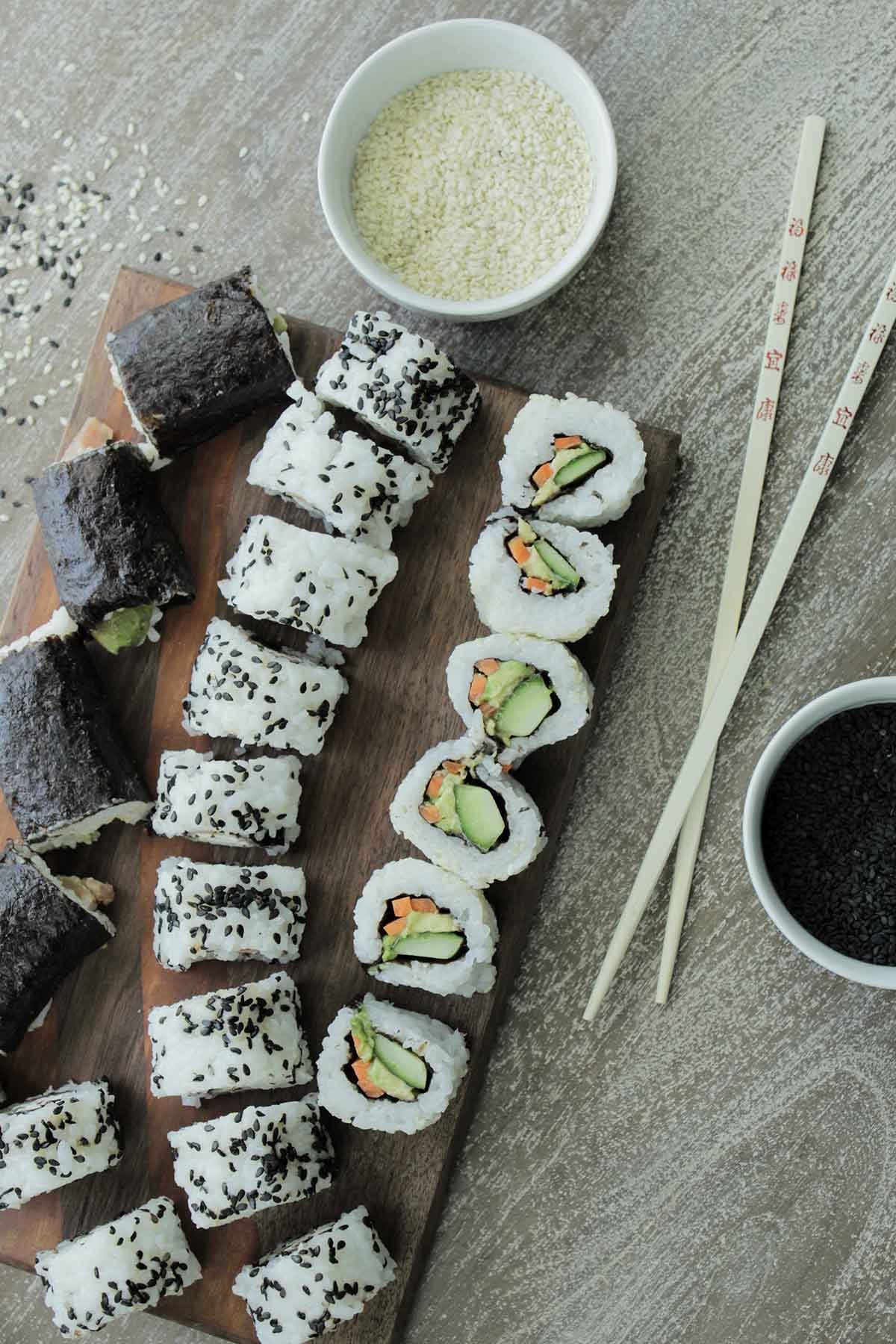
Dip fingers in cold water mixed with rice vinegar. Ensure a thin film covers your palms and fingers to prevent sticking.
Take a small rice ball and gently press it into an oval shape in your palm. Keep the interior airy; do not squeeze tightly.
Lay the fish slice over the rice. Use your thumb to press the fish into the rice, ensuring full contact without tearing the fish.
Flip the nigiri fish-side down. Cup the rice base with your other hand and rotate gently, applying light pressure to the sides to shape the oval.
Use ginger to reset your palate
Many beginners mistake gari (pickled ginger) for a garnish to place on top of the fish. It isn't. Gari serves a functional role: it is a palate cleanser designed to neutralize lingering flavors and aromas from the previous piece of sushi. Eating it between bites prepares your taste buds for the next distinct flavor profile, ensuring you experience each piece as intended.
After tasting the rich, fatty profile of a tuna belly, the lingering oil can mask the delicate sweetness of the next piece. A small slice of ginger scrubs that canvas clean. The mild acidity and sharp bite cut through the fat, resetting your sensitivity so you can detect the subtle nuances of the rice vinegar and the next fish.
How you eat it matters. Pick up a single slice with your chopsticks and eat it plain. Do not mix it into your soy sauce, and do not place it directly on the nigiri. The goal is a quick refresh, not a flavor addition. If you find the ginger too sharp, a tiny amount of wasabi on the ginger can help, but the primary purpose remains cleansing. This simple habit transforms how you build a sushi palate, allowing you to taste clarity rather than a muddled mix of previous flavors.
Check your rolling technique
Before you serve your nigiri, pause for a quick structural audit. A well-formed piece should hold its shape when picked up with chopsticks, offering a balance of rice and fish that feels cohesive rather than loose. Gently squeeze the sides of the nigiri. The rice should yield slightly but spring back, indicating the right moisture and compression. If it crumbles, your rice was too dry or you pressed too hard. If the fish slides off immediately, the rice surface was too wet or the fish slice was too large for the rice ball. A proper nigiri stays together through natural adhesion, not excessive force.
Place the piece on your palm. It should feel dense and unified. If it feels airy or light, you may have trapped too much air during the shaping process. Adjust your grip next time by cupping your hands more firmly around the rice and fish, ensuring they meld into a single, solid form.
-
Holds shape without crumbling when lifted
-
Rice yields slightly but springs back under gentle pressure
-
Fish stays attached to the rice without sliding off
-
Feels dense and unified in the palm
Recommended sushi tools
Building a sushi palate starts with the tools that let you control the rice and fish. You don’t need a professional kitchen, but you do need the right gear to handle the delicate balance of temperature and texture. The following items form the core of your setup, allowing you to roll nigiri and maki with precision.
Comparison of Essential Gear
| Tool | Best For | Material Note |
|---|---|---|
| Bamboo Makisu | Rolling maki and hosomaki | Traditional, easy to clean |
| Plastic Mat | Beginners learning technique | Often includes a plastic wrap for hygiene |
| Yanagiba Knife | Slicing fish for nigiri | Single-bevel edge for clean cuts |
| Shamoji | Mixing and cooling sushi rice | Wooden paddle prevents bruising grains |
Top-Rated Sushi Rolling Mats and Knives
Invest in a quality bamboo mat for your first rolls. It provides the necessary friction to hold the rice together without sticking. Pair it with a sharp knife—ideally a single-bevel Yanagiba if you plan to slice fish regularly. A dull knife will crush the rice and tear the fish, ruining the texture you’re trying to build.


As an Amazon Associate, we may earn from qualifying purchases.
Common sushi rolling: what to check next
Building a sushi palate starts with understanding how each element interacts with the rice and fish. When rolling nigiri at home, small technique choices dictate whether the final bite feels balanced or overwhelming.
What is a sushi palate cleanser called?
The traditional palate cleanser is called gari (pickled ginger). It neutralizes lingering flavors and aromas from the previous piece, preparing your mouth for the next bite. This reset is essential for maintaining a clear sushi palate throughout the meal.
Can I use regular rice vinegar for sushi rice?
Yes, but you must season it. Plain rice vinegar lacks the sweetness and saltiness needed to balance the fish. Mix rice vinegar with sugar and salt to create the su that defines authentic sushi rice texture and flavor.
Why does my nigiri fall apart?
Overworking the rice is the most common cause. Handle the rice gently with wet hands to keep the grains distinct. If the rice is too sticky or you press too hard, the structure collapses. Let the rice cool to room temperature before rolling to ensure it holds together.
No comments yet. Be the first to share your thoughts!