

What "sushi grade" actually means
The term "sushi grade" is a marketing label, not a federal regulation. The U.S. Food and Drug Administration (FDA) does not use this classification, nor do any other government agencies certify fish as safe for raw consumption. When you see this label on a package, it is a vendor's promise, not a legal guarantee.
The real safety standard for raw fish is parasite destruction. The FDA Food Code recommends freezing fish at -4°F (-20°C) or below for at least seven days, or at -31°F (-35°C) for 15 hours. This process kills parasites like anisakis that can cause illness in humans. Many reputable suppliers follow this guideline, but it is not mandatory for all seafood sold in stores.
When buying sushi grade fish for home sashimi, look for transparency about the freezing history. Ask your fishmonger when and how the fish was frozen. If they cannot confirm that the fish was flash-frozen to parasite-kill temperatures, it is safer to cook the fish thoroughly instead of eating it raw.
Choose a trusted online vendor
Finding reliable sushi-grade fish online requires looking past the marketing labels. The term "sushi-grade" is not a government inspection category; it is a vendor designation. You need a source that handles the cold chain with precision, from the ice bath to your doorstep. A trusted vendor treats raw fish like a perishable medical supply, not a standard grocery item.
Look for companies that flash-freeze their catch immediately after harvest. This process kills parasites and preserves the texture without the quality loss associated with older methods. Transparency is your best verification tool. Check if the vendor lists the specific fishing region, the species, and whether the fish was line-caught or pole-caught. Avoid vendors that only offer generic "wild-caught" descriptions without origin details.
Shipping speed is the final gatekeeper. If a vendor uses standard ground shipping for fresh sashimi, skip them. You need overnight or two-day delivery via insulated coolers with dry ice or high-quality gel packs. The fish should arrive cold to the core, not just on the surface.
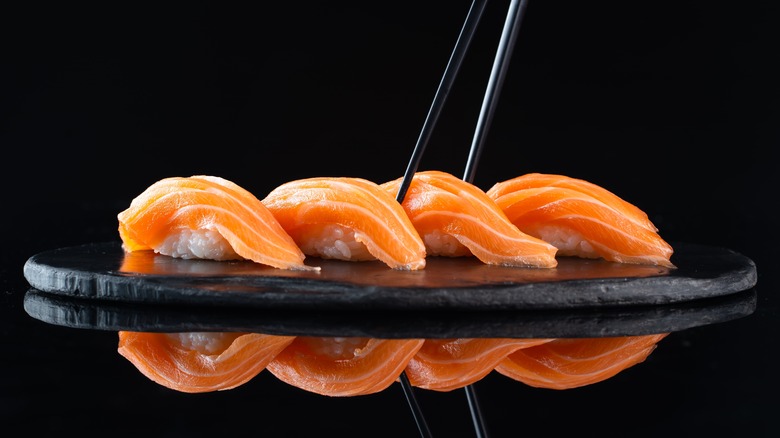
Comparing vendors helps you balance cost with safety standards. The table below outlines three reputable options that specialize in direct-to-consumer sashimi delivery.
| Vendor | Primary Origin | Shipping Method | Price Level |
|---|---|---|---|


As an Amazon Associate, we may earn from qualifying purchases.
Verify freshness before cooking
Sushi-grade fish is raw meat. The margin for error is zero, which means your inspection starts the moment the cooler arrives. You are looking for three specific signals: clear eyes (if whole), a clean ocean scent, and firm texture. If any of these are off, send the package back.
If you bought a whole fish, the eyes must be clear, bright, and slightly bulging. Cloudy, sunken, or gray eyes indicate age and bacterial breakdown. This is the oldest and most reliable test for whole fish freshness.
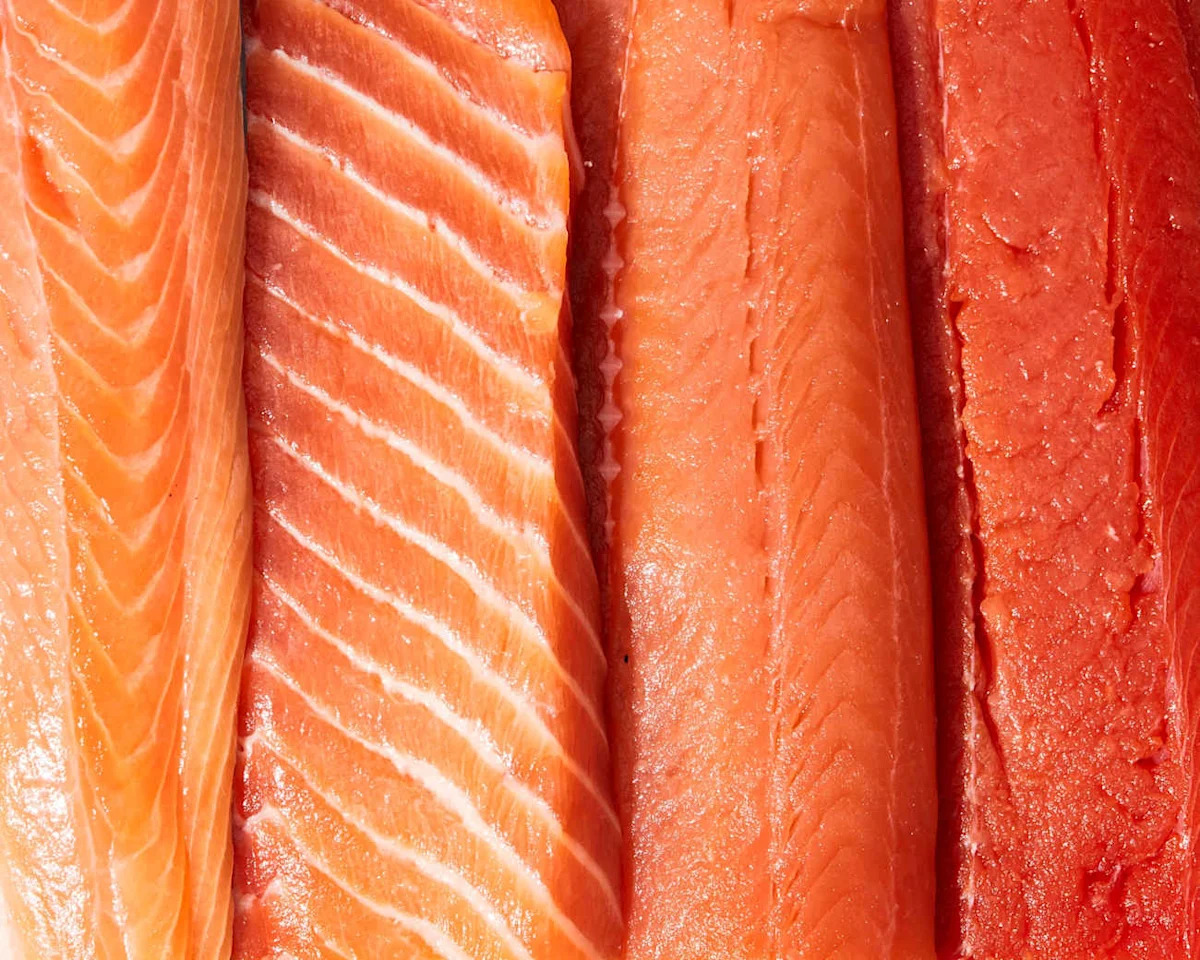
Fresh sushi-grade fish should smell like clean seawater or nothing at all. If you detect ammonia, sourness, or a strong "fishy" odor, the proteins are breaking down. This smell indicates spoilage that freezing cannot reverse. Do not cook fish that smells off.
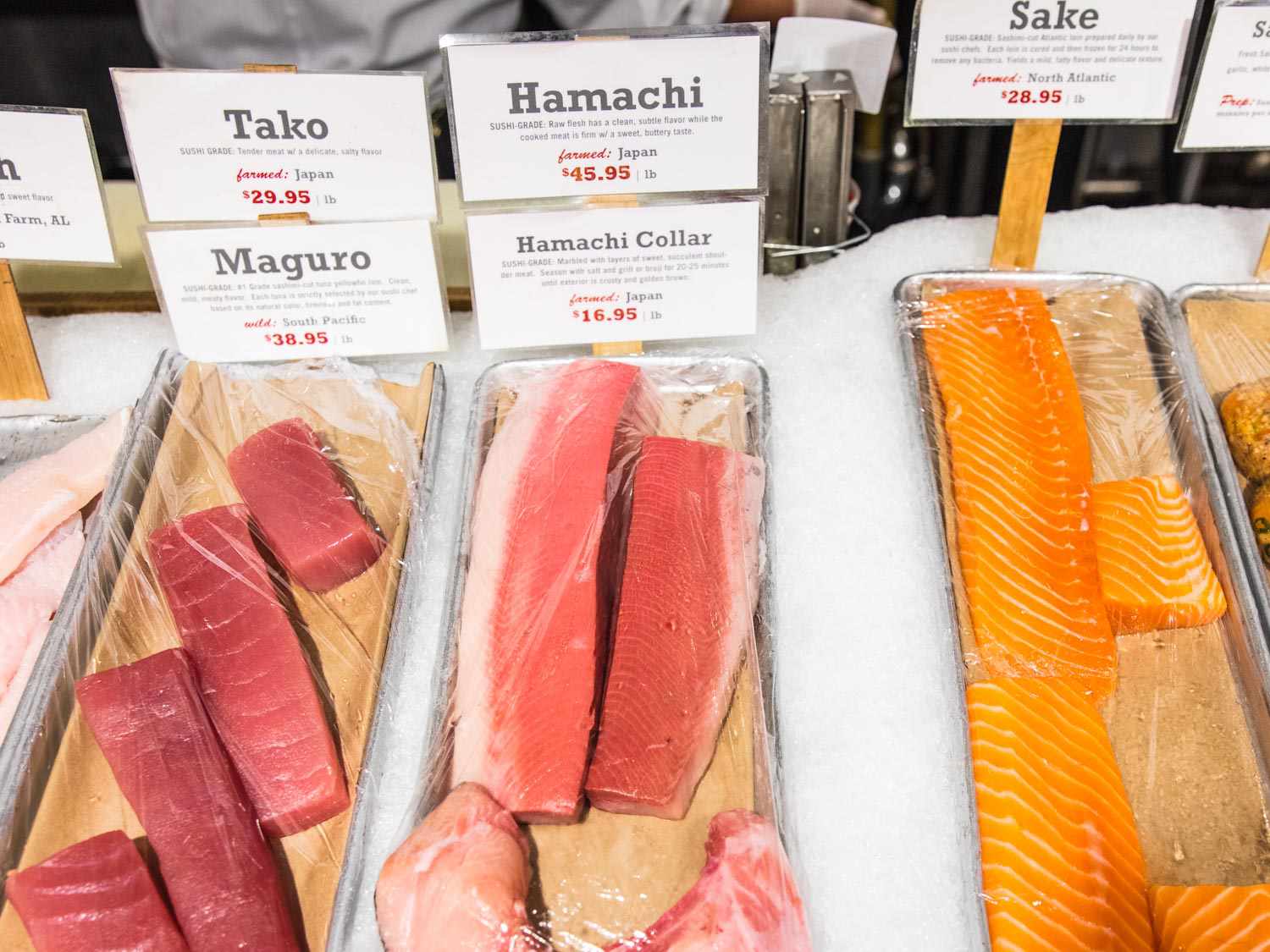
Gently press the flesh with a clean finger. It should feel firm and elastic, bouncing back immediately. If your finger leaves a dent or the flesh feels mushy, the structure has degraded. For fillets, the flesh should be translucent and shiny, not opaque or dried out.
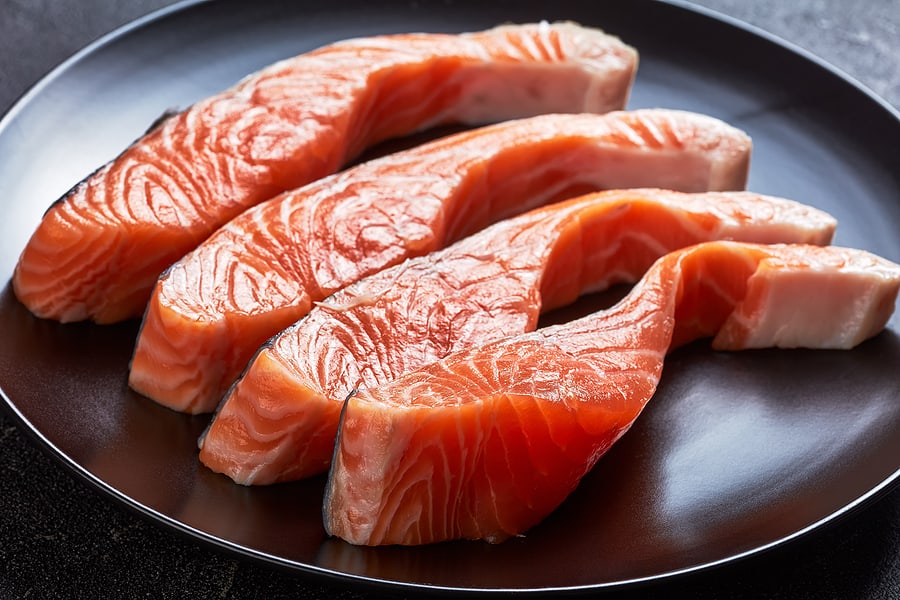
Check that the vacuum seal is tight and the ice pack is still solid. If the package is bloated, leaking, or the fish has been sitting in thawed water, the cold chain was broken. Bacteria thrive in these conditions, making the fish unsafe for raw consumption.
If the fish passes these checks, it is safe to prepare. If it fails any one of them, dispose of it or return it. There is no middle ground for raw fish safety.
Handle and store raw fish safely
Treating sushi grade fish like a raw meat product is the only way to keep it safe. The difference between a delicious meal and food poisoning comes down to temperature control and hygiene. Follow these steps to maintain safety from the moment you bring the fish home.
Transport sushi grade fish in an insulated cooler with ice packs immediately after purchase. The fish should never sit at room temperature for more than 30 minutes. Upon arriving home, place it directly in the coldest part of your refrigerator, ideally at or below 38°F (3°C). If you are not preparing it within 24 hours, freeze it immediately to halt bacterial growth.
Never thaw sushi grade fish on the counter or in warm water. Place the sealed package in the refrigerator overnight. If you need it faster, seal it in a plastic bag and submerge it in cold water, changing the water every 30 minutes. Once thawed, use the fish within 24 hours. Do not refreeze previously frozen sushi grade fish, as this degrades the texture and safety.
Use a separate cutting board and knife exclusively for raw fish. Never use the same board for vegetables or cooked meats. Wash your knives and cutting boards with hot, soapy water immediately after use. Sanitize your workspace with a mild bleach solution or vinegar before slicing to eliminate any cross-contamination risks.
Use a very sharp, wet blade to slice through the fish. A dull knife crushes the flesh, releasing juices that can harbor bacteria. Wet the blade between cuts to prevent sticking and ensure clean edges. Slice against the grain to create tender, bite-sized pieces that are easy to chew and digest.
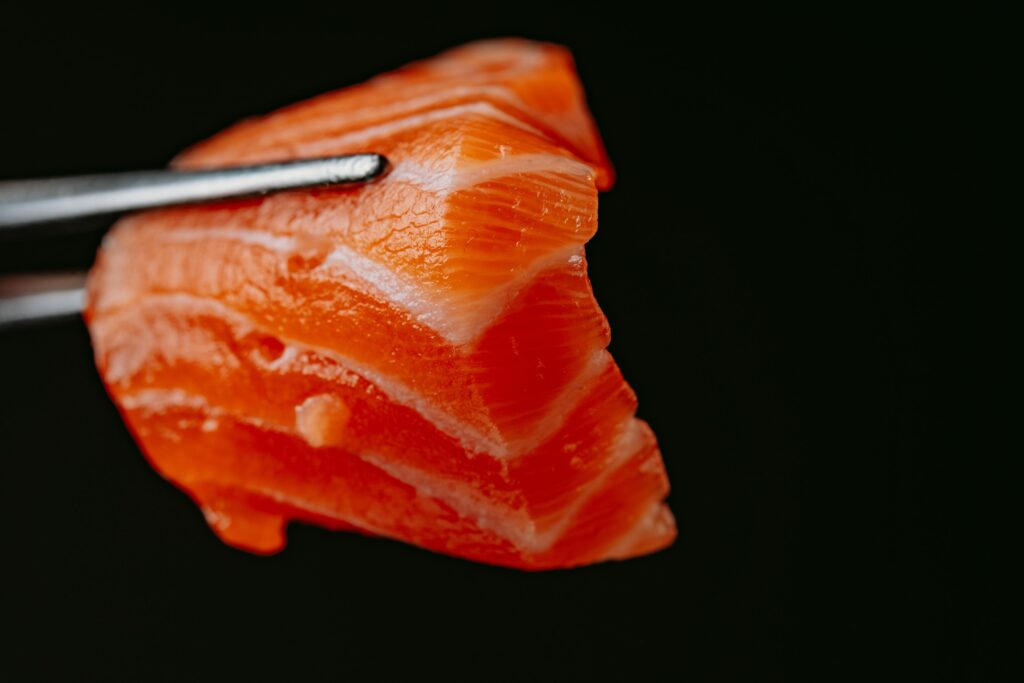
Prepare sushi grade fish just before serving. Once it reaches room temperature, bacteria can begin to multiply rapidly. If you have leftover sliced fish, discard it. Do not refrigerate and reuse raw fish slices, as the quality and safety degrade significantly after exposure to air and warmth.
Common questions about raw fish
Many home cooks assume "sushi-grade" is a regulated label, but it isn't. The FDA does not define this term, so it is largely a marketing label used by retailers to indicate fish that has been frozen to kill parasites. Because of this, you must verify safety through handling practices rather than relying on the sticker alone.
Can you buy sushi-grade fish at the grocery store?
Yes, but availability varies significantly by location and store size. Major chains like Whole Foods, Wegmans, and large Kroger or Safeway locations often carry sushi-grade salmon or tuna in their seafood counters. Smaller local grocers may not stock it at all. Look for fish labeled "sashimi-grade" or ask the fishmonger specifically if the fish has been flash-frozen to FDA standards.
Can grocery store fish be used for sushi?
Standard grocery store fish is rarely safe for raw consumption unless explicitly marked otherwise. Most fish sold for cooking is not frozen to the temperatures required to kill Anisakis parasites. If the package does not state it has been frozen at -4°F (-20°C) or below for at least seven days, cook it thoroughly instead. Never assume a "fresh" label means it is safe for sashimi.
Is Trader Joe's fish sushi-grade?
Trader Joe's sells fish labeled "Sashimi Grade," such as their Atlantic Salmon. However, safety depends on strict cold-chain management from the dock to your home. If the fish has been kept at proper temperatures, it is generally considered safe. If you are unsure about the handling history, or if the fish smells overly "fishy" or feels slimy, do not eat it raw.
Where can I buy sushi-grade fish?
Your best options are specialized sushi shops, Asian markets with high turnover, and high-end grocery stores with dedicated seafood counters. These vendors typically have direct relationships with suppliers who follow FDA freezing guidelines. Local fishermen who flash-freeze on the boat may also sell safe raw fish directly, but you must ask about their freezing protocols before purchasing.
No comments yet. Be the first to share your thoughts!