

Beyond the Net: What is Lab-Grown Sushi Fish?
The term "lab-grown fish’ can sound a bit unsettling, conjuring images of sterile environments and artificial creations. But it"s more accurately described as cultivated seafood, and it represents a fundamentally different approach to producing fish. Instead of raising fish in farms or catching them in the wild, cultivated seafood starts with a small sample of cells from a fish. These cells are then grown in a controlled environment, mimicking the conditions necessary for them to multiply and develop into edible muscle tissue.
It’s important to understand this isn’t the same as the plant-based "fish’ alternatives we"re seeing more of. Those products aim to resemble fish using ingredients like seaweed and vegetable proteins. Cultivated seafood is real fish, composed of the same proteins and nutrients, but produced without the need to raise and slaughter an animal. The process isn't new, though. Cultured meat has been in development for years, and the technology is now being successfully applied to seafood.
The initial drive behind this innovation is clear: sustainability. Overfishing has depleted many fish populations, and traditional aquaculture can have its own environmental drawbacks, like pollution and habitat destruction. Cultivated seafood promises to alleviate these pressures by providing a reliable, sustainable source of fish without impacting wild populations. It's a solution that addresses the increasing demand for seafood while trying to minimize the ecological cost.
Right now, it’s still early days, and cultivated seafood represents a small fraction of the overall fish supply. But the potential is enormous, and for sushi lovers, it opens up the possibility of enjoying their favorite dishes with a clearer conscience, knowing they aren’t contributing to the depletion of ocean ecosystems. It’s a complex topic, and there are legitimate questions to be asked, but the core idea is to produce the seafood we love in a more responsible way.
The Pioneers: Companies Leading the Cultivated Seafood Revolution
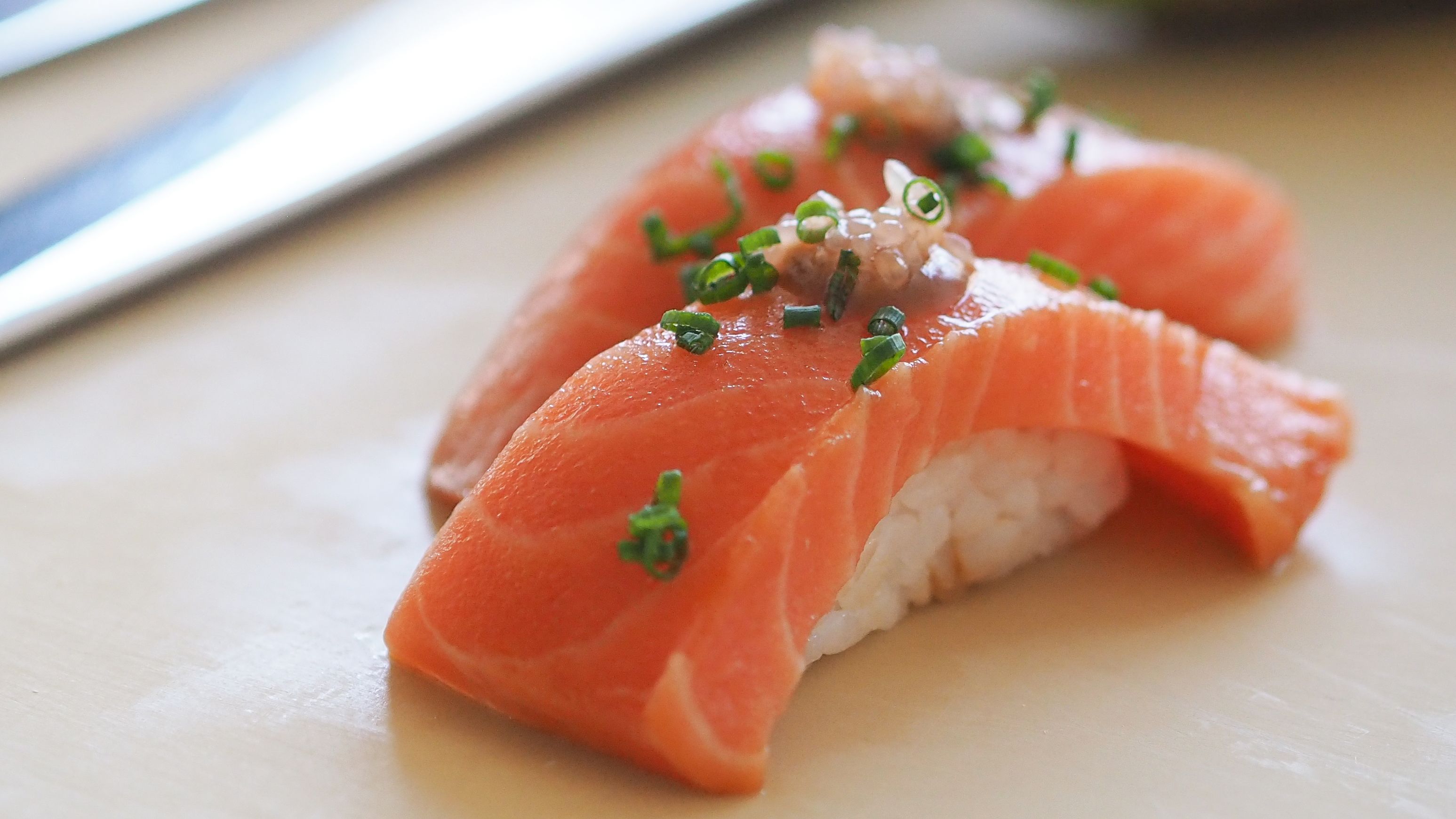
Wildtype is currently the most visible name in the cultivated salmon space. They’ve been working on this for nearly a decade, and in 2023, they achieved a significant milestone: their cultivated salmon received regulatory approval from the FDA. Their product, called Wildtype Salmon Saku – saku being the Japanese term for a block of raw fish – is designed to be sliced into sashimi. According to their website, it’s the culmination of years of research, aiming to deliver a pure and sustainable form of salmon.
Wildtype isn’t just focused on the science; they’re actively working to bring their product to market. As of late 2023, their salmon is available for sale in Portland, Oregon, marking the first time cell-cultured seafood has been commercially available in the United States. This is a huge step, but it’s just the beginning. The company is continuing to refine its process and scale up production.
Beyond Wildtype, several other companies are exploring cultivated seafood, though their focuses vary. Finless Foods is working on cultivated bluefin tuna, a species particularly vulnerable to overfishing. BlueNalu is also developing a range of cultivated seafood, including tuna, mahi-mahi, and yellowtail. While these companies might not be directly targeting the sushi market today, the advancements in their technologies could have a significant impact on the future of sushi ingredients.
It’s important to note that this field is rapidly evolving. New companies are emerging, and existing ones are constantly refining their processes. I'm wary of presenting any single company as the definitive leader, as the landscape could shift quickly. The key takeaway is that there’s a growing investment in cultivated seafood, and the technology is progressing at an impressive pace.
From Cell to Saku: The Journey of Cultivated Salmon for Your Sushi Plate
Future Foods Today
Watch on YouTube →Sushi-Grade Standards: Can Lab-Grown Fish Meet Them?
Defining "sushi-grade’ fish isn’t as simple as it sounds. It"s not an officially regulated term, but it generally refers to fish that is safe to consume raw. This requires meeting several critical criteria. Parasite control is paramount. Traditionally, this is achieved through freezing the fish at specific temperatures for a defined period, killing any potential parasites. Then there's freshness – the fish needs to be handled and processed quickly to prevent spoilage.
Beyond safety, texture and flavor are also crucial. Sushi chefs rely on the specific characteristics of different fish species to create the desired eating experience. The fat content, muscle fiber structure, and overall taste profile all contribute to the quality of the sushi. Finally, there’s the regulatory hurdle: the fish must meet all applicable food safety standards set by agencies like the FDA.
So, can lab-grown fish meet these standards? The parasite control aspect is perhaps the easiest to address. Because the fish are grown in a controlled environment, they are not exposed to parasites in the first place. This eliminates the need for freezing, which can sometimes affect the texture of the fish. However, ensuring consistent texture and flavor is a more significant challenge. Wildtype claims their salmon saku replicates the taste and texture of traditional salmon, but independent verification is still emerging.
The FDA approval of Wildtype’s salmon is a positive sign, indicating that the agency has determined the product is safe for human consumption. But ongoing monitoring and testing will be essential to ensure consistent quality and safety. There are still questions about the long-term effects of consuming cultivated seafood, and more research is needed. I'm not convinced that lab-grown fish automatically surpasses traditionally sourced fish in terms of quality; it simply offers a different pathway with its own set of challenges and opportunities.
Traditional Sushi Fish vs. Lab-Grown Sushi Fish: A Qualitative Comparison
| Characteristic | Traditional Sushi Fish | Lab-Grown Sushi Fish |
|---|---|---|
| Parasite Risk | Potential for parasites exists; requires careful sourcing, handling, and often freezing. | Significantly reduced risk due to controlled environment; potential for parasite-free production. |
| Freshness Control | Dependent on harvest, transport, and storage conditions; freshness degrades over time. | Greater control over freshness; can be produced closer to point of consumption, minimizing degradation. |
| Texture Consistency | Natural variations in texture due to fish biology and environmental factors. | Potential for highly consistent texture through controlled cell culture processes. |
| Flavor Profile | Complex flavor influenced by diet, environment, and species. | Flavor profile is still developing; currently aims to replicate traditional flavors, but may differ. |
| Regulatory Oversight | Subject to existing seafood safety regulations, varying by region. | Currently navigating evolving regulatory frameworks for cultivated seafood; approval processes are being established. |
| Environmental Impact | Can contribute to overfishing and habitat destruction; dependent on sustainable fishing practices. | Potentially lower environmental impact; reduced reliance on wild fish populations and associated ecosystem damage. |
| Traceability | Traceability can be complex, relying on supply chain documentation. | Enhanced traceability; full control over production process allows for detailed tracking. |
Qualitative comparison based on the article research brief. Confirm current product details in the official docs before making implementation choices.
Otoko's Bold Move: The First Restaurant to Serve Lab-Grown Salmon
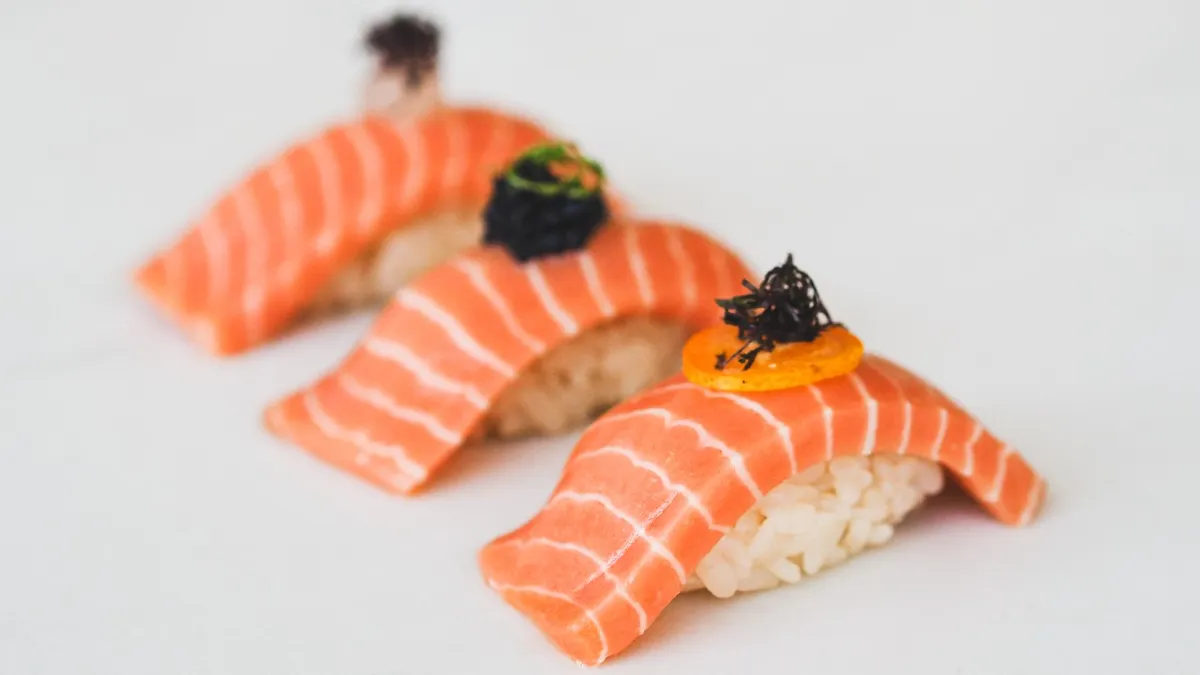
In February 2024, Austin’s highly regarded sushi restaurant, Otoko, made history by becoming the first in the US to serve Wildtype’s cultivated salmon. According to CultureMap Austin, the salmon was incorporated into a chirashi bowl, a type of sushi served over a bed of rice. Otoko is known for its omakase-style dining, where the chef selects and serves the dishes, so this was a deliberate choice to introduce a novel ingredient to their discerning clientele.
Reports indicate that the salmon was well-received, with diners praising its texture and flavor. Some described it as being similar to wild-caught salmon, while others noted a slightly cleaner, more delicate taste. The restaurant didn’t explicitly advertise the use of cultivated salmon, wanting customers to experience it without preconceived notions. This approach allowed for unbiased feedback and a genuine assessment of the product.
The move was met with both excitement and skepticism. Some lauded Otoko for embracing innovation and supporting sustainable seafood practices, while others expressed concerns about the safety and ethics of lab-grown fish. Regardless of the opinions, it sparked a conversation about the future of food and the role of technology in addressing environmental challenges.
Otoko’s experience is a crucial case study. It demonstrates that cultivated seafood can be successfully integrated into a high-end dining setting and that consumers are willing to try it. It's a small step, but it signals a potential shift in the way we think about and consume sushi. Finding more detailed reviews outside of the initial CultureMap piece is proving difficult, suggesting the experience remains relatively limited for now.
Can anyone recommend where to buy sushi grade fish? Been craving salmon sashimi
— Kirsty Wells (@KirstyW95) May 23, 2025
Sustainability and Cost: The Environmental and Economic Impact
The environmental benefits of cultivated seafood are potentially significant. Traditional fishing practices can lead to overfishing, bycatch (the unintentional capture of other marine species), and habitat destruction. Aquaculture, while offering a more controlled environment, can contribute to pollution from fish waste and the spread of diseases. Cultivated seafood, in theory, minimizes these impacts.
Compared to wild-caught fishing, cultivated seafood requires significantly less land and water. It also eliminates the need for boats, fuel, and extensive supply chains. Early life cycle assessments suggest that cultivated seafood could have a substantially lower carbon footprint than both wild-caught and farmed fish, though these assessments are still evolving and depend heavily on the energy source used to power the cultivation facilities. It's not a zero-impact solution, but it's a step in the right direction.
However, the cost of production remains a major hurdle. Currently, cultivated seafood is significantly more expensive than traditionally sourced fish. Wildtype’s salmon saku, for example, is priced at a premium. This is due to the high costs associated with cell culture, bioreactors, and other specialized equipment. Scaling up production and optimizing the process are essential to drive down costs.
Whether cultivated seafood can realistically compete with traditional sources on price is an open question. Some analysts predict that costs will decrease dramatically over the next decade as technology improves and production volumes increase. Others are more cautious, pointing to the inherent complexities of cell culture and the potential for unforeseen challenges. It’s unlikely to be a simple case of outcompeting existing methods on pure cost alone; consumer willingness to pay for sustainability will likely play a large role.
Lab-Grown Salmon (per pound) Price Prediction 2026
Bull / Base / Bear scenario analysis
| Timeframe | Bull Case | Base Case | Bear Case | Key Driver |
|---|---|---|---|---|
| 1 Month | $65-85 | $50-75 | $45-65 | Initial commercial launch momentum and early adopter demand |
| 3 Months | $55-75 | $45-65 | $40-55 | Production scaling efficiency gains and market penetration |
| 6 Months | $45-65 | $35-55 | $30-45 | Regulatory approvals expansion and manufacturing optimization |
| 1 Year | $35-50 | $25-40 | $20-35 | Economies of scale achievement and competitive market dynamics |
Price Prediction Summary
Lab-grown salmon prices are expected to decline significantly over the next year as production scales up and manufacturing costs decrease. While premium pricing will persist initially due to novelty and limited supply, competitive pressures and efficiency improvements should drive prices toward conventional salmon parity by late 2026.
Key Factors Affecting Lab-Grown Salmon (per pound) Stock Price
- Production scaling and bioreactor efficiency improvements
- Regulatory approval expansion in key markets
- Consumer acceptance and premium willingness to pay
- Competition from traditional aquaculture and other alternative proteins
Disclaimer: Predictions are speculative and not financial advice. Stock price predictions are based on current market analysis and may vary significantly due to market volatility, economic conditions, and other unpredictable factors. Always do your own research before making investment decisions.
The Future of Sushi: What Does This Mean for Connoisseurs?
The widespread adoption of lab-grown fish could fundamentally change the sushi industry. It could alleviate pressure on endangered species like bluefin tuna, allowing populations to recover. It could also provide a more consistent and reliable supply of high-quality fish, reducing the reliance on seasonal variations and geographic limitations. For sushi chefs, it could open up new possibilities for experimentation and creativity.
However, there are also potential drawbacks. Some worry that the loss of the "story" behind the fish – the origin, the journey from the ocean to the plate – could diminish the dining experience. The art of sushi is deeply rooted in tradition and respect for the ingredients, and some fear that cultivated seafood could disrupt this connection. Skilled chefs will need to adapt and learn how to work with these new ingredients.
I suspect we’ll see a tiered system emerge, with traditional sushi restaurants continuing to offer wild-caught and farmed fish alongside cultivated options. This would allow consumers to choose based on their preferences and values. It’s also possible that cultivated seafood will initially be adopted more readily in high-end restaurants, where diners are more willing to pay a premium for sustainable and innovative cuisine.
Ultimately, the future of sushi will depend on a complex interplay of factors, including technological advancements, regulatory approvals, consumer acceptance, and economic viability. It’s a period of uncertainty, but also of immense potential. The possibility of enjoying delicious, sustainable sushi for generations to come is a compelling vision, and cultivated seafood could be a key piece of that puzzle.
Content is being updated. Check back soon.
Where to Stay Informed: Resources for Tracking Cultivated Seafood
If you’re interested in learning more about cultivated seafood, here are a few resources to get you started. The Wildtype website (https://wildtypefoods.com/) provides detailed information about their salmon and their research. You can also find updates on their progress through their social media channels.
Finless Foods (https://www.finlessfoods.com/) is another key player in the field, focusing on cultivated tuna. BlueNalu (https://www.bluenalu.com/) offers a wider range of cultivated seafood options. The Food and Drug Administration (FDA) website (https://www.fda.gov/) provides information about the regulatory framework for cultivated seafood.
Staying abreast of news and industry publications is also crucial. Websites like Food and Wine and The Counter frequently cover developments in the cultivated meat and seafood space. Following relevant hashtags on social media can also provide valuable insights.
- Wildtype: https://wildtypefoods.com/
- Finless Foods: https://www.finlessfoods.com/
- BlueNalu: https://www.bluenalu.com/
- FDA: https://www.fda.gov/
Resources for Further Exploration
- Wildtype Foods - Explore the work of a leading cultivated seafood company focused on sushi-grade salmon. Visit Website
- FDA Seafood Regulations - Understand the current regulations governing seafood safety, which will apply to cultivated seafood as it enters the market. FDA Seafood Safety
- Good Food Institute - Cultivated Seafood - Learn about the broader landscape of cultivated seafood, including its potential benefits and challenges. GFI Cultivated Seafood Page
- Reuters - First Cell-Cultured Fish Approved for Sale in US - Stay informed about regulatory milestones, such as the FDA's approval of cultivated fish for human consumption. Reuters Article
- Associated Press - US regulators allow sale of lab-grown fish - Another reputable news source covering the FDA approval and the implications for the seafood industry. AP News Article
- National Fisheries Institute - Gain insight into the perspective of the traditional seafood industry regarding cultivated seafood. National Fisheries Institute Website
- Forbes - Lab-Grown Fish Is Finally Here, But It Won’t Save The Oceans Yet - An analysis of the current state and future potential of cultivated fish. Forbes Article
No comments yet. Be the first to share your thoughts!