

Train your sushi palate
A refined sushi palate isn’t just about enjoying the taste of raw fish; it’s about recognizing the delicate balance of acidity, fat, and texture that defines high-quality ingredients. When you roll sushi at home, you gain control over the variables that restaurants often smooth over. You decide the rice temperature, the tightness of the roll, and the ratio of fish to vinegar. This control allows for controlled experimentation with flavors and textures that a diner might skip or never notice in a bustling restaurant setting.
Building this sensitivity requires active tasting. Start by isolating individual fish flavors before adding complex sauces or heavy spices. Simple nigiri-style rolls are the best training ground because they let the ingredient speak for itself. Try comparing the buttery richness of yellowtail tuna against the lean, clean finish of big-eye tuna. Notice how the texture of masago adds a subtle pop that contrasts with the softness of the rice.
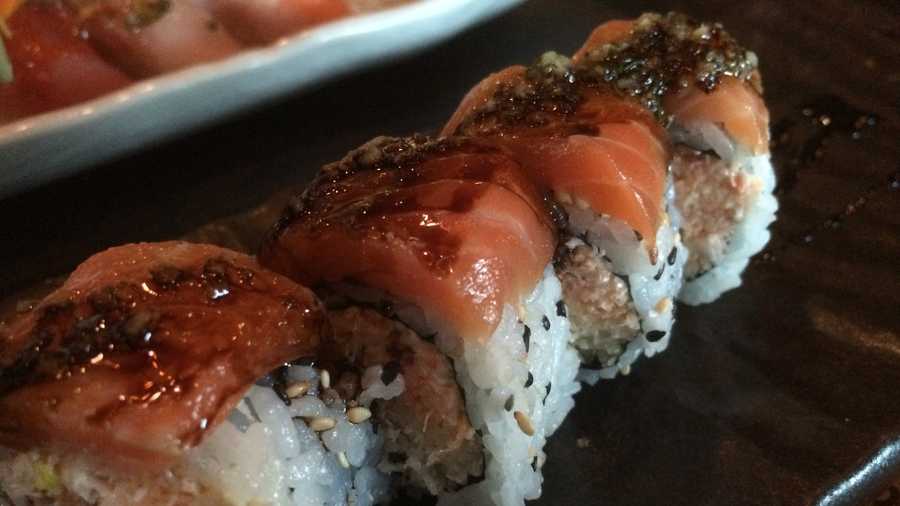
As you experiment, keep a mental (or physical) log of what works. Does the salmon need a touch more citrus? Is the red snapper too firm without a marinade? These small adjustments train your brain to recognize what you prefer. Over time, your sushi palate becomes sharper, allowing you to identify quality ingredients and understand why certain combinations succeed while others fall flat.
Pick the right sushi ingredients
Understanding the raw materials is the foundation of a trained sushi palate. Just as a wine taster learns to distinguish between a crisp Sauvignon Blanc and a bold Cabernet, you must learn to identify the distinct fat profiles, textures, and flavor intensities of different fish. High-quality, sushi-grade ingredients are not just about freshness; they are about variety. By rotating through different species, you train your tongue to detect subtle notes of sweetness, umami, and minerality.
Start by exploring the spectrum of fat content. Oily fish like salmon and mackerel offer rich, buttery textures that coat the mouth, while leaner fish like snapper or sea bass provide a clean, crisp finish. This contrast is essential for expanding your palate. For instance, after tasting the intense richness of Bluefin tuna, a piece of mild yellowtail tuna can taste surprisingly bright and refreshing. Understanding these differences allows you to sequence your tasting for maximum impact.
To help you navigate these choices, compare the common sushi fish by their primary characteristics. This table highlights the key differences in fat content, flavor intensity, and ideal pairings to guide your next sushi order.
| Fish | Fat Content | Flavor Profile | Best Pairing |
|---|---|---|---|
| Bluefin Tuna (Otoro) | Very High | Buttery, rich | Simple soy dip |
| Yellowtail (Hamachi) | Medium | Sweet, mild | Yuzu kosho |
| Salmon | Medium-High | Creamy, clean | Wasabi or soy |
| Red Snapper (Tai) | Low | Delicate, sweet | Light ponzu |
| Mackerel (Saba) | High | Sharp, fishy | Vinegar marinade |
When selecting ingredients, always prioritize sushi-grade quality. This means the fish has been frozen at extremely low temperatures to eliminate parasites, ensuring it is safe to eat raw. Look for clear eyes, bright red gills, and firm flesh that springs back when touched. These visual cues are your first line of defense against poor quality. By learning to spot these signs, you ensure that every piece you taste delivers the true, unadulterated flavor of the sea.
How to roll sushi properly
Rolling sushi is less about strength and more about rhythm. A well-constructed roll keeps the filling inside and the rice on the outside, allowing the flavors of the fish and vegetables to shine without falling apart. Think of the nori sheet as a canvas; if the paint (rice) is too thick or the ingredients are too heavy, the canvas tears.
The goal is a tight cylinder that holds its shape when sliced. This structural integrity ensures that every bite delivers the intended balance of textures and tastes, which is essential for building a refined sushi palate. When the roll is loose, the ingredients separate, and the experience becomes messy rather than refined.
Prepare your workspace
Place your bamboo rolling mat (makisu) on a flat surface. If you find the rice sticking to the bamboo, wrap the mat in plastic wrap first. Keep a bowl of water nearby to wet your fingers; this prevents the sticky sushi rice from adhering to your skin. Having your tools ready before you start ensures you can work quickly and efficiently.
Lay the nori and spread the rice
A nori sheet goes on the mat with the shiny side down. Spread a thin, even layer of sushi rice over the nori, leaving about an inch of space at the top edge. Press gently; you want the rice to cover the surface but not so thickly that the roll becomes a rice bomb. The thin layer allows the nori’s crunch and umami to complement the filling.
Add the fillings
Place your fillings in a horizontal line across the center of the rice. For a standard maki roll, keep the fillings simple—two or three types of fish or vegetables work best. Avoid overstuffing; too much filling will make it impossible to roll tightly and will cause the nori to burst. Precision here defines the elegance of the final piece.
Roll and shape
Lift the edge of the mat closest to you and roll it over the fillings, tucking the nori edge under the rice to seal it. Apply gentle, even pressure with your thumbs and fingers to shape the cylinder. Continue rolling until the bare strip of nori at the top adheres to the rice, sealing the roll completely. Use the mat to tighten the shape, ensuring it is firm but not crushed.
Slice and serve
Use a sharp, wet knife to slice the roll into six or eight pieces. Wetting the blade prevents the rice from sticking and tearing. Cut with a smooth sawing motion rather than pressing down. This clean cut reveals the cross-section of your roll, showcasing the alignment of ingredients that makes sushi visually appealing and texturally balanced.
Essential sushi ingredients checklist
Having the right foundation is key to building a sushi palate. Before you touch a knife, gather the core components that define the experience. You need short-grain Japanese rice, seasoned with rice vinegar, sugar, and salt to create the sticky texture essential for rolling. Pair this with high-quality nori sheets, which provide the structural backbone for your maki.
For the filling, start with fresh, sushi-grade fish like salmon or yellowtail tuna, or stick to vegetarian options like avocado and cucumber. Do not overlook the supporting cast: soy sauce for dipping, wasabi for heat, and gari (pickled ginger) to reset your palate between bites. A bamboo rolling mat and a sharp, wet knife are non-negotiable tools for clean cuts.
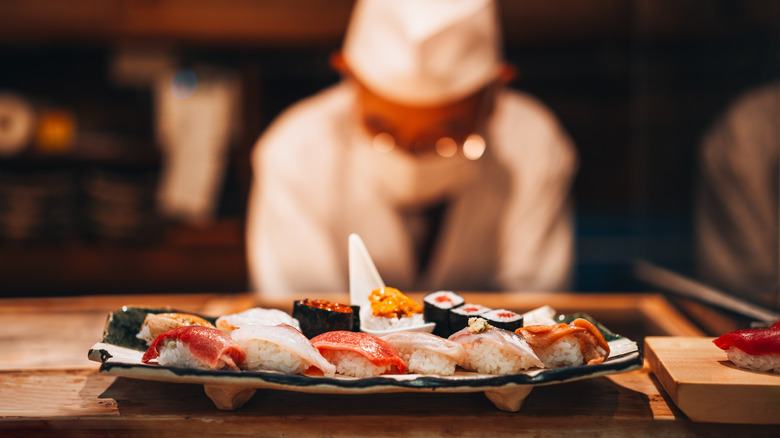
Build a Classic Crunchy Roll
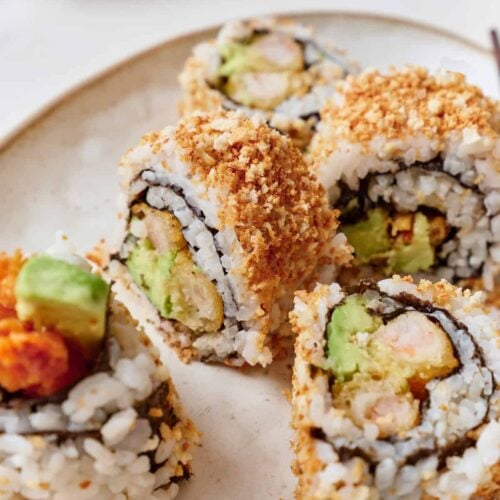
Understanding texture and balance is central to developing your sushi palate. A crunchy roll offers a perfect entry point, combining the softness of avocado with the snap of tempura flakes. This recipe focuses on the fundamentals of rolling and seasoning, ensuring every bite highlights the ingredients rather than masking them.
Before you begin, ensure your nori sheets are fresh and your rice is properly seasoned. The goal is not just to fill your stomach, but to train your tongue to appreciate the subtle differences in fish, rice, and vegetable profiles.
Tasting Your Creation
When you eat this roll, pay attention to the contrast between the creamy avocado and the crispy tempura. This is where your palate training begins. Notice how the saltiness of the soy sauce enhances the natural sweetness of the rice.
To truly reset your palate between bites, use the pickled ginger (gari). It acts as a neutralizer, clearing your taste buds so the next piece tastes as fresh as the first. This practice transforms a simple meal into a sensory exercise, helping you discern quality and flavor profiles in future sushi experiences.
What is a sushi palate cleanser called?
The item you are looking for is called gari (ガリ). Often referred to simply as "pickled ginger," these thin, pink slices of young ginger preserved in sweet vinegar sit on the edge of your plate not as a garnish, but as a functional tool for your palate.
Think of gari as a reset button for your taste buds. Sushi chefs design the meal as a progression of flavors, often starting with lighter white fish and moving toward richer, oilier options like salmon or tuna belly. Without a break, the heavy oils and distinct tastes of one piece can overwhelm the delicate nuances of the next.
Eating a small piece of gari between rolls neutralizes lingering aromas and cleanses the tongue. This ensures that every subsequent bite tastes as fresh and intended as the first. It is not meant to be placed on top of the sushi; instead, eat it separately to prepare your mouth for the next flavor profile.
No comments yet. Be the first to share your thoughts!