

What sushi grade fish actually means
The term "sushi grade" is a marketing label, not a legal or regulatory classification. No government agency, including the FDA, defines what "sushi grade" means. You will not find a certification stamp or a standardized definition on the packaging. This absence of regulation can be confusing for home cooks who assume the label guarantees safety.
Safety in raw fish comes from proper handling and freezing, not a badge on the box. The FDA Food Code recommends freezing fish at specific temperatures for set periods to destroy parasites. This process, known as parasite destruction, is the actual safeguard against illness. A supplier might use the term "sushi grade" to signal they follow these freezing protocols, but the term itself holds no weight in food safety law.
When buying fish for sushi, look for the freezing history rather than the marketing term. Ask your fishmonger if the fish has been flash-frozen to -4°F (-20°C) or lower for at least seven days. This is the standard practice for eliminating parasites in finfish intended for raw consumption. Trust the supplier's knowledge of their sourcing and freezing process over any generic label.
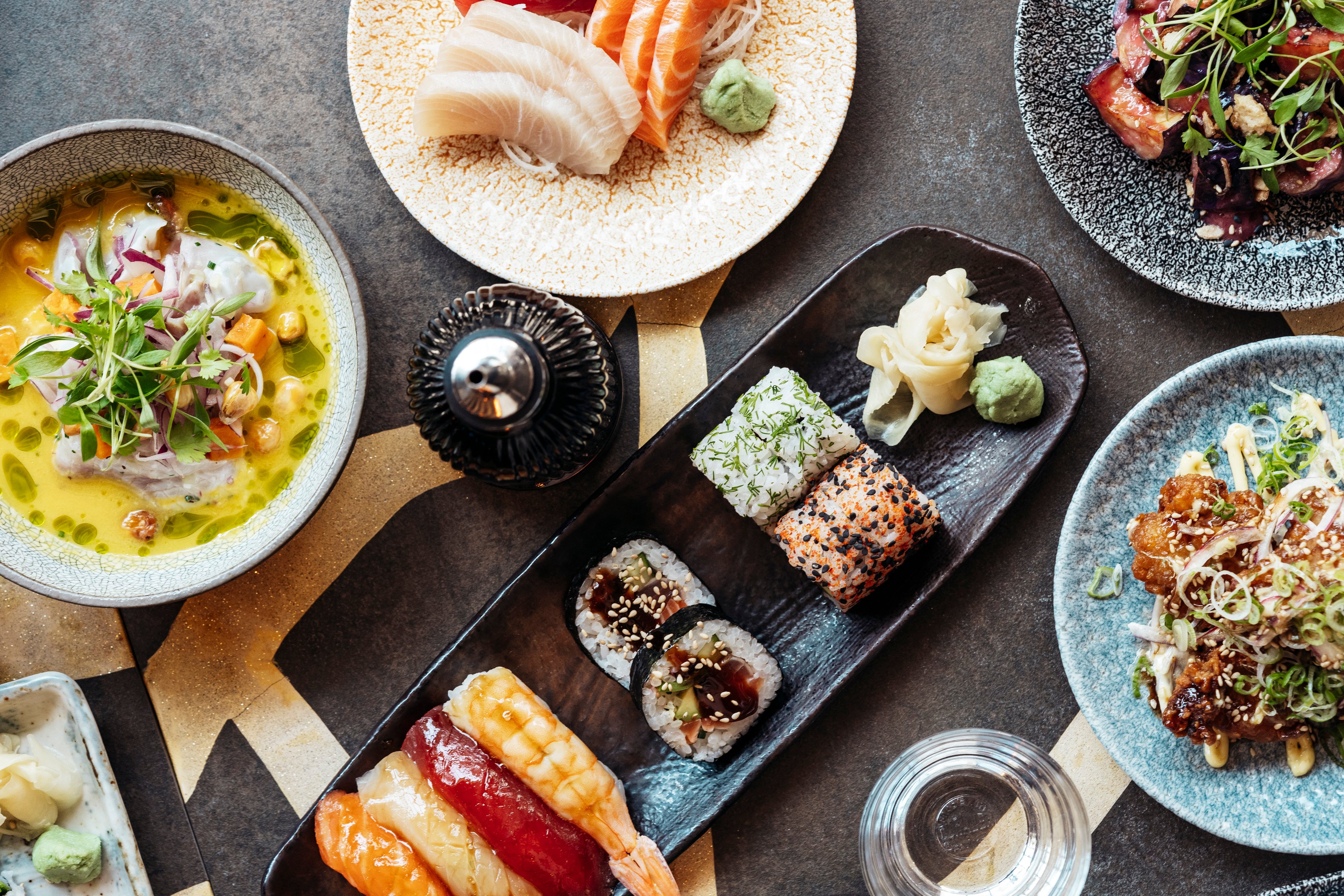
Where to buy sushi grade fish online
Purchasing raw fish for home preparation works best when the purchase path is explicit. Verify the source, compare the offer against real alternatives, check the total cost, and confirm what happens after payment before you decide.
After each comparison, write down the one risk that would change your mind. If the seller, condition, support, warranty, shipping, or upkeep still feels uncertain, resolve that question before moving to checkout.
Can you buy sushi grade fish at Costco
Buying raw fish at warehouse clubs like Costco works best when you understand their specific sourcing and turnover. Costco typically sources from reputable distributors who adhere to FDA parasite destruction guidelines. However, availability varies by region and season.
When shopping at Costco, look for clear labeling regarding freezing. While they may not use the term "sushi grade," their private label fish (often under the Kirkland Signature brand) is generally flash-frozen to meet safety standards. Always check the sell-by date and ensure the fish is stored at the correct temperature in the seafood case.
Can grocery store fish be used for sushi
Most standard grocery store fish is not safe for raw consumption unless explicitly labeled as safe for raw intake. Regular supermarket fish is typically frozen only to preserve freshness, not to kill parasites, which requires much lower temperatures for longer durations.
If you choose to buy from a grocery store, you must ask specifically if the fish has been flash-frozen to -4°F (-20°C) for at least seven days. If the staff cannot confirm this, do not consume it raw. It is safer to buy from a dedicated fishmonger or online retailer that specializes in raw-grade seafood.
-
Verify the sellerCheck reputation, included details, delivery terms, and return policy before treating the listing as credible.
-
Compare total costAdd shipping, accessories, maintenance, warranty, and likely replacement costs to the listed price.
-
Confirm fitMatch the option to the real use case before paying for features that will not matter.
Essential sushi ingredients checklist
Start by defining what a good purchase has to prove before you compare prices. Separate must-have requirements, seller credibility, condition, delivery timing, and return terms from nice extras that can wait.
Keep the first pass narrow. Shortlist a few credible sources, check the evidence behind each listing, and reject options that hide basic details. A cheaper offer is not useful if it leaves the most important risk unanswered.
No comments yet. Be the first to share your thoughts!