
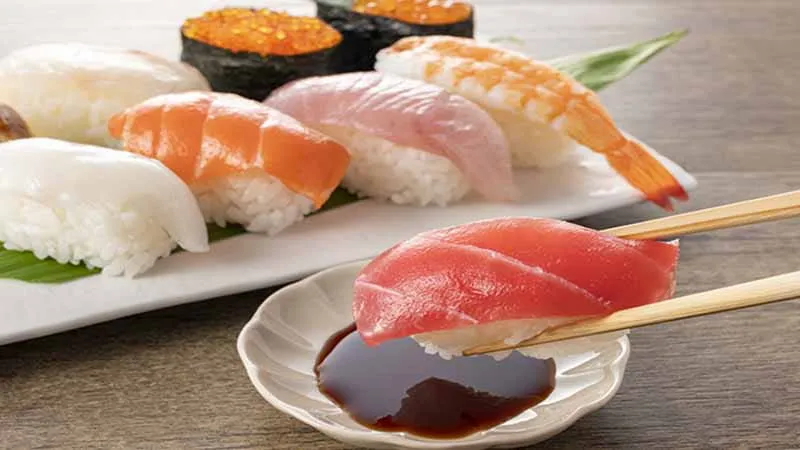

Choosing sustainable fish for your roll
Building a sustainable sushi palate starts with replacing overfished staples with abundant, ethical alternatives. The goal is to enjoy high-quality raw seafood without depleting ocean populations. By swapping traditional choices for responsible options, you protect marine ecosystems while discovering new flavors.
Compare common sushi fish vs. sustainable alternatives
| Fish Type | Sustainability Status | Flavor Profile | Best For |
|---|---|---|---|
| Bluefin Tuna | Overfished / Endangered | Rich, fatty, intense | Rare treats only |
| Atlantic Salmon | Farmed (Check certifications) | Mild, buttery | Beginners |
| Rainbow Trout | Farmed (Sustainable) | Clean, mild, firm | Everyday rolls |
| Lionfish | Invasive / Sustainable | Mild, sweet, flaky | Innovative rolls |
| Pacific Halibut | Wild-caught (Check stock) | Delicate, lean | Sashimi |
| Hamachi (Yellowtail) | Wild-caught (Check stock) | Buttery, rich | Traditional rolls |
Why swap the usual suspects?
Bluefin tuna is a luxury item that comes at a high environmental cost. Opting for farmed rainbow trout or invasive lionfish reduces pressure on wild stocks. Lionfish, in particular, help restore balance to coral reef ecosystems. Trout offers a clean, mild taste that mimics the texture of white fish without the ecological burden.
How to identify ethical choices
Look for certifications like MSC (Marine Stewardship Council) or ASC (Aquaculture Stewardship Council). Ask your sushi chef about the source of the fish. Many restaurants now highlight sustainable options on their menus. When in doubt, choose invasive species like lionfish or well-managed farmed fish like trout.
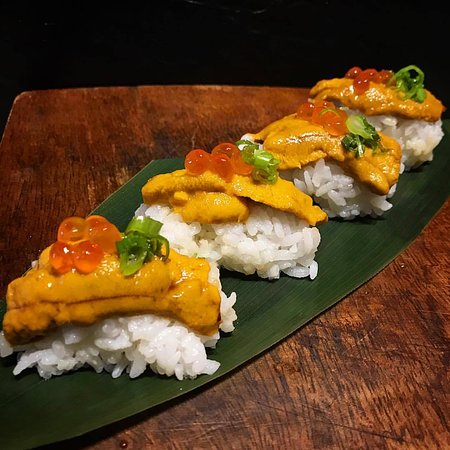
Preparing rice and nori for rolling
Building a sushi palate starts with the foundation: the rice and the wrapper. The rice provides the sweet, salty, and acidic balance that defines the dish, while the nori offers a contrasting crunch and oceanic depth. Getting these two elements right ensures every roll highlights the sustainable fish rather than masking it.
Seasoning and cooling the rice
The goal is shari (sushi rice) that is glossy, sticky enough to hold shape, and seasoned precisely. Mix short-grain Japanese rice with a blend of rice vinegar, sugar, and salt while it is still warm. Use a wooden hangiri bowl to fold the mixture gently, avoiding mushiness. Fan the rice to give it a shiny finish and cool it to body temperature. This warmth is critical; cold rice hardens and breaks the roll, while hot rice wilts the nori.
Preparing the nori sheets
Nori is dried seaweed that acts as the structural skeleton of your roll. Keep sheets flat and dry until the moment you roll, as humidity makes them limp and chewy. If the nori feels slightly damp, toast it briefly over a low flame or in a dry pan until it crisps. This step intensifies the umami flavor and ensures the nori stays brittle against the soft rice.
Assembling the base
Place a sheet of nori shiny-side down on a bamboo makisu mat. Wet your hands to prevent sticking, then spread a thin, even layer of rice over the nori, leaving a one-inch border at the top. Press gently to adhere the grains without crushing them. This base creates the canvas for your sustainable fish, allowing the flavors to shine through each bite.
How to Roll a Clean Sushi Roll
Building a sushi palate starts with the mechanics of the roll. A well-constructed maki or uramaki relies on precise tension and strategic ingredient placement. If the roll is too loose, it falls apart; if it is too tight, the rice cracks and the fillings burst out. The goal is a cylinder that holds its shape when sliced, allowing the sustainable fish and vegetables to shine without distraction.
1. Prepare the Bamboo Mat
Place your makisu (bamboo rolling mat) on a clean, flat surface. If you are making uramaki (inside-out rolls), wrap the mat tightly in plastic wrap to prevent rice from sticking to the bamboo slats. This barrier ensures a smooth release and keeps the mat easy to clean. For traditional maki, you can leave the mat bare, as the nori side faces down and won't stick.
2. Layer the Nori and Rice
Place a sheet of nori shiny-side down on the mat. Wet your hands with tezu (vinegar water) to prevent sticking. Spread a thin, even layer of sushi rice over the nori, leaving a one-inch strip of bare nori at the top edge. This empty strip acts as the seal, allowing the roll to close securely without glue or extra rice. For uramaki, spread the rice on the nori first, then flip the sheet so the rice faces down on the plastic-wrapped mat.
3. Place Sustainable Fillings
Lay your fillings horizontally across the center of the rice. Keep the line narrow—about one inch wide—to ensure the roll isn't overstuffed. Common choices include thin strips of cucumber, avocado, or sustainable fish like line-caught albacore or responsibly farmed salmon. Overcrowding the center makes it difficult to roll tightly and can cause the nori to tear. Consistency in strip size helps each bite feel balanced.
4. Roll with Tension
Lift the edge of the mat closest to you, using your thumbs to hold the fillings in place. Tuck the nori over the fillings and press gently to form a tight cylinder. As you continue rolling, apply even pressure along the length of the roll. The final tuck over the bare nori strip should seal the roll. Avoid squeezing so hard that the rice is pushed out the sides; you want structure, not compression.
5. Shape and Slice
Once rolled, use the mat to gently shape the cylinder into a uniform hexagon or circle. Press lightly along the sides to remove any air pockets. Use a sharp, wet knife to slice the roll. Cut the roll in half first, then cut each half into three or eight pieces, wiping the knife between cuts. A clean cut reveals the beautiful cross-section of your sustainable ingredients, completing the visual and palate experience.
Roll sustainable sushi at home
Building a sushi palate starts with the ingredients you choose. This recipe uses line-caught albacore tuna and responsibly farmed salmon, ensuring your meal supports healthy oceans without sacrificing flavor. The process is straightforward: prepare the rice, slice the fish, and roll.
Pairing and plating
How you eat sushi is just as important as how you make it. Pickled ginger isn't just a garnish; it acts as a palate cleanser between rolls, resetting your taste buds for the next bite. This allows you to appreciate the distinct flavors of each sustainable fish variety without them blending into a single taste.
Essential Tools and Prep Checklist
Building a sushi palate starts with the right setup. You don't need a professional kitchen, but you do need specific tools to handle the rice and fish with precision. Having everything within arm's reach prevents frantic searching while your hands are wet or sticky.
The foundation of any sushi roll is the bamboo mat. It provides the structure needed to tighten the nori and rice without crushing the ingredients. Pair this with a sharp, non-serrated knife to slice through the roll cleanly. Dull knives slip and tear the delicate fish, ruining the presentation and texture.
Before you begin, rinse your sushi rice until the water runs clear. This removes excess starch, ensuring the grains remain distinct rather than gummy. Keep a bowl of vinegared water nearby to wet your hands; this prevents the rice from sticking to your skin as you shape the rolls.
-
Bamboo rolling mat (makisu)
-
Sharp chef's knife or yanagiba
-
Rice cooker or heavy-bottomed pot
-
Sharp rice paddle (shamoji)
-
Small bowl of vinegared water
-
Damp kitchen towel for wiping knife
Common questions about sushi etiquette
Building a sushi palate is less about strict rules and more about understanding how each component interacts with your taste buds. Knowing the purpose of garnishes and plate composition helps you appreciate the balance of flavors, especially when focusing on sustainable seafood.
No comments yet. Be the first to share your thoughts!