

What is nigiri sushi?
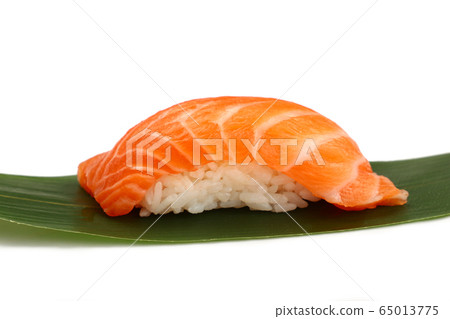
Nigiri is a specific style of hand-pressed sushi that serves as the foundation for understanding the cuisine. While "sushi" broadly refers to vinegared rice, nigiri elevates this base into a distinct dish by combining a small, oval-shaped mound of seasoned rice with a slice of topping, typically raw fish. The word itself translates to "hand-pressed," highlighting the manual technique required to bind the two elements together without using a bamboo mat.
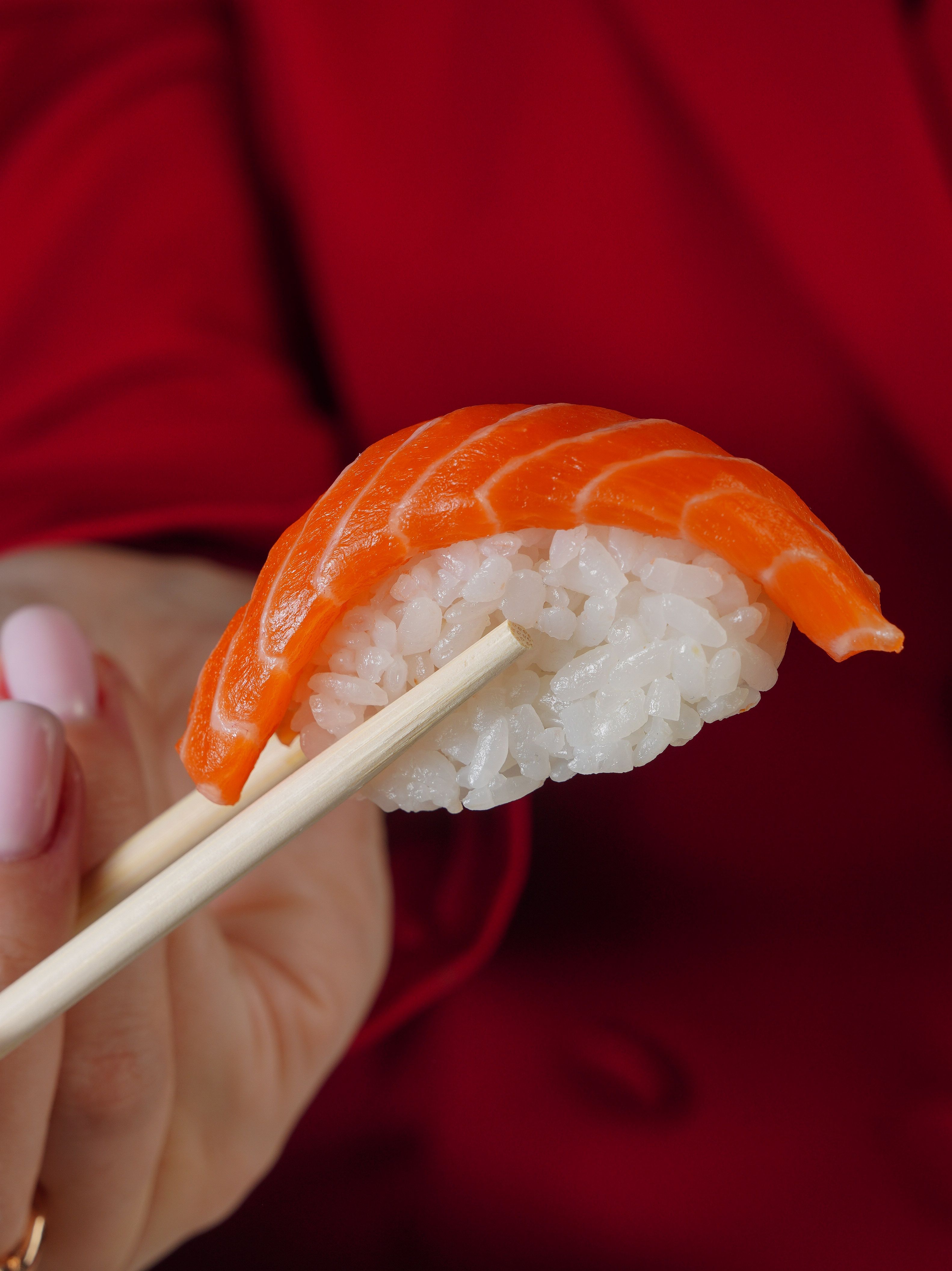
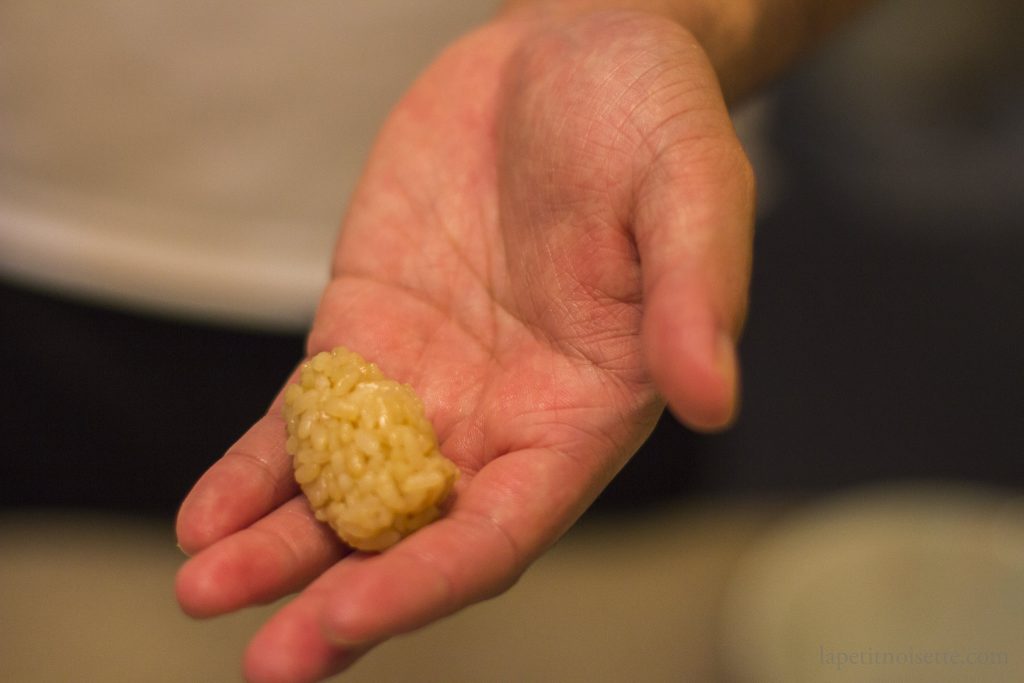
The relationship between the rice and the fish is central to the dish. The rice, known as shari, is seasoned with a precise mixture of vinegar, sugar, and salt. This seasoning provides the tangy backbone of the dish, balancing the natural richness of the topping. The rice is lightly pressed by hand to hold its shape while remaining airy enough to dissolve on the tongue, releasing the flavors of the fish immediately.
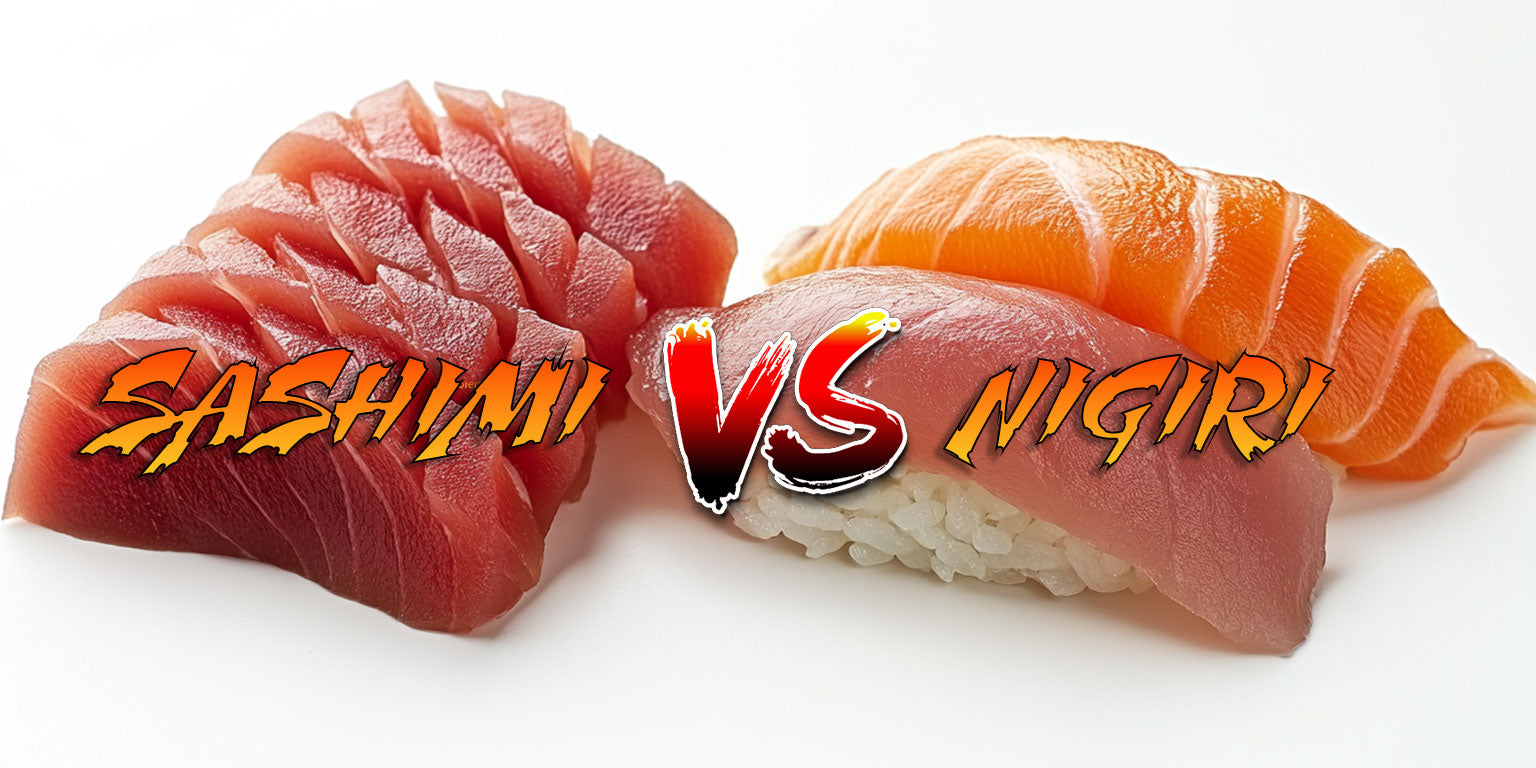
It is important to distinguish nigiri from sashimi. Sashimi consists solely of sliced raw fish or seafood served without rice. Because nigiri includes the vinegared rice component, it is technically a type of sushi. However, the experience is different from maki rolls, which wrap ingredients in seaweed. Nigiri focuses on the direct interaction between the fish and the rice, often held together by a thin strip of nori (seaweed) or a dab of wasabi.
This simplicity requires precision. The chef must ensure the rice is neither too compact nor too loose, allowing the diner to eat the piece in one or two bites. This structure preserves the integrity of both components, ensuring that the texture of the rice complements the tenderness of the fish rather than overwhelming it.
Nigiri versus sashimi and rolls
Understanding nigiri requires distinguishing it from its closest cousins. While all three are staples of Japanese cuisine, they differ fundamentally in composition and preparation. Nigiri is defined by the union of vinegared rice and a topping, whereas sashimi is purely protein, and rolls (maki) encase ingredients within seaweed.
The Rice Factor
The presence of sushi rice is the primary divider. Nigiri consists of a small, hand-pressed mound of rice topped with fish or seafood. Without the rice, it cannot be nigiri. Sashimi, by contrast, is simply sliced raw fish or seafood served without rice. If you order sashimi, you are eating the protein alone, often accompanied by daikon radish and shiso leaves. This makes sashimi a lighter, protein-focused dish, while nigiri offers a balance of carbohydrate and protein in a single bite.
Structural Differences
Nigiri and rolls both contain sushi rice, but their structures are opposite. Nigiri is an open-faced construction where the topping rests on the rice. Maki rolls wrap the rice and fillings inside sheets of dried seaweed (nori). This wrapping technique allows rolls to include a wider variety of textures and cooked ingredients, such as avocado, cucumber, or tempura shrimp, which are less common in traditional nigiri. Nigiri relies on the purity and quality of the fish topping, as there are no other ingredients to mask the flavor.
Comparison Overview
The table below highlights the key distinctions between these three forms.
| Type | Contains Rice? | Structure | Typical Topping |
|---|---|---|---|
| Nigiri | Yes | Hand-pressed mound | Slice of raw fish |
| Sashimi | No | Sliced pieces | None (protein only) |
| Maki Roll | Yes | Wrapped in nori | Varied (fish, veg, cooked) |
How to eat nigiri correctly
Eating nigiri correctly involves respecting the chef’s preparation and the delicate balance of flavors. Unlike rolls, which are often eaten with chopsticks, nigiri is traditionally eaten with the hands to preserve the structure of the rice mound.
Common nigiri mistakes to avoid
Even if you understand nigiri at a theoretical level, execution matters. The difference between a good bite and a great one often comes down to small habits. Avoiding these common errors will sharpen your palate and respect for the craft.
Soaking the rice in soy sauce
Dipping the rice side of nigiri into soy sauce is a frequent beginner mistake. The rice acts like a sponge, absorbing too much salt and losing its delicate vinegar flavor. Instead, flip the piece over and dip only the fish side. This keeps the rice intact and balances the seasoning perfectly.
Using chopsticks to eat
While chopsticks are fine for sashimi or rolls, traditional nigiri is designed to be eaten with your hands. Using chopsticks can crush the rice mound or cause the fish to slide off. Pick up the piece gently with two fingers and the thumb. This method preserves the structure and allows you to feel the temperature and texture of the fish.
Overloading with wasabi
Sushi chefs place the perfect amount of wasabi between the fish and rice. Adding more is rarely necessary and often masks the natural sweetness of the seafood. If you must add extra, place a tiny amount on the fish, not the rice. Let the chef’s balance guide your experience rather than overpowering it.
Why nigiri costs more than rolls
The price gap between a simple maki roll and a piece of nigiri sushi comes down to labor, skill, and ingredient integrity. While rolls often rely on automated slicing machines and standardized fillings, nigiri is a manual craft that demands hours of dedicated training.
A skilled sushi chef, or itamae, spends years mastering the precise hand pressure required to shape the rice. The rice must be warm and loosely bound to release cleanly from the hands while holding together when eaten. This tactile skill cannot be replicated by machines. In contrast, many rolls are assembled quickly with minimal specialized technique, allowing for higher volume and lower labor costs per piece.
Ingredient quality also plays a major role. High-end nigiri uses whole, premium cuts of fish that are sliced by hand to preserve texture and flavor. A single mistake in slicing can ruin the entire piece. Rolls, particularly inside-out rolls, often use smaller, less expensive fish scraps or cooked ingredients that are less sensitive to preparation errors. The waste factor in nigiri is significantly higher, driving up the final price for the diner.
No comments yet. Be the first to share your thoughts!