

Make the recipe
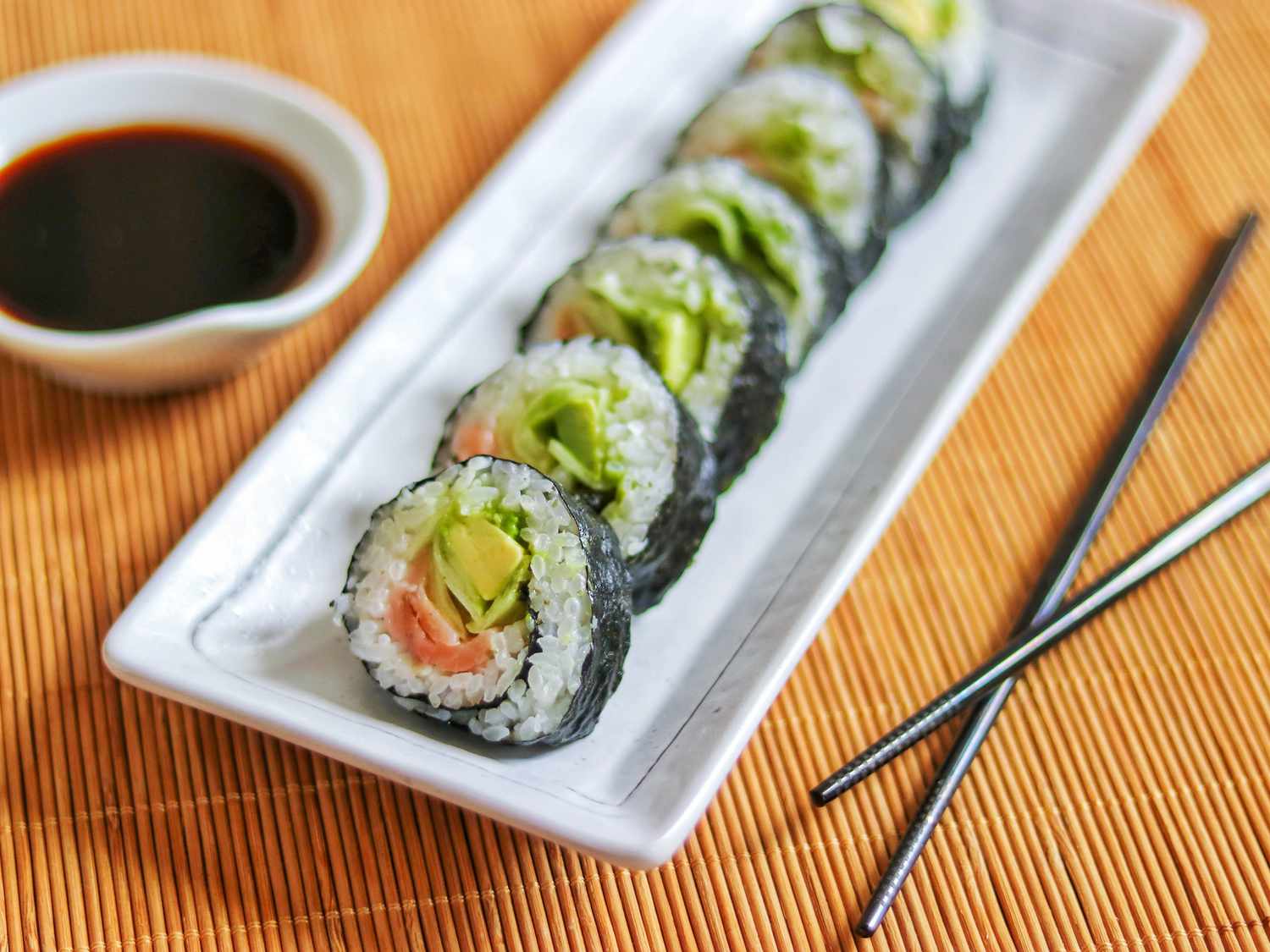
This guide focuses on a single, versatile roll that highlights the year’s trending ingredients: spicy tuna and avocado, finished with a light sesame garnish. The goal is a clean, balanced flavor profile that doesn’t overwhelm the palate. You’ll need about 30 minutes of active time to assemble the components and roll.

While ginger is traditionally served alongside sushi, it’s primarily a decorative element or a mild cleanser between courses. For a true palate reset, many connoisseurs prefer a Japanese highball or simple pickled daikon. This roll is designed to be eaten immediately after rolling, as the nori softens quickly and the avocado oxidizes. Keep your knife wet to prevent sticking and ensure clean cuts.
The nutritional profile of this roll is surprisingly robust. Beyond the lean protein from the tuna, the avocado and seaweed provide essential minerals like potassium and iodine, making this a nutrient-dense choice for a meal. The rice provides the necessary carbohydrates for energy, while the spicy mayo adds a touch of richness that balances the acidity of the vinegar.
Get the texture right
Sushi is a study in moisture management. The rice acts like a sponge, and the fillings like sponges too. If you don’t control the water content, your rolls turn into mush or dry out before you even sit down. The goal is a tight, cohesive bite where every ingredient holds its place without leaking.
Start with the rice. Cook it with slightly less water than usual if your filling is wet, like cucumber or tomato. Rinse the rice thoroughly until the water runs clear to remove excess starch, which causes gumminess. Season with the vinegar mixture while the rice is still warm, but fan it to cool it down quickly. This prevents the grains from breaking apart and becoming a sticky paste.
Prep your fillings
Dry your vegetables. Pat cucumber, avocado, and tomato slices with paper towels. If you’re using fish, ensure it’s patted dry before slicing. Wet ingredients release water as they sit, which seeps into the rice and makes the nori soggy. Slice fillings into uniform strips so they roll evenly. If a filling is too thick, it will push the rice apart and cause the roll to burst.
Roll with tension
Place the nori on the mat. Spread the rice evenly, leaving a small border at the top. Add fillings in a tight line. Lift the mat with your thumbs and fold the nori over the fillings, applying gentle pressure. Roll forward, tucking the fillings in tight. Use the mat to shape the roll into a neat cylinder. Don’t squeeze too hard, or the rice will ooze out the sides.
Slice and serve
Use a sharp, wet knife to cut the roll. Dip the blade in water or vinegar water between cuts to prevent sticking. Cut the roll in half first, then align the halves and cut each half into three or four pieces. Serve immediately. The longer you wait, the more the nori absorbs moisture from the rice and loses its crunch.
-
Pat all vegetables and fish dry before rolling
-
Fan rice while seasoning to keep grains separate
-
Keep fillings in uniform, thin strips
-
Wet the knife before every cut
Lay the nori sheet shiny-side down on the bamboo mat. Check for tears or weak spots. If the nori is old or brittle, it will crack when you roll. Use fresh nori for the best texture.
Wet your hands to prevent sticking. Spread a thin, even layer of rice over the nori, leaving a 1-inch border at the top. Press gently; don’t mash the grains.
Place your prepared fillings in a tight line across the center of the rice. Keep them close together to ensure the roll holds its shape.
Swaps that still work
When a specific ingredient is out of season or unavailable, the goal is to maintain texture and balance rather than forcing a perfect replica. You can adjust your sushi rolls without compromising the entire dish by focusing on structural integrity and flavor contrast.
Use the comparison below to evaluate common substitutions. Each swap preserves the original roll's character while offering a viable alternative.
Serve and store it
Sushi is best eaten the moment it is assembled. The rice cools and hardens within minutes, losing the soft texture that defines good nigiri and maki. If you are rolling for a gathering, keep the components separate until the last possible minute. Keep the nori in an airtight container with a piece of paper towel to absorb moisture, and store the fillings in the refrigerator. Assemble the rolls right before guests arrive.
If you must make sushi ahead of time, wrap each roll tightly in plastic wrap to prevent the rice from drying out. Store the wrapped rolls in the refrigerator for up to one day. Bring them to room temperature before serving, as cold rice becomes grainy and unpleasant. Do not freeze sushi; the texture of the rice and fish will degrade completely upon thawing.
When reheating is necessary—such as for cooked rolls like tempura or eel—use a dry skillet or oven. Avoid the microwave, which turns the rice into a sticky, rubbery mass. Heat gently until just warm. For raw fish rolls, never reheat. Serve them cold with fresh wasabi and pickled ginger. Note that the ginger provided with most takeout is primarily decorative; it does not effectively cleanse the palate between bites.
Sushi palate: what to check next
Before you roll your first piece, it helps to clear up the common myths about how sushi interacts with your body and senses. Understanding these practical details ensures you enjoy the flavors without unexpected digestive surprises or misconceptions about traditional etiquette.
Is sushi good for potassium?
Yes, sushi is a solid source of potassium, primarily depending on your ingredients. Ingredients like avocado, seaweed (nori), and certain fish varieties such as salmon and tuna offer significant amounts of this essential mineral. Potassium supports muscle function and fluid balance, making a balanced sushi meal a nutritious choice rather than just a treat.
Does pickled ginger actually cleanse your palate?
Contrary to popular belief, the pickled ginger served with sushi is not an effective palate cleanser in the traditional sense. While it is a refreshing crunch, its strong sweet and sour flavor profile often overpowers the delicate taste of the next piece rather than resetting your taste buds. It is largely a decorative tradition meant to separate courses visually, not functionally.
What is the best drink to cleanse my palate after sushi?
If you are looking to truly refresh your mouth between different types of fish, a Japanese highball is the superior choice. The carbonation and crispness of the highball cut through the richness of fatty fish like tuna belly or salmon, resetting your palate more effectively than ginger or even green tea for a full dining experience.
Why is ginger placed between rolls at restaurants?
Restaurants place ginger slices between different types of sushi primarily for hygiene and visual separation. This practice prevents the flavors of strong ingredients like eel or spicy mayo from bleeding into the next piece, especially in buffet-style or omakase settings where multiple varieties are served on the same platter. It ensures each piece is tasted as intended.
No comments yet. Be the first to share your thoughts!