

The shift away from California rolls
Sushi’s journey from a regional Japanese food to a global phenomenon is a fascinating one. Initially gaining traction in the US after World War II, it remained a relatively niche cuisine for decades. The California roll, introduced in the 1960s, was arguably the first major step towards wider acceptance, adapting to American palates by using cooked ingredients and avocado. Now, however, we’re witnessing a completely different level of innovation.
Chefs are moving past simple garnishes to rebuild rolls from the ground up. While fusion used to mean a dash of spicy mayo, we're now seeing menus where the entire structure of the meal borrows from different cultures. Social media helps these trends move fast, but the real driver is a shift in what people expect from a sushi bar.
This explosion in creativity isn't without its critics. Some sushi purists argue that fusion dilutes the essence of traditional washoku – the Japanese culinary arts. They believe that the delicate balance and precise techniques of traditional sushi are lost when combined with bold, often contrasting flavors. While this perspective is understandable, the demand for innovation and the excitement surrounding these new combinations are undeniable. Fusion sushi isn’t about replacing tradition, it’s about expanding the possibilities.
Why Korean flavors work with sushi
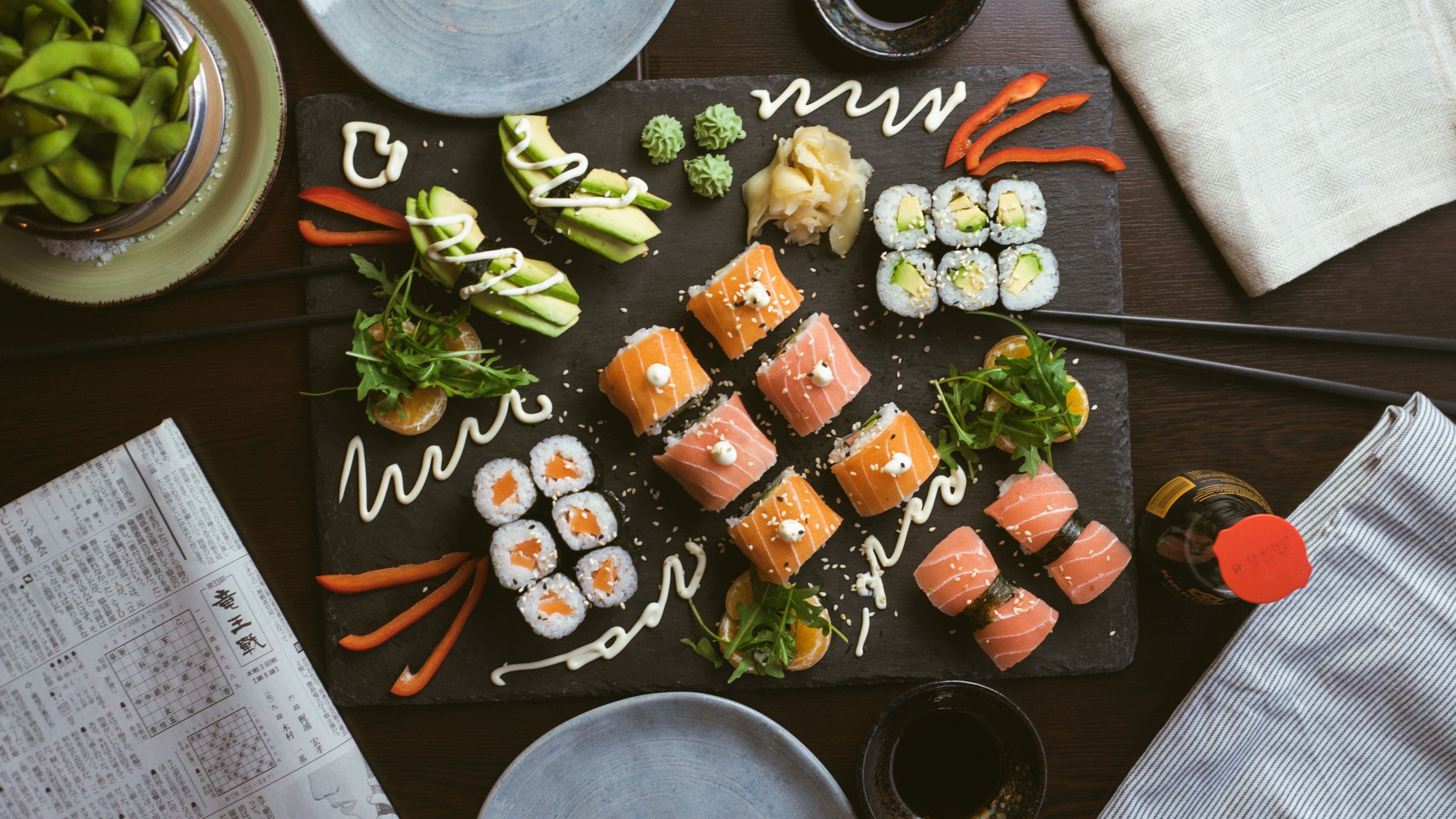
Right now, the most prominent and arguably successful fusion trend is the Korean-Japanese crossover. The synergy between these two cuisines is remarkably strong. Both cultures emphasize umami, fermented flavors, and a balance of sweet, savory, and spicy notes. This makes the transition from traditional sushi to Korean-inspired rolls incredibly smooth and satisfying.
You'll find bulgogi and kimchi rolls in most major cities now, usually pairing marinated beef with fermented cabbage and sesame oil. Some spots are pushing further with Korean fried chicken tempura or bibimbap rolls that use seasoned vegetables instead of raw fish.
Masuta Japanese Fusion Restaurant in New York City is a prime example of a restaurant expertly executing this style. They've gained attention for their inventive rolls that seamlessly blend Japanese techniques with Korean flavors. Beyond specific restaurants, the sauces used in Korean-Japanese fusion are becoming incredibly sophisticated. Gochujang mayo remains a ubiquitous favorite, but chefs are also utilizing ssamjang aioli, yuzu kosho infused with gochugaru, and even Korean BBQ sauce reductions.
The success of this pairing lies in the complementary flavor profiles. Korean cuisine's bold, assertive flavors don't overpower the delicate nuances of sushi; instead, they enhance them. The fermented elements in kimchi and gochujang add depth and complexity, while the sweetness of bulgogi balances the savory notes of the fish and rice.
- Gochujang-glazed salmon with pickled radish
- Spicy pork with gochujang aioli
- Korean fried chicken (KFC) tempura rolls
- Bibimbap-inspired sushi
Korean Flavors in Fusion Sushi
- Gochujang - A fermented red chili paste, gochujang offers a savory, spicy, and slightly sweet flavor. It pairs well with fatty fish like salmon or tuna, adding a complex heat.
- Kimchi - Fermented napa cabbage (though other vegetables are used), kimchi provides a tangy, spicy, and umami-rich flavor. It’s often incorporated into rolls with pork belly or used as a topping for spicy tuna rolls.
- Bulgogi - Thinly sliced, marinated beef (typically ribeye), bulgogi is known for its sweet and savory flavor profile, thanks to soy sauce, sesame oil, and garlic. It’s a popular filling for sushi rolls, offering a tender and flavorful protein.
- Gochugaru - Korean chili flakes, gochugaru ranges in heat and offers a fruity, smoky flavor. It's often used in spicy mayo sauces or sprinkled directly onto rolls for a vibrant color and kick.
- Sesame Oil - Toasted sesame oil has a nutty, aromatic flavor that adds depth to sushi. It’s frequently used in sauces, marinades for proteins like bulgogi, or drizzled over finished rolls.
- Korean Pear (Bae) - This fruit offers a crisp texture and a subtly sweet, refreshing flavor. It’s often used in bulgogi marinades to tenderize the meat and add sweetness, and can also be thinly sliced and added to rolls for a contrasting element.
- Ssamjang - A thick, spicy, and savory dipping sauce typically made from doenjang (fermented soybean paste), gochujang, sesame oil, garlic, and other seasonings. It can be used as a flavorful condiment alongside sushi or incorporated into a spicy sauce for rolls.
Global Palates: Expanding the Horizon
The Korean-Japanese fusion is just the beginning. Chefs are increasingly looking to other global cuisines for inspiration, pushing the boundaries of what sushi can be. Peruvian Nikkei cuisine, a fusion of Japanese and Peruvian flavors, is a particularly strong contender. Aji amarillo, a Peruvian yellow chili pepper, is frequently incorporated into sauces and rolls, adding a fruity heat. Ceviche-inspired rolls, featuring marinated fish and citrus flavors, are also gaining popularity.
Italian influences are also making their mark. Pesto, prosciutto, and balsamic glaze are finding their way into sushi combinations, offering a Mediterranean twist. Mexican flavors, such as spicy chorizo, avocado crema, and jalapeño, are adding a fiery kick to traditional rolls. Even Indian cuisine is contributing, with tandoori chicken, mango chutney, and fragrant spices being used to create unique and flavorful sushi.
The key to successful global fusion isn’t simply combining ingredients; it’s understanding how flavors interact. For example, the acidity of ceviche complements the richness of the fish, while the herbaceousness of pesto cuts through the fattiness of salmon. The challenge lies in maintaining balance and ensuring that the fusion elements enhance, rather than overwhelm, the core sushi experience.
Global Cuisine & Sushi Fusion Potential - Projected Trends
| Cuisine | Key Flavors | Compatibility with Sushi (Qualitative) | Common Ingredients Used in Fusion Rolls |
|---|---|---|---|
| Peruvian | Aji Amarillo, Lime, Cilantro, Spicy Peppers | High | Ceviche-inspired fillings, avocado, rocoto pepper sauce, cancha (toasted corn) |
| Italian | Tomato, Basil, Garlic, Parmesan, Olive Oil | Medium | Sun-dried tomato, pesto, mozzarella, balsamic glaze, prosciutto |
| Mexican | Chili Peppers, Cumin, Lime, Cilantro, Avocado | High | Spicy tuna with jalapeño, guacamole, pico de gallo, chipotle mayo, cotija cheese |
| Indian | Turmeric, Cumin, Coriander, Ginger, Chili | Medium | Tandoori chicken or paneer, mango chutney, mint-cilantro chutney, raita sauce |
| Thai | Galangal, Lemongrass, Chili, Fish Sauce, Coconut Milk | High | Green curry shrimp, peanut sauce, mango salsa, Thai basil, crispy wontons |
| Korean | Gochujang, Sesame Oil, Garlic, Kimchi, Soy Sauce | High | Bulgogi beef, kimchi, spicy pork, sesame seeds, gochujang mayo |
| Mediterranean | Olive Oil, Lemon, Feta, Oregano, Garlic | Medium | Hummus, tzatziki, grilled halloumi, olives, sun-dried tomatoes |
Illustrative comparison based on the article research brief. Verify current pricing, limits, and product details in the official docs before relying on it.
Ingredient Innovations: Beyond Fish & Rice
The evolution of fusion sushi extends beyond flavor combinations; it’s also impacting the ingredients themselves. Traditionally, sushi revolves around fish and rice, but chefs are now experimenting with alternative proteins and unique rice preparations. Plant-based tuna and vegan salmon are becoming increasingly popular, offering a sustainable and ethical alternative to traditional seafood.
Beyond the type of protein, the rice itself is seeing innovation. Forbidden rice, with its nutty flavor and striking purple hue, is being used to add visual appeal and textural complexity. Quinoa, a protein-rich grain, is also being explored as a healthier alternative to white rice. These alternatives aren’t just about health or sustainability; they also offer different textural experiences.
Fillings are also becoming more adventurous. Duck confit, short rib, and even foie gras are appearing in fusion rolls, adding richness and decadence. Textural elements are also crucial – crispy tempura flakes, creamy sauces, and unexpected crunch from toasted nuts or seeds are all being used to elevate the sushi experience. The use of different types of seaweed beyond nori, such as wakame or kombu, is also starting to emerge.
Sauces that change the profile
Sauces are often the unsung heroes of fusion sushi. They act as a bridge between different cuisines, tying together disparate flavors and creating a cohesive experience. Gochujang mayo, as we’ve discussed, is a mainstay, but the creativity doesn’t stop there. Yuzu kosho aioli, with its citrusy and spicy notes, is gaining traction, particularly in Japanese-Mediterranean fusions.
Chimichurri, the vibrant Argentinian herb sauce, provides a fresh and herbaceous counterpoint to rich fish. Mango salsa, with its sweet and spicy flavors, is a popular choice for Latin-inspired rolls. Even truffle oil infusions are being used, adding a luxurious and earthy aroma. The key is balance – a sauce should complement the other flavors, not mask them.
Chefs are increasingly focusing on creating sauces that are both flavorful and visually appealing. Bright colors, unique textures, and innovative presentations are all being used to enhance the overall dining experience. The skillful use of sauces is what truly elevates fusion sushi from a novelty to a culinary art form.
Where to Find the Best Fusion: Hotspots & Trends
Major cities are leading the fusion sushi movement. In New York City, restaurants like Masuta continue to push boundaries with their Korean-Japanese creations. Los Angeles boasts a diverse culinary scene and numerous spots experimenting with Nikkei and Latin-inspired sushi. San Francisco is also a hotspot, with chefs embracing innovative flavor combinations.
Beyond these major hubs, regional variations are emerging. In cities with large Vietnamese populations, you might find sushi rolls incorporating pho flavors or banh mi ingredients. Areas with strong Mexican communities are seeing a rise in spicy chorizo and avocado-infused rolls. Online delivery services are also playing a role, with some specializing in fusion sushi and offering unique combinations.
While high-end restaurants often lead the way in innovation, more casual spots are also embracing fusion. Many sushi bars are now offering a limited selection of fusion rolls alongside their traditional menu items. This allows customers to explore new flavors without committing to a fully fusion-focused experience. The trend seems to be moving towards accessibility – making innovative sushi available to a wider audience.
No comments yet. Be the first to share your thoughts!