

Beyond Tofu: The Rise of Vegan Nigiri
The sushi world is experiencing a quiet revolution, one that bypasses traditional fish. Plant-based sushi demand is surging due to growing awareness of overfishing's sustainability issues and ethical considerations around reducing animal product consumption. Health consciousness also plays a role, with plant-rich diets viewed positively.
Nigiri sushi is traditionally vinegared rice topped with fish or seafood, a cornerstone of Japanese cuisine. While historically centered on fish, the landscape is changing. Chefs and food scientists are developing remarkably realistic plant-based alternatives.
What was once limited to cucumber or avocado rolls now features surprisingly accurate imitations, from tomato 'tuna' to mushroom 'eel'. This shift goes beyond simple ingredient substitution; it aims to recreate the sushi-eating experience, a significant challenge. Plant-based nigiri is evolving from a mere option to a dish with its own merits.
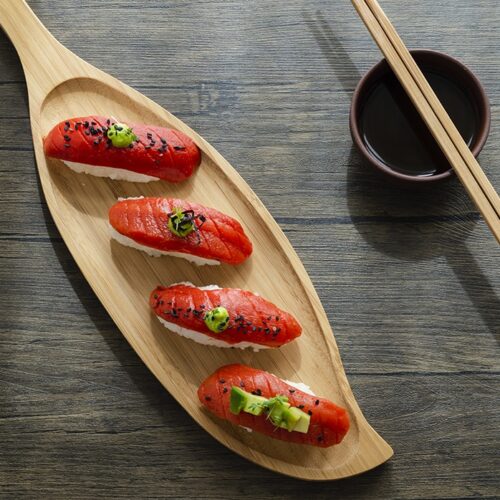
The 15 Vegan Nigiri Stars of 2026
The variety of vegan nigiri options is expanding significantly. No longer are choices limited. Here are alternatives making waves, with a look at their texture, flavor, and availability.
Tomato 'Tuna': Made from slow-roasted and marinated tomatoes, often with nori flakes and sesame oil. The texture is surprisingly flaky, and the flavor, while not identical, is remarkably similar to tuna. Brands like Ocean Tomato (launched in late 2025) are gaining traction.
Beet 'Salmon': Thinly sliced and marinated beets, offering a vibrant color and a slightly earthy sweetness. It doesn’t quite mimic the richness of salmon, but with the right marinade (including a touch of liquid smoke), it’s a decent substitute. Available from several smaller vegan producers.
Carrot 'Salmon': A classic for a reason. Cooked and marinated carrot ribbons, often seasoned with nori and dill. It's a good starting point, but can sometimes be a little too sweet. Easy to DIY.
Watermelon 'Tuna': Yes, watermelon. When prepared correctly – often by removing seeds and marinating in soy sauce and seaweed – it can achieve a surprisingly tuna-like texture. It's more of a summer novelty, though.
King Oyster Mushroom 'Scallop': Scored and seared king oyster mushrooms, offering a meaty texture and a subtle umami flavor. One of the most convincing alternatives, especially when paired with a citrusy glaze.
Shiitake Mushroom 'Eel': Slow-cooked shiitake mushrooms glazed with a sweet and savory sauce. It captures the smoky, slightly sweet flavor of unagi (eel) quite well.
Eggplant 'Eel': Similar to shiitake, but with a softer texture. It requires careful preparation to avoid becoming mushy. A good option for those who prefer a milder flavor.
Konjac & Mushroom Blend 'Scallop': Konjac provides a chewy texture, while mushrooms add umami. This combination is incredibly versatile and can be molded into various shapes.
Hearts of Palm 'Scallop': Naturally flaky, hearts of palm absorb flavors well. Marinated in a seaweed-infused broth, they can mimic the delicate flavor of scallops.
Jackfruit 'Crab': Shredded young jackfruit marinated in Old Bay seasoning and a vegan mayo blend. It provides a flaky texture similar to crab meat, but the flavor is quite different.
Smoked Carrot 'Lox': Thinly sliced carrots smoked and cured, mimicking the flavor and texture of lox (smoked salmon). A popular choice for vegan bagels and sushi.
Aubergine 'Anago' (Sea Eel): Slow roasted aubergine marinated in a sweet soy glaze. It doesn’t quite hit the oily richness of anago, but it’s a flavorful and satisfying alternative.
Purple Potato 'Uni' (Sea Urchin): While visually different, some chefs are using purple potato puree, carefully piped and seasoned, to mimic the creamy texture of uni. It’s a niche offering, but gaining attention.
Black Salsify 'Scallop': Often overlooked, black salsify has a naturally oyster-like flavor. When thinly sliced and lightly sautéed, it's a surprisingly convincing scallop alternative.
Tomato 'Tuna': A Surprisingly Good Match?
Tomato-based 'tuna' is a leading vegan nigiri alternative due to its preparation. Slow-roasting intensifies flavor and removes moisture. Marination typically includes soy sauce, nori flakes, sesame oil, and sometimes liquid smoke.
Achieving the right texture is crucial. Some chefs use a dehydrator for a flakier consistency. Others layer thinly sliced tomatoes and press them gently. Black salt can add a subtle 'eggy' flavor, mimicking tuna's richness.
Here’s a simple recipe to try at home:
Simple Tomato 'Tuna' Nigiri Ingredients: 2 large ripe tomatoes, 2 tbsp soy sauce, 1 tbsp sesame oil, 1 tsp nori flakes, 1/2 tsp liquid smoke (optional), Cooked sushi rice. Instructions: Slow roast tomatoes until concentrated. Marinate in the remaining ingredients for at least 2 hours. Slice thinly and serve over sushi rice.
Konjac & Mushroom: The Umami Powerhouse
Konjac, also known as devil's tongue, is a root vegetable known for its unique texture. Composed mostly of water and fiber, it's low in calories and absorbs flavors well. Combined with mushrooms, it forms a good base for vegan nigiri.
Various mushrooms work well. Shiitake mushrooms provide deep umami flavor and a meaty texture, while oyster mushrooms are more delicate. King oyster mushrooms, scored and seared, can mimic scallops. Marinades are essential; a blend of soy sauce, mirin, and sake is a good start.
This combination suits 'eel' or 'scallop' alternatives. Konjac provides chewiness, while mushrooms add savory depth. Chefs use smoked paprika marinades for 'eel' flavor and citrusy ponzu sauce for 'scallop' alternatives.
DIY vs. Store-Bought: What's the Trade-Off?
Making vegan nigiri ingredients at home can be rewarding but time-consuming. Store-bought options offer convenience but may be pricier and contain more preservatives. The choice depends on priorities and skill level.
Simple alternatives like carrot 'salmon' or cucumber rolls are easy to make at home. Complex options, such as tomato 'tuna' or mushroom 'eel', require more effort and specialized equipment like a dehydrator. Store-bought options from brands like Ocean Tomato are improving in quality and availability.
DIY is recommended for basic options and flavor experimentation. For convenience and consistency, store-bought is a suitable choice.
DIY vs. Store-Bought: Vegan Nigiri Ingredient Comparison (2026 Edition)
| Ingredient | DIY Difficulty | Time Investment | Overall Quality | Cost Considerations |
|---|---|---|---|---|
| Vegan Salmon (Tomato-based) | Medium | Medium | Good | Lower initial cost, but requires ingredient sourcing |
| Vegan Tuna (Watermelon-based) | Easy | Low | Fair | Very affordable, but flavor profile requires refinement |
| Vegan Eel (Aubergine/Eggplant) | Hard | High | Excellent | Complex preparation, but closest texture replication |
| Vegan Scallops (King Oyster Mushroom) | Medium | Medium | Good | Requires skillful slicing and seasoning |
| Vegan Yellowtail (Carrot-based) | Easy | Low | Fair | Simple to prepare, but lacks the fatty texture of real yellowtail |
| Vegan Shrimp (Konjac Root) | Medium | Low | Good | Readily available pre-made, but DIY allows for custom flavoring |
| Vegan Uni (Butternut Squash) | Medium | Medium | Good | Requires precise cooking to achieve creamy texture |
Qualitative comparison based on the article research brief. Confirm current product details in the official docs before making implementation choices.
Sourcing Sustainable Ingredients
Vegan ingredients are not automatically sustainable. Consider the environmental impact of tomatoes, mushrooms, and konjac. Tomatoes, for instance, can have a significant water footprint depending on their origin.
Prioritize locally sourced produce. Supporting local farmers reduces transportation emissions and promotes sustainable agriculture. For konjac, consider its origin; some regions have more sustainable farming practices. Organic certifications indicate responsible sourcing.
Packaging is another factor. Choose products with minimal or recycled packaging. Reducing waste minimizes the environmental impact of vegan sushi.
The Future of Plant-Based Nigiri
The future of plant-based nigiri holds promise for innovation in texture and flavor, with more realistic alternatives to traditional fish. Lab-grown 'fish' alternatives are emerging, though widespread availability is years away.
3D printing may play a role in creating intricate nigiri shapes and textures. ProVeg International supports research and development in sustainable and affordable plant-based seafood alternatives. Personalized nigiri, tailored to individual preferences, is also a possibility.
Wider availability is also important. As demand grows, more restaurants and supermarkets will offer plant-based nigiri. Within a few years, vegan nigiri is likely to become a mainstream choice, not just a niche offering.

No comments yet. Be the first to share your thoughts!