

Start with safe, sustainable fish
Building a sushi palate begins with the raw material. You cannot taste the nuance of a refined sushi experience if the foundation is compromised by poor quality or safety risks. The goal is to source fish that meets strict safety standards for raw consumption while supporting sustainable fishing practices.
When shopping for sushi-grade fish, look for terms like "sashimi-grade" or "sushi-grade" on the label. These labels indicate the fish has been frozen to specific temperatures to kill parasites, a critical safety step for home preparation. Always buy from reputable fishmongers who understand the cold chain and can verify the handling history of the product. Avoid generic supermarket displays unless you are certain the supplier follows strict raw-fish protocols.
Sustainability matters for both your palate and the planet. Overfished species can have inconsistent texture and flavor. Choosing species like line-caught albacore or responsibly farmed salmon ensures you get the best flavor profile while supporting healthy ocean ecosystems. This approach helps you develop a more discerning taste for quality over quantity.
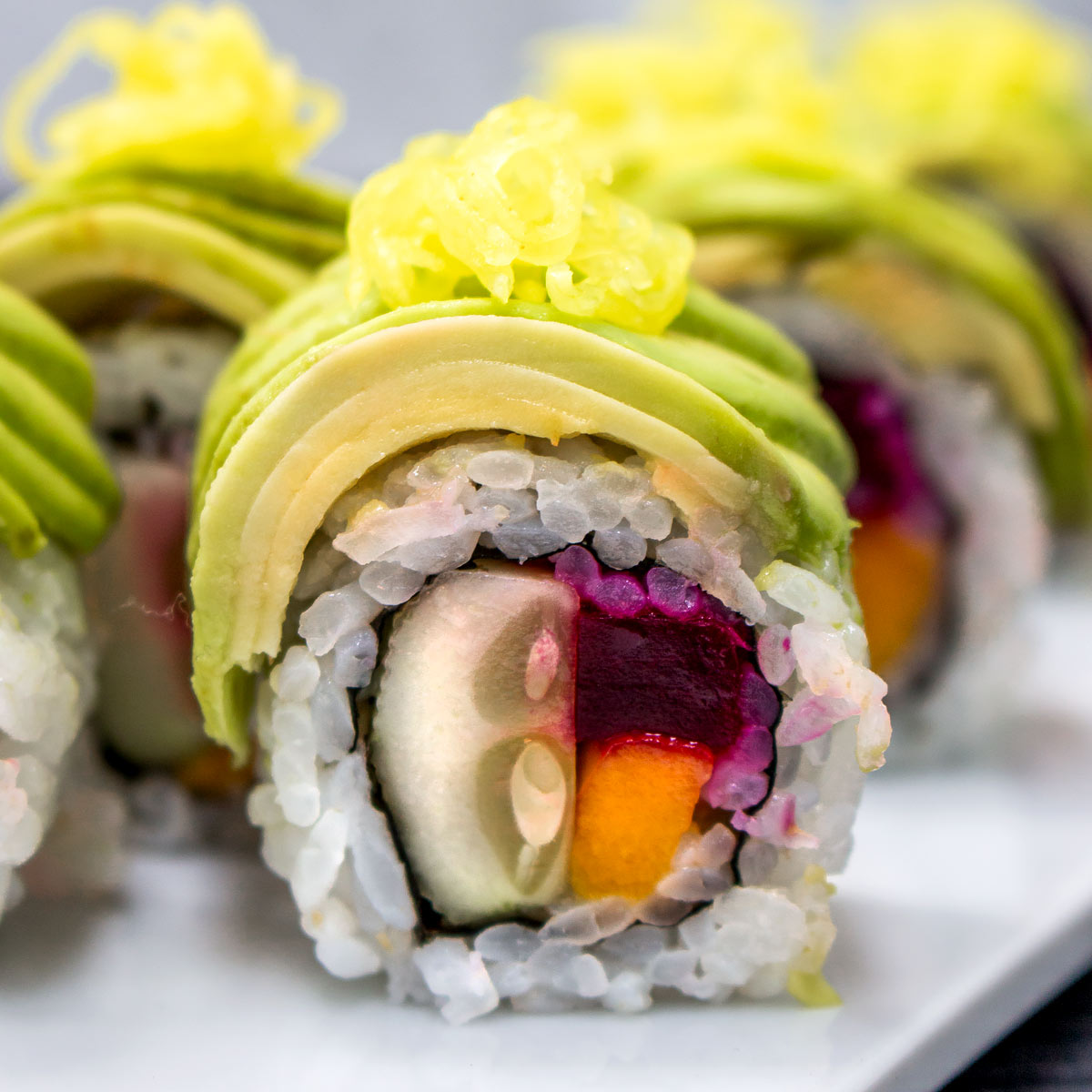
Where to Buy
Finding the right fish is half the battle. Use these curated options to start your journey toward a refined sushi palate.

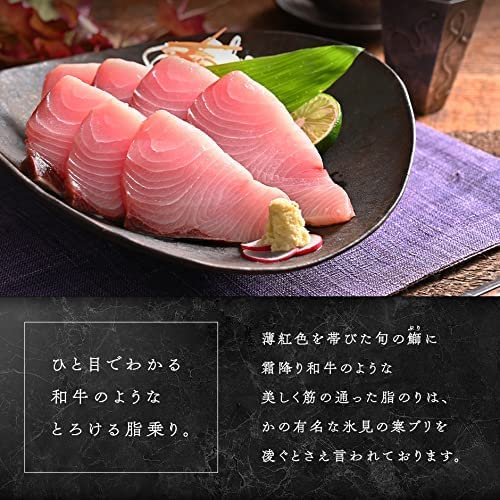

As an Amazon Associate, we may earn from qualifying purchases.
Safety and Sourcing Checklist
Before you slice, verify these points to ensure your sushi is safe and delicious.
Prepare the rice and nori
Sushi rice, or shari, is the foundation of every roll. It provides the necessary acidity and stickiness to hold the fish in place while balancing the umami of the seafood. If the rice is too dry, the roll falls apart; if it’s too wet, the nori becomes soggy and loses its crunch. Mastering the texture of the rice is the single most important skill in preparing sushi at home.
Wash the rice until clear
Place short-grain Japanese rice in a large bowl and cover with cold water. Gently swirl the rice with your hand to release excess starch, then drain the cloudy water. Repeat this process 5 to 7 times until the water runs nearly clear. This step removes surface starch that would otherwise make the rice gummy or glue-like. Proper washing ensures each grain remains distinct yet cohesive.
Cook with precision
Use a 1:1.1 ratio of rice to water for standard cooking. Rinse the rice one last time and add the measured water to your pot or rice cooker. Bring to a boil, then reduce heat to low and cover tightly. Simmer for 12 minutes, then remove from heat and let it rest, still covered, for another 10 minutes. This resting period allows the moisture to distribute evenly, creating the ideal tender texture.
Season and cool
Transfer the hot rice to a wide, non-metallic bowl (traditionally a hangiri). Sprinkle a mixture of rice vinegar, sugar, and salt evenly over the surface. Use a cutting motion with a rice paddle to fold the seasoning in without crushing the grains. Fan the rice while mixing to cool it quickly to body temperature. This rapid cooling gives the rice its characteristic glossy shine and firm bite, ready for wrapping.
Roll the sushi like a pro
The mechanics of the roll determine whether the flavors shine or get lost in a soggy mess. The goal is to create a tight, even cylinder that holds together without crushing the delicate ingredients inside.
Prepare your hands
Sushi rice is sticky by design. To prevent it from adhering to your skin, wet your hands with a mixture of water and a splash of rice vinegar. This keeps the rice cool and manageable. Dip your fingers in the vinegar water before touching the rice, then gently shape the rice into a compact mound. The moisture should be enough to prevent sticking but not so much that it dilutes the seasoning.
Shape the maki roll
Place a sheet of nori on a bamboo rolling mat. Spread a thin, even layer of rice over the nori, leaving a one-inch strip bare at the top. This edge acts as a seal for the roll. Place your fillings in a line across the center. Lift the edge of the mat closest to you, tucking it firmly over the fillings. Apply gentle, even pressure from the sides to compress the roll into a cylinder. Avoid squeezing too hard, which can burst the nori or squish the rice.
Finish with precision
Once the roll is formed, use the mat to give it a final squeeze. Ensure the edges are sealed and the shape is uniform. Slice the roll with a sharp, wet knife to prevent tearing. Each piece should be clean and distinct, preserving the texture of the fish and the crunch of the vegetables. This careful handling ensures that every bite delivers the balanced flavor profile you are aiming for.
Taste and compare flavors
Now that you have assembled your sushi, the real work begins: training your palate. This is not about eating quickly; it is about actively comparing textures and flavors to understand how the ingredients interact. Treat each piece as a distinct data point in your sensory education.
Start by tasting the fish plain. Notice the texture—is it buttery like fatty tuna, or firm like sea bass? Then, take a small bite with just a touch of soy sauce. The salt should highlight the umami without overpowering the delicate sweetness of the fish. If the soy sauce dominates, you are using too much. The rice should remain distinct, not mushy, providing a slight acidic counterpoint to the raw element.
When comparing flavors, pay attention to the balance. A well-made piece should feel harmonious, not like a list of separate ingredients. If you taste only the ginger or only the wasabi, the balance is off. Adjust your next piece by varying the amount of condiments or choosing a different fish to test your sensitivity to these shifts.
| Flavor Profile | Texture Cue | Balance Check |
|---|---|---|
| Rich (Fatty Tuna) | Melting, oily | Needs acid (rice) to cut fat |
| Lean (Snapper) | Firm, clean | Needs moisture (nori/soy) |
| Sweet (Shrimp) | Soft, bouncy | Needs contrast (wasabi/ginger) |
This active comparison sharpens your ability to detect quality and balance, turning casual eating into a refined skill.
Fix common rolling mistakes
Even experienced home cooks encounter structural issues when making sushi rolls. These errors usually stem from rice moisture levels or pressure application rather than a lack of skill. Correcting them ensures your rolls hold together and taste balanced.
Rice too wet or sticky
Soggy rice is the most common culprit for loose rolls. If the rice clumps excessively in your hands or sticks to the bamboo mat, it will squish out when you roll. The fix is simple: keep a bowl of water mixed with a little vinegar nearby. Wet your hands before handling the rice to create a non-stick barrier. This allows you to spread the rice thinly and evenly without it adhering to your skin.
Rolling too tight or too loose
The pressure you apply while rolling determines the final texture. Rolling too tightly crushes the rice grains, making the sushi dense and hard to chew. Rolling too loosely causes the ingredients to fall out when sliced. Aim for a firm but gentle curl. Let the weight of the bamboo mat do the work rather than squeezing with your thumbs. The roll should feel snug, not compressed.
Uneven ingredient placement
Placing fillings in the center or too far back leads to messy ends and broken rolls. Spread the rice evenly, leaving a one-inch border at the top edge. Place your fillings in a horizontal line across the center of the rice, slightly below the middle. This positioning gives the rice enough surface area to fold over and seal the roll completely.

Frequently asked: what to check next
Can sushi lower cholesterol?
Yes, if you choose the right ingredients. Fatty fish like mackerel, salmon, and tuna are rich in omega-3 fats, which help reduce bad cholesterol. Adding avocado to your rolls provides monounsaturated fats that further support heart health. Cleveland Clinic confirms these nutritional benefits when sushi is part of a balanced diet.
Why is omakase so expensive?
Omakase costs more because it delivers a personalized, multi-course experience using premium-grade ingredients sourced from elite markets. Chefs typically undergo ten or more years of training to master specialized techniques like fish aging. The intimate, limited-seating format ensures every piece is crafted specifically for you, making it a high-end dining event rather than a standard meal.
Is sushi good for potassium?
Sushi is a solid source of potassium and other essential minerals. Ingredients like seaweed, avocado, and various fish provide significant amounts of potassium, alongside iodine and vitamin D. This nutrient profile supports muscle function and overall health, making it a nutritious option for those looking to build a balanced sushi palate at home.
Work through The Sushi Connoisseur’s
No comments yet. Be the first to share your thoughts!